Skills worth getting right
Knots, rigs and technique are the parts of fishing you control. These guides cover them step by step, say plainly where the evidence is thin, and skip the folklore.
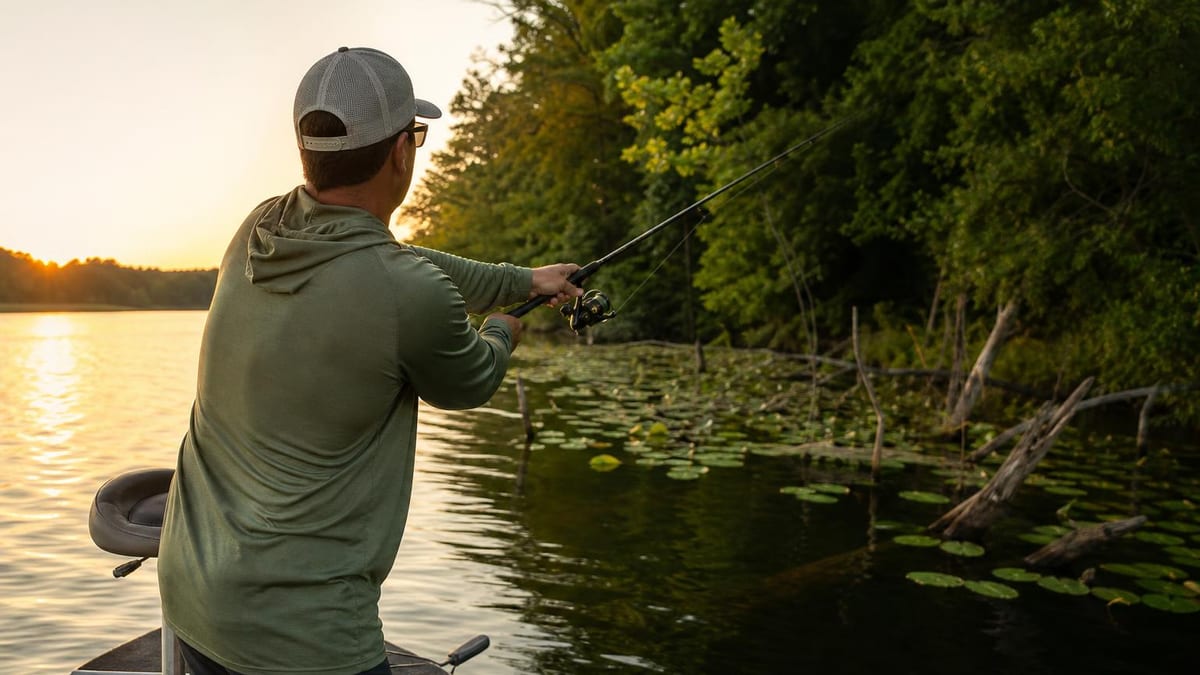
Bass Fishing for Beginners: Largemouth 101
Where largemouth bass hold, how the seasons move them, and the lure categories that catch them — a beginner's guide built on state agency sources.
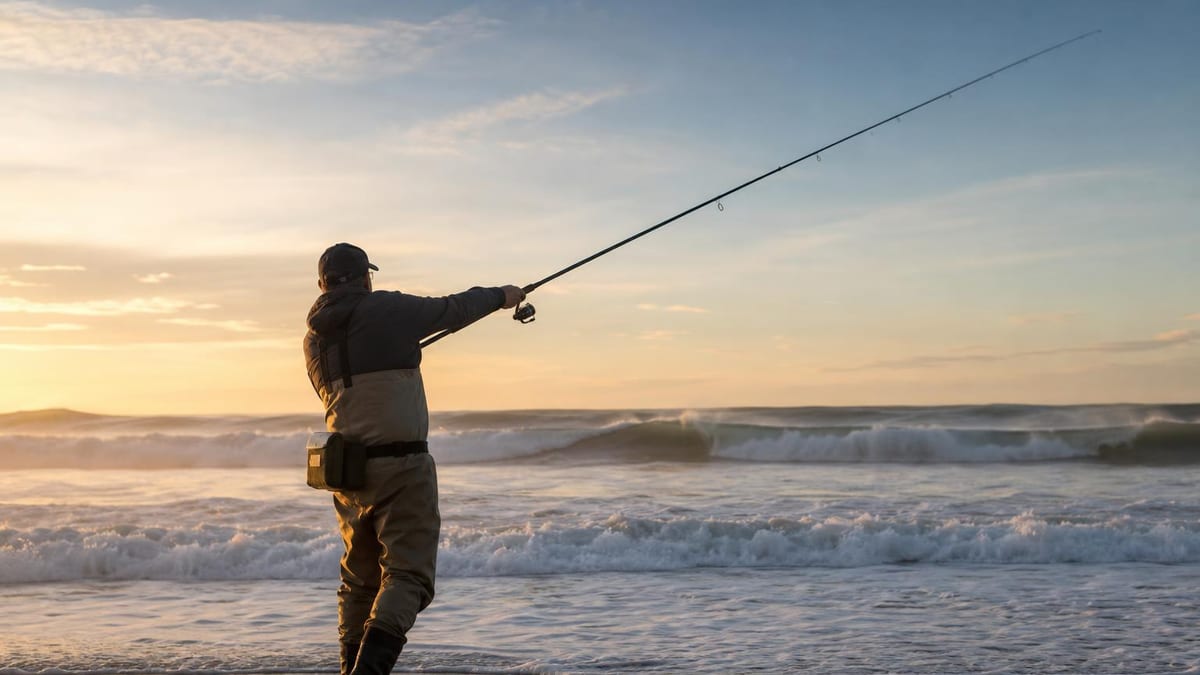
Best Conditions for Surf Fishing: Reading Tide, Wind and Swell Together
How to read surf fishing conditions as a system — tide, wind and swell together — using official NOAA and NWS data, plus safety guidance for the beach.
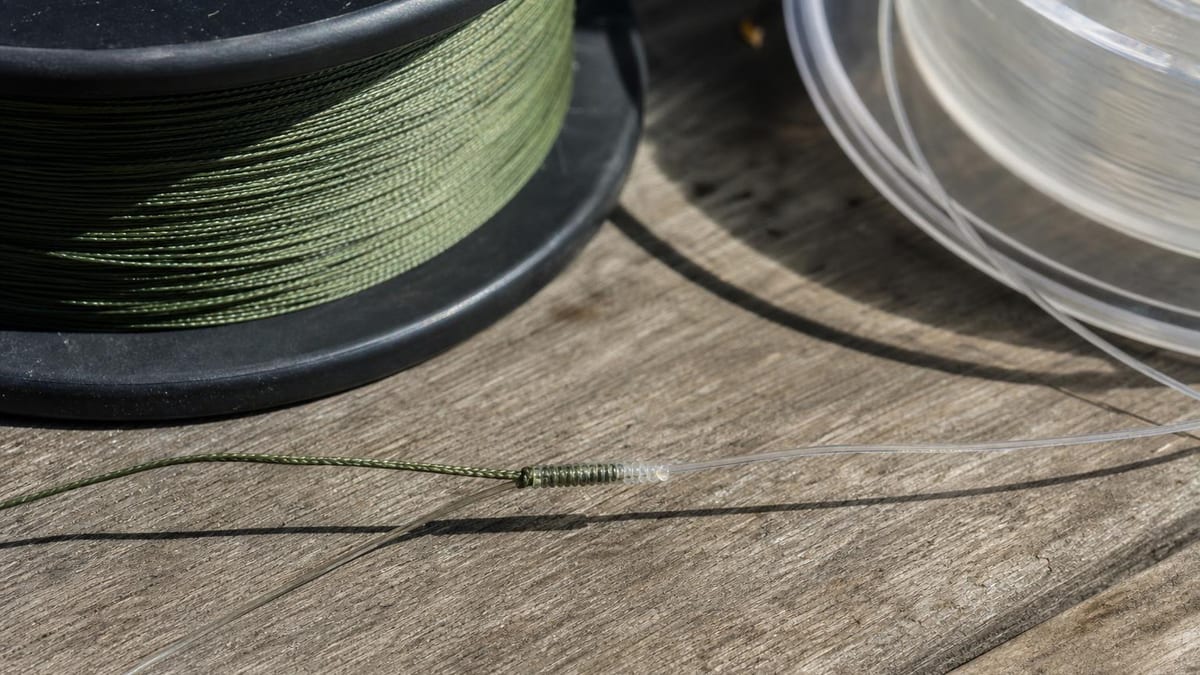
Best Knots for Joining Braid to Fluorocarbon
How to join braid to a fluorocarbon leader: which line-to-line knots to use, why braid slips, and how to keep the connection small enough to pass the guides.
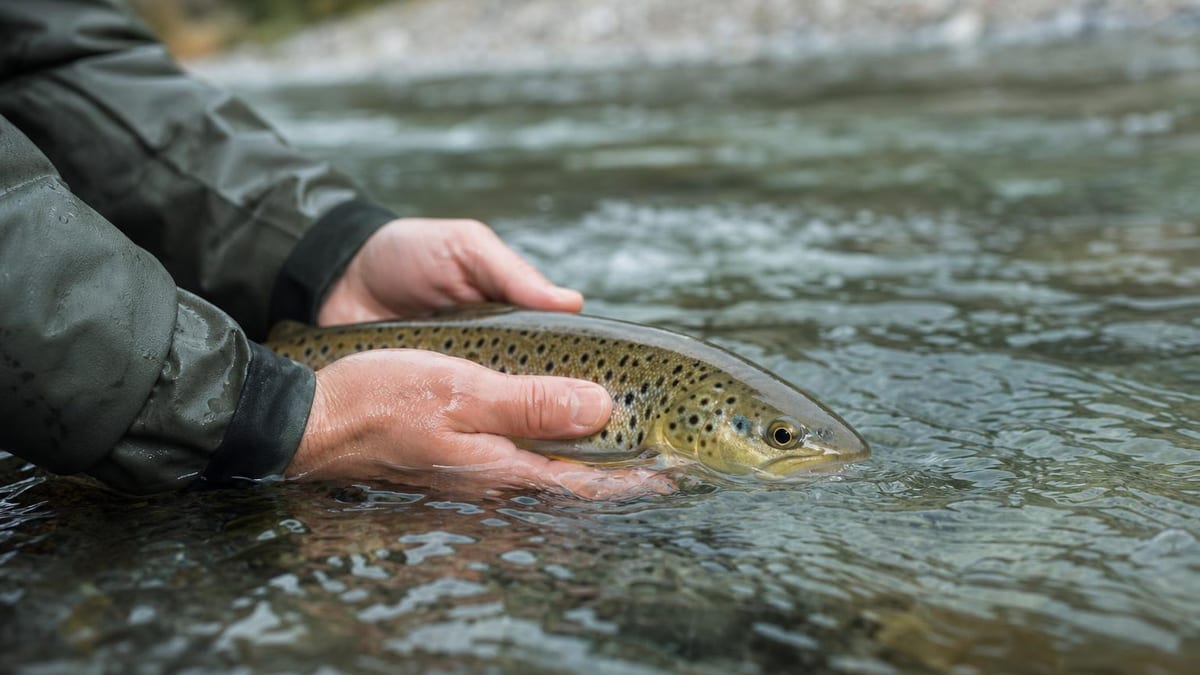
Catch and Release: Doing It So the Fish Survives
Wet hands, under a minute of air, cut deep hooks, revive facing the current. NOAA and state agency best practices for releases that actually survive.
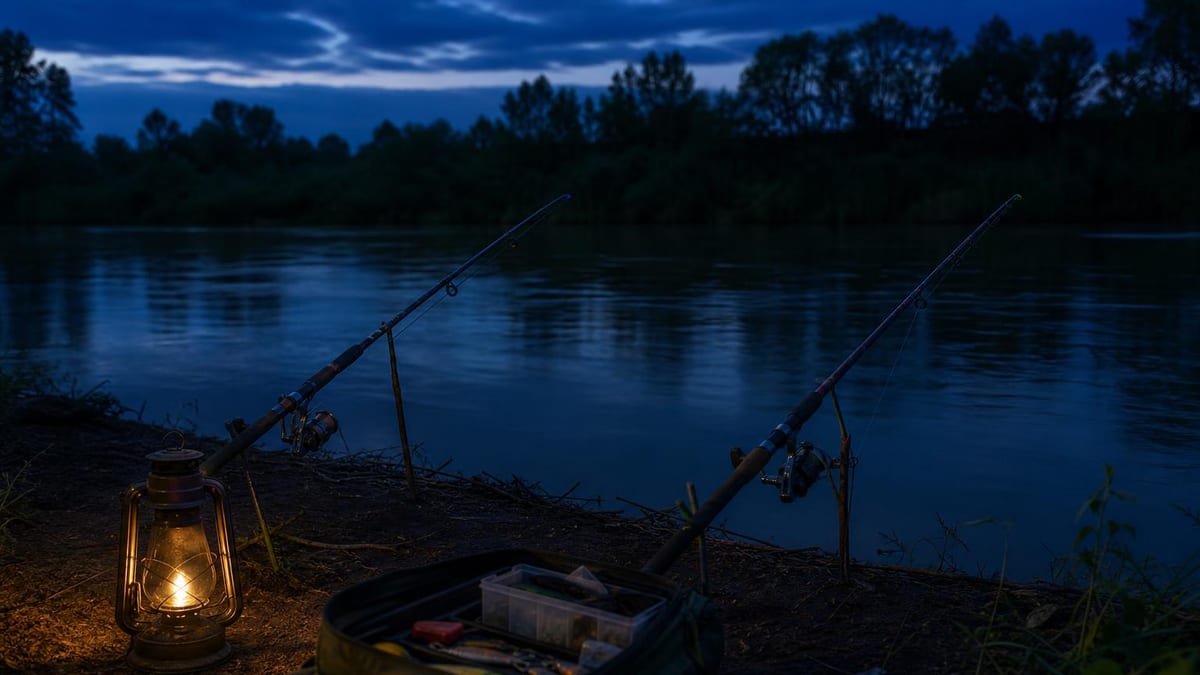
Catfish Fishing: The Bottom, the Bait and the Hole
Catfish feed on the bottom and hide in deep holes by day. What each species eats, when to set the hook, and why fishing after rain works.
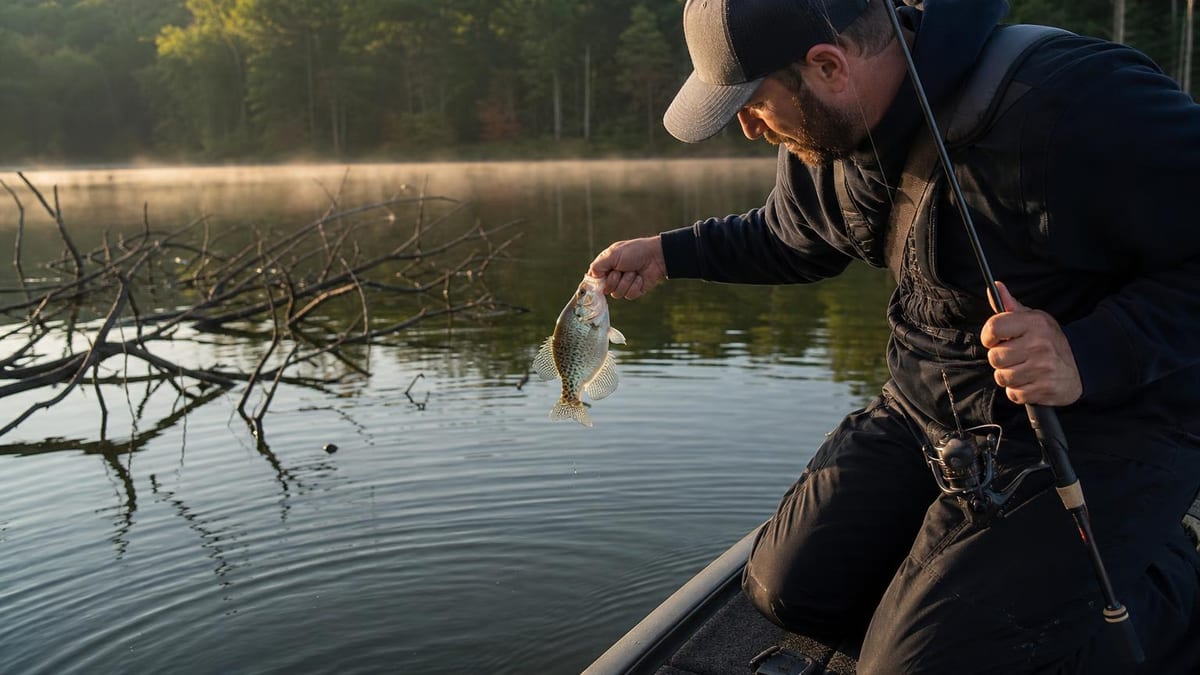
Crappie Fishing: How to Find Them and How Not to Lose Them
Crappie hold on structure and take a bait softly, so the two things that decide your day are where you look and how gently you set the hook.
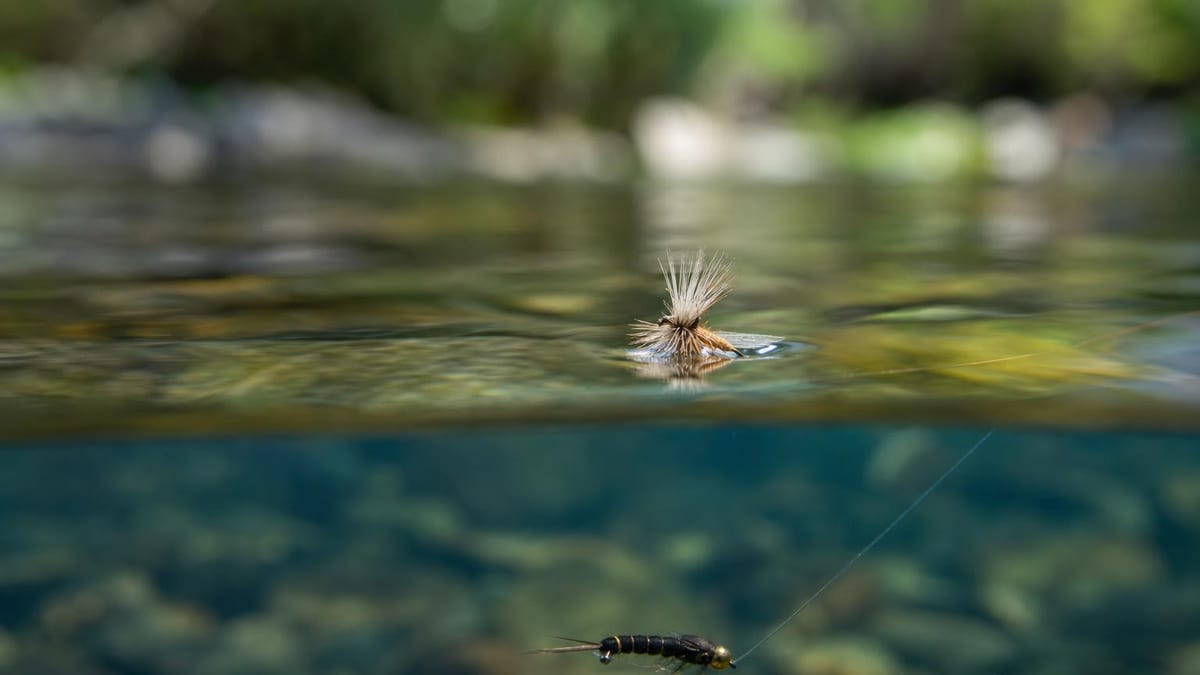
Dry Fly vs Nymph: Which One, and When
Dry flies copy adult insects on top; nymphs copy the stage that lives underwater for months. The biology behind the choice, and the rule agencies give.
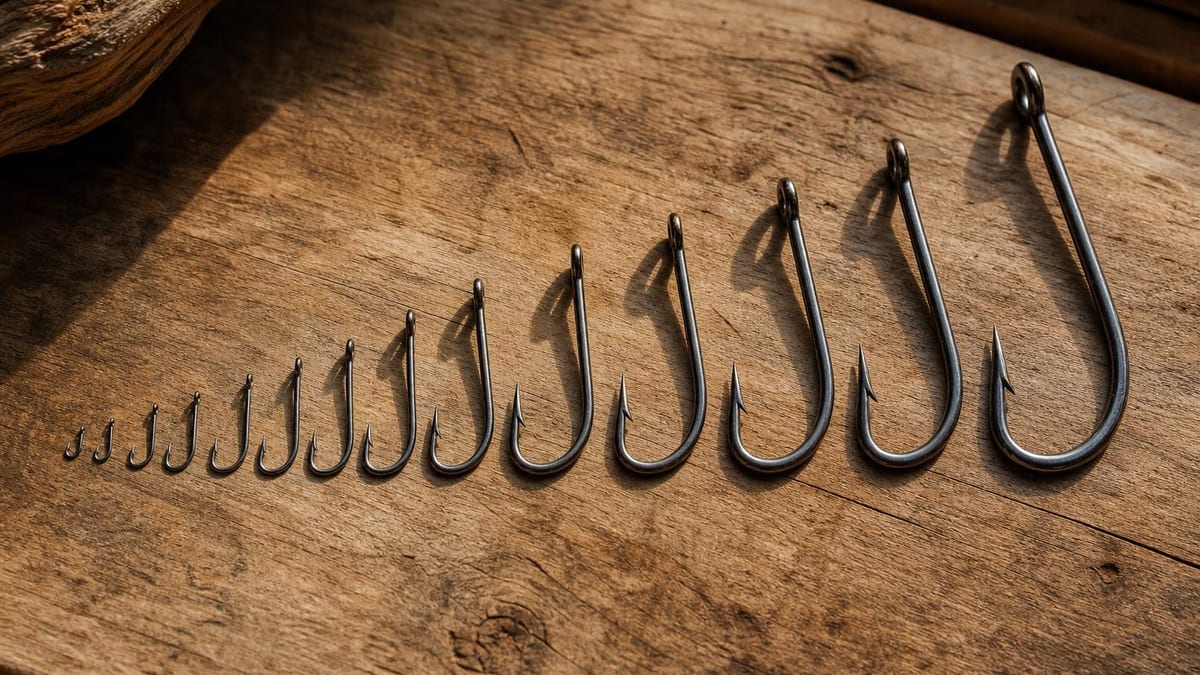
Fishing Hook Sizes Explained: From #32 to 19/0
How hook sizing really works — numbers down, aughts up — plus hook anatomy, matching size to bait and species, and why agencies push circle and barbless hooks.
Fishing Licenses: How the System Works and Where the Money Goes
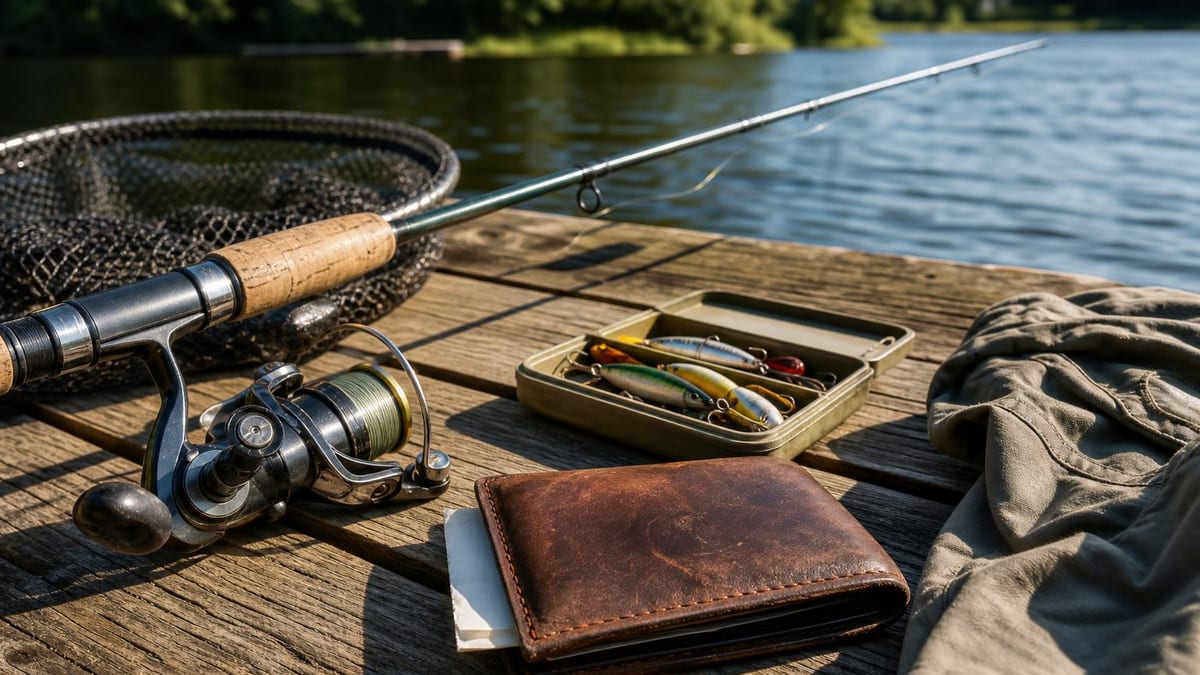
License sales plus excise taxes fund fisheries through a user-pays system dating to 1950. How the Sport Fish Restoration program works and why licenses matter.
Fishing Line Types: Braid vs Mono vs Fluorocarbon
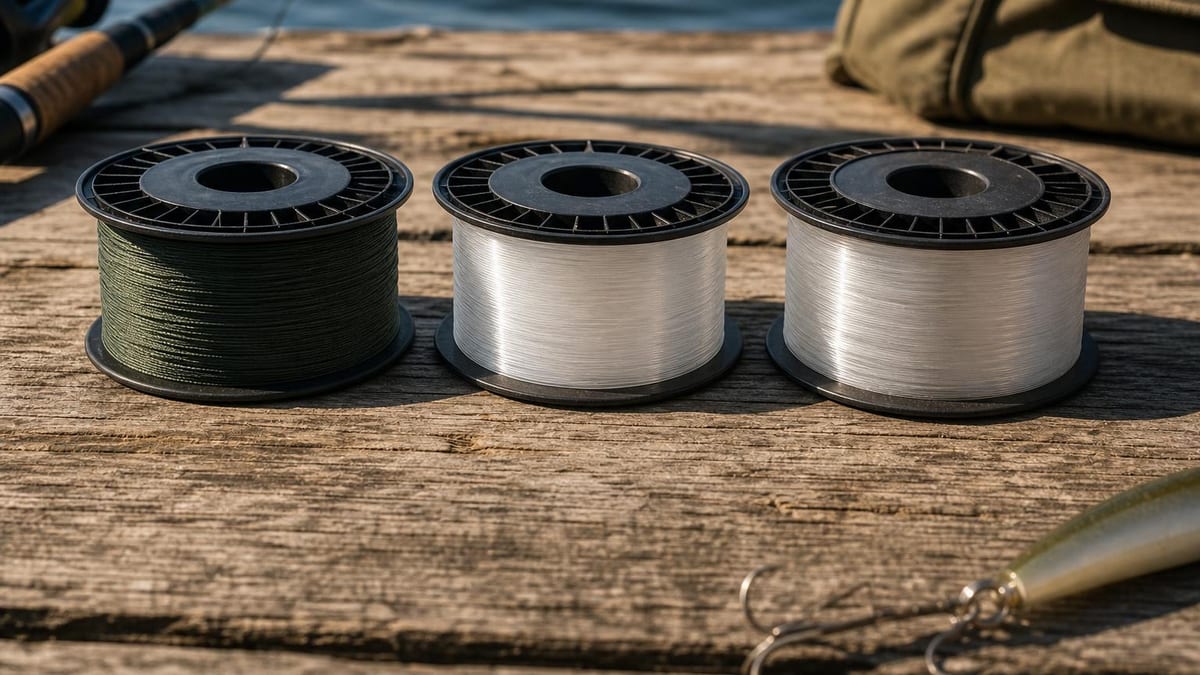
Monofilament, fluorocarbon and braided line compared — stretch, visibility, sink rate and durability, what agencies actually say, and which to spool when.
Fishing Soft Plastics
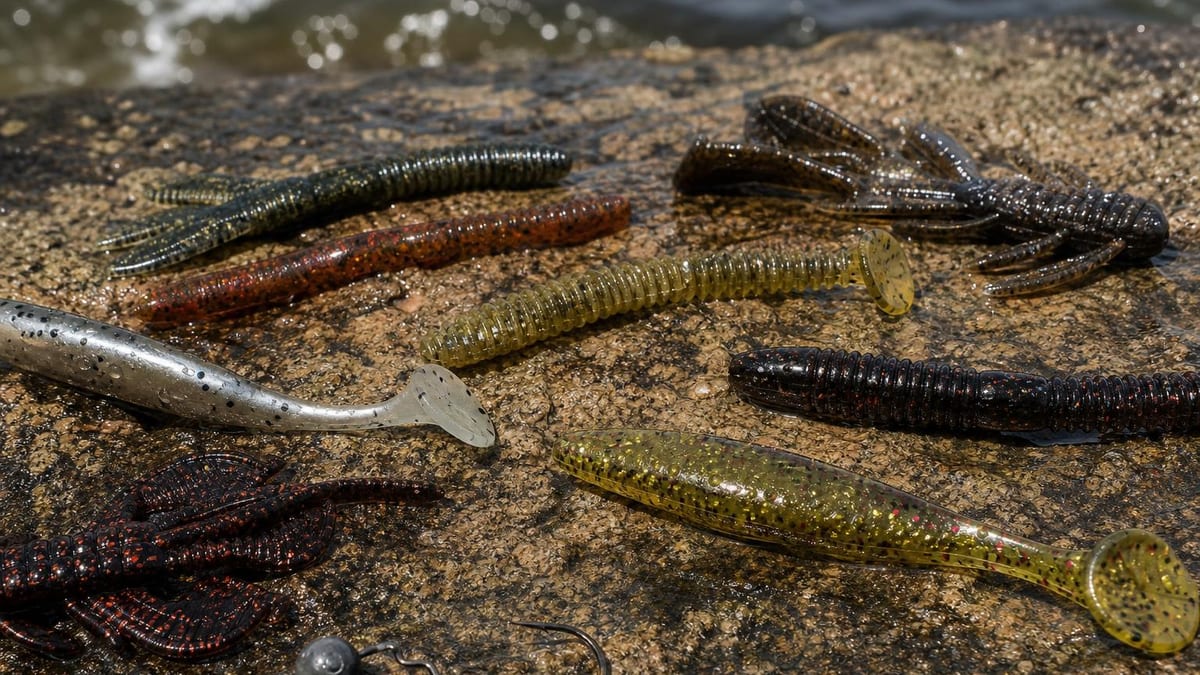
How to rig soft plastics, what research shows happens when a fish swallows one, and why bass colour vision makes most tackle-aisle shades irrelevant.
Fishing Tackle for Beginners: What You Actually Need, per the Agencies That Teach It
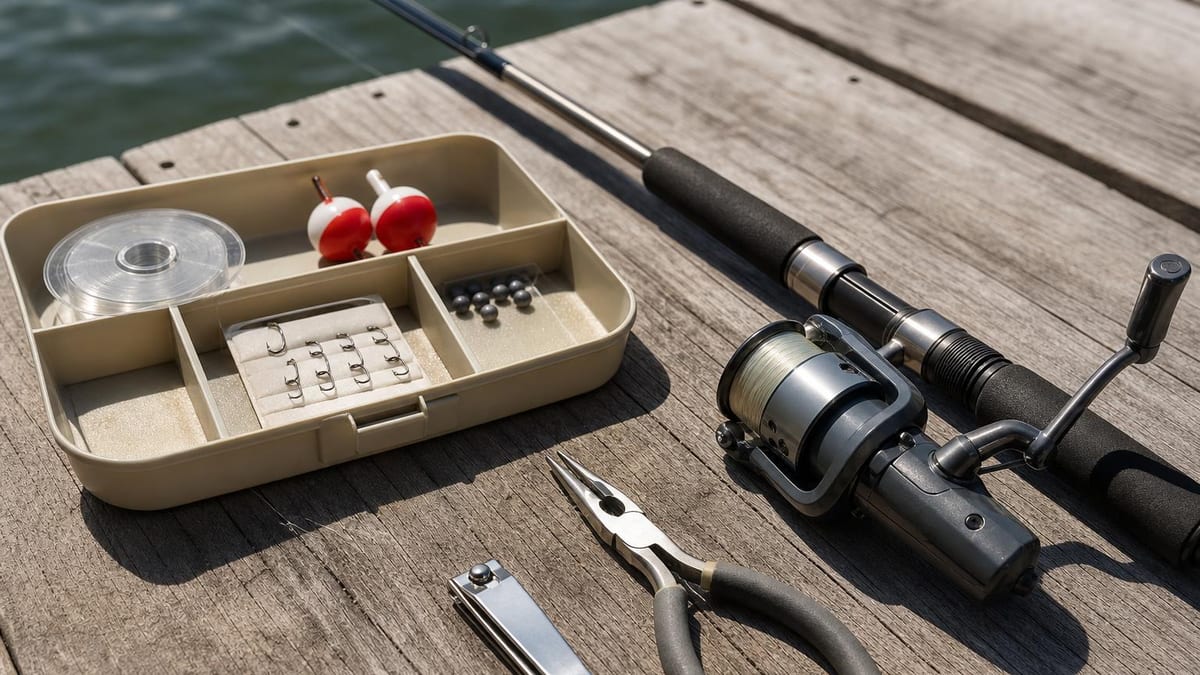
Three agency beginner tackle lists overlap almost exactly. Here is the overlap — ten items — and the agencies' own reason for each one.
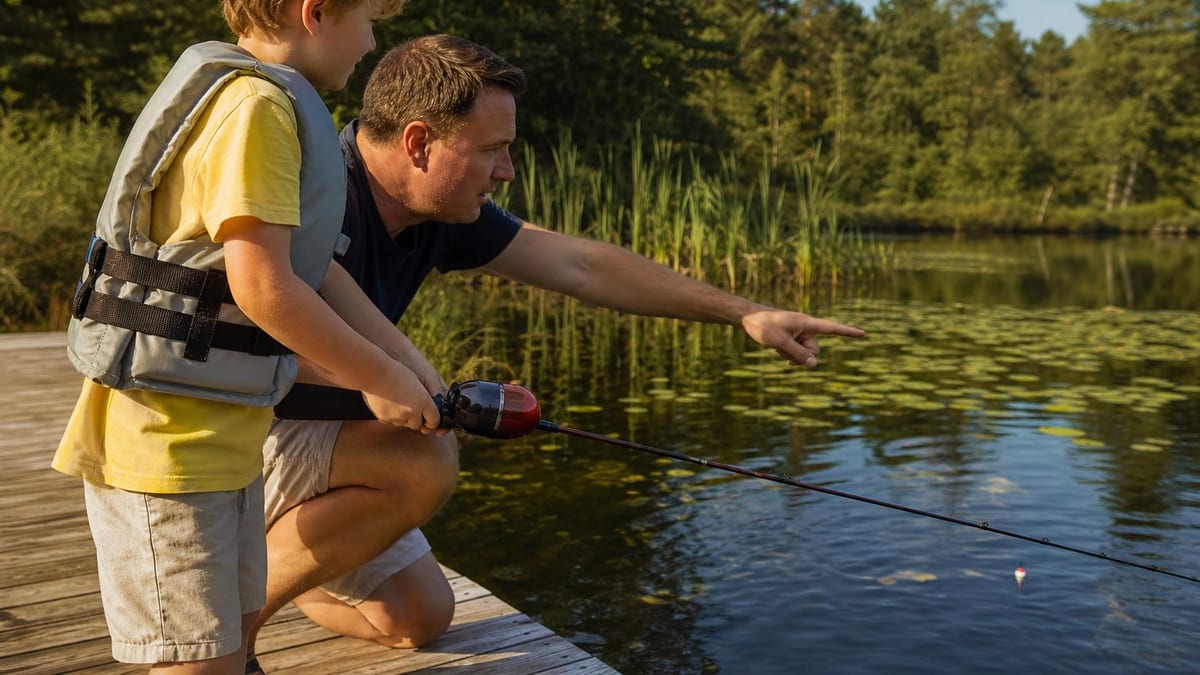
Fishing with Kids: How a State Education Programme Sets Up a First Trip
Minnesota's MinnAqua programme has taught kids to fish for decades and publishes how: the rig, adult ratio, hooks, and why the first cast has no hook.
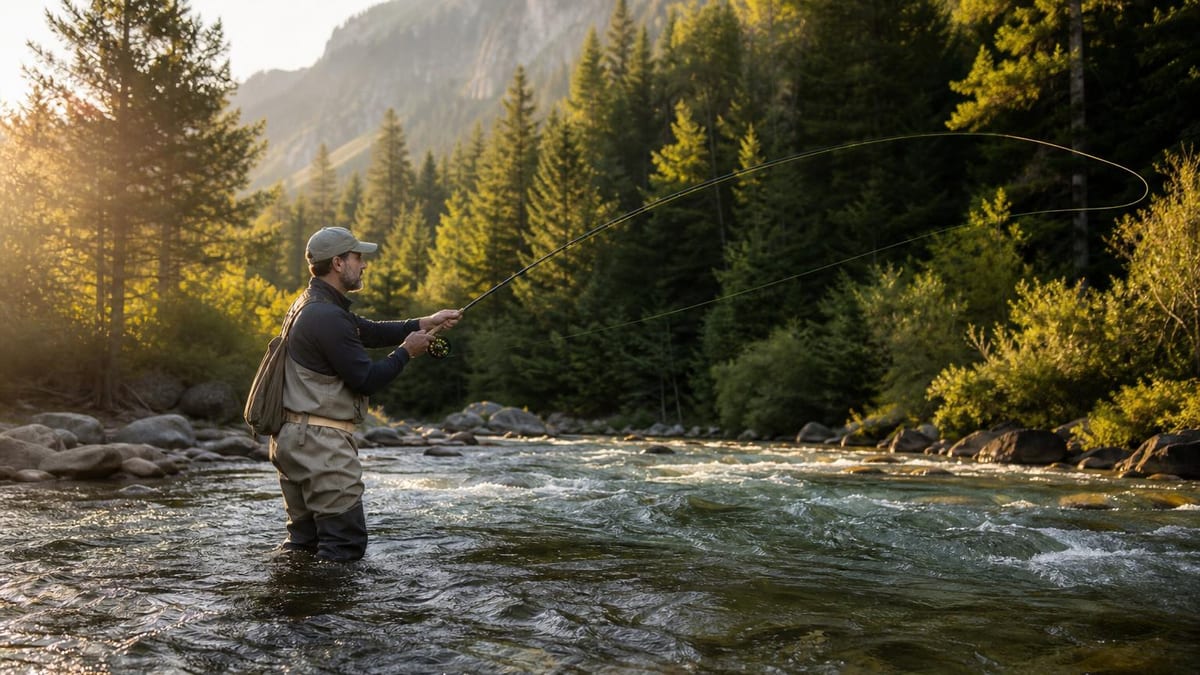
Fly Fishing Basics: What It Is and How to Start
Fly fishing explained by state agencies: why you cast the line instead of the lure, the outfit you actually need, what flies imitate, and where to begin.
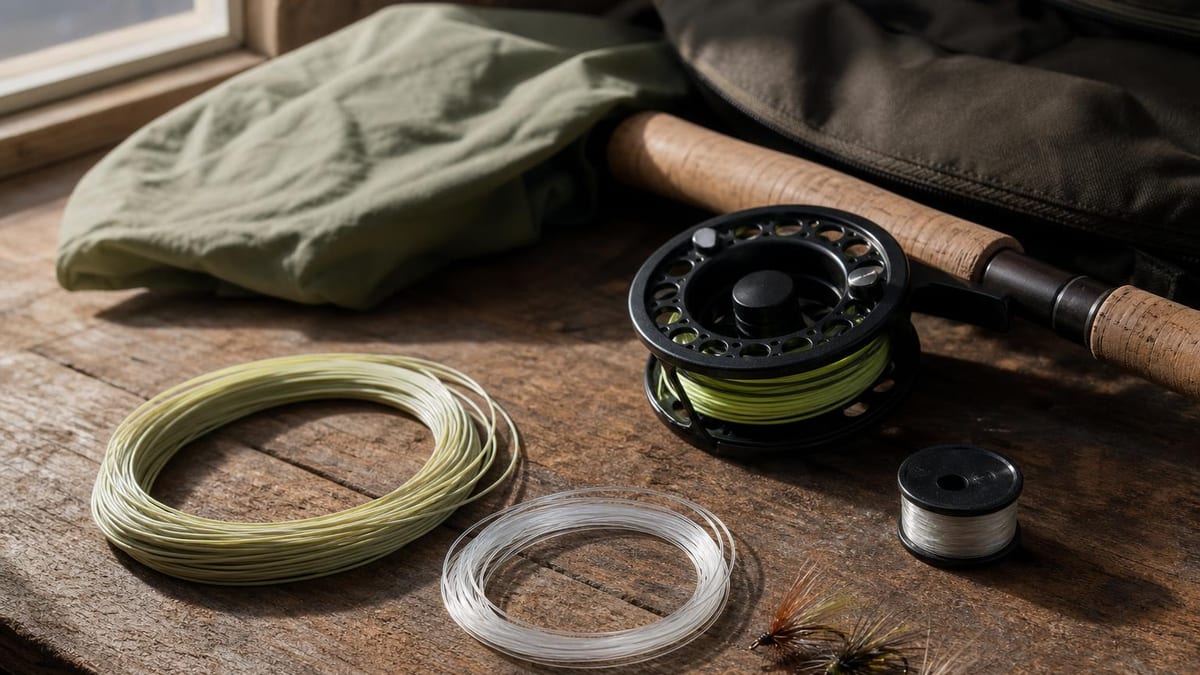
Fly Line, Leader and Tippet: The Setup Explained
Backing, fly line, leader, tippet — what each section does, how line weights match your rod, and the knots that join them. The fly setup, front to back.
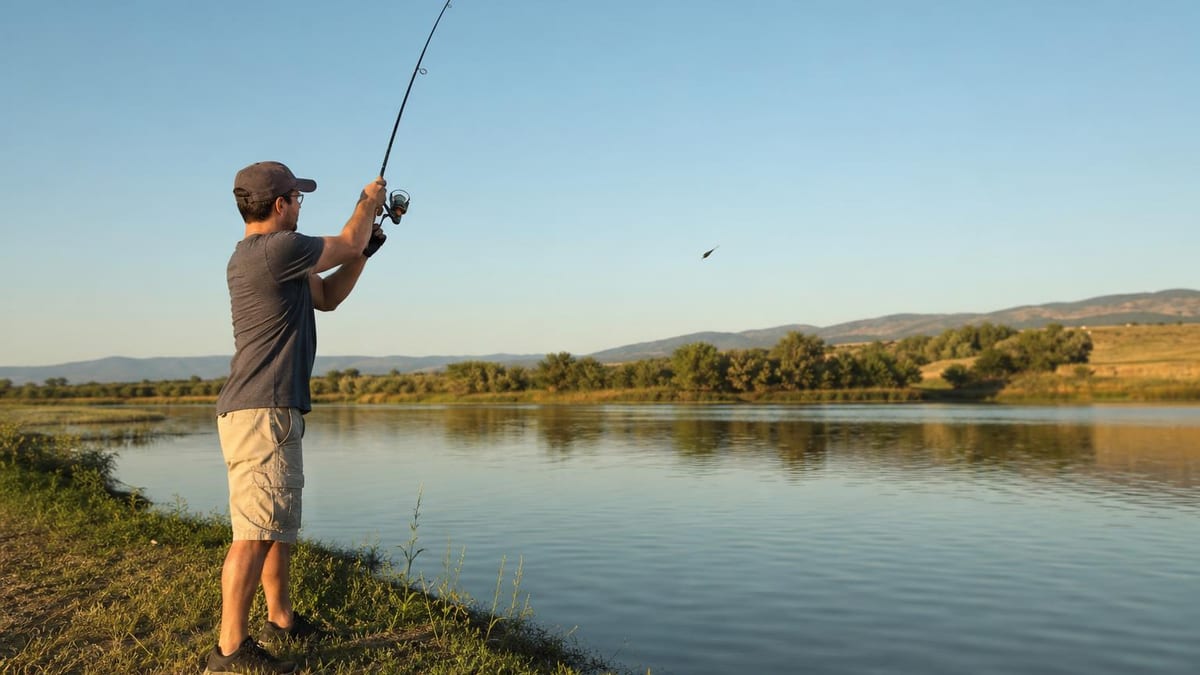
How to Cast a Fishing Rod: The Overhead Cast, Step by Step
Two state agencies teach the same overhead cast and the same three mistakes. The steps for spincast and spinning reels, and how to diagnose a bad cast.
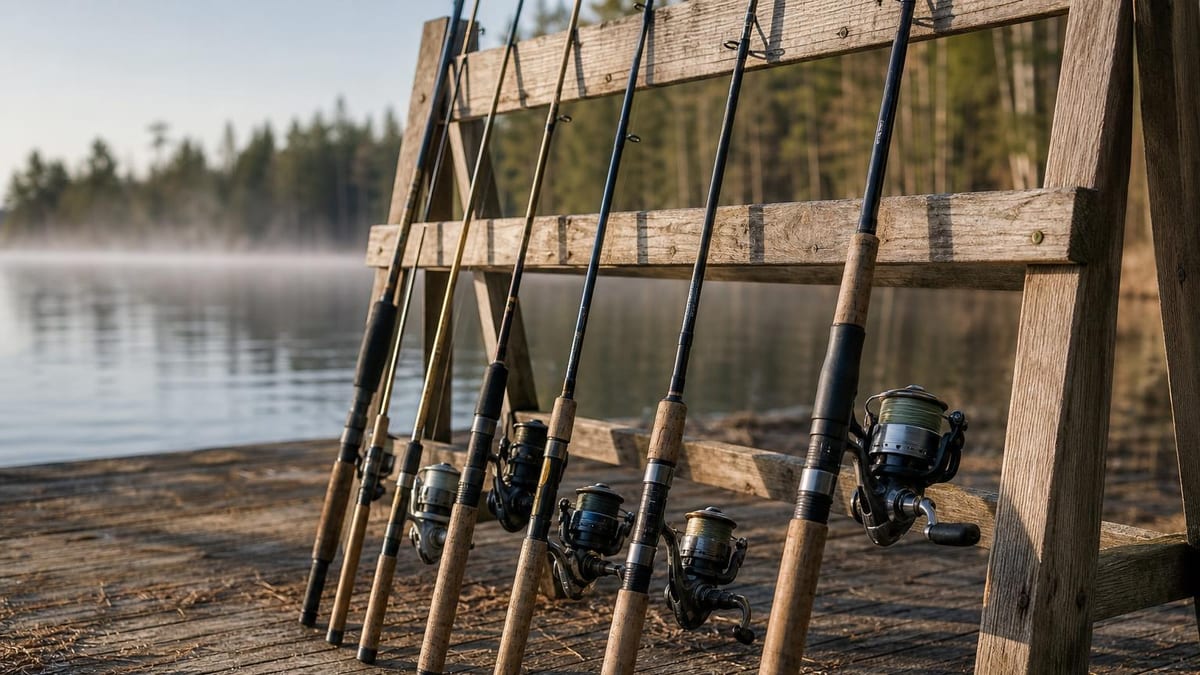
How to Choose a Fishing Rod: Length, Power and Action
Rod length, power, action and material explained with agency guidance — what each spec trades away, and the honest beginner setup agencies recommend.
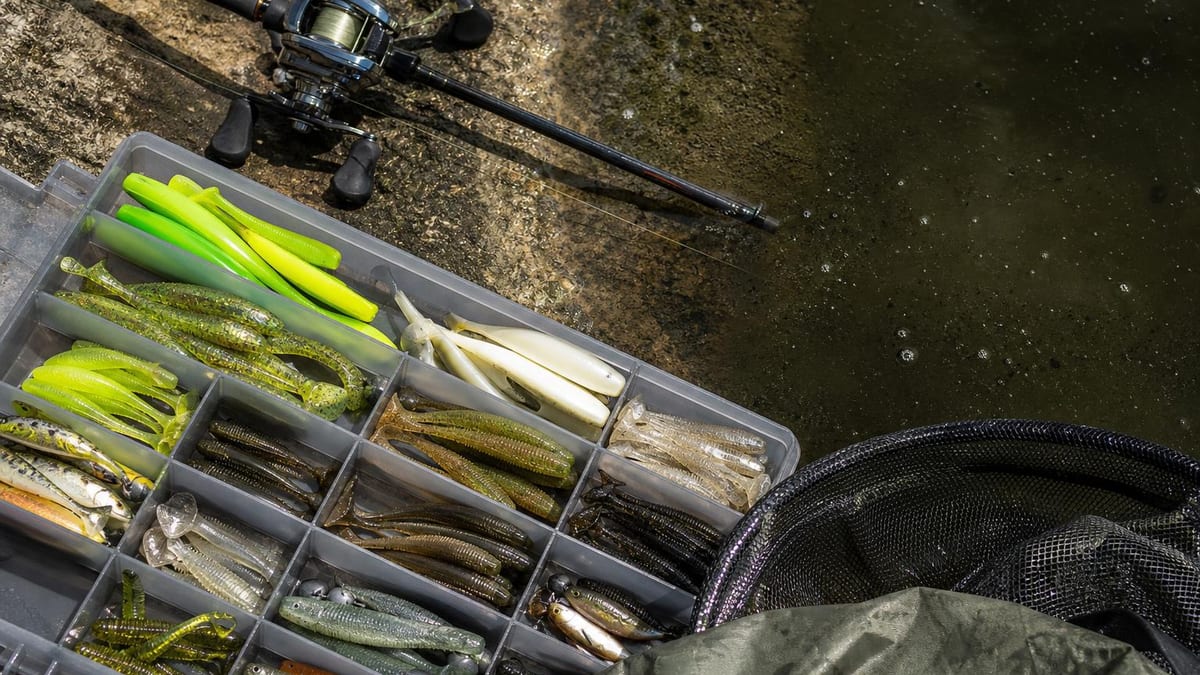
How to Choose Lure Colour
Water absorbs red light first and blue last, so lure colour changes with depth and clarity. How to choose for visibility instead of guessing from folklore.
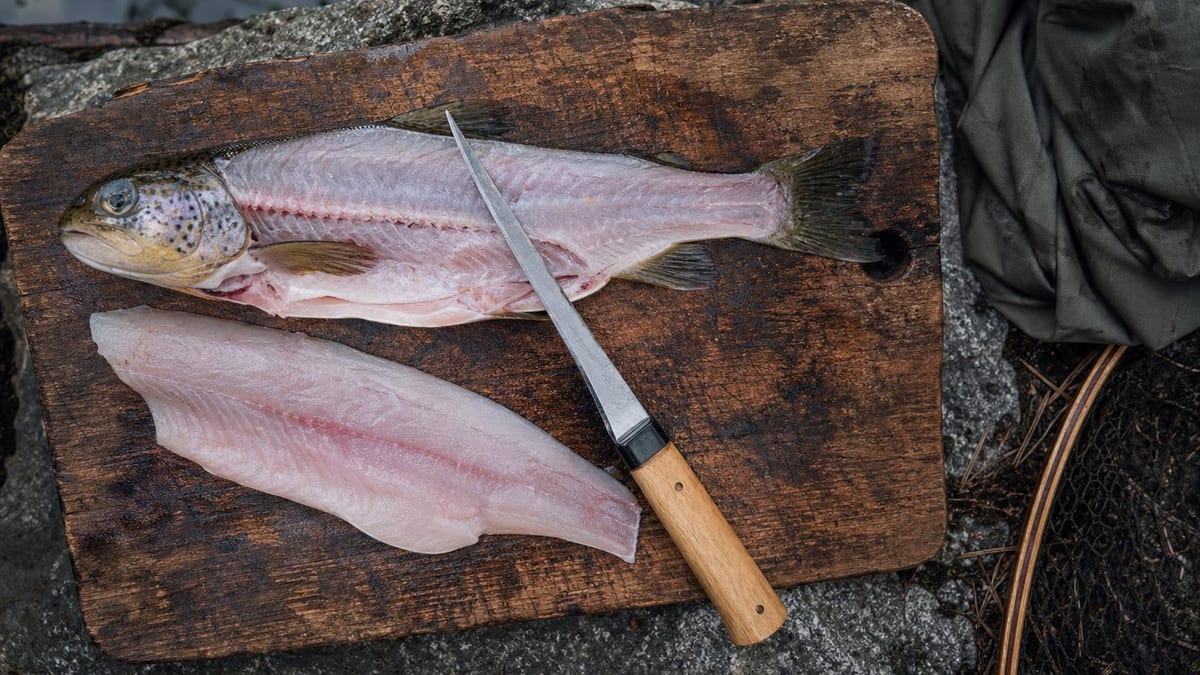
How to Fillet a Fish: The Cuts, and Why Two of Them Matter Twice
Iowa and Missouri agencies publish the same five filleting cuts. EPA's contaminant list explains why the skin and the dark lateral-line flesh come off.
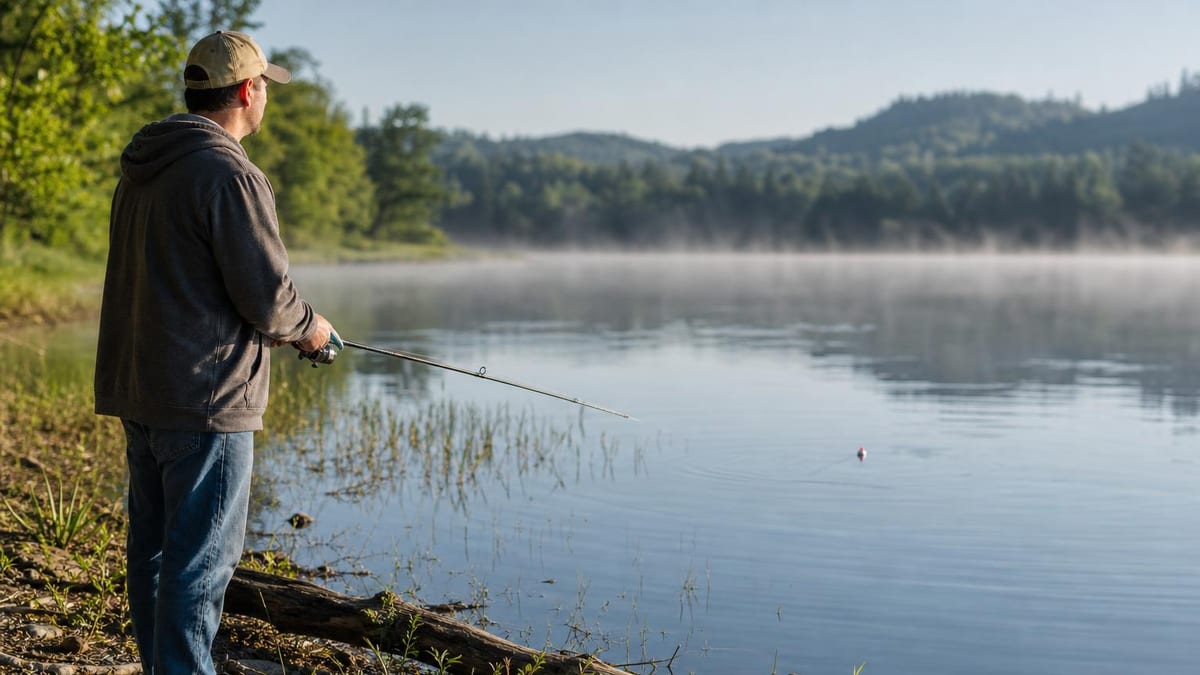
How to Fish for Beginners: What Federal and State Agencies Tell First-Timers
The U.S. Fish and Wildlife Service publishes a first-timer's checklist; state agencies publish the cast and the rig. Here it is in order, nothing added.
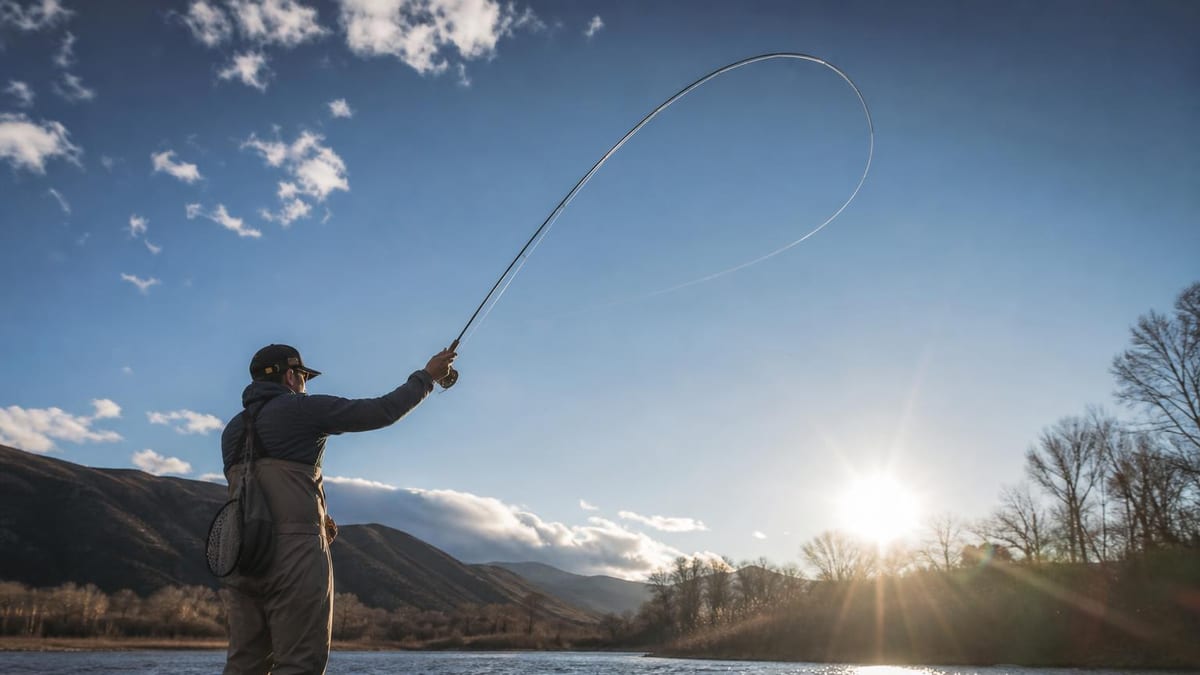
How to Fly Cast: The Basic Overhead Cast
The four-part overhead cast taught by state angler education: pick up, back cast, forward cast, lay down — plus the pause that makes it work.
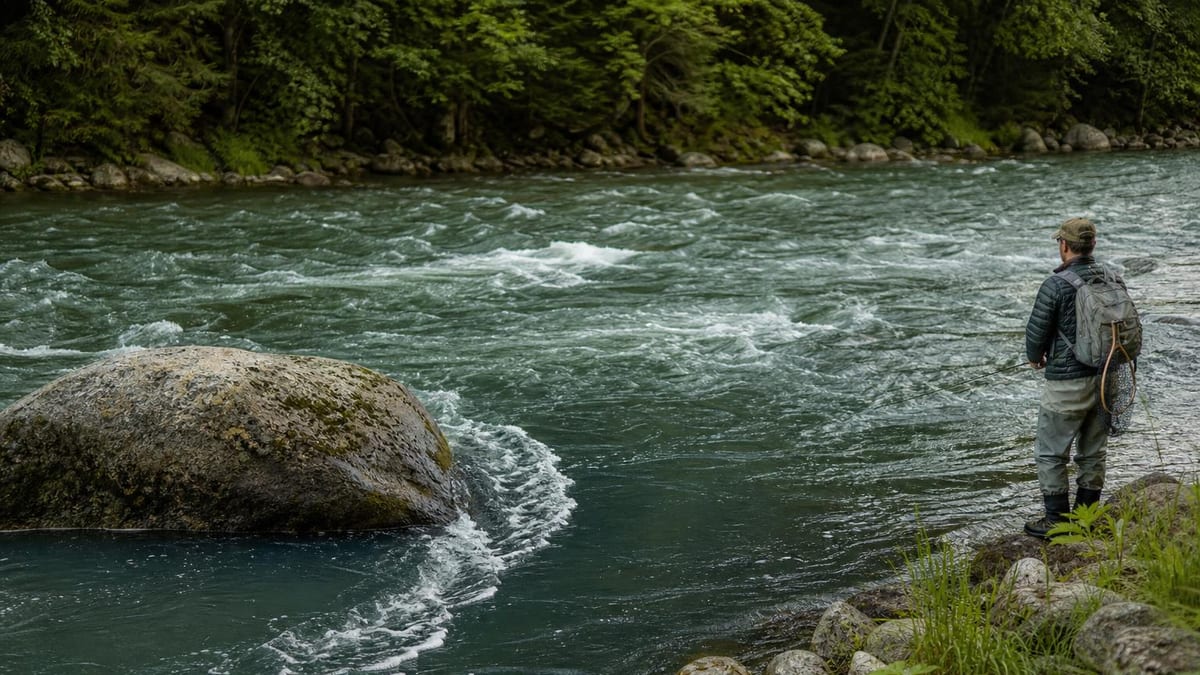
How to Read Water
Riffle, run, pool and glide — what each one is, why fish sit beside fast water rather than in it, and when hiding behind a rock stops paying off.
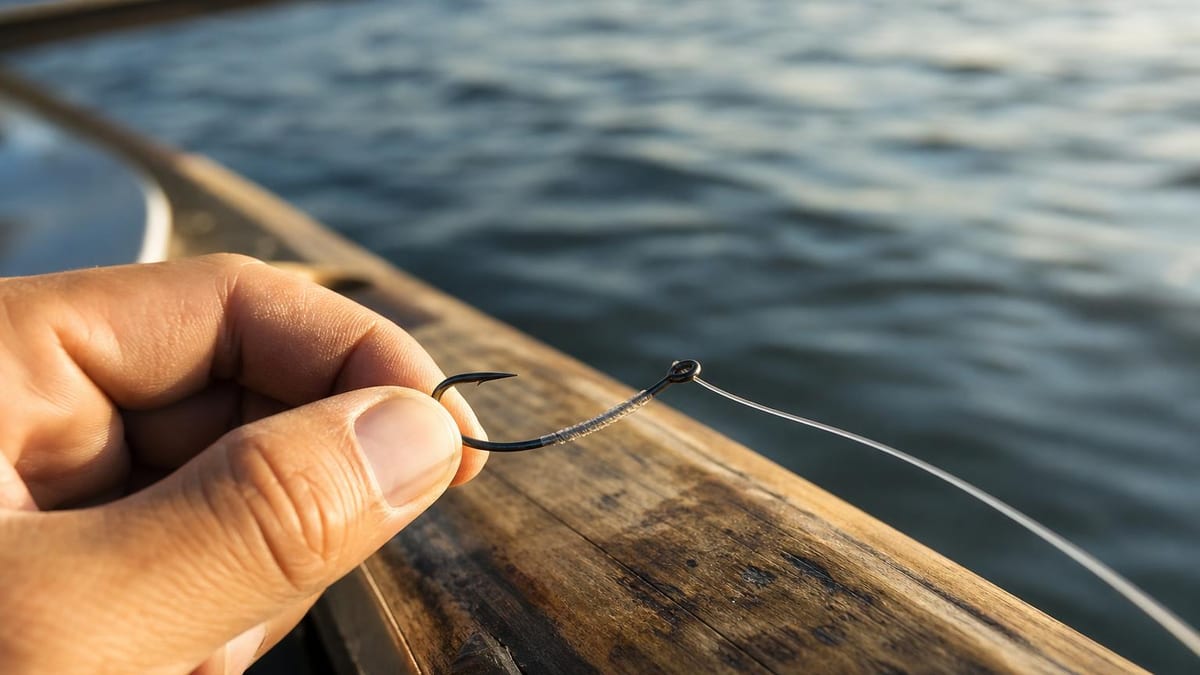
How to Snell a Hook: The Snell Knot
The traditional snell knot in five diagrammed steps — why wrapping the shank instead of the eye changes hooksets, and where snelling shines.
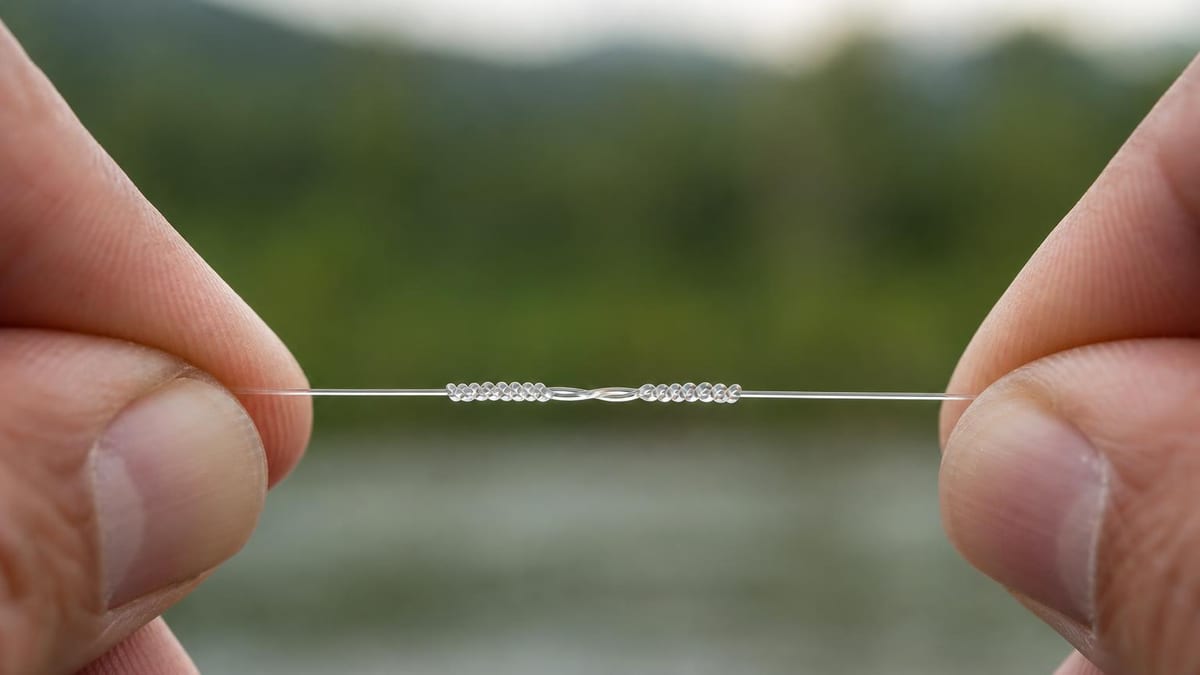
How to Tie a Blood Knot
The blood knot in five diagrammed steps — the classic join for two similar lines, the fly angler's leader knot, and the detail most tiers miss.
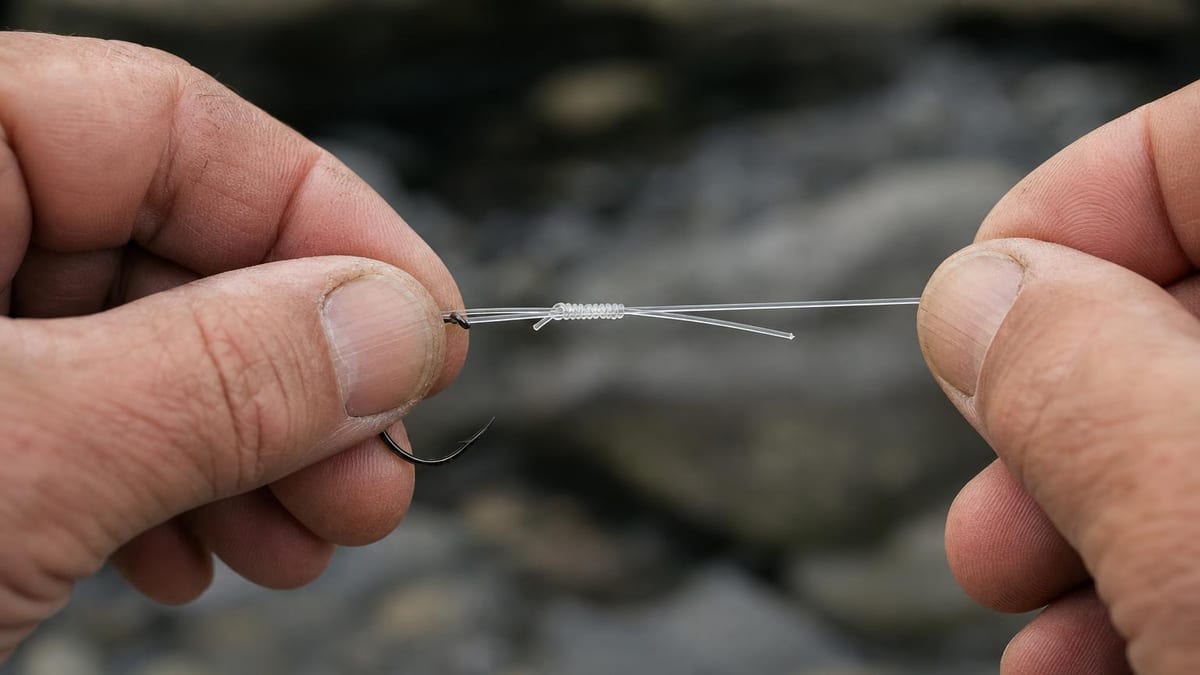
How to Tie a Clinch Knot
The original clinch knot in four diagrammed steps — how it differs from the improved version, where it still makes sense, and its known limits.
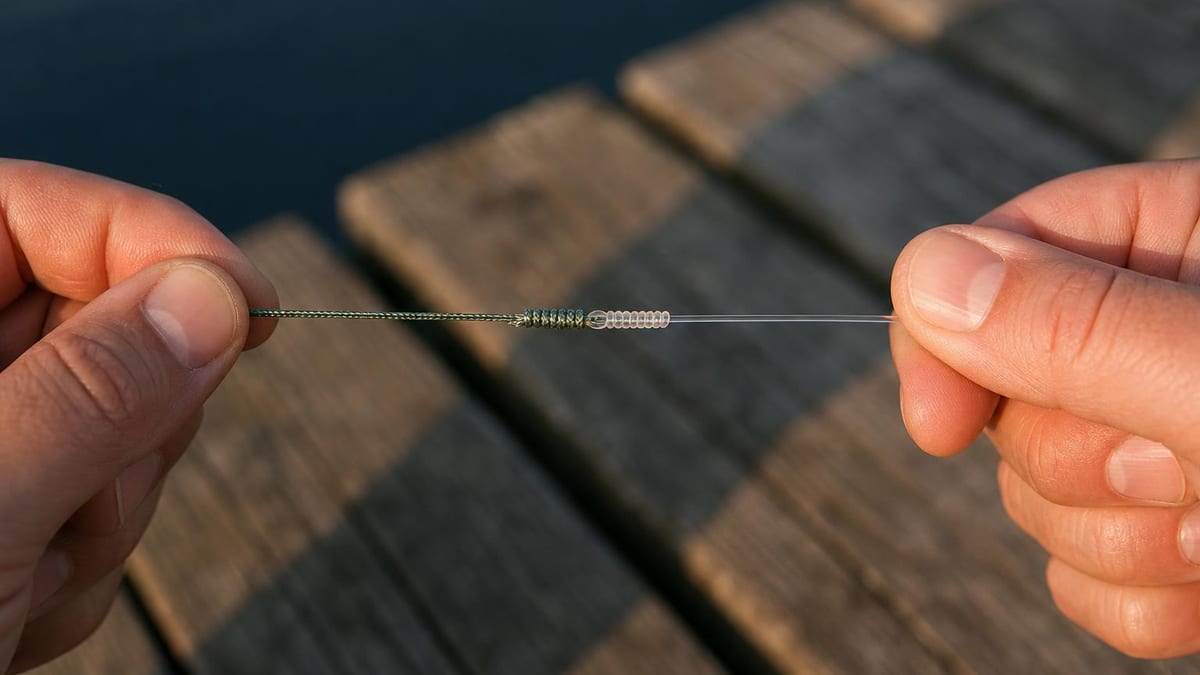
How to Tie a Double Uni Knot
The double uni knot in five diagrammed steps — the standard way to join braid to leader or any two lines, with the wrap counts that make it work.
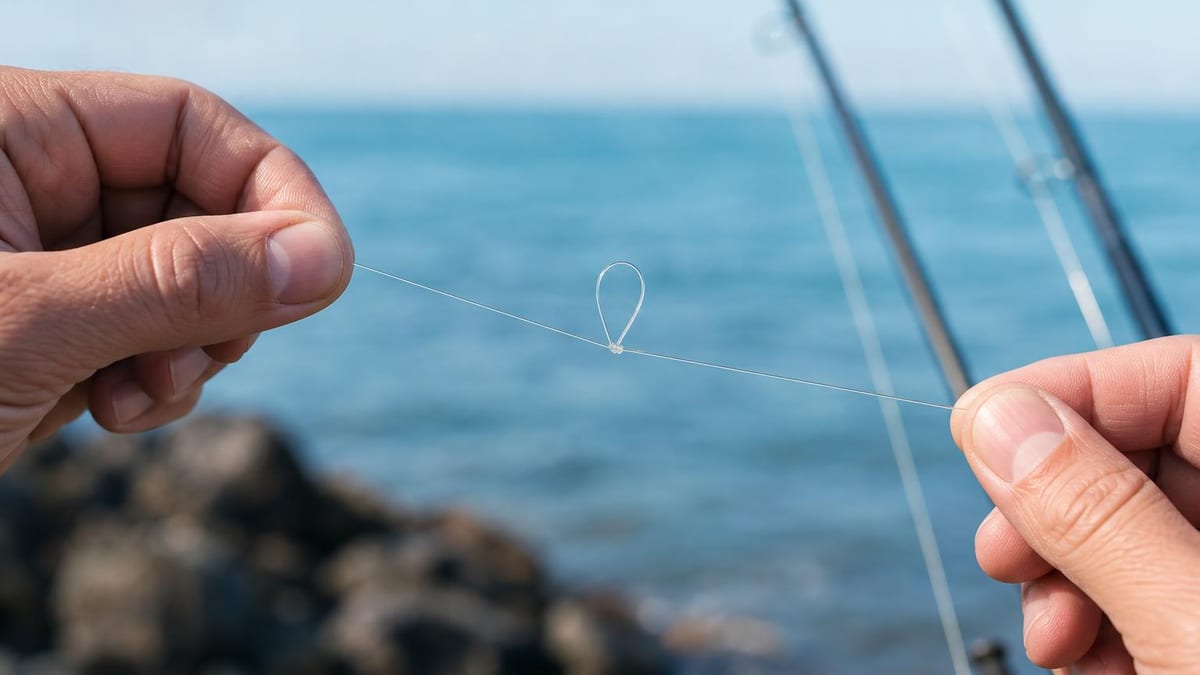
How to Tie a Dropper Loop
The dropper loop in four diagrammed steps — a standing loop mid-line for multi-hook rigs, plus the twist count and the pull that forms it correctly.
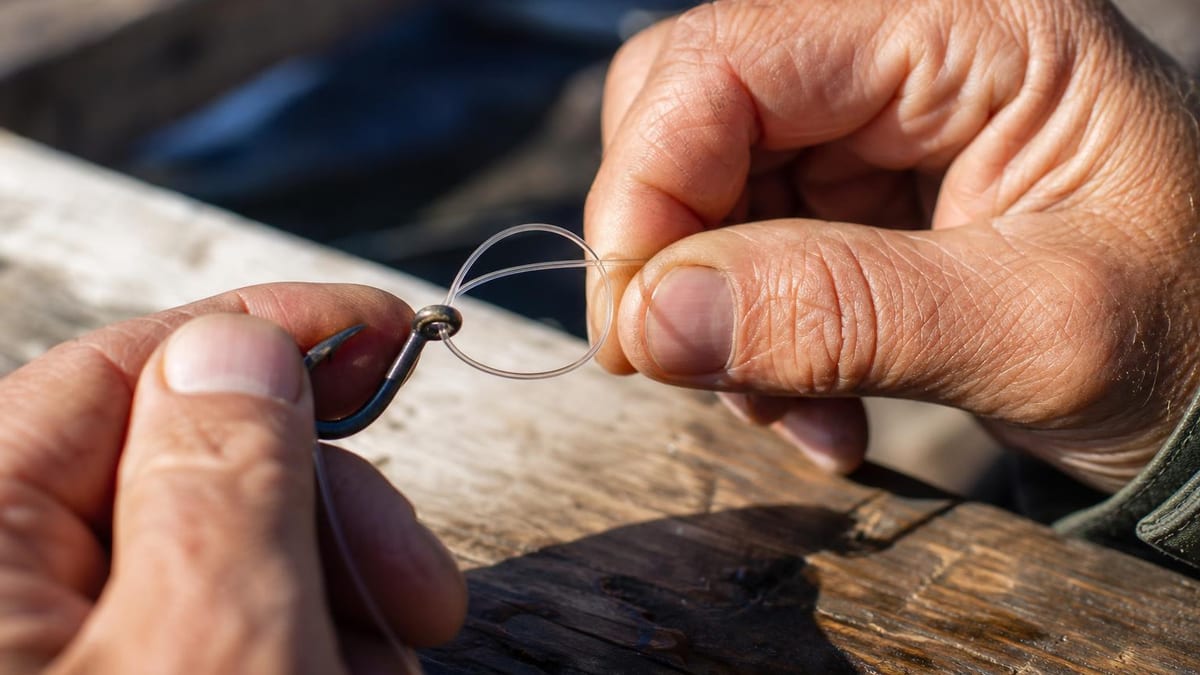
How to Tie a Palomar Knot
The Palomar knot in four steps, why it suits braided line, the three mistakes that weaken it, and when a different knot is the better choice.
How to Tie a Surgeon's Knot
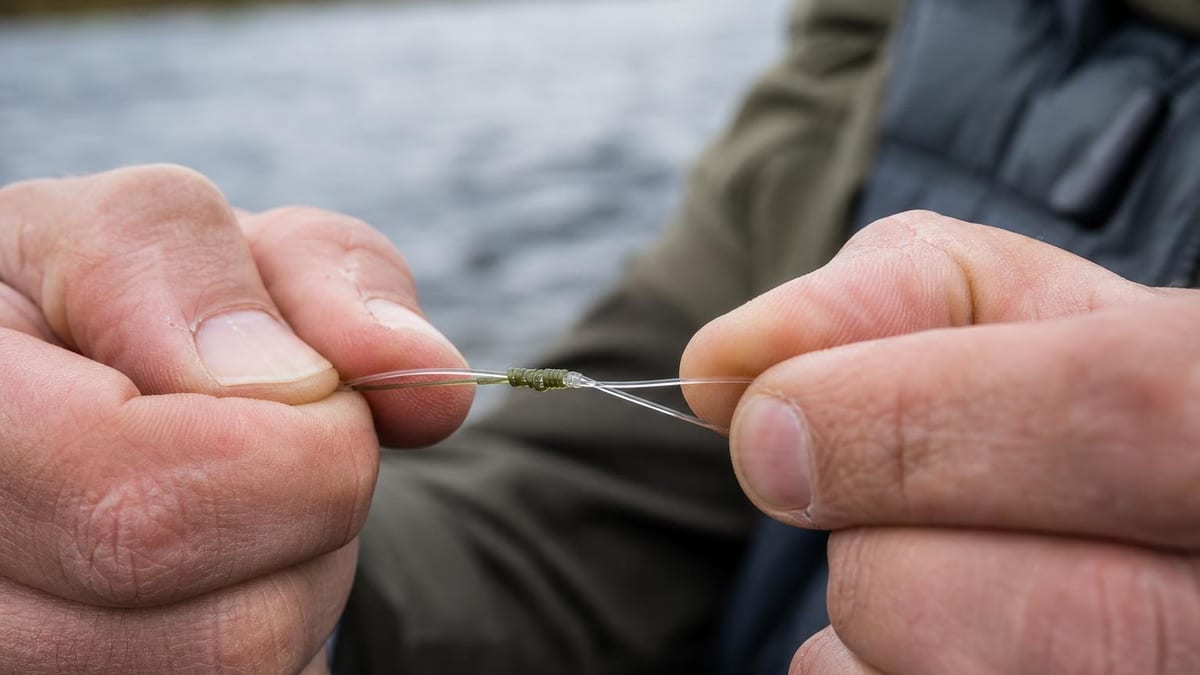
The surgeon's knot in five diagrammed steps — the fastest reliable way to join two lines, and the join that forgives different diameters.
How to Tie a Uni Knot
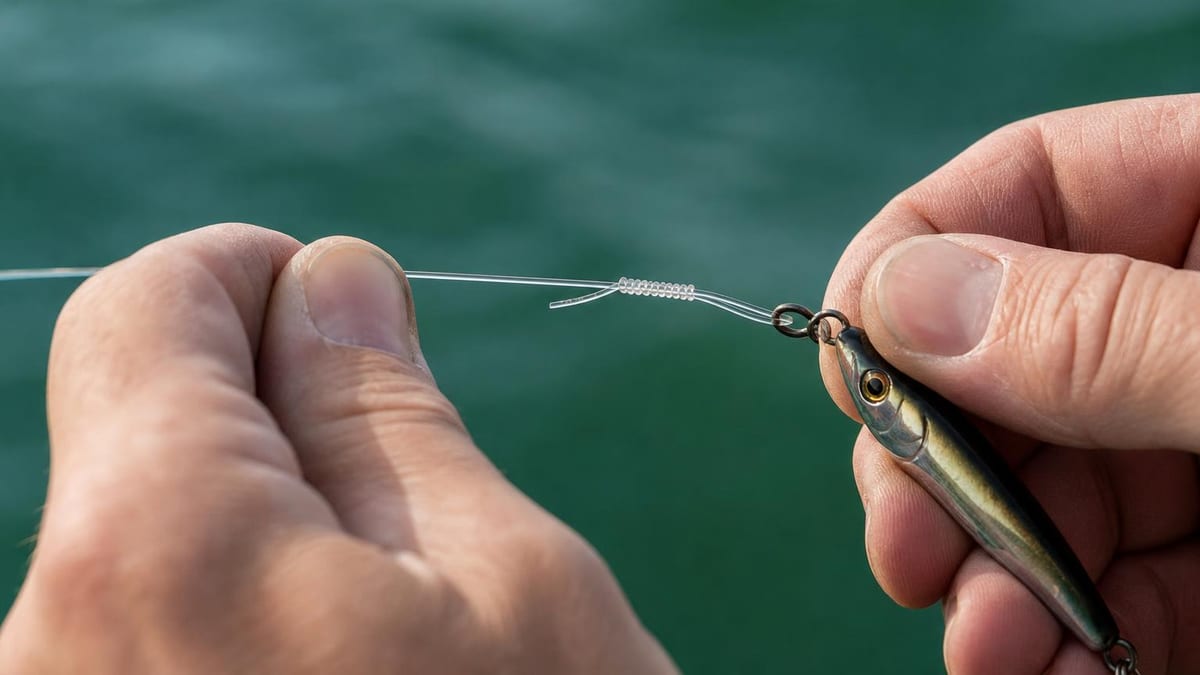
The uni knot in five diagrammed steps — one tying motion that handles hooks, lures, line joins and the reel spool, and why it earns the name 'uni'.
How to Tie an Arbor Knot
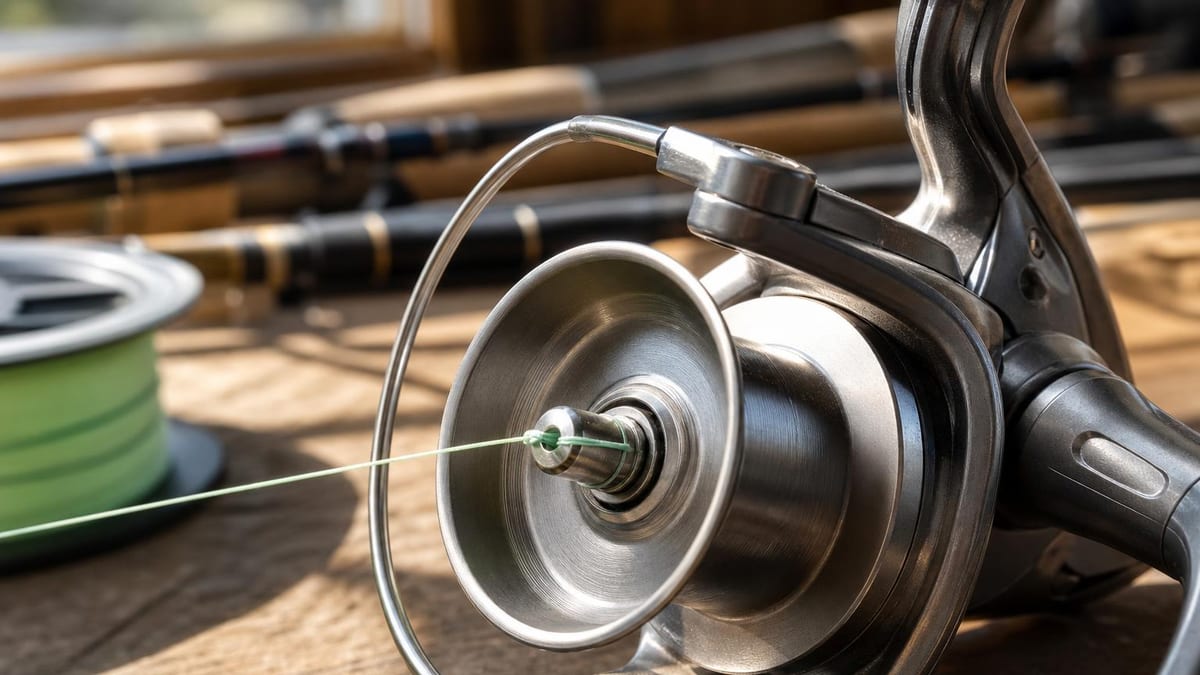
The arbor knot in four diagrammed steps — the right way to start line on any reel spool, why it works, and the braid caveat worth knowing.
How to Tie an FG Knot
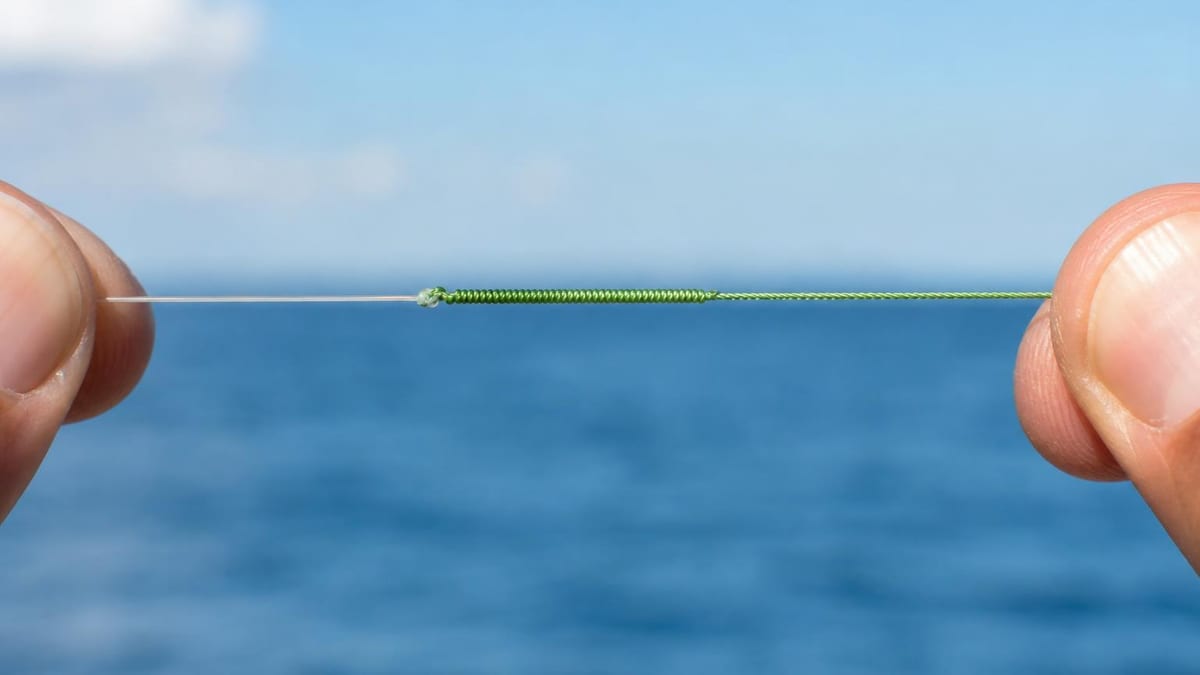
The FG knot in five diagrammed steps — the slim braid-to-leader weave, why tension is everything, and when its extra effort actually pays.
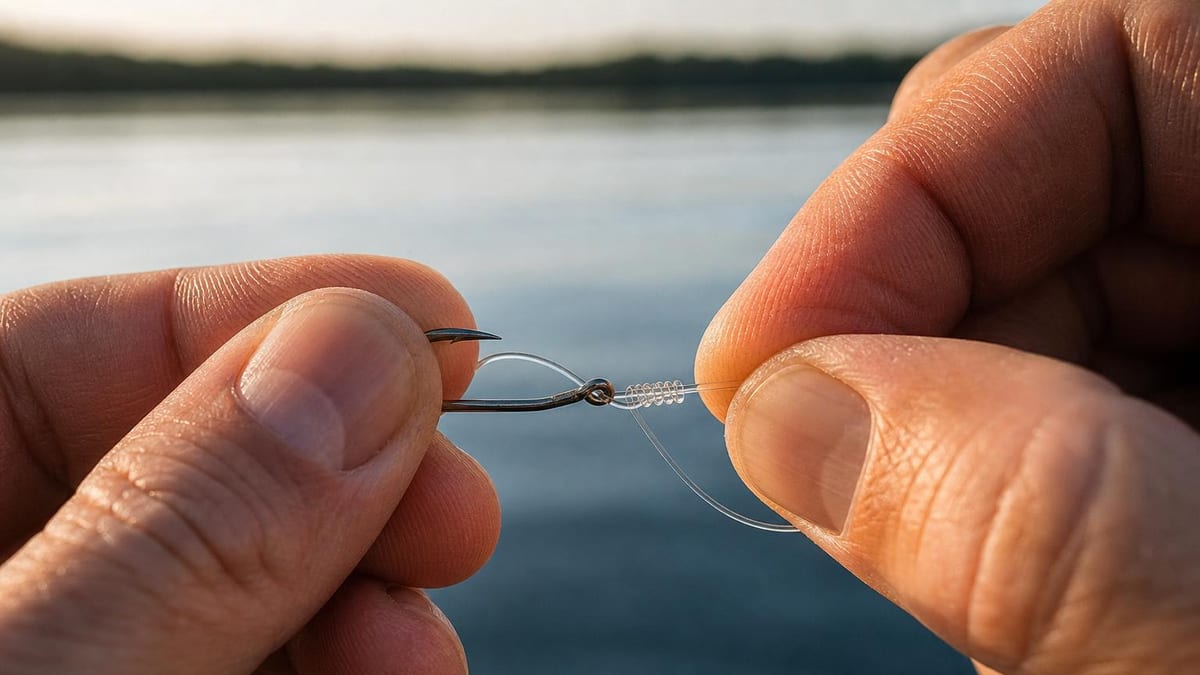
How to Tie an Improved Clinch Knot
The improved clinch knot in five diagrammed steps: the wraps, the two passes, the extra tuck that makes it 'improved', and the mistakes that cost fish.
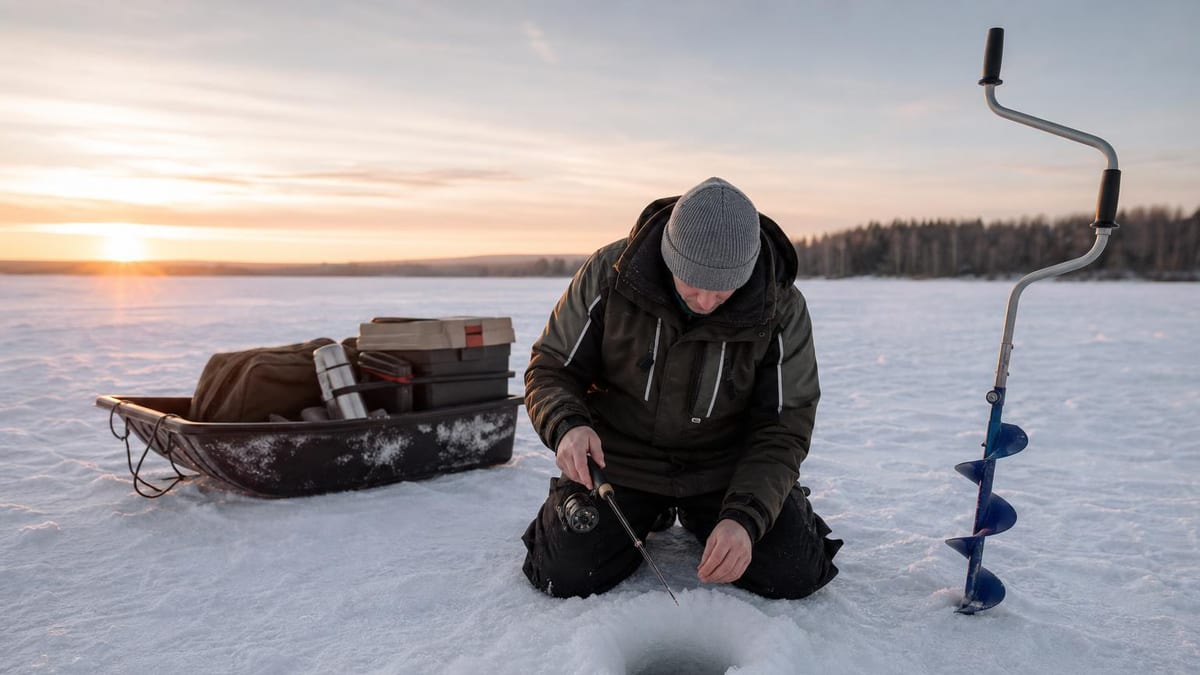
Ice Fishing Basics: How Thick Does the Ice Need to Be?
State agencies publish minimum ice thickness guidelines — and say plainly that no ice is ever 100% safe. What the numbers are and what they assume.
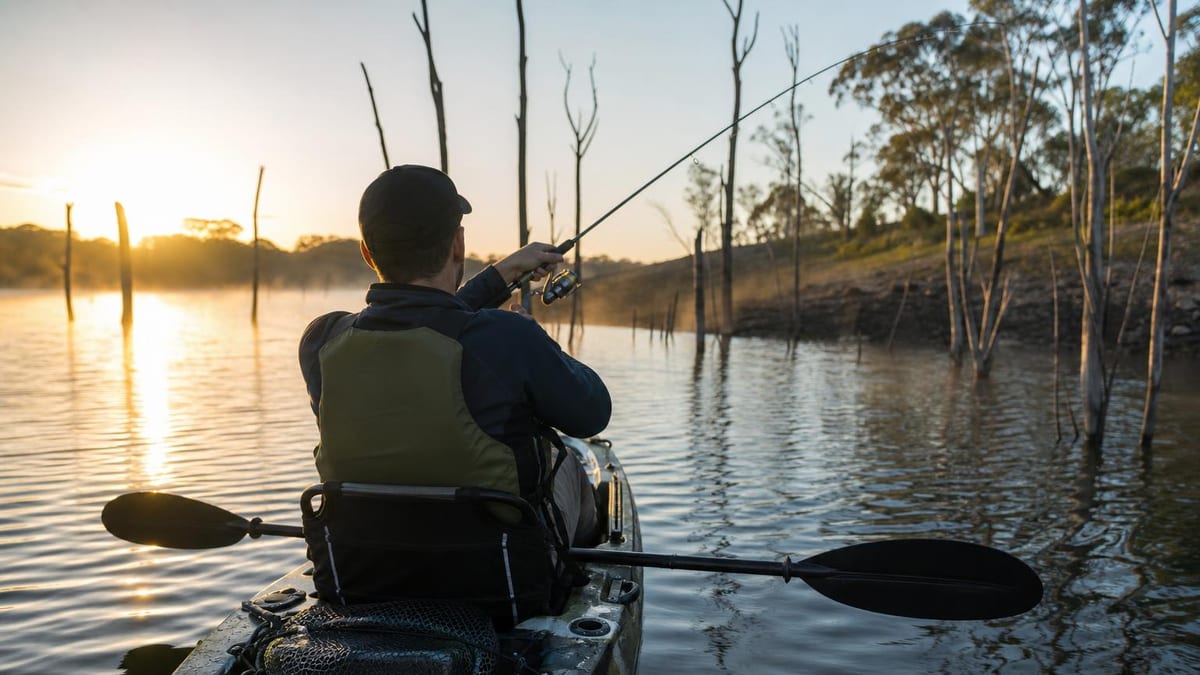
Kayak Fishing Basics: What the Boat Changes, and What the Rules Require
Iowa's DNR publishes the kayak-fishing method; the Coast Guard and the Weather Service publish the parts that keep you alive. Both, with nothing invented.
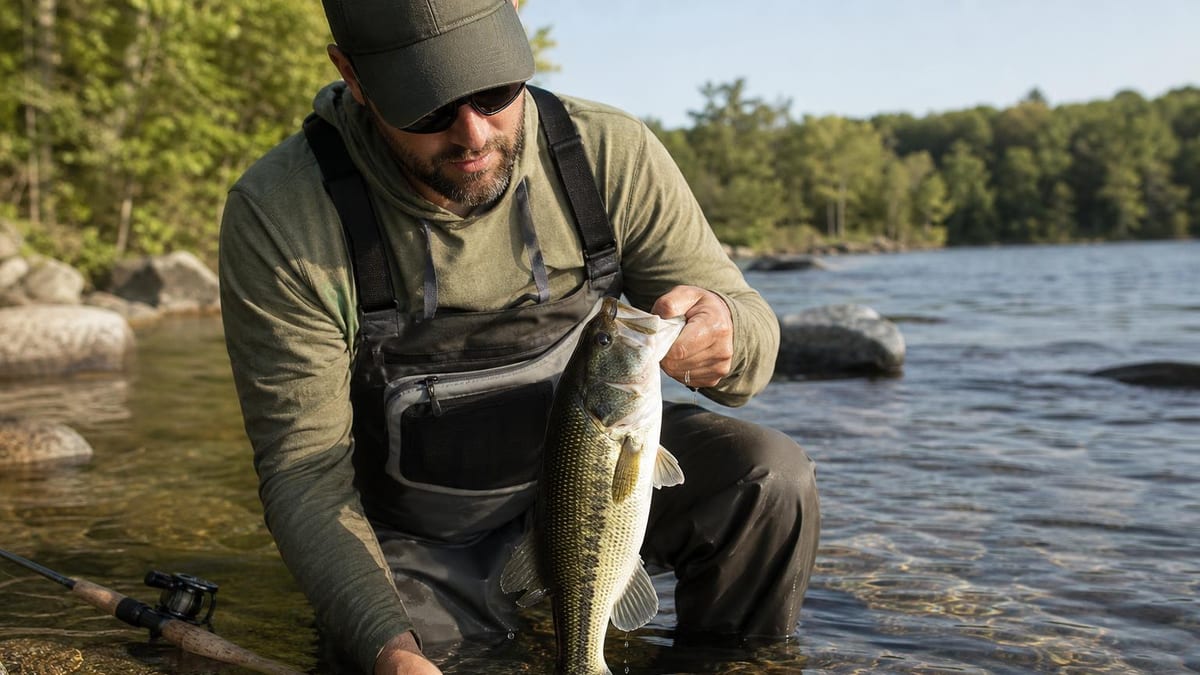
Largemouth vs Smallmouth Bass
Jaw against the eye, dorsal notch, direction of the markings — the three agency-worded checks that separate largemouth from smallmouth every time.
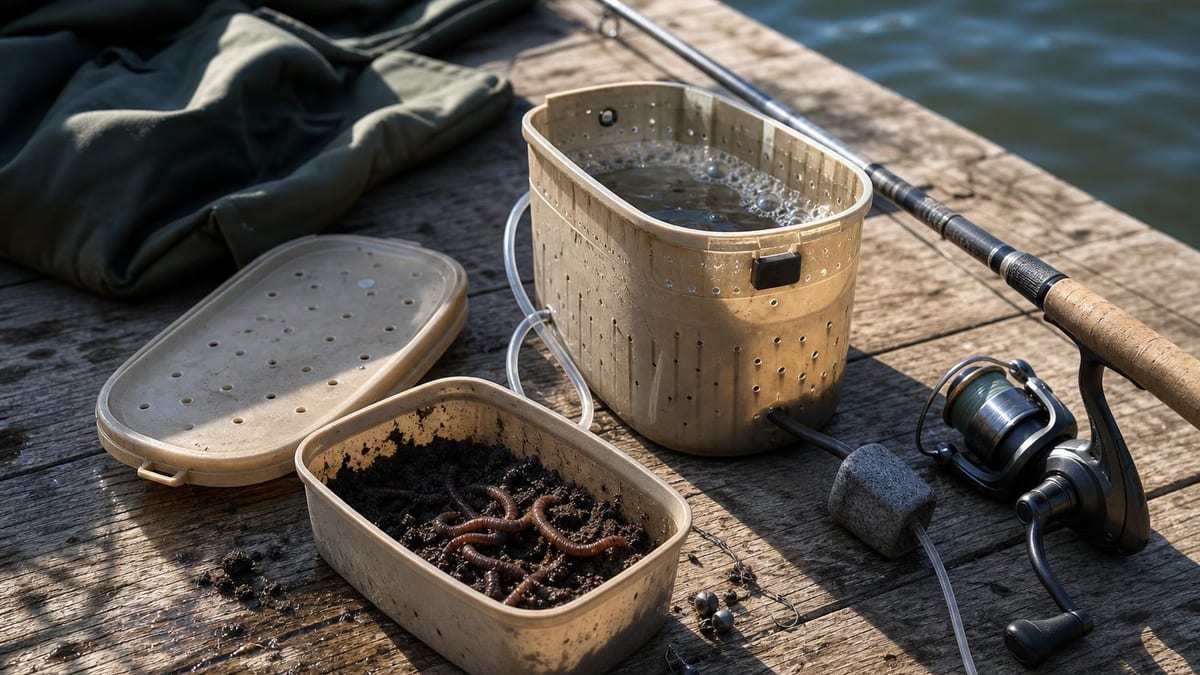
Live Bait for Fishing: What Each Bait Catches, and the One Rule About Leftovers
Texas Parks and Wildlife says which bait suits which fish and how to hook it. The U.S. Fish and Wildlife Service says why you never pour the bucket back.
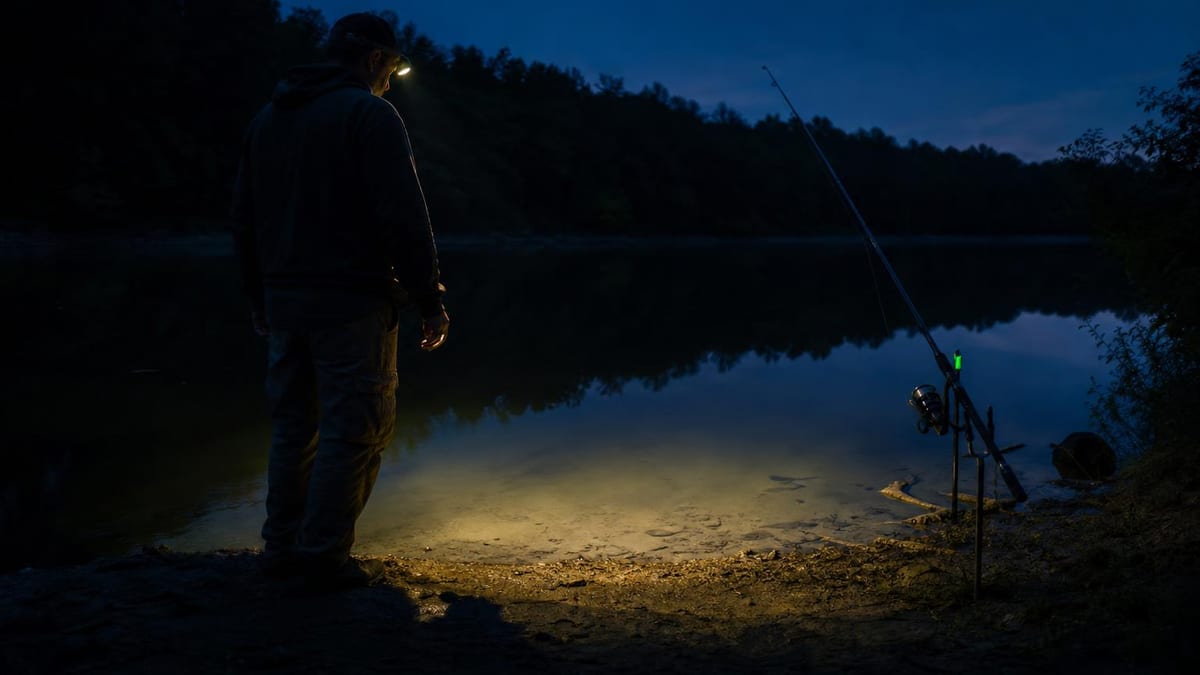
Night Fishing: Why It Works, and What Changes After Dark
Some of the best-known gamefish are described by state agencies as nocturnal. What that means for where they move at night, and what the rules require of you.
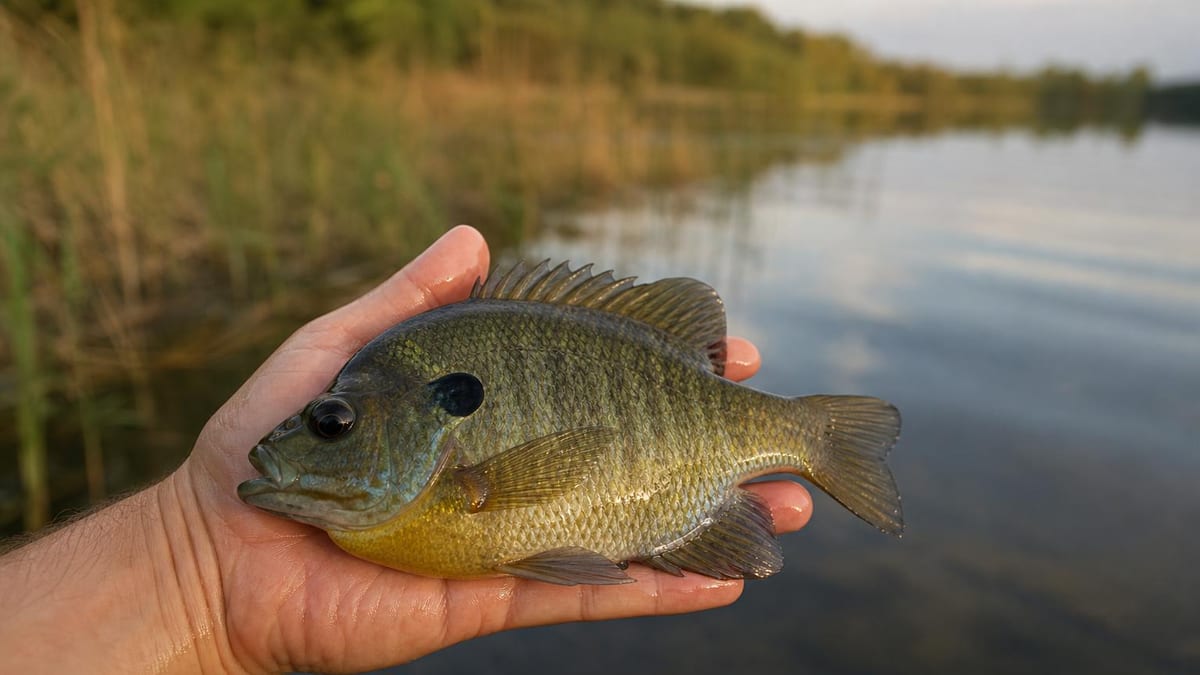
Panfish: What Counts, and Why They Matter More Than You Think
Panfish is an angler's word, not a biologist's — Wisconsin's legal list has 8 species, New Jersey counts three groups. Who qualifies and why they matter.
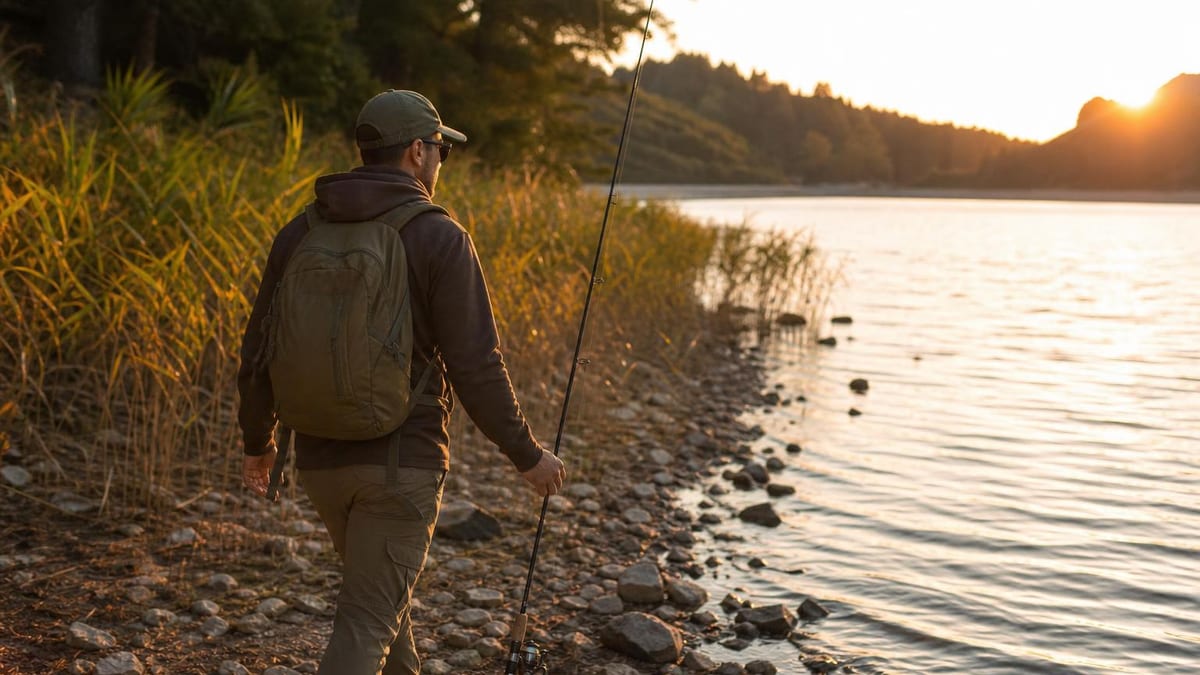
Shore Fishing for Beginners
Everything a first-time shore angler needs: the licence question, where to stand, what to cast at, and the simple setup that catches fish from the bank.
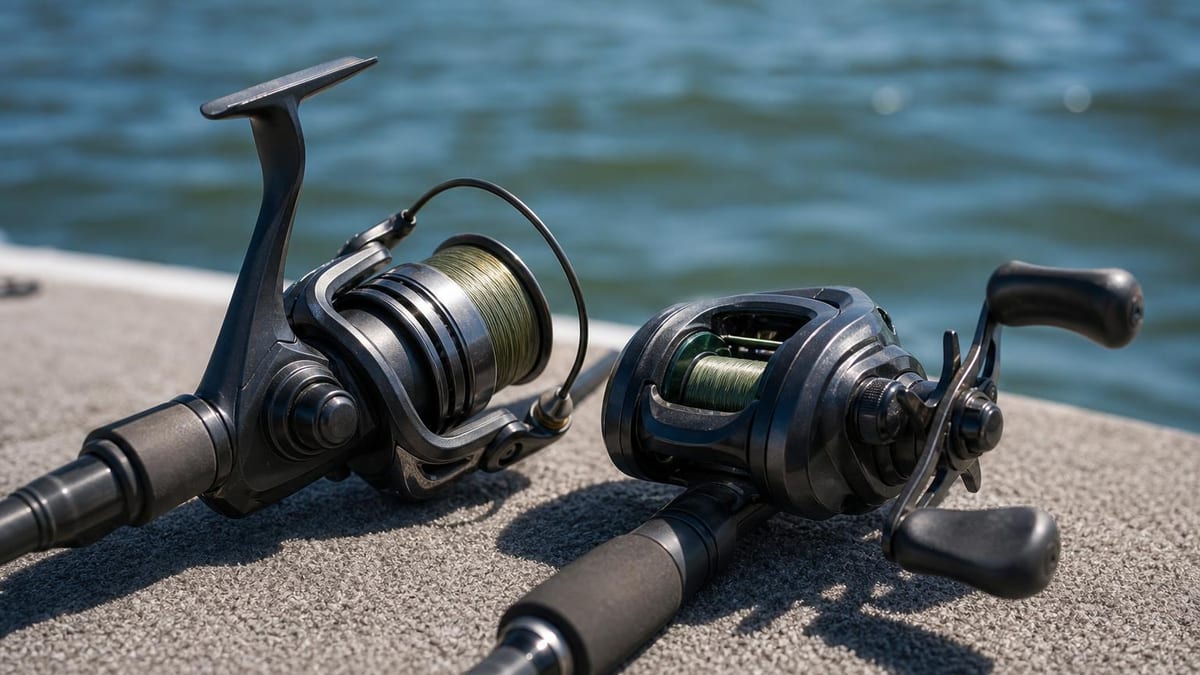
Spinning vs Baitcasting Reels: Which One and When
How spinning and baitcasting reels actually work — fixed spool vs revolving spool, backlash, drag and line weights — with agency guidance on choosing.
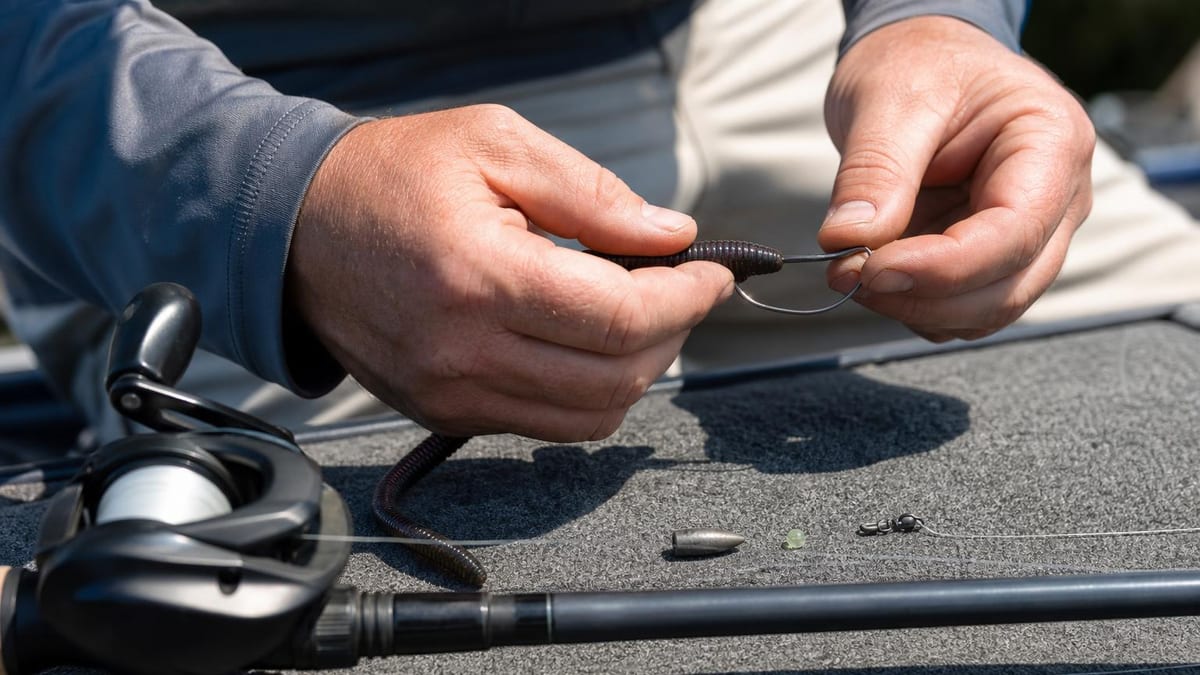
Texas Rig vs Carolina Rig
Same hook, same bait — the weight placement is the whole difference. When to fish each rig, how to set the hook, and why the weight material matters.
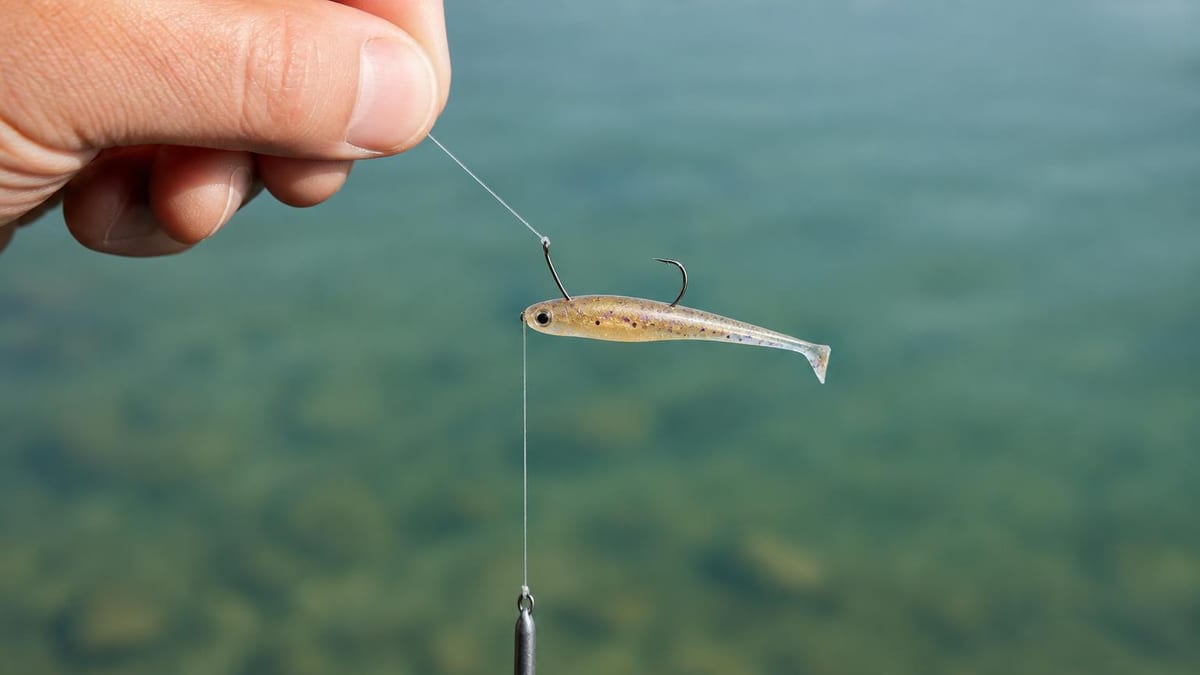
The Drop Shot Rig: Finesse Fishing Off the Bottom
The drop shot rig explained — hook above the weight, bait suspended off bottom, and the clear-water, deep-water and pressured-lake situations it was made for.
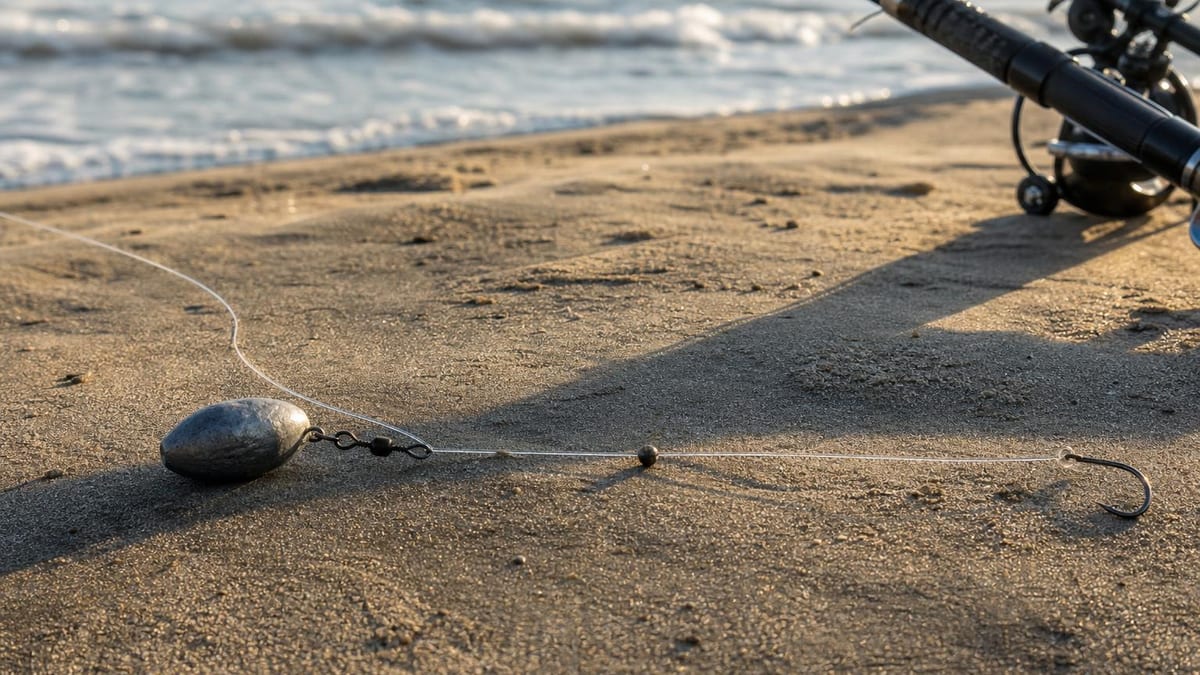
The Fish Finder Rig: Sliding Sinker Bottom Fishing
How to build the fish finder rig — sliding sinker, bead, swivel, leader — why fish never feel the weight, and how to pair it with circle hooks.
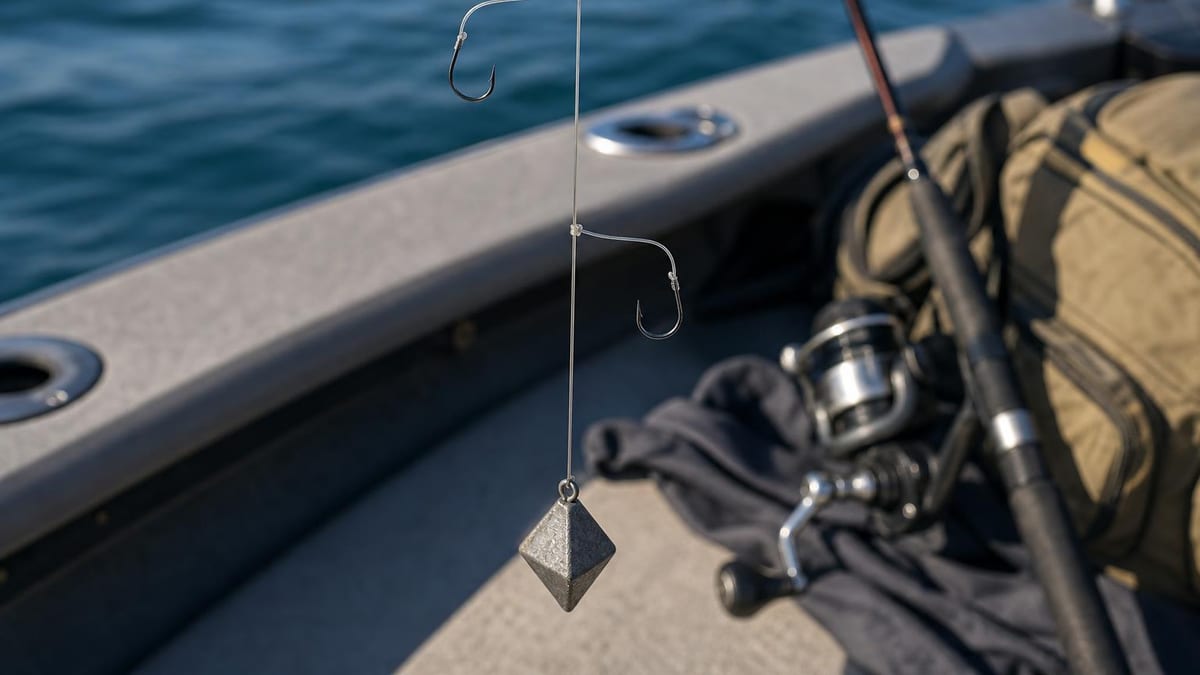
The High-Low Rig: Two Hooks, One Bottom Rig
The high-low (double dropper loop) rig explained — how to build it, why two baits beat one on the bottom, and the hook-limit rules that vary by state.
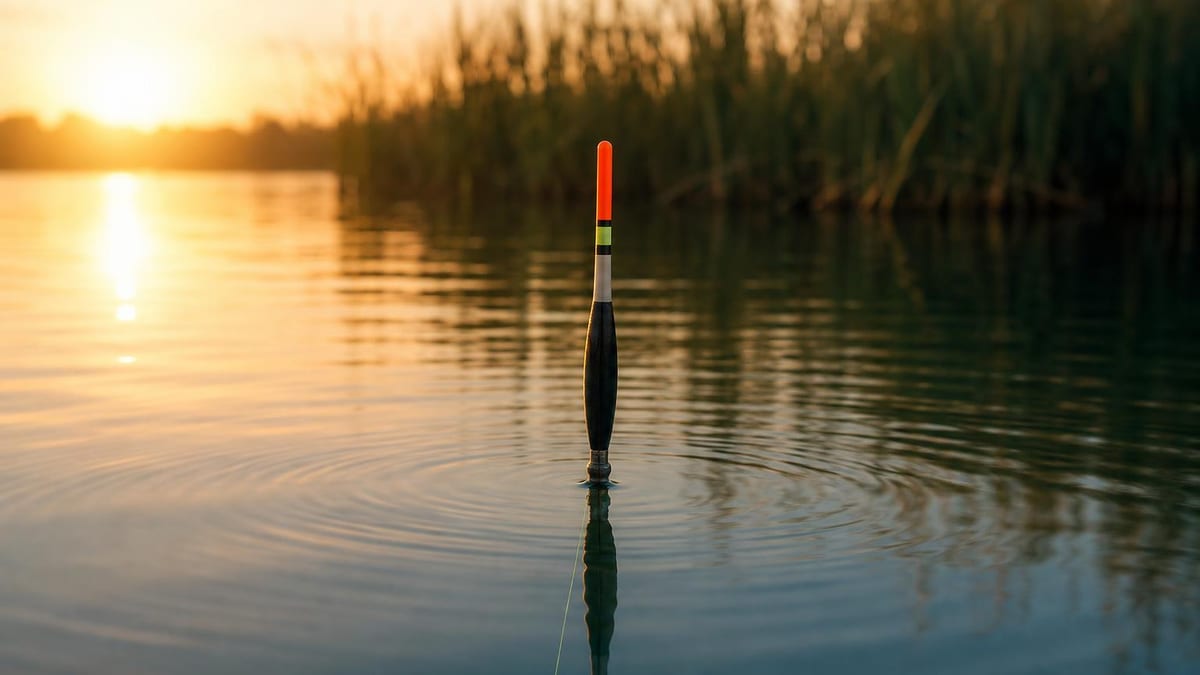
The Slip Float Rig: Bobber Fishing at Any Depth
How the slip float rig works — bobber stop, bead, sliding float, weight, hook — why it beats a fixed bobber, and the small-float rule agencies keep repeating.
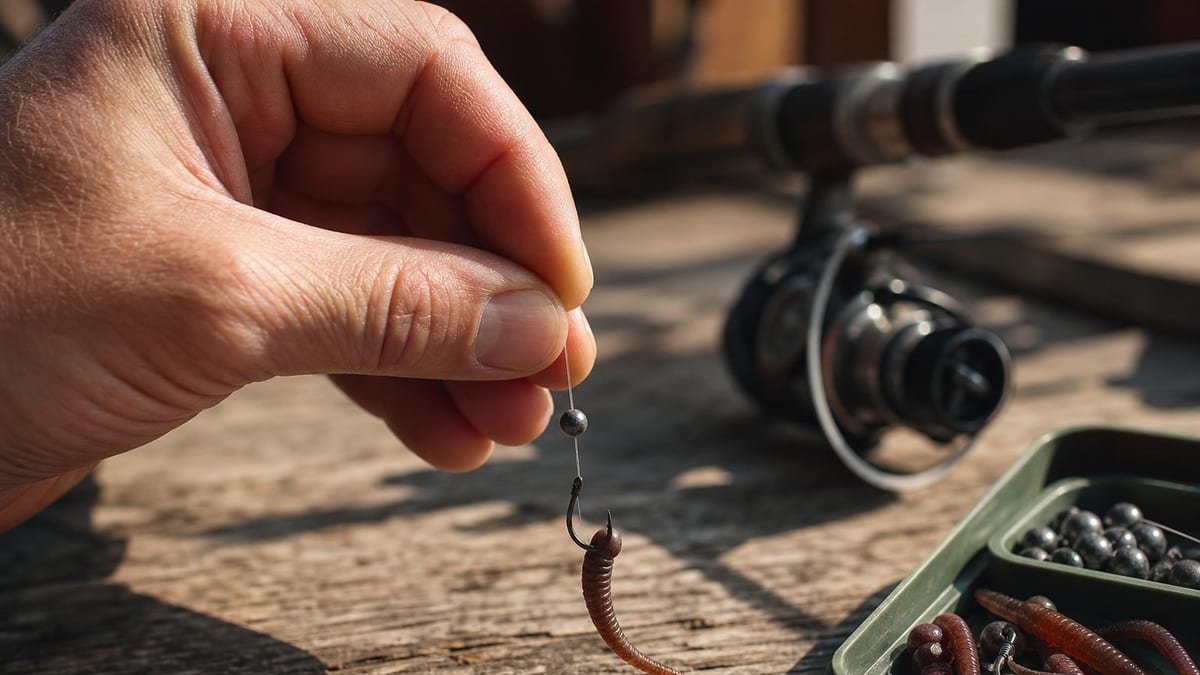
The Split Shot Rig: The Simplest Rig That Works
Pinch one shot above a hook and you have a rig. How far above, how much weight, why the slow fall catches fish — and the wacky rig it leads into.
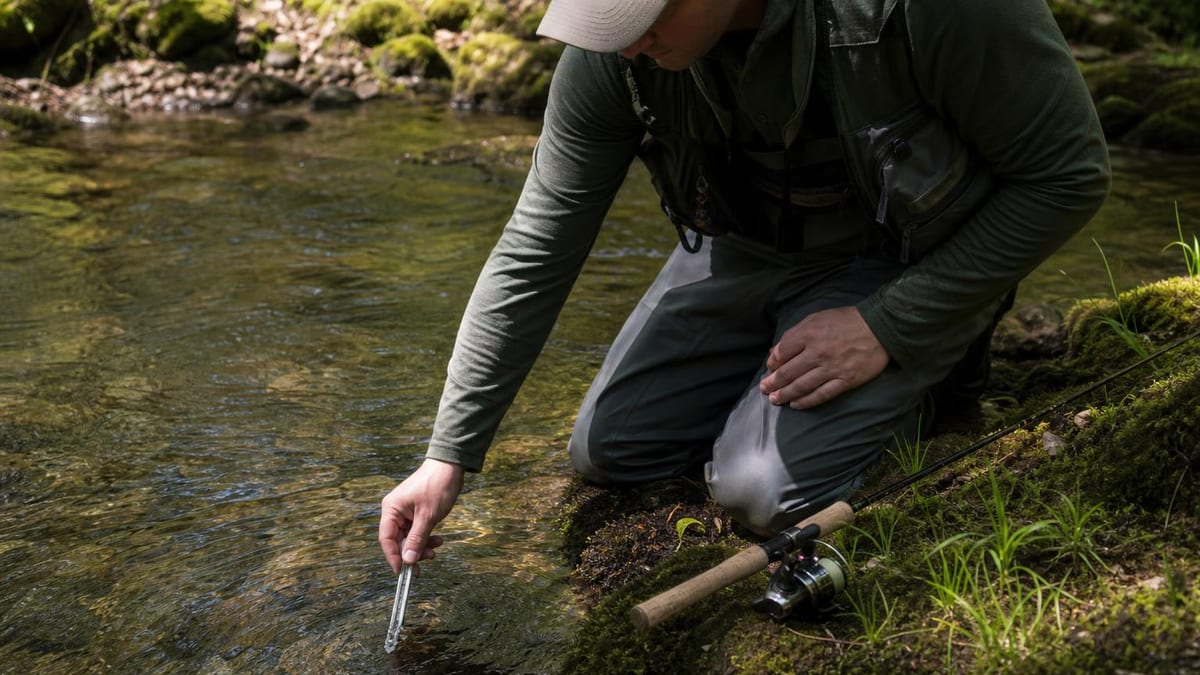
Trout Fishing for Beginners: Water Temperature First
A thermometer teaches more than a tackle box. Where trout can survive, when to stop fishing for them, and the light rigs that work on stocked water.
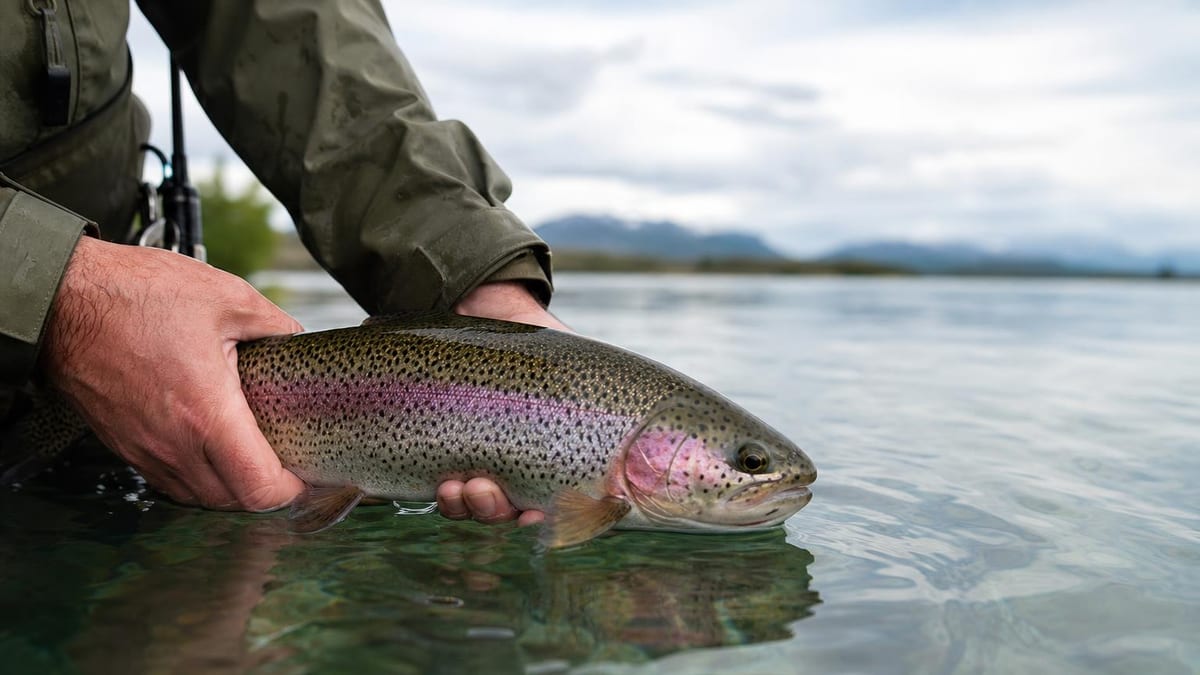
Trout vs Salmon: Same Family, Very Different Lives
Trout, salmon and char all share one family — the real split is life history. Why Pacific salmon die after spawning, steelhead don't, and where char fit in.
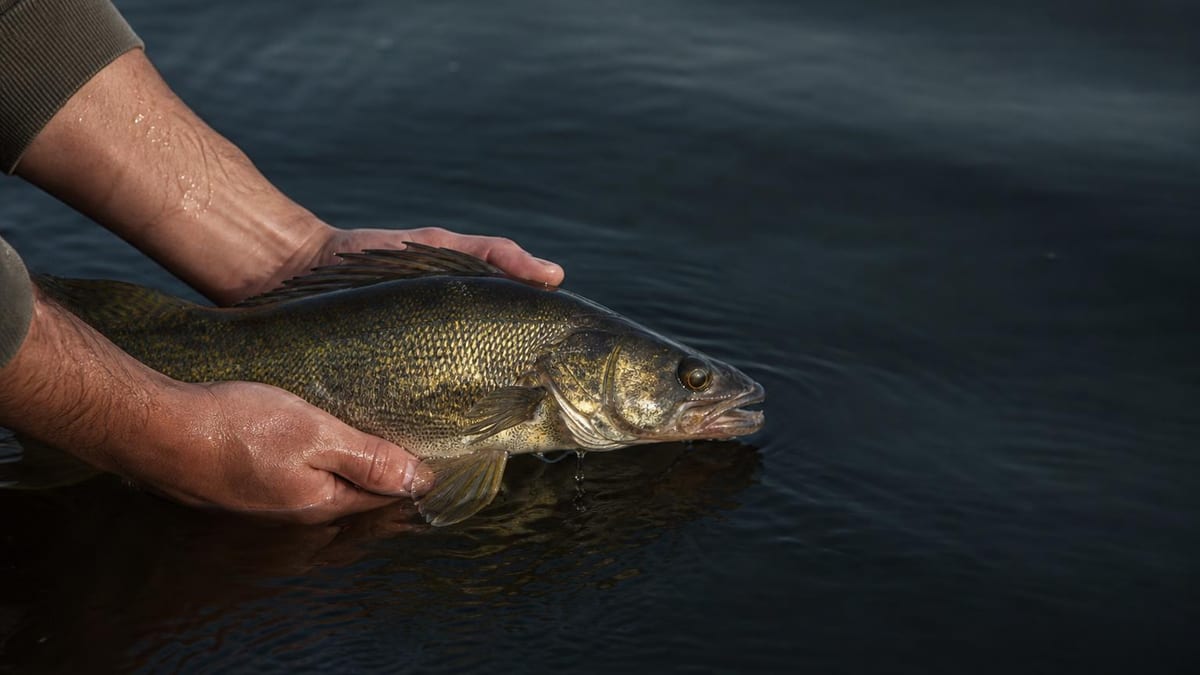
Types of Fish: How Species Are Grouped
36,500 species sort four ways: by water, by migration, by family, and by law. A plain map of the types of fish — with every group linked to real profiles.
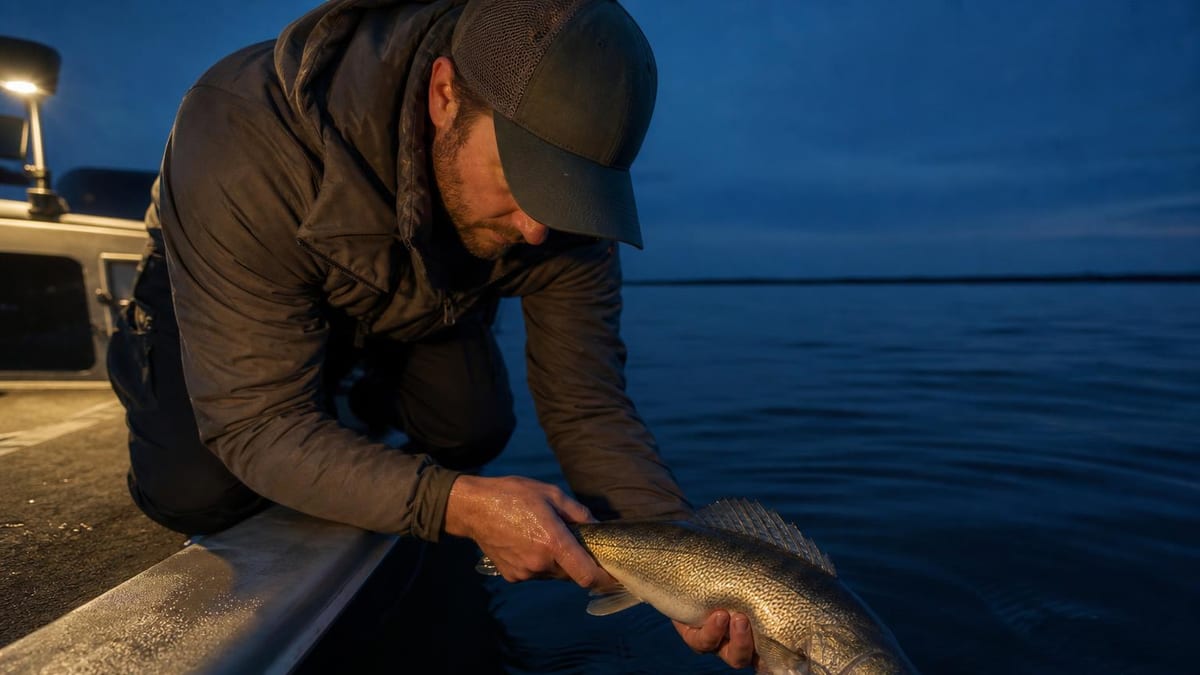
Walleye Fishing: Light, Depth and a Slow Retrieve
Walleye eyes are built for low light, which sets where they sit and when they feed. What that means for depth, timing and how slowly you fish.
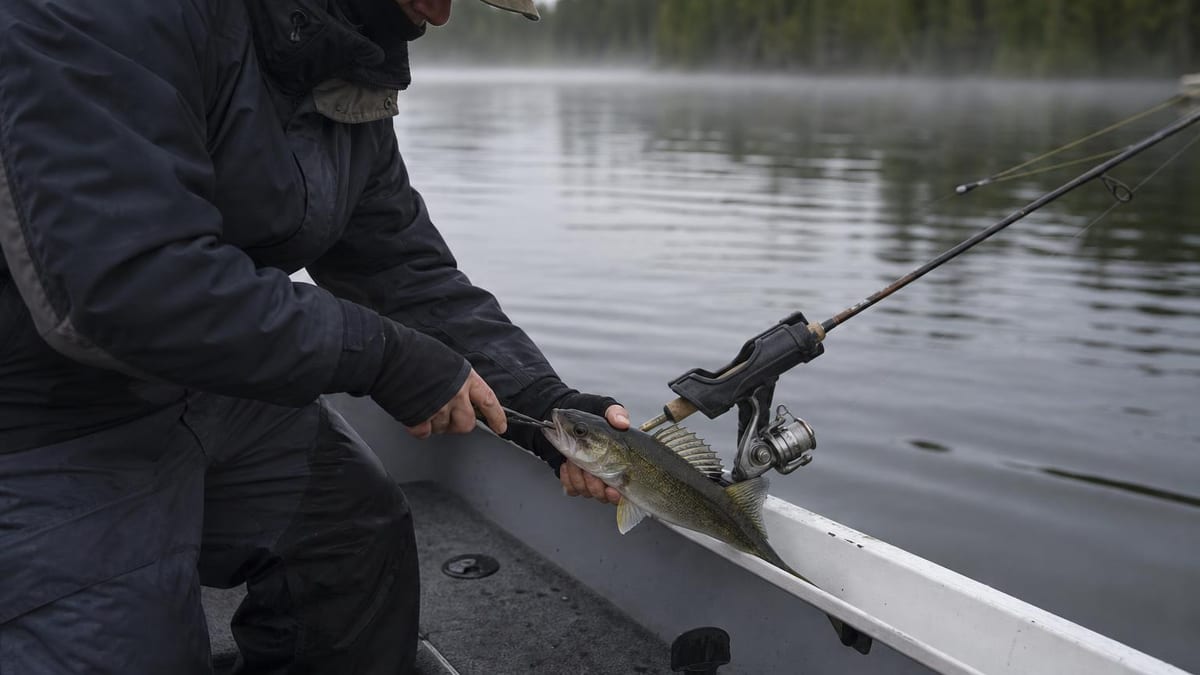
Walleye vs Yellow Perch
Same family, and one eats the other. The glassy eye, canine teeth and white tail tip that mark a walleye — and the barred, schooling perch it hunts.
Practise the skill. Then pick the day.
BiteScore turns live weather, pressure and moon data into a simple feeding forecast for your spot.
Get the App