Fishing Soft Plastics
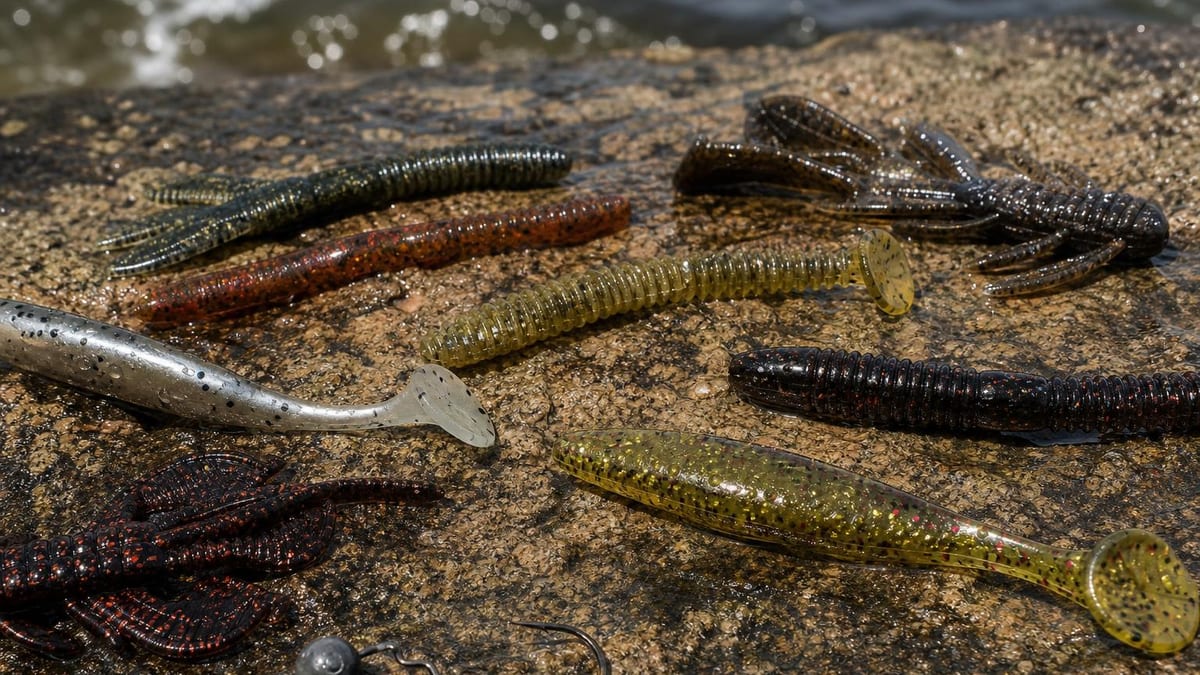
Soft plastics are pliable lures moulded into worms, grubs, lizards, crayfish and minnows, fished on a weighted hook, a jig head or no weight at all. How you rig one changes its fall and where it can go more than which shape you choose. Research on what happens when fish swallow them is species-dependent: bass expel them, brook trout often do not.
Key takeaways
- The rigging method changes a bait's fall and reach more than the shape does.
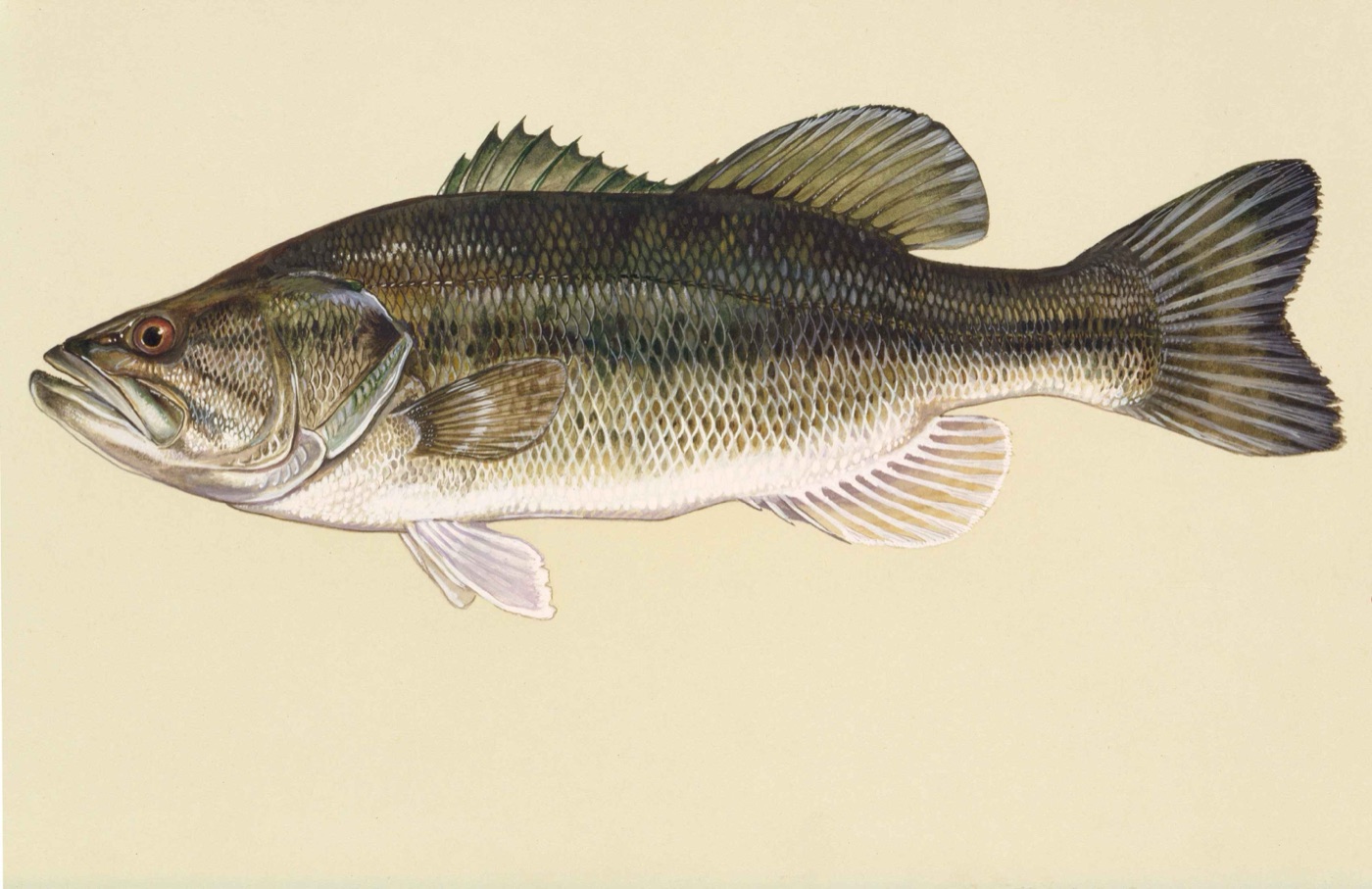
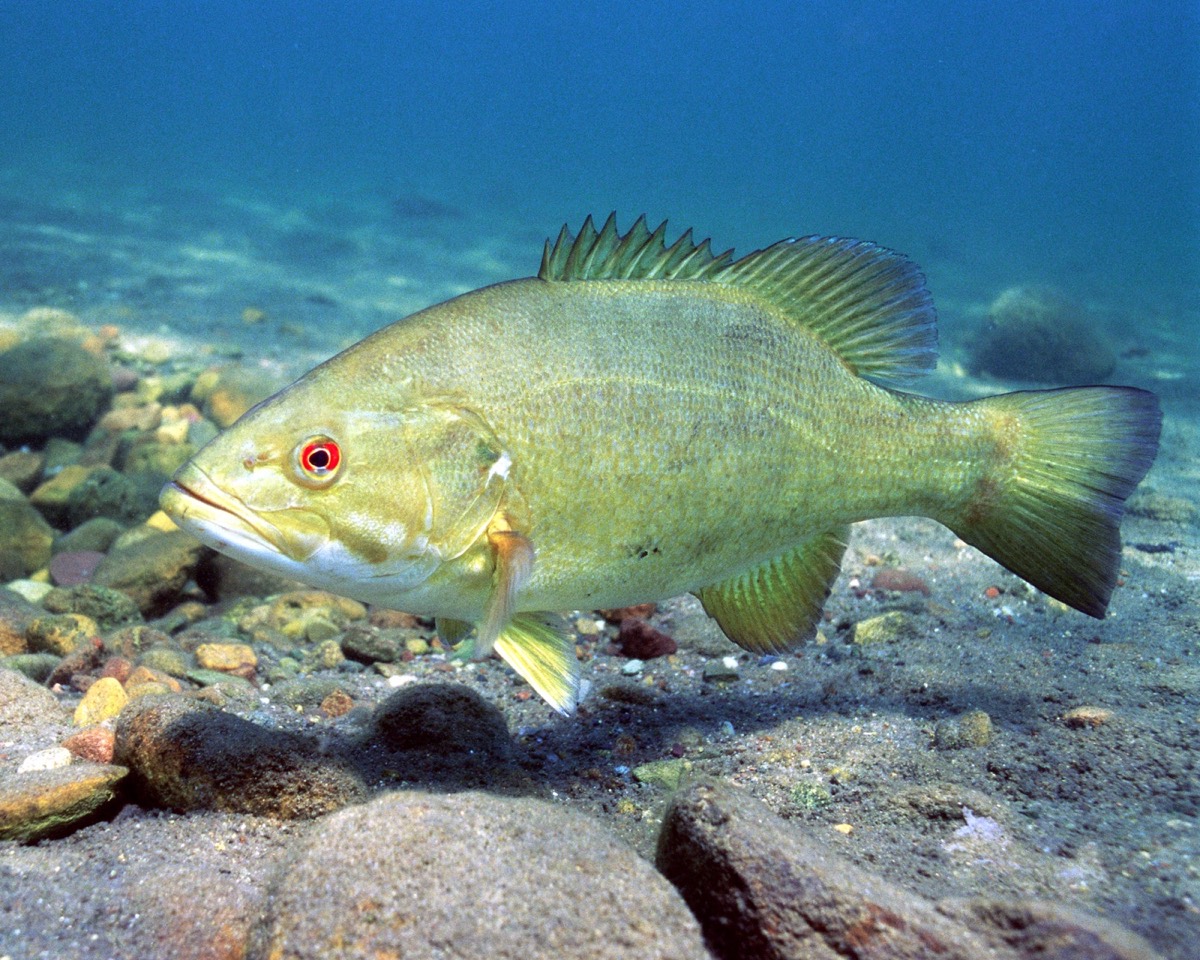
- Largemouth bass expelled swallowed lures within nine days in a controlled study — every one was regurgitated or passed.
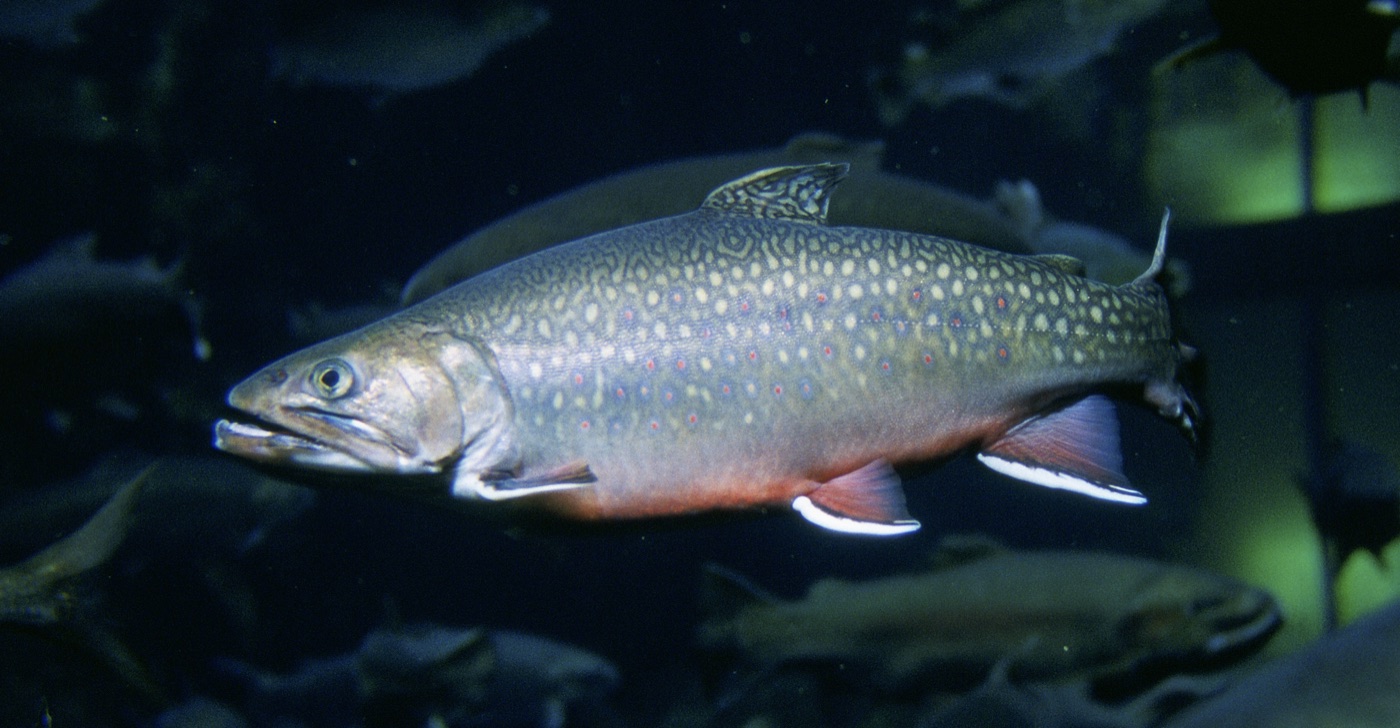
- Brook trout are different: lures were found in 63% of test fish, and heavy ingestion cost them weight and condition.
- Bass are dichromatic and confused chartreuse with white and blue with black in behavioural trials.
- One state agency rejects 'biodegradable' marketing outright for lack of standards and accountability.
What they are, in plain terms
Soft plastics are moulded, pliable lures shaped to resemble things fish eat. Texas Parks and Wildlife describes them as “pliable lures made into worms, grubs, lizards, crayfish, minnows, shrimp, crabs and many others, resembling what fish eat,” available in different sizes and colours, and usable “with or without bullet weight sinkers, jig heads or spinnerbaits.”
That last clause is the important one. A soft plastic is not a finished lure in the way a crankbait is. It is a body that behaves completely differently depending on what you attach it to, which is why the rigging section below matters more than the shape section.
We are deliberately not telling you that a particular shape imitates a particular animal. Agency sources describe the category collectively and do not make those mappings, and the specific claims — that this shape is a crayfish, that one a dying baitfish — come from sellers rather than from anyone studying fish.
Rigging changes more than shape does
The same bait fished four ways gives you four different lures, which is the practical reason to own fewer shapes and learn more rigs.
Weightless. Nothing but a hook. The bait falls slowly on a near-horizontal plane, which is the presentation for fish that are looking up or holding shallow.
On a jig head. The weight is fixed at the nose, so the bait dives head-first and stays in contact with the bottom. For a curly tail grub, guidance from the Recreational Boating and Fishing Foundation is to run the hook through the middle of the body and bring the point out where the shank is fully covered, keeping the body flat and straight rather than bunched or twisted — a bait rigged crooked will spin and twist your line.
Weedless, with the point buried. This is the Texas rig approach, and the reason is stated bluntly by Texas Parks and Wildlife: exposed hooks snag on nearly everything they contact. Burying the point in the plastic lets you fish places you otherwise could not.
Wacky, hooked through the middle. The bait folds and quivers as it sinks. Texas Parks and Wildlife notes it “has a unique, slow descent rate and action” — and is refreshingly honest about why it works: “Does it work because of the action and slow fall? Does it work because it is something fish don’t see as often? Who knows? It just works.”
A drop shot deserves a mention because it inverts the usual arrangement. The hook sits above the weight rather than below it, which as the same source notes “gets the bait off the bottom,” and it is specifically recommended for clear water, slow days and heavily pressured lakes.
What happens when a fish swallows one
This is genuinely studied, and the answer depends on the species — which is why blanket claims in either direction are wrong.
For largemouth bass, the news is reassuring. A controlled study found that bass “typically expelled the SPL within 9 d of ingestion; all lures were either regurgitated or egested.” Sampling in two Illinois reservoirs found lures in less than 1% of bass. The authors concluded that discarded lures do not pose a significant long-term threat to the health of individual largemouth bass — while still adding that they should be discarded responsibly.
For brook trout, the picture is worse. In a 90-day laboratory study, trout readily ate lures both from the surface and off the tank bottom, and lures were recovered from 63% of test fish. Twelve percent of the fish ate more than a tenth of their own body mass in plastic. Those fish “lost a significant amount of weight during the study, had a significant decrease in body condition factor, and began displaying anorexic behaviors.” The authors concluded anglers should be discouraged from discarding used lures in trout waters.
In the wild, encounters are uncommon. Maine’s Department of Inland Fisheries and Wildlife has examined more than 26,000 fish stomachs over twenty years and found soft plastics in about 2% of them. The split is telling: below 1% in waters without bass, 2% in waters with them, and up to 6% in one management region. Fish-eating birds show a comparable rate — a researcher at Tufts University who performs necropsies estimates lures occur in about 5% of birds examined, and reports no gastric problems from them.
Maine’s own summary of the mechanism is careful and worth repeating: some fish like bass can regurgitate plastic lures, but others like brook trout may not, and because the lures do not readily decompose and tend to swell over time, accumulation may alter feeding behaviour and adversely affect fish health.
The biodegradable claim does not hold up
Treat “biodegradable” on a soft plastic package as marketing until someone defines it. Maine’s report to its legislature is unusually direct: industry marketing suggests biodegradable alternatives exist, “however, a lack of accountability and established industry standards for products marketed as ‘biodegradable’ fail to inspire consumer confidence that these products offer benefits for the environment or the fish.”
The controlled bass study pushes in the same direction from a different angle. It found that ingesting biodegradable lures “resulted in lower prey consumption rates than ingestion of nonbiodegradable SPLs” — the reverse of what you would hope for from the supposedly gentler option.
Maine also offers the cleanest way to think about the whole question, by sidestepping the unsettled science entirely: whether or not the lures are bad for fish “is somewhat irrelevant because their occurrence in Maine waters is not natural and inconsistent with the intent of Maine’s Litter Control Act.” A lure on the lake bed is litter regardless of what it does to a fish that eats it.
The practical response is to lose fewer of them. Maine identifies two sources — deliberate disposal of lures that no longer fish properly, and inadvertent loss when a fish pulls the bait off or the plastic is fished until the hook no longer holds it. Replacing a lure that has started to slide down the hook, or using a retaining device such as an O-ring or a bait stop, prevents the second kind.
Colour, and what a bass can actually see
Bass see far fewer colours than the tackle wall implies, and the research is specific about which. A study of largemouth bass vision found the species is dichromatic, with green-sensitive single cones peaking at 535 nanometres and red-sensitive twin cones at 614.5 nanometres.
In behavioural trials the fish identified red from all other colours at roughly 85% accuracy, and green at about 72%. More usefully, the study predicted and then confirmed which colours they would confuse: bass trained to chartreuse yellow also struck at white, and bass trained to blue also struck at black. Those are pairs that look nothing alike to us.
The implication is not that colour is irrelevant. It is that the meaningful axis is red-green contrast and light versus dark, rather than the fine distinctions between neighbouring shades in a tackle box. Choosing between two chartreuse baits of slightly different tint is a decision the fish may not be equipped to notice.
Action is on firmer ground than colour, because it works through a sense that has nothing to do with vision. Fish detect water movement through the lateral line, a system that senses flow and hydrodynamic pressure differences and mediates prey detection, predator avoidance and orientation to current. Research on fish holding station in turbulent flow has found that the lateral line, rather than vision, plays the larger role in shaping body movement. A tail that displaces water is therefore detectable in conditions where a colour is not — which is a better argument for high-displacement shapes in dirty water than any claim about which colour cuts through mud.
Limitations and context
Two studies on two species is not a general account of what soft plastics do to fish, and they disagree with each other. Neither result should be extended to a species that has not been tested.
The colour research is specific to largemouth bass. Other species have different visual systems, and nothing here transfers automatically to trout, walleye or anything in saltwater.
Rules on soft plastics vary. As of Maine’s January 2020 review there were no state bans, but several states classify certain ingestible or scented soft baits as “bait” rather than “lure” — a definitional difference that changes where they may legally be used. That kind of rule changes, so check your own state fish and wildlife agency rather than relying on this or any other article.
Finally, scent. Some soft plastics are sold with fish-attracting scent added, and the agency sources that mention this offer no evidence that it improves catch rates. We are not going to tell you it works when nobody has shown that it does.
Frequently asked questions
Do soft plastic lures kill fish that swallow them?
It depends on the species, and the two studies that exist point in opposite directions. Largemouth bass in a controlled study expelled every lure within nine days, and the authors concluded discarded lures do not pose a significant long-term threat to individual bass. Brook trout in a separate study did not clear them: lures were recovered from 63% of test fish, and the 12% that ate more than a tenth of their body mass in plastic lost significant weight and began behaving as though starving.
How common are soft plastics in wild fish stomachs?
Uncommon. Maine's Department of Inland Fisheries and Wildlife examined more than 26,000 fish stomachs over twenty years and found soft plastic lures in about 2% of them. In waters that do not support bass the figure fell below 1%, which the agency reads as evidence that these lures are simply fished less in trout and salmon water.
Are biodegradable soft plastics better?
The evidence does not support the claim, and one agency dismisses it directly. Maine's report to its legislature says industry marketing suggests biodegradable alternatives exist, but that a lack of accountability and established industry standards for products marketed as 'biodegradable' fail to inspire consumer confidence. The controlled bass study also found that biodegradable lures produced lower prey consumption than conventional ones — the opposite of the expected benefit.
What colour soft plastic should I use?
Fewer colours matter than the tackle wall implies. Largemouth bass are dichromatic, with green-sensitive and red-sensitive cones, and in behavioural trials they identified red most reliably. They also confused chartreuse with white and blue with black — pairs that look nothing alike to us. Contrast between light and dark, and the red-green axis, are the distinctions with some grounding.
How should I dispose of used soft plastics?
In a bin, not the water. Maine's agency asks anglers to dispose of used lures in a trash or recycling canister and notes that some boat launches, fishing clubs and retailers run collection programmes. It also suggests replacing a lure before it is lost — when it slides down the hook, is cut, or has been worked over abrasive cover — since lures pulled off by fish are a major source of what ends up on the bottom.
Sources
- Fish Texas: A Basic Guide for the Beginning Angler — Texas Parks & Wildlife Department. Accessed August 5, 2026.
- Rigging Up, Not Wigging Out (Texas Fishing 2013) — Texas Parks & Wildlife Department. Accessed August 5, 2026.
- Effects of Ingestion of Soft Plastic Fishing Lures on Largemouth Bass — Sanft et al., North American Journal of Fisheries Management (University of Illinois record). Accessed August 5, 2026.
- Voluntary Ingestion of Soft Plastic Fishing Lures Affects Brook Trout Growth in the Laboratory — Danner, Chacko & Brautigam, North American Journal of Fisheries Management 29:352-360. Accessed August 5, 2026.
- Report Back to the 129th Legislature on LD 695 (Soft Plastic Lures) — Maine Department of Inland Fisheries & Wildlife. Accessed August 5, 2026.
- Soft Plastic Lures — Maine Department of Inland Fisheries & Wildlife. Accessed August 5, 2026.
- Seeing Red: Color Vision in the Largemouth Bass — Mitchem et al., Current Zoology 65(1):43-52. Accessed August 5, 2026.
- How to Rig and Fish a Curly Tail Grub — Take Me Fishing (Recreational Boating & Fishing Foundation). Accessed August 5, 2026.
How we choose sources: sources policy.
More in this series
Know when it's worth going.
Fishing Club AI turns live weather, pressure and moon data into a simple bite forecast for your spot — so the skills you practise get used on the right day.
Get the App