Fly Fishing Basics: What It Is and How to Start
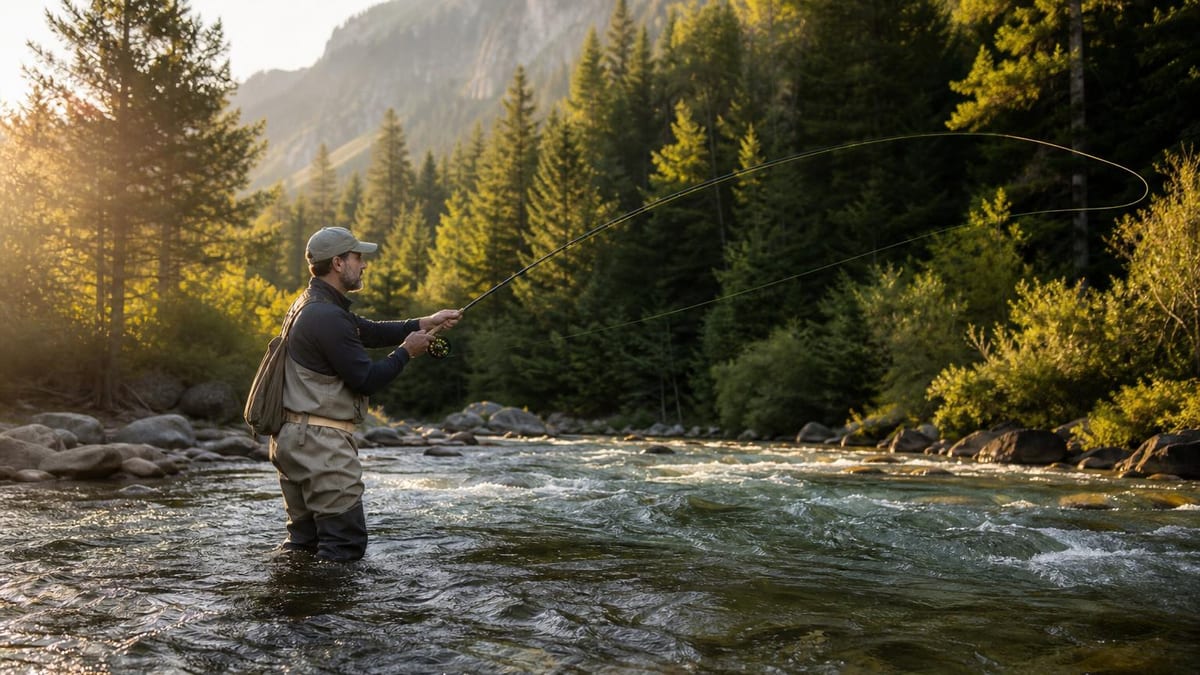
Fly fishing casts the weight of the line rather than the weight of the lure — the fly itself is nearly weightless. Missouri's conservation agency states the difference plainly: in fly fishing the weight of the line carries the hook through the air. Start with a matched rod and line, a floating line, and panfish rather than trout.
Key takeaways
- Missouri's agency: in fly fishing the weight of the line carries the hook through the air — not the lure.
- A rod's 'weight' is the line size it casts, not how heavy it is. A five-weight rod casts a five-weight line.
- The outfit in order: rod, reel, backing, fly line, leader, tippet, fly — Texas Parks and Wildlife's own parts list.
- Most fly rods run 7 to 9 feet; the National Park Service calls #3–#7 common, with #5 the most common weight.
- Flies imitate local terrestrial and aquatic insects, baitfish or other prey — and can be made to float or sink.
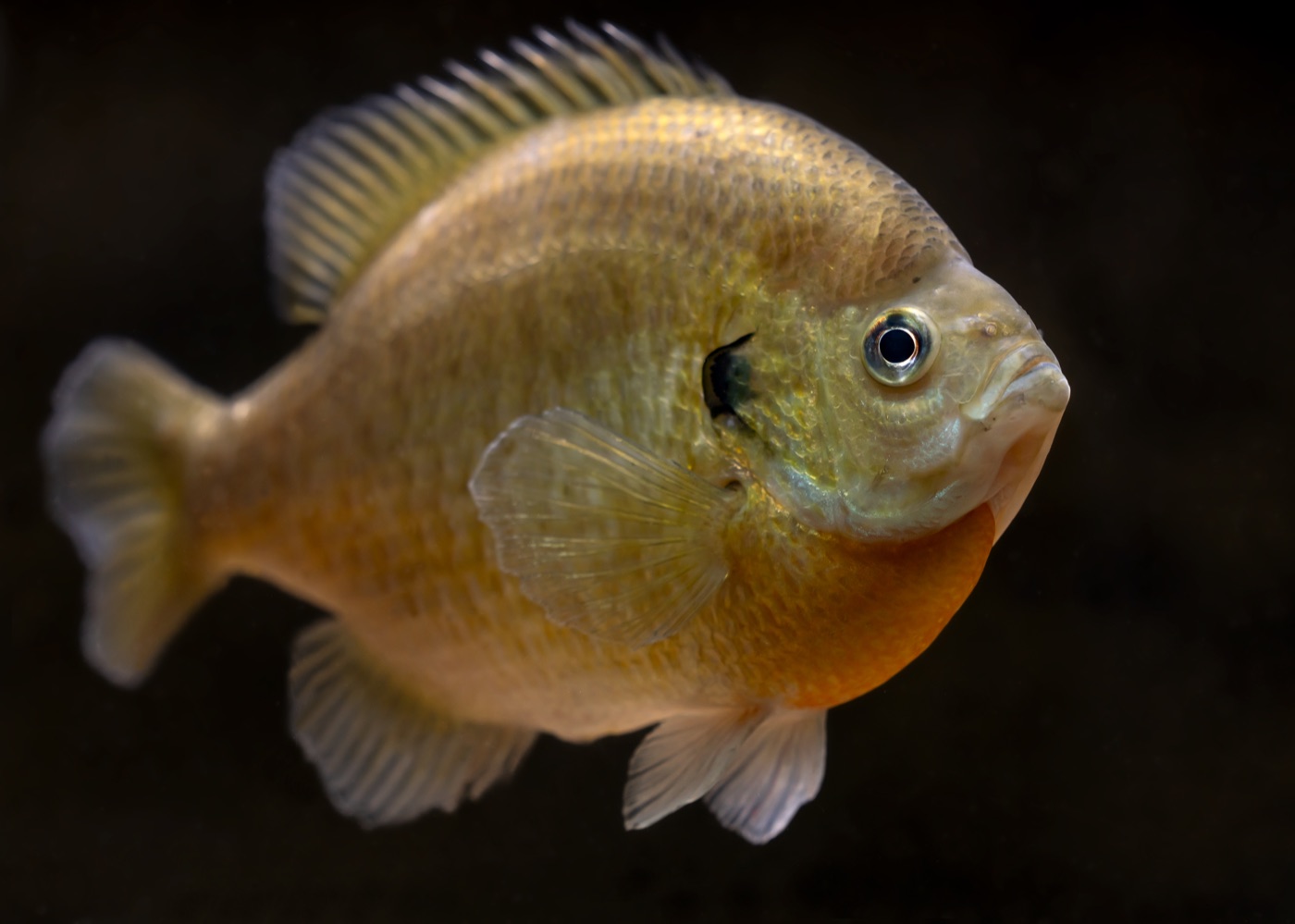
- Start on panfish, not trout: Virginia's wildlife agency calls them an ideal species for learning.
The one difference everything else follows from
Strip away the tweed and the mystique and fly fishing rests on a single mechanical inversion. Missouri’s Department of Conservation states it without ceremony: the main difference between fly fishing and spin or bait fishing is that in fly fishing the weight of the line carries the hook through the air, whereas in spin and bait fishing the weight of the lure or sinker at the end of the line gives you casting distance. Texas Parks and Wildlife’s angler education course compresses the same fact into six words: you cast the line, not the lure.
That is the whole reason fly gear looks strange. A fly — hair, fur and feathers on a hook — weighs almost nothing and cannot pull line off a reel. So the line itself is made heavy: as Missouri notes, the fly line is heavy enough to send the fly to the target. Every other component exists to make that possible or to hide it from the fish.
The outfit, in the order it connects
Texas Parks and Wildlife’s course opens by naming the parts, and the list is worth memorising as a chain rather than a shopping list: rod, reel, backing, fly line, leader, tippet — and the fly.
- Rod — the casting engine, sized by the line it throws (below).
- Reel — TPWD notes it is very simple and made primarily to hold the line. In fly fishing the reel is storage first, drag second.
- Backing — an inexpensive cord connecting fly line to reel that, in TPWD’s words, provides extended line for fishing; their instructor guide adds it fills the spool and matters most with very large fish or deep water.
- Fly line — attached to the backing at one end and the leader at the other.
- Leader and tippet — transparent monofilament measured by a number and an “X”: a thick heavy tippet is 0X, a fine light tippet is 8X. TPWD puts the tippet at “the very end … the fish end!”
- Fly — tied to the tippet.
Our fly line, leader and tippet guide goes through that chain piece by piece, including the knots at each junction.
Rod and line weights: the number that matters
The most common beginner confusion has a one-sentence fix. Missouri’s agency: when anglers discuss the weight of a fly rod, they are not referring to how heavy the rod is — they mean the size of the line the rod will cast. A five-weight rod casts a five-weight fly line. TPWD’s student guide states the rule directly: rod and line weights should match.
For sizing, the verified guidance is a range, not a prescription:
- Rod length: most fly rods run 7 to 9 feet, which Missouri notes accommodates most fishing situations. The National Park Service lists common sizes as 8 ft, 8’6”, 9 ft, 9’6” and sometimes longer.
- Line weight: the Park Service calls #3 through #7 common, with #5 the most common. TPWD suggests a 5-weight, 8 to 8½ foot rod for younger anglers. Virginia’s wildlife agency recommends a 9-foot, four- to six-weight for learning on panfish.
- Line type: TPWD’s student guide recommends a double-tapered floating line for beginners — written on the box as something like DT5F (double tapered, 5-weight, floating).
Read those together and the beginner’s zone is obvious: a 5-weight, 8–9 foot rod with a matching floating line. No verified source asks for more.
What flies actually are
Missouri’s description is the plainest in the literature: artificial flies are made by fastening hair, fur, feathers or other materials, natural and synthetic, onto a hook — and they are tied in sizes, colours and patterns to match local terrestrial and aquatic insects, baitfish, or other prey attractive to the target species. Crucially, they can be made to float or to sink. The Park Service adds the etymology: they’re called flies because they’re made to imitate small insects or prey items a fish may want to eat.
The categories divide by where they ride and what stage they copy. Missouri names the three core groups:
- Dry flies float on the surface, imitating aquatic insects that are emerging, laying eggs, or spent after mating.
- Nymphs imitate insects still in their immature stages living along the stream bed.
- Streamers imitate minnows or other swimming aquatic life.
TPWD adds two useful notes: terrestrials — beetles, ants, grasshoppers, crickets that fall or blow onto the water — and poppers, which imitate large insects or frogs on the surface that bass prefer. (Wet flies sit awkwardly across these groupings: TPWD describes them as imitating nymphs underwater, while other sources fold them in with nymphs. Treat the three core categories as the map, and wet flies and emergers as terrain between them.) The dry-versus-sunk decision gets its own guide: dry fly vs nymph.
TPWD names the governing idea in three words — flies are designed to imitate aquatic insects at different life stages, and choosing accordingly is “match the hatch.”
Where to actually start: panfish, not trout
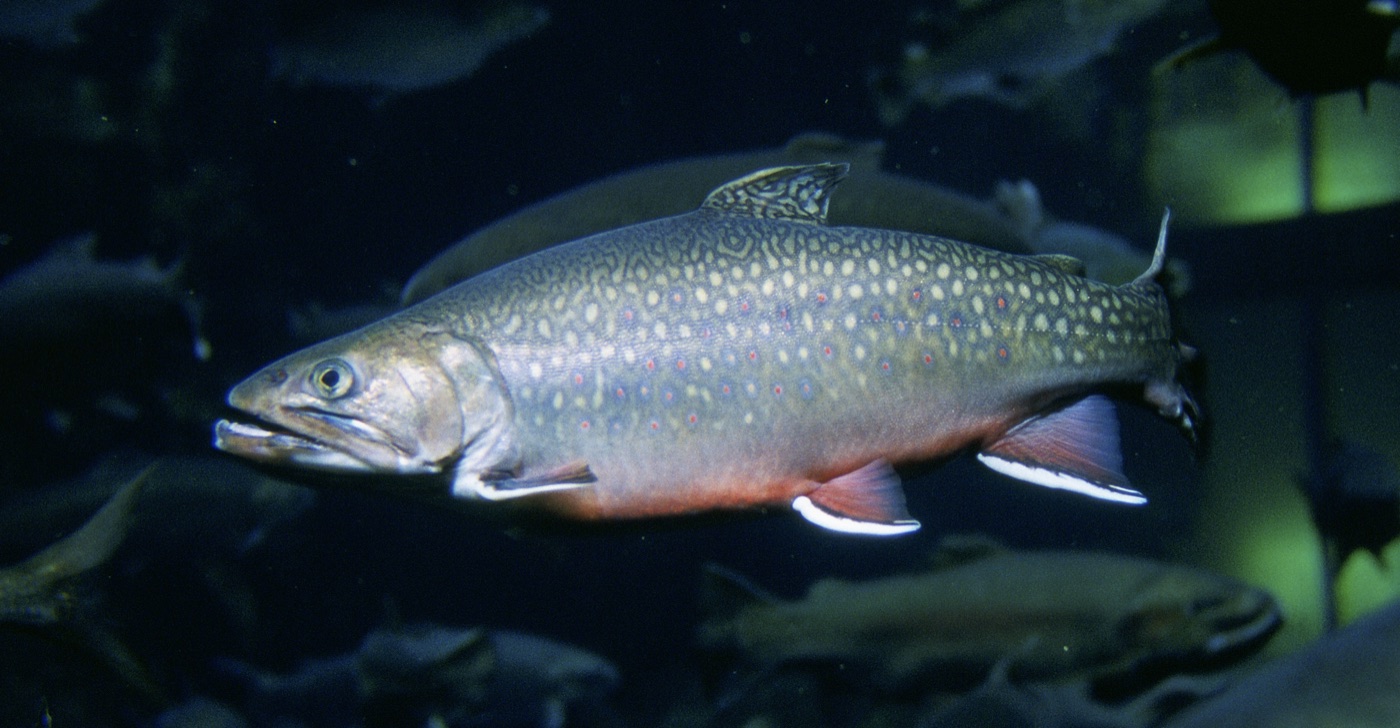
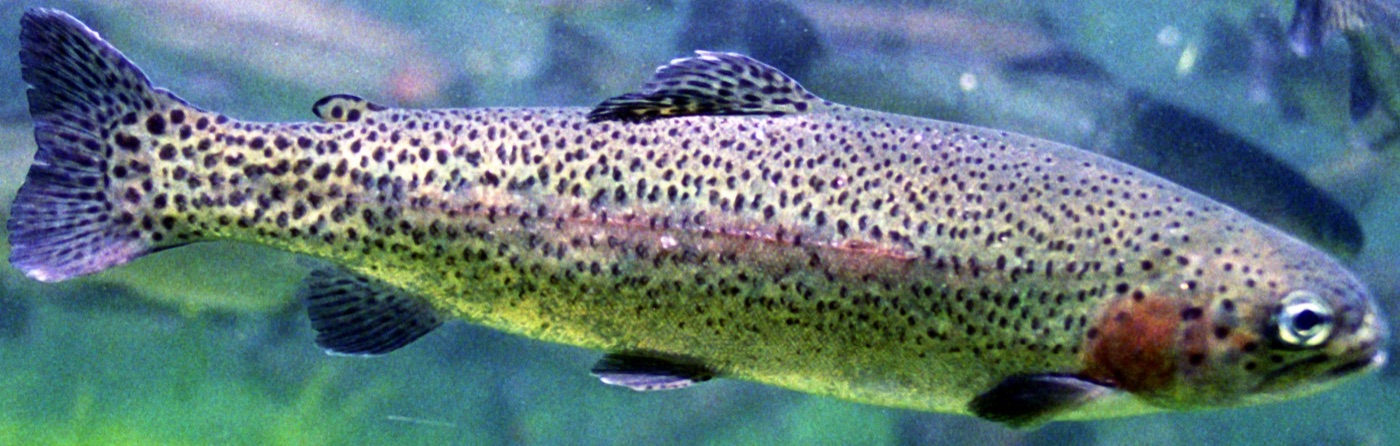
Fly fishing’s public image is a trout stream, and the agencies quietly disagree. Virginia’s Department of Wildlife Resources makes the case bluntly: there’s probably no better way to learn to fly fish than to pursue panfish, because they are rapacious feeders and, as a result, easy to catch — while trout, the common target of fly anglers, “can be snooty about taking a fluffy fly.” Their recommended classroom is a local pond or lake with plenty of room for casting, with a 9-foot four- to six-weight outfit.
Missouri’s agency backs the target species from the fish’s side: fly fishing is one of the most effective, exciting ways to catch bluegill, because small insects are a major part of the bluegill’s diet and an artificial fly resembling them is usually irresistible — adding that bluegill are not as picky as some trout, so most fly patterns will work, with small black flies typically best.
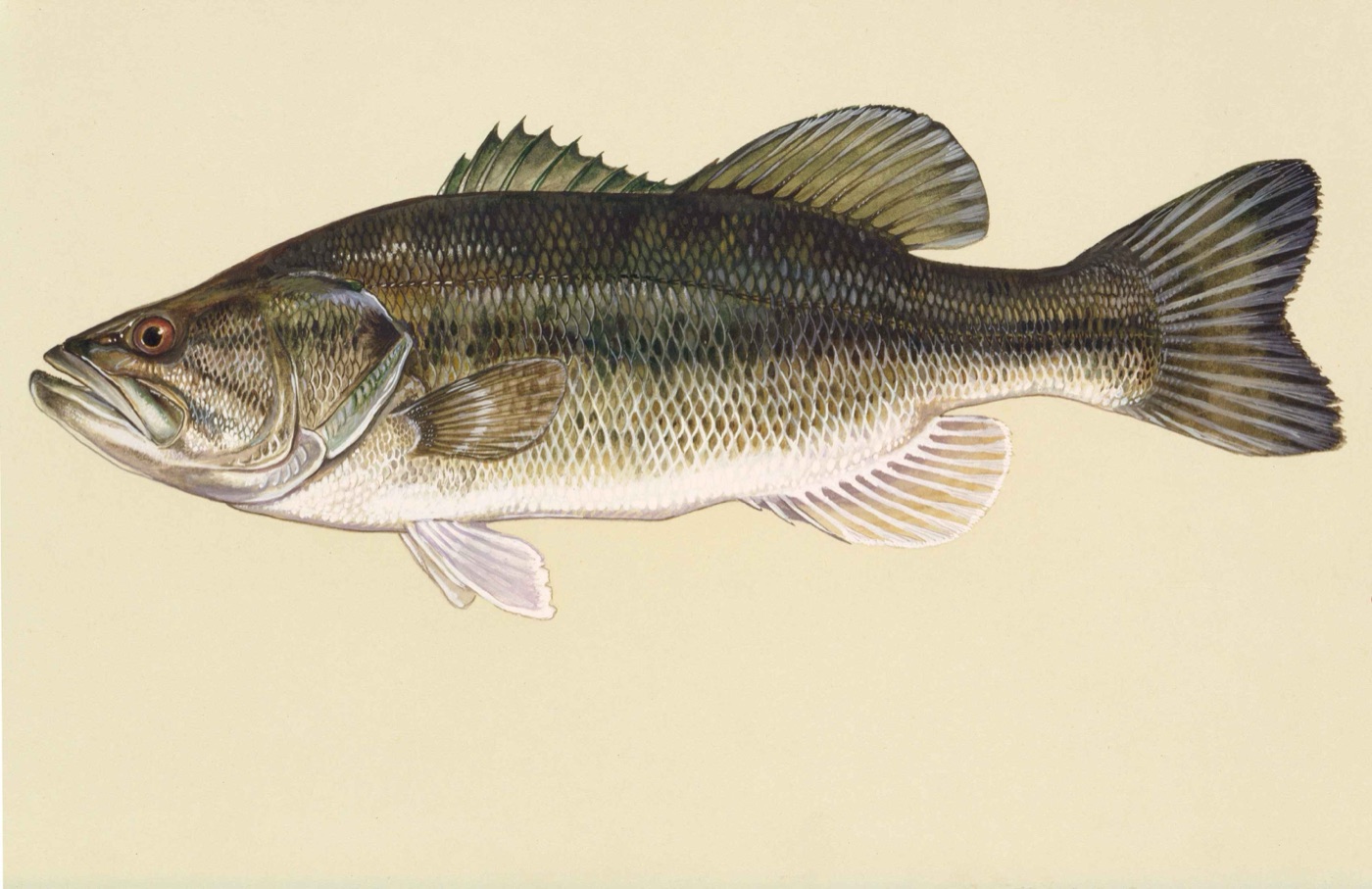
And the ceiling is higher than the reputation suggests. Missouri’s philosophy line is the best sentence in the whole verified set: if it swims and eats anything bigger than plankton, it can be caught on a fly rod. Largemouth bass on poppers, trout on dries, panfish on almost anything — the method scales far past its stereotype.
Learning it, and the handling that comes with it
Two closing points the agencies make that most gear articles skip.
You learn by doing. Missouri’s fly fishing page is refreshingly honest that you cannot become an accomplished fly angler by reading — it’s a lifelong skill learned best in practice. Both Texas Parks and Wildlife and the National Park Service run introductory programmes: TPWD supports two levels of introductory fly fishing training through its Angler Education program, appropriate for youth aged 12–18 and adult beginners, and the Park Service runs youth fly fishing clinics covering casting, catch-and-release technique and fly presentation. Check your own state agency — this is one of the few sports where the government will teach you free.
Handle fish like you plan to release them. TPWD’s student guide gives the practical steps: use barbless hooks or mash the barb down with pliers, which makes hook removal easier; if you’re not keeping the fish, get it off the hook as soon as possible and lower it gently into the water until it swims away; and protect the slime layer, which shields the fish from disease. Our catch and release guide covers the full agency playbook.
From here, two things stand between you and fishing: the cast, and knowing whether to fish on top or underneath. Both have their own guides — and neither requires a single expensive purchase.
Frequently asked questions
What makes fly fishing different from regular fishing?
The weight you cast. Missouri's Department of Conservation puts it directly: in fly fishing the weight of the line carries the hook through the air, whereas in spin and bait fishing the weight of the lure or sinker gives you casting distance. Texas Parks and Wildlife compresses the same idea into six words in its angler education material — 'you cast the line, not the lure.' The fly line is heavy enough to send a nearly weightless fly to the target; everything else about the gear exists to serve that.
What does 'weight' mean on a fly rod?
The line size it's built to cast, not the rod's own heft. Missouri's agency clears up the confusion: when anglers discuss the weight of a fly rod they mean the size of the line the rod will cast — a five-weight rod casts a five-weight fly line. Texas Parks and Wildlife's student guide states the rule that follows: rod and line weights should match. The number is usually printed just above the grip.
What gear do I actually need to start?
Seven things in a chain, per Texas Parks and Wildlife's parts list: rod, reel, backing, fly line, leader, tippet and flies. The reel is simple — TPWD notes it's made primarily to hold the line — and backing is an inexpensive cord connecting fly line to reel that adds extra line for big or deep-running fish. For the line itself, TPWD's student guide recommends a double-tapered floating line for beginners. Our fly line and leader guide covers how those pieces fit together.
What rod should a beginner buy?
Sources give a range rather than one answer, so treat the middle as your target. Missouri's agency notes most fly rods run 7 to 9 feet, which covers most fishing situations. The National Park Service lists common rod weights as #3 through #7, with #5 the most common. Virginia's wildlife agency, writing specifically about learning on panfish, suggests a 9-foot four- to six-weight rod with an inexpensive reel and a floating line. Nothing in the verified guidance requires an expensive outfit.
Where should a beginner start — trout streams?
Agencies point the other way: at panfish. Virginia's Department of Wildlife Resources argues there's probably no better way to learn to fly fish than to pursue panfish, calling them rapacious feeders and easy to catch, while trout 'can be snooty about taking a fluffy fly.' They recommend a local pond or lake with plenty of room for casting. Missouri's agency agrees on the target — fly fishing is one of the most effective, exciting ways to catch bluegill, and bluegill are not as picky as some trout, so most fly patterns will work.
Sources
- Fly Fishing — Missouri Department of Conservation. Accessed August 16, 2026.
- Basic and Intermediate Fly Fishing — Instructor Guide — Texas Parks & Wildlife Department. Accessed August 16, 2026.
- Basic and Intermediate Fly Fishing — Student Guide — Texas Parks & Wildlife Department. Accessed August 16, 2026.
- Fly fishing — National Park Service. Accessed August 16, 2026.
- Let a Panfish Teach You to Fly Fish — Virginia Department of Wildlife Resources. Accessed August 16, 2026.
- Sunfish: Tips for Bluegill Fishing — Missouri Department of Conservation. Accessed August 16, 2026.
- Fish Texas: tackle chapter — Texas Parks & Wildlife Department. Accessed August 16, 2026.
- Fly Fishing Clinics, Ozark National Scenic Riverways — National Park Service. Accessed August 16, 2026.
How we choose sources: sources policy.
More in this series
Know when it's worth going.
Fishing Club AI turns live weather, pressure and moon data into a simple bite forecast for your spot — so the skills you practise get used on the right day.
Get the App