What actually changes the bite
Weather and water conditions decide where fish sit and when they feed. These guides explain what each condition does, what it does not do, and how to fish it — with the sources behind every claim.
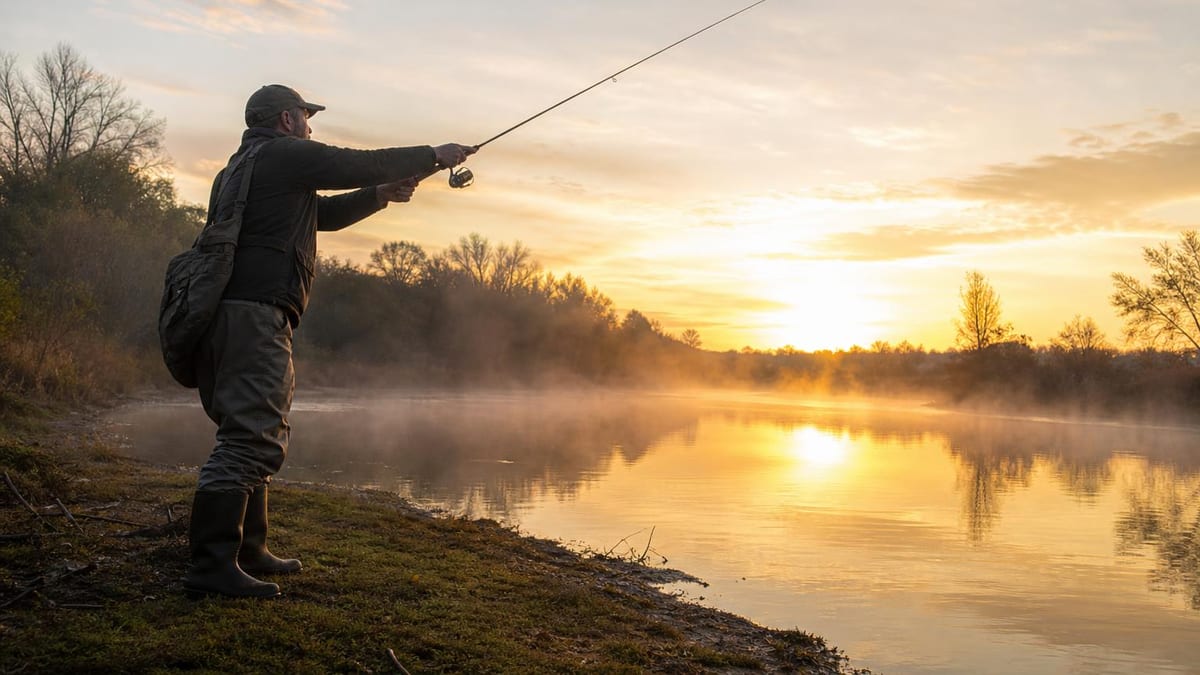
Best Time of Day to Fish: What Evidence Shows
Dawn and dusk are measurably better — and the edge is smaller than the folklore says. The 13-year dataset, the light mechanism, and what matters more.
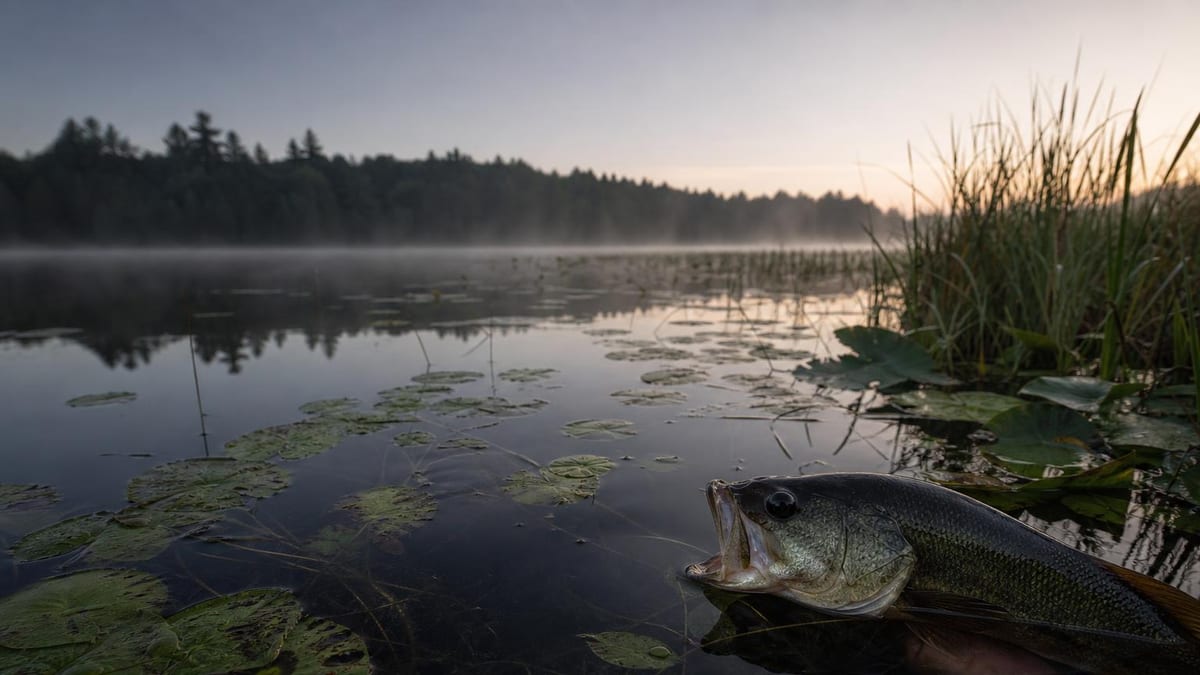
Dissolved Oxygen: The Condition Anglers Can't See
Fish live or die by oxygen you can't see. How temperature, depth, dawn and turnover move it, which species need more, and how to fish around the invisible map.
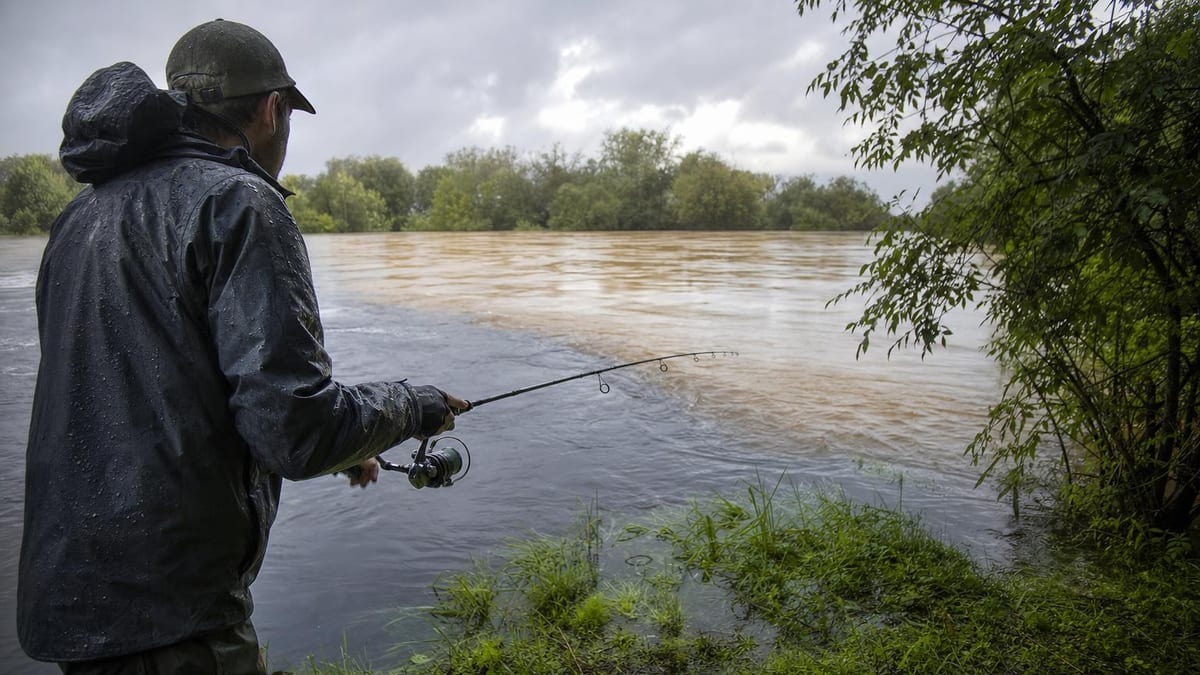
Fishing After Rain: What Runoff Actually Changes
Rain rewrites four things at once: clarity, flow, temperature and oxygen. What runoff actually does to the water, which fish it favors, and when to go back.
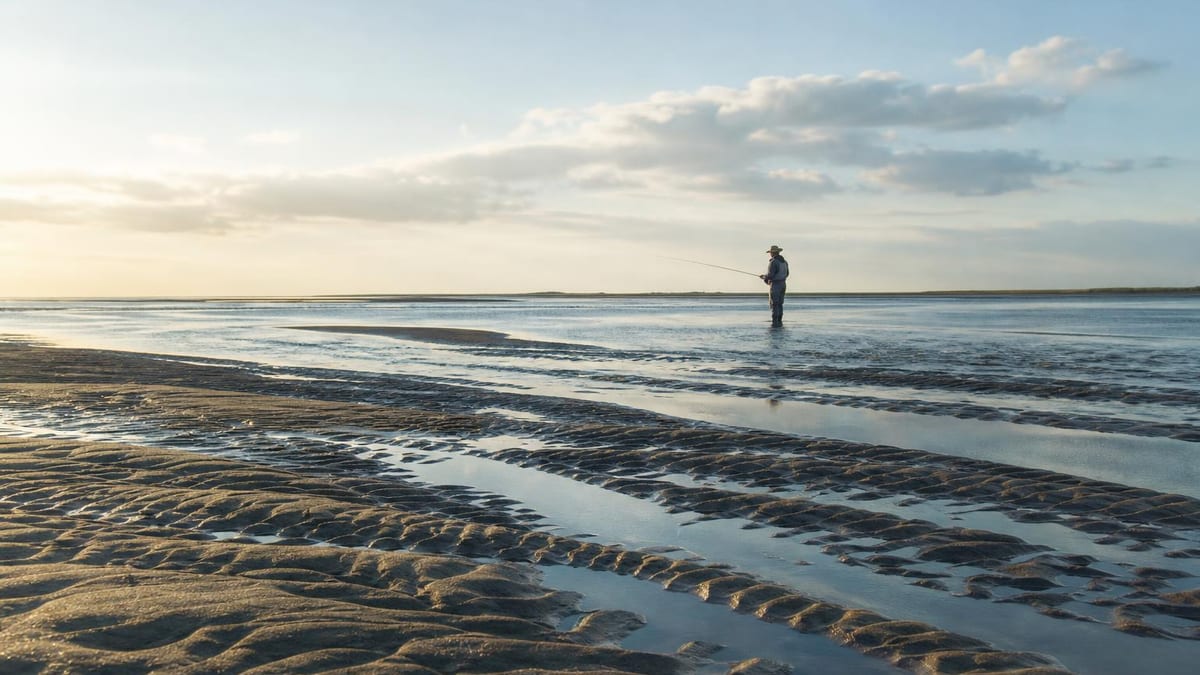
How Do Tides Affect Fishing?
Tides affect fishing mostly through current, not water level. Learn flood, ebb and slack water, why spring tides run harder, and how to fish moving water.
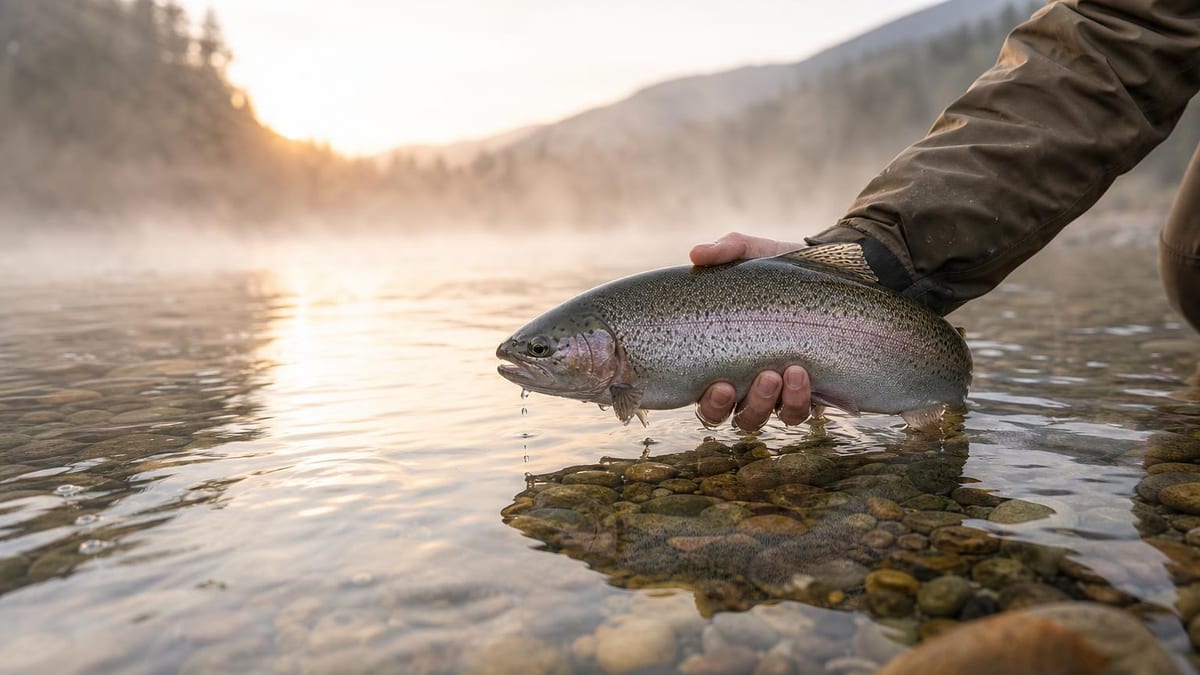
How Does Water Temperature Affect Fishing?
Fish are cold-blooded, so water temperature sets their metabolism, feeding and oxygen supply. What research shows, and how to fish warm and cold water.
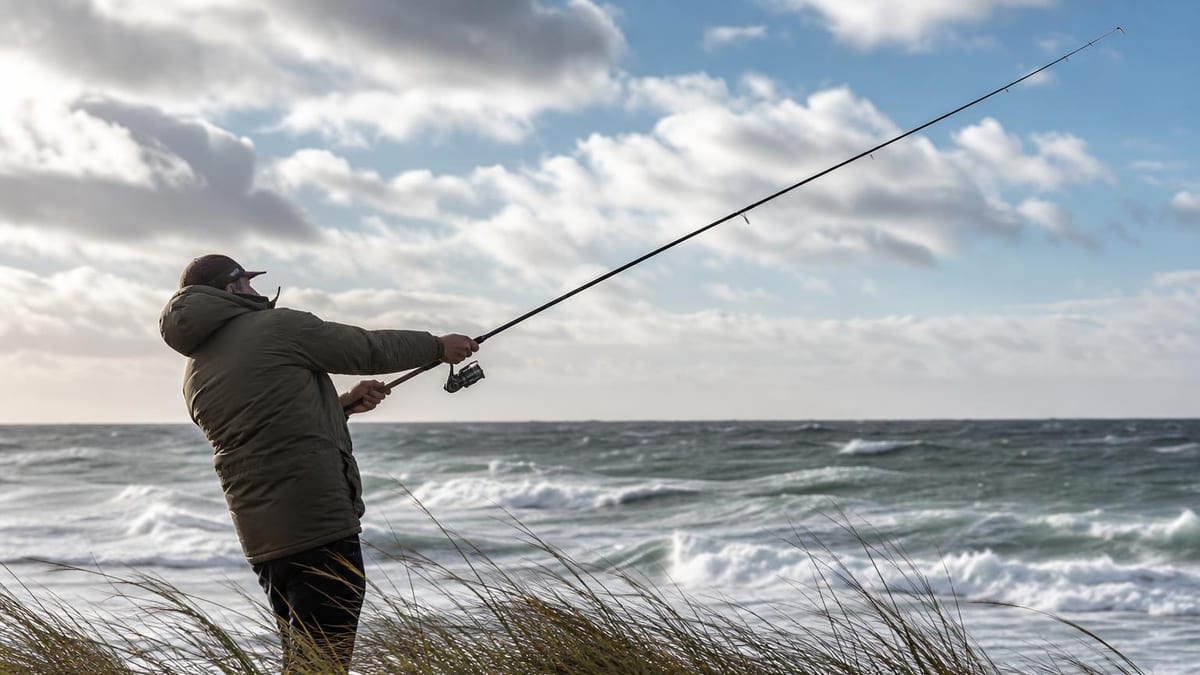
How Does Wind Affect Fishing?
Wind moves bait, mixes oxygen and cuts visibility. Learn where fish hold on windy days, how much wind is too much, and how to fish each wind strength.
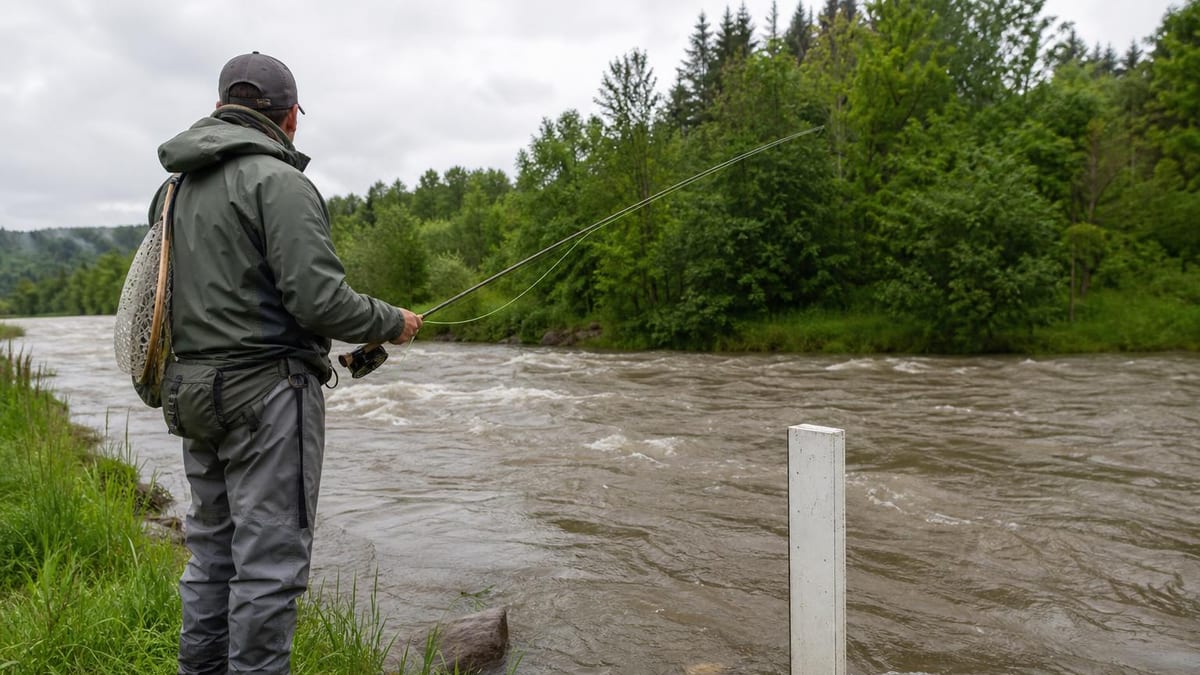
Reading River Levels: Fishing by the Gauge
More than 13,500 USGS streamgages report stage and flow in near real time. How to read gauge height, cfs and the hydrograph before you drive to the river.
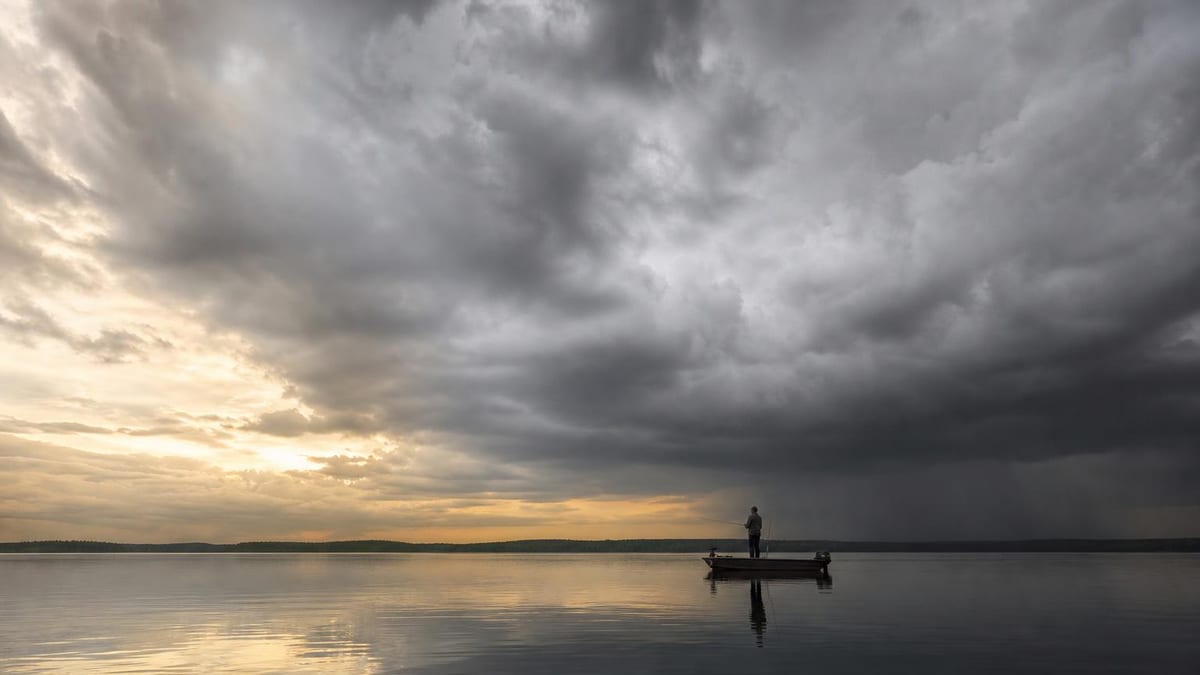
What Barometric Pressure Is Best for Fishing?
No research supports a single best barometric pressure for fishing. What pressure really does, how big a weather swing is, and what to watch instead.
What Is a Fishing Report, and How Do You Read One?
What state fishing reports contain, who writes them, the Poor-to-Excellent ratings, and their one honest weakness — the lag that live conditions fill.
What Is Solunar Fishing, and Does It Work?
Solunar tables promise peak feeding times from the moon. Research finds a real but small lunar effect in some species. What the evidence supports.
Coming next
- Waves and surf
- Water clarity
- Cloud cover and light
Know when they'll bite.
BiteScore turns live weather, pressure and moon data into a simple feeding forecast for your spot.
Get the App