Best Time of Day to Fish: What Evidence Shows
Dawn and dusk are the best-supported times to fish, and the measured edge is real but modest. A 13-year creel study recorded walleye catch rates of 1.47 per hour at dusk and 1.41 at dawn against 1.23 during the day — with bright sun measurably lowering success. Species differ, night has its own case, and every timing effect measured smaller than who was holding the rod.
Key takeaways
- Measured walleye catch rates: dusk 1.47/hour, dawn 1.41, daytime 1.23 — real, and not dramatic.
- Bright sun cut walleye trip success measurably; low light raised it. Light is the mechanism, not the clock.
- Walleye and brook trout are crepuscular by biology; bass avoid direct sun and surface early and late.
- At night, muskellunge anglers on the peak lunar day caught about 28% more than on random nights.
- Every timing effect measured small — angler skill and bait choice outweighed all of them.
The numbers behind dawn and dusk
The folklore is right about the direction and wrong about the size, which makes this one of the more satisfying questions in fishing to answer with data.
The data come from Escanaba Lake, Wisconsin, where a compulsory creel census recorded every trip for 13 years — 2,005 walleye trips among them. On successful trips, walleye catch rates ran highest at dusk, 1.47 fish per hour, with dawn close behind at 1.41 and daytime at 1.23. Dusk beat midday by roughly 20%.
Then comes the honest complication. When the researchers modelled catch with everything else controlled, the gap nearly closed: predicted rates for successful trips were 0.90 fish per hour at dusk and 0.84 at both dawn and day. Part of the raw dawn-dusk edge, in other words, travels with the kind of anglers and trips those hours attract, not with the hours themselves.
Both numbers matter. The edge is real. It is also modest — a percentage improvement, not a transformation.
Light is the mechanism, not the clock
What makes dawn and dusk work is not the hour on your watch but the light in the water, and the same study measured that directly: mean daily solar radiation had a negative effect on walleye trip success, with the odds of a successful trip falling from 0.44 under the dimmest skies to 0.26 under the brightest.
Iowa’s biologists explain the chain plainly: fish tend to be most active during crepuscular times — dawn and dusk — because as light levels in the water diminish, prey fish stray from cover to feed, and predators follow their prey.
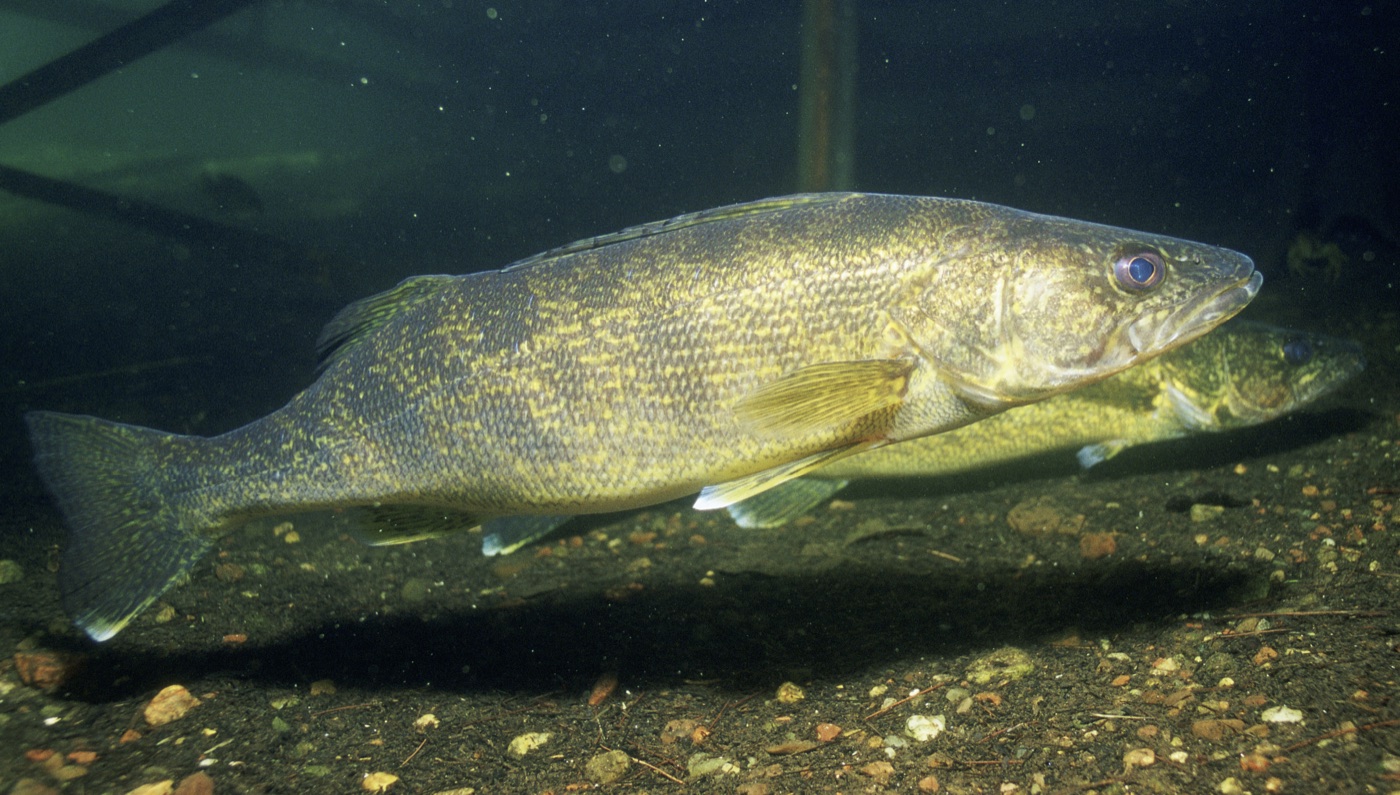
Some predators bring equipment to the exchange. Walleye carry a special light-gathering layer in the eye, the tapetum lucidum, that lets them see well when their prey cannot — the same reflective layer our walleye profile describes, and the reason Iowa states flatly that walleye fishing is always best in low-light conditions. Peer-reviewed work adds the useful exception: walleye are normally crepuscular but feed in daytime where depth or turbidity keeps light low all day. Cloud, chop and stained water are dawn that lasts.
Species keep different hours
“Best time” is species-specific, and the differences are documented rather than folkloric.
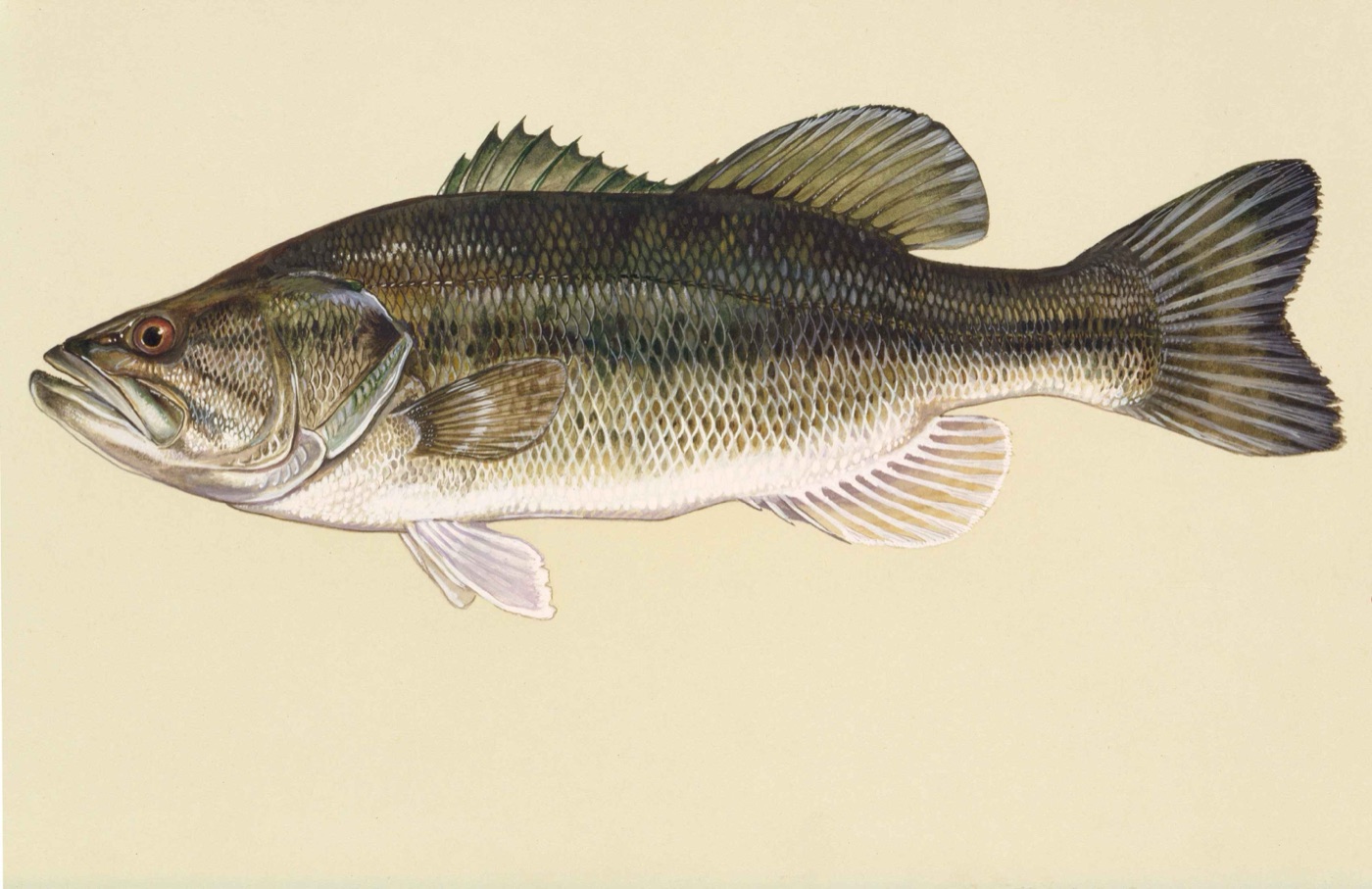
Brook trout are crepuscular by definition — active mostly at dawn and dusk, retreating to deeper water through the day. Bass split the difference: Oregon’s wildlife department calls them sun-shy, advising topwater early or late when the sun is off the water, with deeper presentations doing the daytime work. Walleye, as above, are the low-light specialists of the group.
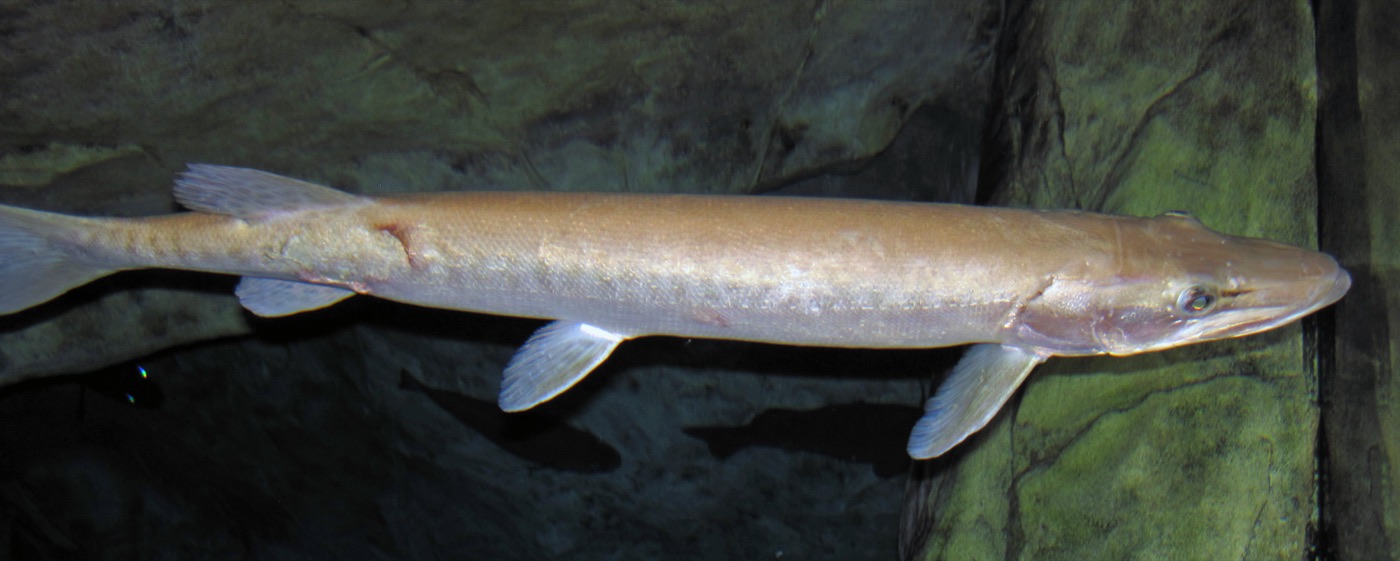
Night deserves its own verdict, and the biggest dataset in fishing supplies one. The muskellunge lunar study — 341,959 catch records — found the moon’s overall effect on catch was only about 5%. But the effect concentrated after dark: anglers fishing exclusively at night on the peak lunar day caught about 28% more than anglers fishing random nights. Two cautions ride with that number, and our solunar article carries both: the claim is peak-day-versus-random-nights, not full moon versus new moon — and the authors could not conclude the effect came from fish behaviour alone rather than from when keen anglers choose to fish.
Season bends the curve
The daily pattern does not survive the calendar unchanged, and temperature is the reason. USGS states the rule underneath everything: temperature exerts a major influence on biological activity and growth — the cold-blooded arithmetic our water temperature article works through.
In high summer, Oregon’s guidance shows the practical shape: bass move into deeper, cooler water and stay receptive as long as temperatures hold below 80 °F, with the surface bite compressed into early and late hours when sun is off the water. The dawn-dusk pattern doesn’t weaken in summer; midday weakens around it.
Winter compresses everything instead. Iowa’s ice-fishing guidance keeps the familiar frame — fish more active from dawn until mid-morning and late afternoon until sundown — while warning that winter fish are more lethargic, eat less often, and strike less aggressively. The windows survive; their contents shrink.
Keep the effect in proportion
Here is the finding that should govern how much you plan around any of this: in the same 13-year dataset, trip-specific angler variables were the most heavily weighted factors, with guide status and bait type carrying the largest effects of anything measured — while every environmental variable, time of day included, came in very small, below 0.2 on the standard effect-size scale.
That is not a reason to ignore timing; it is a reason to rank it. The angler improves the day more than the hour does. Which yields the only advice this evidence supports: go when you can go, because a mediocre hour fished well beats a perfect hour spent at home — and when the calendar gives you a choice, spend it on low light. Our own BiteScore builds its hourly curve on the same principle, and its page says what this one does: the window is worth optimising, and it is never the biggest thing in the boat.
Frequently asked questions
What is the best time of day to fish?
Dawn and dusk, by the best data available — with honest error bars. Thirteen years of complete-census creel records on one Wisconsin lake put successful-trip walleye catch rates at 1.47 per hour at dusk and 1.41 at dawn, against 1.23 in daytime. Real, repeatable, and roughly a 15-20% edge rather than the night-and-day difference folklore promises.
Why are dawn and dusk better for fishing?
Light, mostly. Iowa's biologists explain the chain: as light levels diminish, prey fish stray from cover to feed and predators follow. Walleye add hardware — a reflective layer in the eye called the tapetum lucidum that lets them see well in low light, which is why the same agency says walleye fishing is always best in low-light conditions. The study data agree: bright solar radiation measurably reduced walleye trip success.
Is fishing at night worth it?
For some species, with a documented twist. The largest lunar study in fishing — 341,959 muskellunge records — found the moon's overall effect on catch was only about 5%, but at night it grew: anglers fishing exclusively on the peak lunar day caught about 28% more than anglers fishing random nights. Note the precise claim — peak day versus random nights, not full moon versus new moon — and the authors could not rule out angler behaviour as part of the cause.
Does the best time change with the seasons?
Yes, mainly through temperature. Oregon's wildlife department notes bass move into deeper, cooler water in warm months and stay receptive as long as water holds below 80 °F, with surface fishing best early and late when sun is off the water. In winter, Iowa's ice-fishing guidance keeps the same shape — most activity from dawn to mid-morning and late afternoon to sundown — while noting fish are more lethargic and eat less often. USGS supplies the underlying rule: temperature exerts a major influence on biological activity.
How much does timing actually matter?
Less than the person fishing. The same 13-year study found guide status and bait type carried the largest effects of any variable, while every environmental factor — time of day included — measured very small, below 0.2 on the standard effect-size scale. And once other factors were controlled, the predicted dawn-dusk-day gap nearly closed, at 0.84 to 0.90 fish per hour. Go when you can go; when you can choose, choose low light.
Sources
- Angler and environmental influences on walleye and muskellunge catch in Escanaba Lake, Wisconsin — Shaw, Renik & Sass, PLOS One 16(9):e0257882. Accessed August 9, 2026.
- Plasticity of diel and circadian activity rhythms in fishes — Reebs, Reviews in Fish Biology and Fisheries 12:349-371. Accessed August 9, 2026.
- What's the best time of day to catch fish? — Iowa Department of Natural Resources. Accessed August 9, 2026.
- All About Bass — Oregon Department of Fish and Wildlife. Accessed August 9, 2026.
- Brook Trout — National Wildlife Federation. Accessed August 9, 2026.
- Muskie Lunacy: does the lunar cycle influence angler catch of muskellunge? — Vinson & Angradi, PLOS One 9(5):e98046. Accessed August 9, 2026.
- Ice Fishing Tips — Iowa Department of Natural Resources. Accessed August 9, 2026.
- Temperature and Water — US Geological Survey, Water Science School. Accessed August 9, 2026.
How we choose sources: sources policy.
More in this series
One condition rarely acts alone. BiteScore reads them together.
Fishing Club AI combines live weather, marine conditions and moon data into a simple bite forecast for your exact spot.
Get the App