Dissolved Oxygen: The Condition Anglers Can't See
Dissolved oxygen decides where fish can physically be, and it moves in patterns you can predict. Cold water holds more oxygen than warm; in summer a stratified lake's deep layer can lose its oxygen entirely; in weedy, still water the daily low arrives just before dawn. Species differ too — trout need nearly saturated water while channel catfish tolerate levels that would stress most gamefish.
Key takeaways
- Cold water holds more dissolved oxygen than warm water — the concentration is inversely related to temperature (USGS).
- By mid-July a stratified pond's bottom layer can be completely devoid of oxygen — fishing the bottom then is fishing empty water (Missouri DC).
- In slow, plant-rich water, oxygen bottoms out just before dawn; documented fish kills cluster between about 2 a.m. and sunrise (EPA).
- Species split hard: salmonids need near-saturation while channel catfish tolerate very low oxygen (EPA).
- Fall turnover can remix a pond literally overnight and reopen the whole water column (Missouri DC).
- Texas records attribute roughly 60% of fish and wildlife mortality in water to low dissolved oxygen — it is the leading kill mechanism, not a footnote.
The condition that outranks all the visible ones
Every condition anglers argue about — wind, pressure, moon — matters less than one nobody can see, because oxygen decides where fish can physically exist at all. USGS puts the fundamentals in two sentences: oxygen enters water mainly from the atmosphere, and in groundwater-fed streams from that seepage too; fish and zooplankton breathe it and need it to survive. Where it runs short, there are no fish to catch, whatever the solunar table says.
The scale of the stakes is documented. Texas Parks and Wildlife’s kill-investigation program, reviewing four decades of cases, found low dissolved oxygen was the confirmed or suspected cause of roughly 60% of all fish and wildlife mortality in water. It is the leading way water kills fish — and short of a kill, it is quietly rearranging where they hold on every warm day of the season.
Two rules govern the invisible map. First, temperature: cold water holds more dissolved oxygen than warm — USGS states the concentration is inversely related to water temperature. Second, biology: oxygen is produced where light and plants work, and consumed where things decay. Everything an angler needs to know follows from those two.
Summer builds a ceiling and a floor
In warm months, a stratified lake or pond squeezes fish into a band. Missouri’s Department of Conservation describes the structure: summer ponds separate into three layers of differing temperature and oxygen, split by a thermocline — a transition where temperature drops at least half a degree per foot of depth.
The bottom layer is the trap. By mid-July, in Missouri’s wording, the hypolimnion may be completely devoid of oxygen — fish cannot survive there, so there is little point fishing the bottom of a pond in summer. USGS describes the squeeze from above: surface water in the epilimnion may run too warm for some species even as the depths run too empty. The fish you want are stacked in between, which is why a bait presented just above the thermocline can outfish the same bait six feet deeper by everything-to-nothing margins. Our water temperature article covers the heat half of that squeeze.
Then autumn ends the arrangement at a stroke. Cooling surface water sinks, and the mixing — turnover — can happen literally overnight. After it, Missouri notes, the entire pond’s volume is open and fish may be found throughout the water column. If a lake that fished predictably suddenly scatters in October, you likely fished the day the map was redrawn.
Dawn is the daily low, in the right (wrong) water
The clock matters as much as the depth, and the mechanism is photosynthesis running in reverse. The EPA’s stressor guidance explains that plants add oxygen in daylight and consume it at night, so dissolved oxygen tends to be lowest just before dawn — and lowest of all near the sediments where decomposition works. The agency’s kill documentation is specific: abrupt kills of aquatic life usually strike between about 2 a.m. and sunrise, subsiding after the sun comes up.
This deserves careful handling, because dawn is also every angler’s favorite hour. The two facts coexist: the EPA conditions the pre-dawn crash on warm, slow, plant-rich water in calm weather — exactly the weedy summer pond, not the moving river. The same guidance notes that turbulent water is largely protected: aeration in riffles and current physically prevents the low-oxygen extreme. So the honest reading is not “avoid dawn” but “read the water type”: on a still August pond thick with vegetation, fish the dawn bite with tempered expectations and watch for distressed fish at the surface; on a flowing river, the rule barely applies. This is the standing Fishing Club AI position in miniature — no single condition means one thing everywhere; the variables interact.
Species draw the line in different places
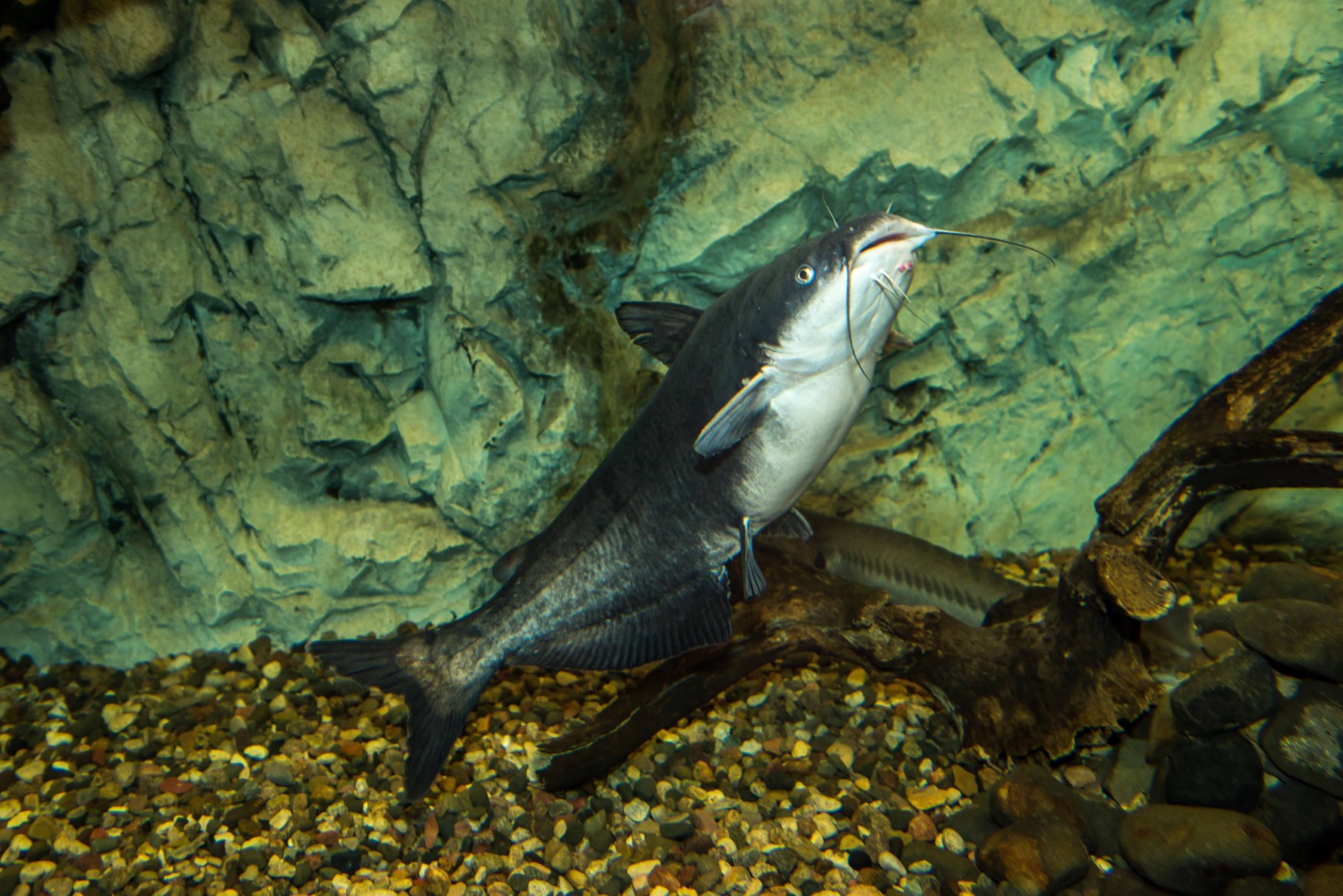
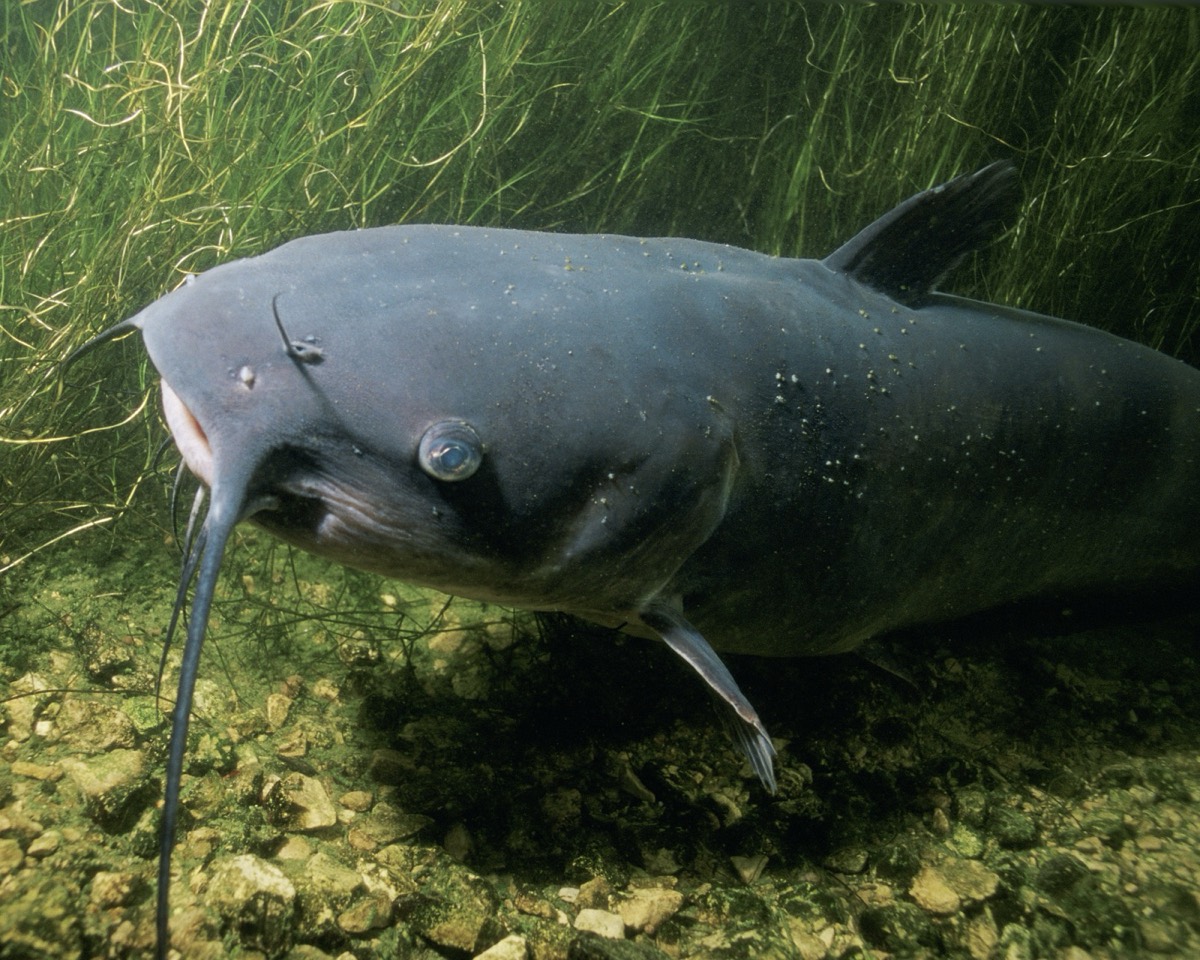
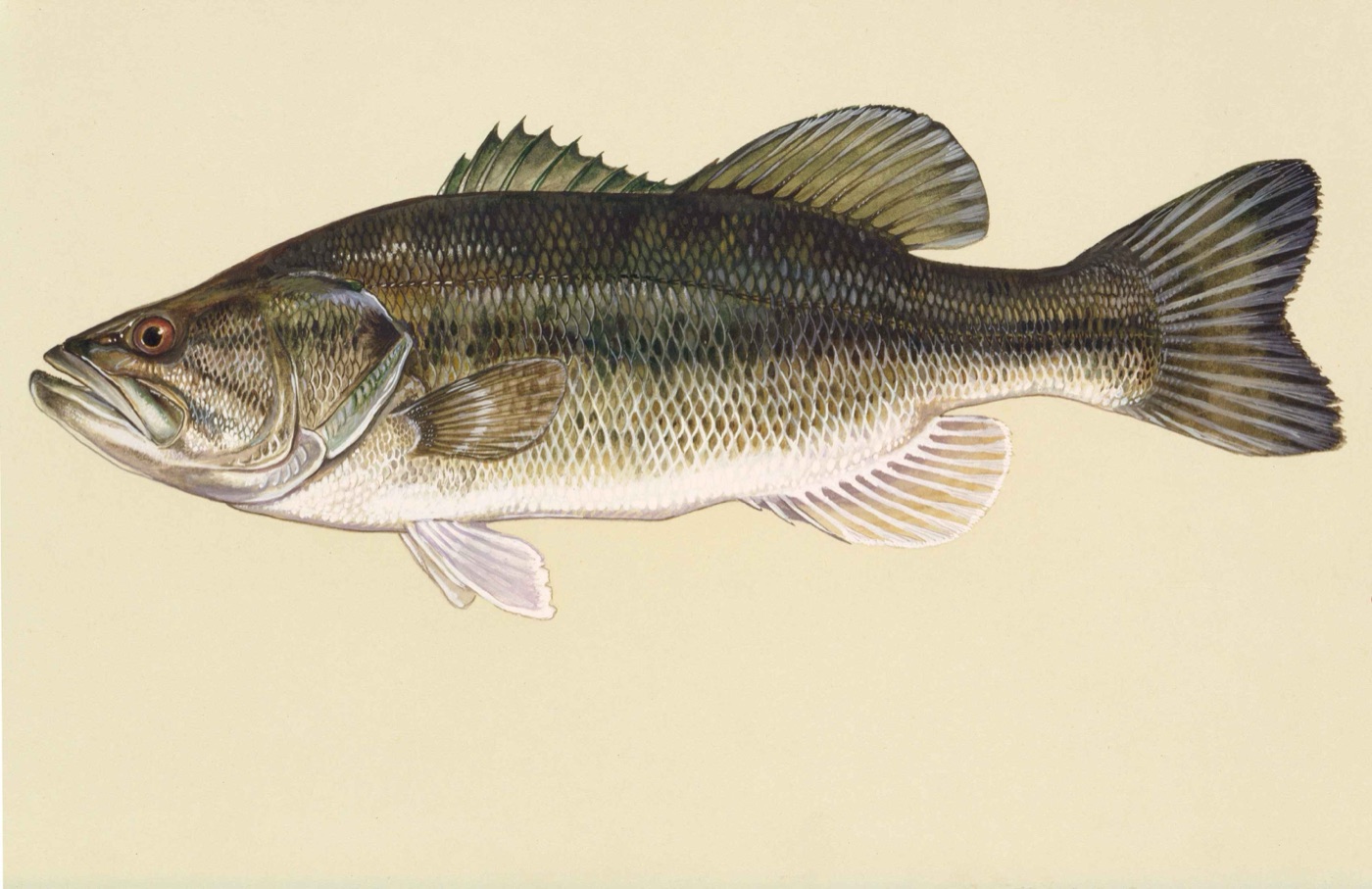
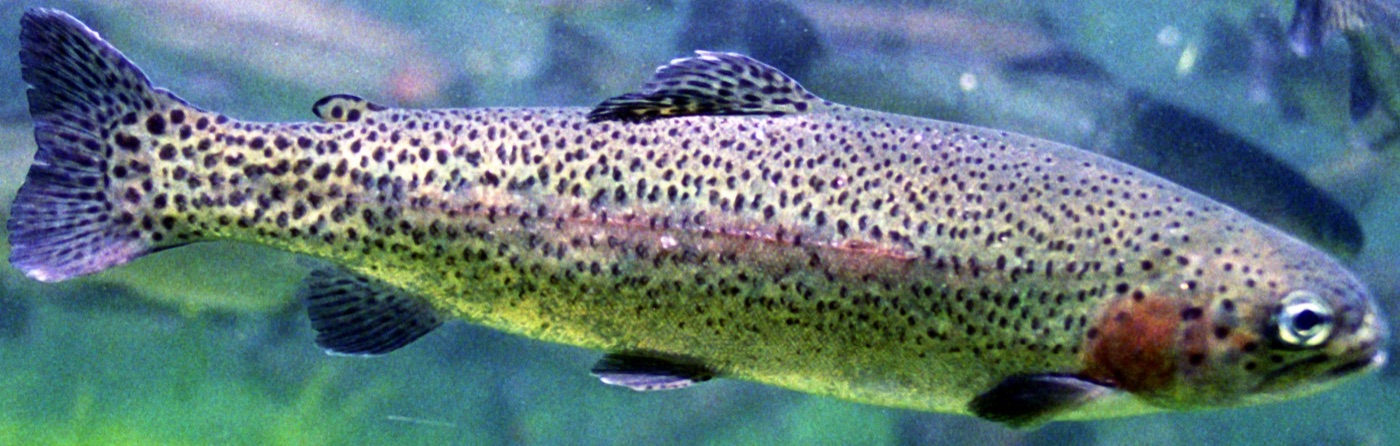
Oxygen requirements split the fish world, and the EPA names the extremes in one sentence: some organisms require nearly saturated oxygen — salmonids among them — while others, like channel catfish, tolerate very low levels. New Mexico State University’s pond guidance attaches working numbers for pond managers: warmwater fish such as bass and bluegill need about 5 ppm for good health, coldwater fish about 6.5, with kills below roughly 3 and 5 ppm respectively.
That split is a practical sorting tool:
| Water | Oxygen picture | Who keeps feeding |
|---|---|---|
| Cold riffled stream | Near saturation, constantly aerated | Trout — this is why they live here |
| Warm weedy pond, midsummer | Daily dawn lows, dead bottom layer | Channel catfish outlast bass and bluegill |
| Stratified reservoir | Oxygen banded above the thermocline | Everything, compressed into the band |
| Post-turnover lake | Remixed, column-wide | Everything, scattered |
The EPA’s aquatic surveys give the general gradient: under 5 mg/L is stressful, under 3 too low to support fish, under 1 usually devoid of life — with the caution that low oxygen concentrates near the bottom. One number never fits all waters, but the direction is universal: more oxygen, more options.
What this means on the water
Oxygen thinking turns several stale rules into sharper ones. In summer stratification, fish the band — not the bottom — and treat the thermocline as the floor of useful water. In heat, favor moving, shaded and spring-fed water, where temperature and aeration both work for you. On still, weedy water in a hot calm spell, respect the pre-dawn low and expect the bite to improve as the sun restarts the oxygen supply. And when autumn turnover scrambles a familiar lake, change your search pattern instead of your confidence — the fish didn’t leave; their map did.
The deeper habit is treating oxygen as the silent partner of every condition you already track. Temperature sets its ceiling, wind and current aerate it, plants cycle it daily, and the barometric pressure and best time to fish questions all sit on top of it. You cannot see dissolved oxygen — but on most waters, most days, you can predict it.
Frequently asked questions
What is a good dissolved oxygen level for fish?
Context matters more than one number, and agencies publish ranges rather than a single cutoff. The EPA's aquatic surveys describe levels under 5 mg/L as stressful for fish and under 3 mg/L as too low to support fish, with below 1 mg/L usually devoid of life. New Mexico State University's pond guidance splits it by group: warmwater fish like bass and bluegill need about 5 ppm, coldwater fish like trout about 6.5 ppm. Those are pond-management figures — the honest rule is that more oxygen supports more fish, and different species draw the line in different places.
Why do fish kills happen at dawn?
Because plants switch sides at night. The EPA's stressor guidance explains that plant production adds oxygen in daylight but consumes it in darkness, so dissolved oxygen tends to be lowest just before photosynthesis restarts — and it documents kills of aquatic life occurring abruptly in early morning, usually between about 2 a.m. and sunrise. The risk concentrates in warm, slow, plant-heavy water during calm weather; turbulent, riffled water is largely protected by constant aeration.
Where does the oxygen go in a lake in summer?
It gets trapped above the thermocline. Missouri's Department of Conservation describes summer ponds stratifying into three layers, and by mid-July the bottom layer — the hypolimnion — may be completely devoid of oxygen. Fish cannot survive there, which is why the agency says plainly that there is little point fishing the bottom of a pond in summer. USGS adds the squeeze from the other side: surface water may run too warm for coolwater species, pinning fish into a band between heat above and suffocation below.
What is lake turnover and why does fishing change after it?
Turnover is the autumn remix. As the surface cools it sinks, and Missouri's Department of Conservation notes the mixing can happen literally overnight — after which the entire pond's volume is open to fish again and they may be found throughout the water column. The summer rule of ignoring deep water dies with the turnover; patterns scatter until the water settles into its cold-season shape.
Which fish tolerate low oxygen best?
The EPA's guidance names the extremes: some organisms require nearly saturated oxygen — salmonids among them — while others, like channel catfish, tolerate very low levels. That single sentence explains a lot of water: why trout hold in riffles and spring-fed reaches, why catfish keep feeding in warm, still ponds that would stress a bass, and why the same summer evening can be productive on one water and dead on another.
Sources
- Dissolved Oxygen and Water — US Geological Survey, Water Science School. Accessed August 11, 2026.
- CADDIS Volume 2: Dissolved Oxygen — US Environmental Protection Agency. Accessed August 11, 2026.
- Indicators: Dissolved Oxygen — US Environmental Protection Agency, National Aquatic Resource Surveys. Accessed August 11, 2026.
- Ponds in Missouri: Water Quality and Stratification — Missouri Department of Conservation. Accessed August 11, 2026.
- Understanding and Preventing Fish Kills in Ponds (W-104) — New Mexico State University, Cooperative Extension. Accessed August 11, 2026.
- 30 Years of Fish Kill and Pollution Investigations: Results — Texas Parks and Wildlife Department. Accessed August 11, 2026.
How we choose sources: sources policy.
More in this series
One condition rarely acts alone. BiteScore reads them together.
Fishing Club AI combines live weather, marine conditions and moon data into a simple bite forecast for your exact spot.
Get the App