Catch and Release: Doing It So the Fish Survives
A survivable release is built before the fish is hooked: circle or barbless hooks, a rubber net, and a plan to keep the fish wet. NOAA's best practices set the core rules — never fight a fish to exhaustion, handle it only with wet hands, keep air exposure under 60 seconds, cut the line on swallowed hooks, and revive a sluggish fish facing into the current until it swims off on its own.
Key takeaways
- NOAA: keep air exposure under 60 seconds — and peer-reviewed work finds impairment rising past 30 seconds, especially in warm water.
- Wet hands and rubber nets protect the mucus coat that shields fish from infection.
- Florida's agency: circle hooks are 90% more likely to hook the mouth instead of the gut.
- Swallowed the hook? Cut the line close and leave it — digging does more harm than the hook.
- Fish hauled from beyond about 30 feet can suffer barotrauma; descending devices are the research-supported answer.
- Heat changes the math: Montana restricts afternoon fishing when streams hit 73°F for three days — released fish die easier in warm water.
Release outcomes are decided before the cast
Most of a fish’s survival odds are set by what’s tied on and lying in the boat before it ever bites. NOAA’s best-practices list starts at the tackle bench: circle hooks, barbless hooks or crimped barbs, which raise survival and simplify unhooking — some fisheries require circles outright — and a wet, knotless or rubber landing net, which spares a fish’s eyes, fins, scales and mucus coating in a way twisted nylon cannot.
The circle-hook case comes with an agency number. Florida’s Fish and Wildlife Conservation Commission credits them as 90% more likely to hook fish in the mouth instead of the esophagus or stomach — and a mouth-hooked fish is a five-second release instead of a surgery decision. Have pliers or a dehooker rigged where you can reach them with one hand; the fish pays for every second you spend digging through a bag.
The fight and the landing set the clock
A fish’s condition at the net is spent or saved during the fight, and NOAA’s rule is blunt: never fight a fish to exhaustion. Land it as quickly as your tackle honestly allows — Florida’s guidance puts even sharks, billfish and tarpon boatside within twenty minutes — because exhaustion is the debt the fish pays back during recovery, or doesn’t.
Then keep the water in the equation. Dehook the fish in the water whenever possible, NOAA advises; every task you can do over the side instead of on the deck subtracts from the only clock that matters next.
Handling: wet, low, horizontal, brief
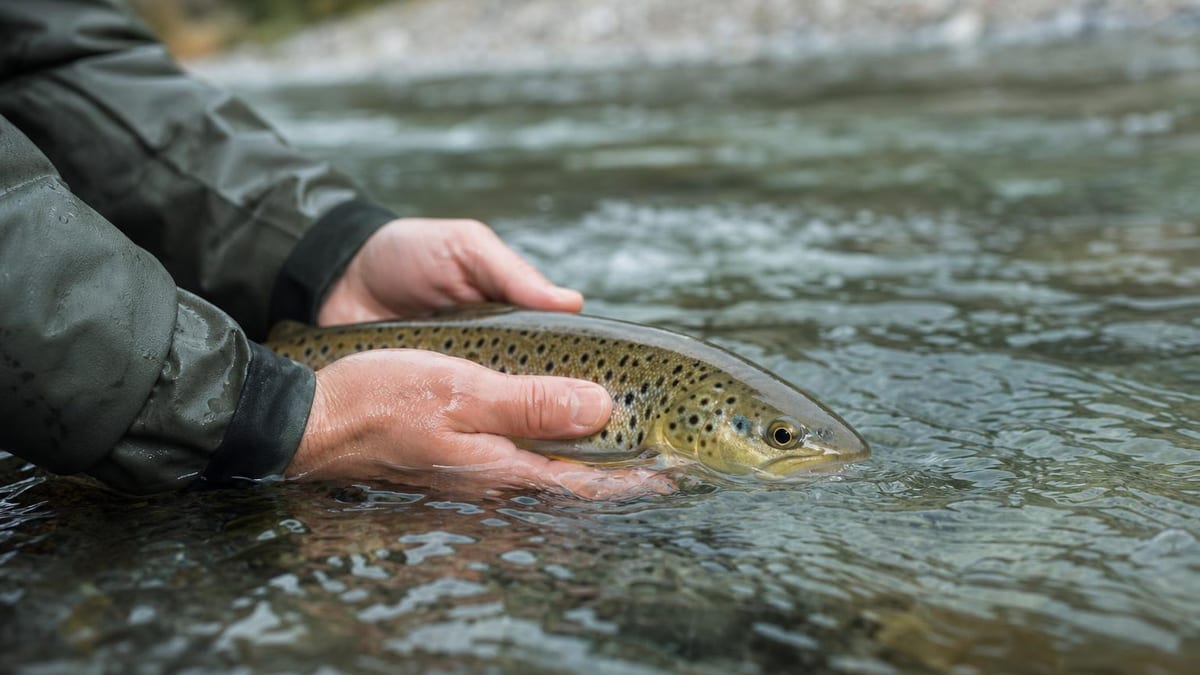
The handling rules all serve the same two organs — skin and gills. Wet hands only, and as little contact as possible: Florida’s agency explains that dry hands strip the slime coat that protects fish from infection, an injury invisible on release day and fatal weeks later. Keep fingers away from eyes and gills entirely. Support the body horizontally along its length — fish swim horizontally, as the FWC puts it, and NOAA bans the classic mistake in four words: never suspend a fish by its lip or mouth. Jaw joints and vertebrae weren’t built to carry body weight in air.
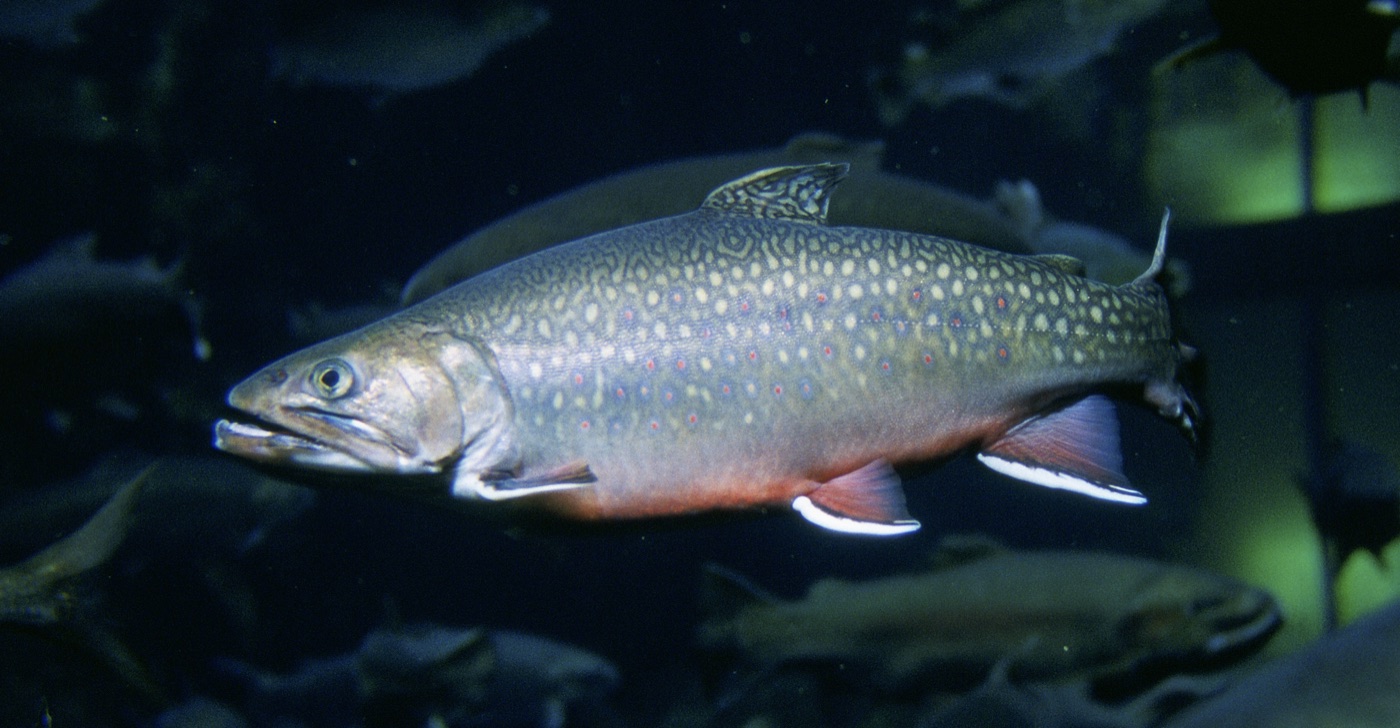
Air itself is the quiet killer, and the numbers are firm. NOAA’s line: under 60 seconds, ideally less. The peer-reviewed detail is sharper — a Conservation Physiology study of brook trout found reflex impairment climbing sharply past 30 seconds of air exposure, with heat above about 19.5°C compounding it and bigger fish showing sensitivity past even 10 seconds. Equilibrium loss was rare below ten. The photo you want exists inside that first breath-hold — compose first, lift second, and the fish never knows the difference.
When the hook is deep, the kindest tool is the cutter. NOAA and Florida agree from independent research: cut the line as close to the hook as possible and leave it, because prolonged extraction does more damage than the steel. And when a fish comes to hand sluggish, revive it the way reading water would suggest — facing into the current, water flowing naturally through the gills until it kicks free. Never saw it back and forth; gills, like lungs, only work in one direction.
Depth and heat rewrite the rules
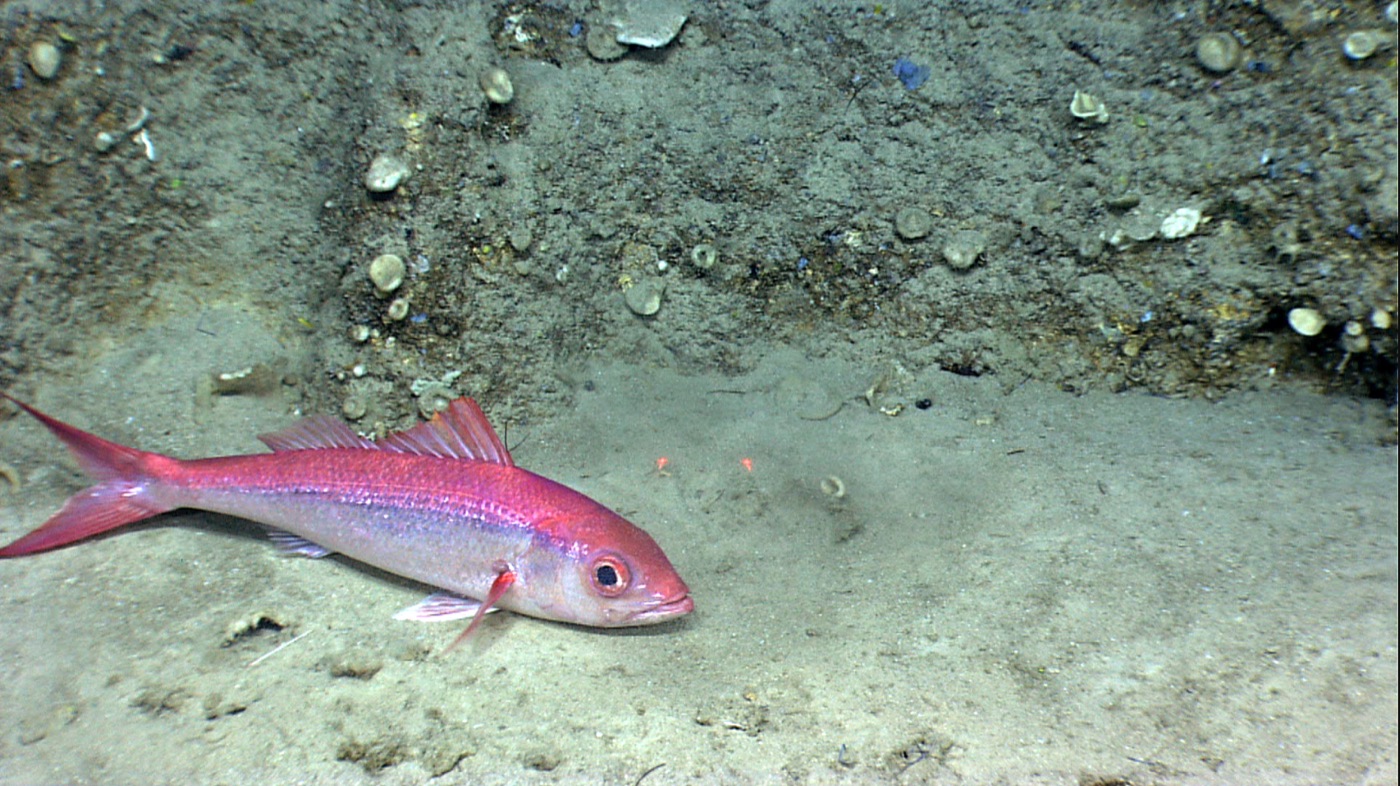
Two conditions turn a good release routine into a specialist’s job. The first is depth. Haul a fish up from beyond roughly 30 feet and NOAA warns it will generally show some barotrauma — bulging eyes, stomach pushed out through the mouth, a bloated body, sluggish swimming — with serious effects typical from around 90 feet. Venting was yesterday’s answer; NOAA states today’s research supports descending devices — weighted hooks, lip clamps, inverted baskets that carry the fish back to capture depth and let the gas recompress. The stakes are counted in millions: of the ten-million-plus federally managed reef fish released yearly, NOAA estimates at least a million die. A red snapper released at the surface with its stomach showing isn’t released — it’s donated to the gulls, unless it rides a weight back down.
The second is heat, and agencies legislate around it. Montana’s “hoot owl” restrictions shut fishing from 2 p.m. to midnight once a stream holds 73°F for three straight days, because — in the agency’s words — fish in low, warm water grow more susceptible to stress, disease and mortality; Yellowstone closes streams outright on the same logic. That institutional caution scales directly to a personal one, since water temperature multiplies every stress in the study above: in a heat wave, fight fast, keep fish submerged, forget the hero shot — or give the brook trout stream a rest and fish somewhere cold.
What this means on the water
Rig circles or pinch barbs, carry a rubber net and a reachable dehooker, and add a descending device the day you fish past 30 feet. Fight hard and short, unhook over the side, and when hands must touch fish, make them wet hands under a slow count of ten. Deep hook: cut. Sluggish fish: nose to the current until it leaves on its own. Hot spell: fish the cool hours or the cool water.
None of it is ceremony. Every line above traces to an agency page or a physiology study, and together they compress into a single honest sentence: a fish released well was barely out of the water at all.
Frequently asked questions
How long can a fish safely be out of water?
NOAA's best-practices page draws the line at under 60 seconds, and the peer-reviewed picture is tighter: a study of exercised and air-exposed brook trout found reflex impairment climbing when exposure passed 30 seconds and temperatures passed about 19.5°C, with larger fish sensitive beyond even 10 seconds. Equilibrium loss was rare under 10 seconds. The working rule: have the camera ready before the fish comes up, and count your photo in breaths, not minutes.
Should I remove a deeply swallowed hook?
No — cut the line instead. NOAA's guidance is to cut as close to the hook as possible when a swallowed hook can't be easily removed, and Florida's fish and wildlife agency adds that research shows prolonged removal attempts often do more harm than good. Hooks shed or corrode in time; torn gills and gut damage don't heal on a timetable. Circle hooks shrink the whole problem — Florida credits them as 90% more likely to hook the mouth rather than the esophagus or stomach.
How do I revive a fish before release?
Face it into the current and let water do the work. NOAA describes resuscitating a sluggish fish by pointing it head-first into the current or pulling it head-first through the water until it regains strength and swims off on its own. Florida's agency adds the common mistake to avoid: never push a fish back and forth — water flowing backward through the gills doesn't oxygenate them. Hold, aim upstream, wait for the kick.
What is barotrauma and when should I worry about it?
Pressure injury from a fast ride up. NOAA notes fish caught deeper than about 30 feet generally suffer some effect — bulging eyes, a stomach protruding from the mouth, a bloated midsection — with the problem generally serious from around 90 feet. The research-supported response is returning the fish to depth with a descending device: a weighted hook, lip clamp or inverted basket that carries it back down to where its swim bladder recompresses. In Gulf reef fisheries, NOAA estimates at least a million released reef fish die each year — depth is not a minor detail.
Does warm water change how I should release fish?
It changes everything, and agencies act on it. Montana Fish, Wildlife & Parks imposes 'hoot owl' restrictions — no fishing from 2 p.m. to midnight — when a stream hits 73°F for three consecutive days, precisely because fish become more susceptible to stress, disease and mortality in low, warm water; Yellowstone closes streams on the same logic. The air-exposure study found the same synergy: heat multiplies handling stress. In summer, fight fish fast, skip the photos, and consider fishing cooler hours or waters.
Sources
- Catch and Release Fishing Best Practices — NOAA Fisheries. Accessed August 11, 2026.
- Fish Handling — saltwater recreational fishing — Florida Fish and Wildlife Conservation Commission. Accessed August 11, 2026.
- Gulf reef fish anglers: help reef fish survive release — NOAA Fisheries. Accessed August 11, 2026.
- Descending device requirements and barotrauma guidance — NOAA Fisheries. Accessed August 11, 2026.
- Hoot owl restrictions announcement — Montana Fish, Wildlife & Parks. Accessed August 11, 2026.
- Fishing in Yellowstone — temperature closures — National Park Service, Yellowstone. Accessed August 11, 2026.
- Air exposure and temperature effects on brook trout release condition — Brownscombe et al., Conservation Physiology (via PubMed Central). Accessed August 11, 2026.
How we choose sources: sources policy.
More in this series
Know when it's worth going.
Fishing Club AI turns live weather, pressure and moon data into a simple bite forecast for your spot — so the skills you practise get used on the right day.
Get the App