How to Tie a Uni Knot
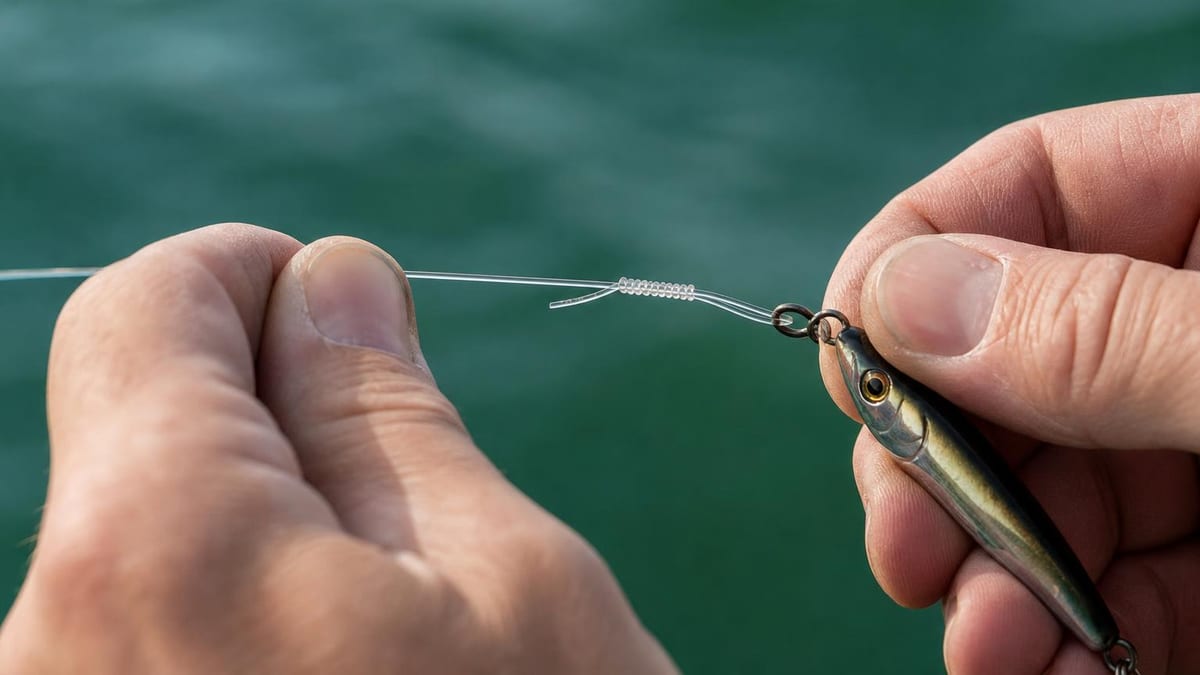
To tie a uni knot, pass the tag end through the hook eye, fold it back to form a loop alongside the standing line, wrap the tag five to six times through that loop around both strands, then moisten and pull the tag to close the barrel before sliding it down against the eye. One motion covers hooks, lures, line-to-line joins and even the reel spool — hence the name.
Key takeaways
- Five steps: through the eye, form a loop, five to six wraps through the loop, lock the wraps, moisten and seat.
- The same motion ties lures, joins lines (as the double uni) and spools a reel — one knot, many jobs.
- Its locking barrel grips slick braided line far better than clinch-style knots.
- Seat it in two stages: close the barrel first, then slide it down snug against the eye.
- Leave the barrel short of the eye on purpose and you get a small loop for freer lure action — snug it down for security.
- The same tie is also known as the grinner knot — one knot, two names.
How to tie it, step by step
- Type Terminal knot
- Difficulty Easy
- Best for All line types to hooks and lures; the basis of the double uni
-
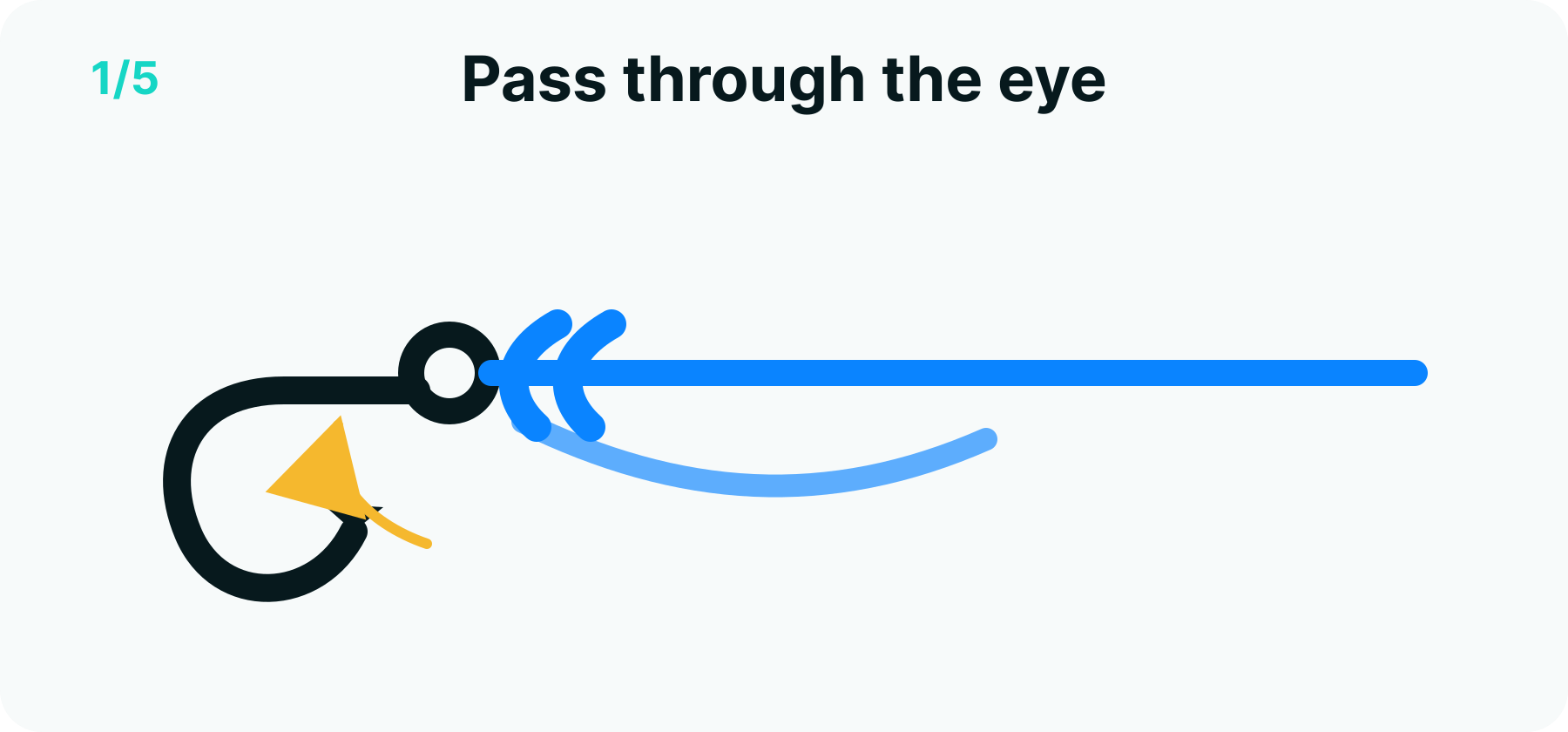 Step 1 of 5
Pass through the eye
Feed the tag end through the hook or lure eye and pull through a generous working length — eight inches gives the wraps room to form.
-
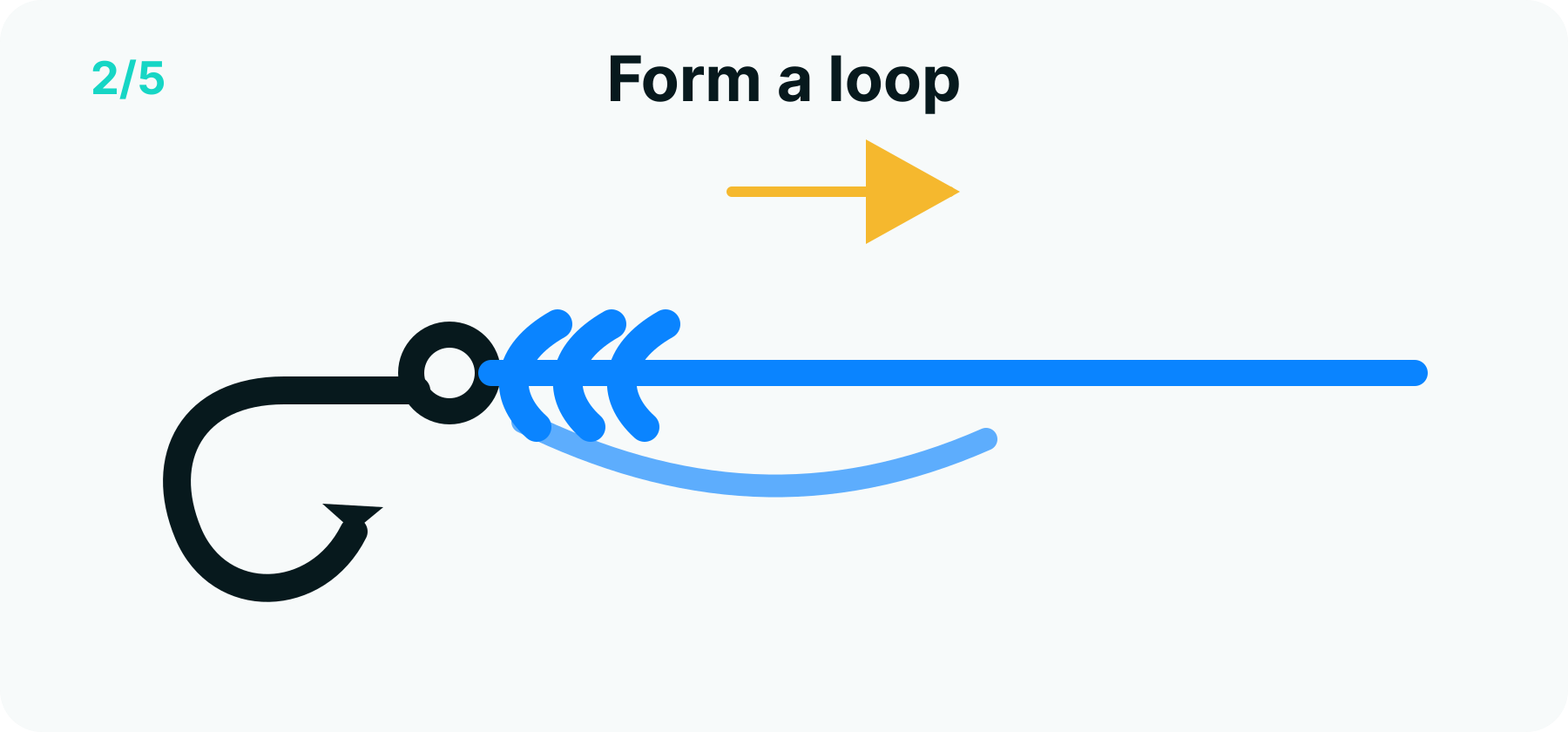 Step 2 of 5
Form a loop
Fold the tag back toward the eye so it lies alongside the standing line, forming an open loop beside the doubled section. This loop is the knot's engine room.
-
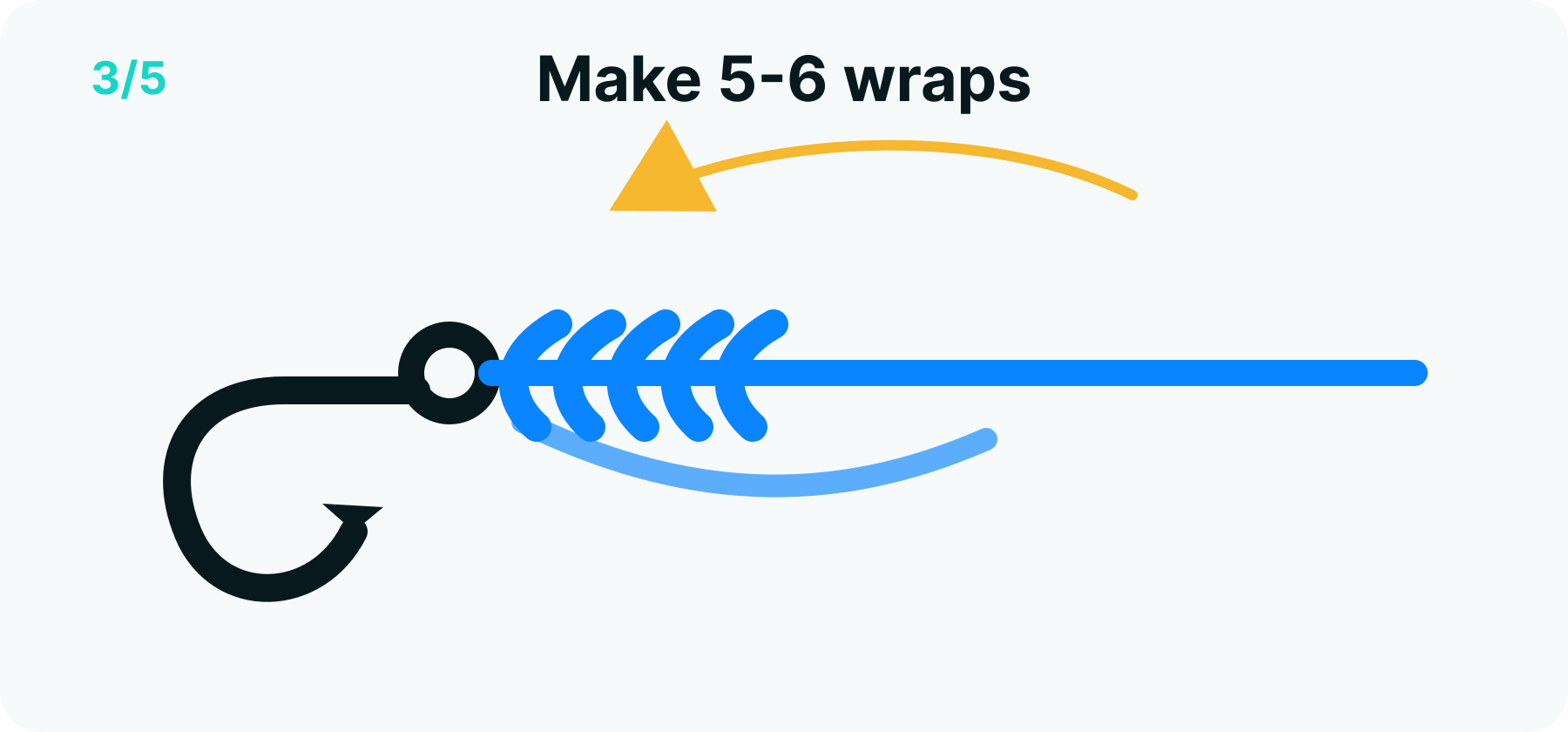 Step 3 of 5
Make 5-6 wraps
Wrap the tag end five to six times around both strands, passing through the open loop with each turn. Keep the wraps even and untwisted.
-
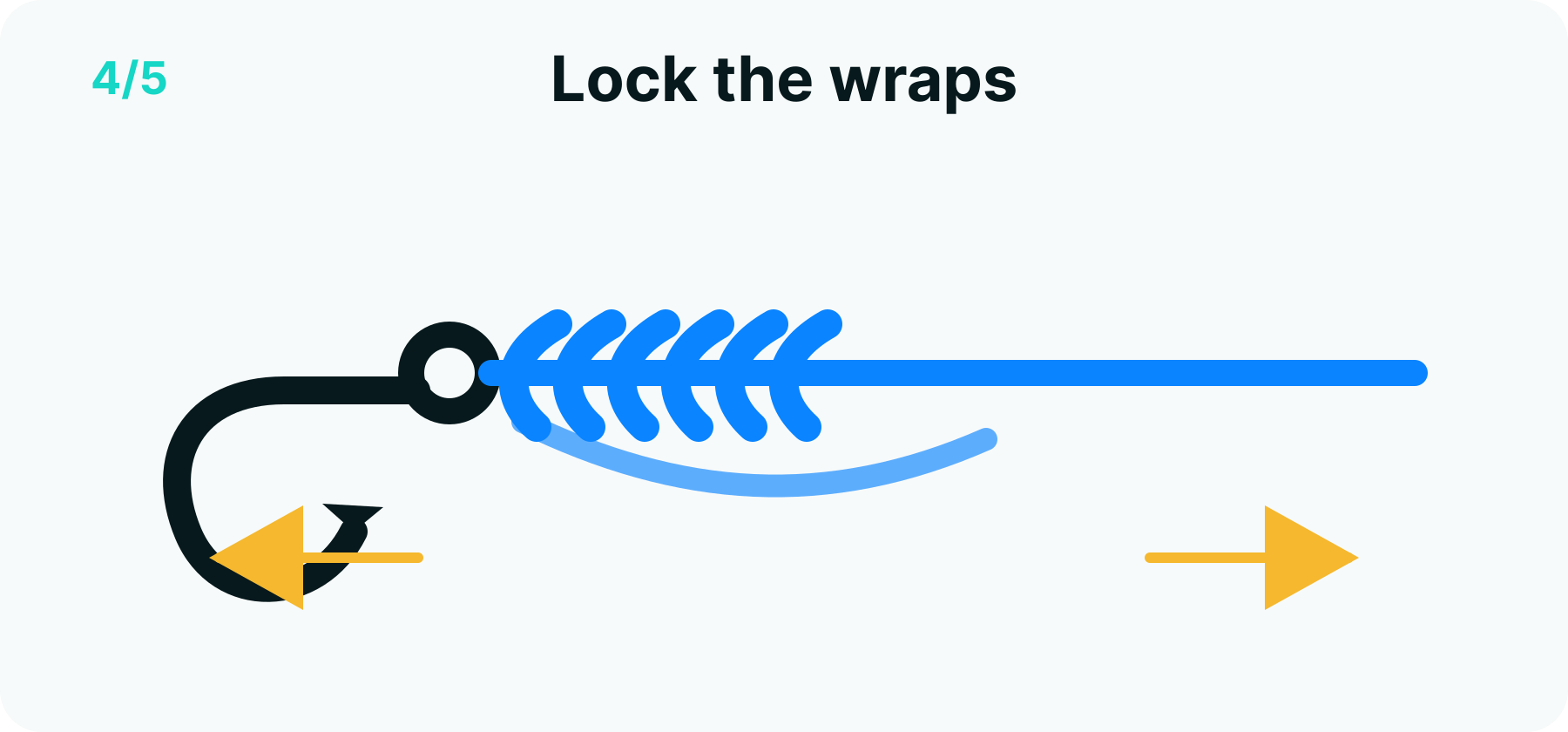 Step 4 of 5
Lock the wraps
Pull the tag end steadily so the wraps close into a neat barrel. Keep tension on the standing line while the barrel forms — this is what locks the knot.
-
 Step 5 of 5
Lubricate and seat
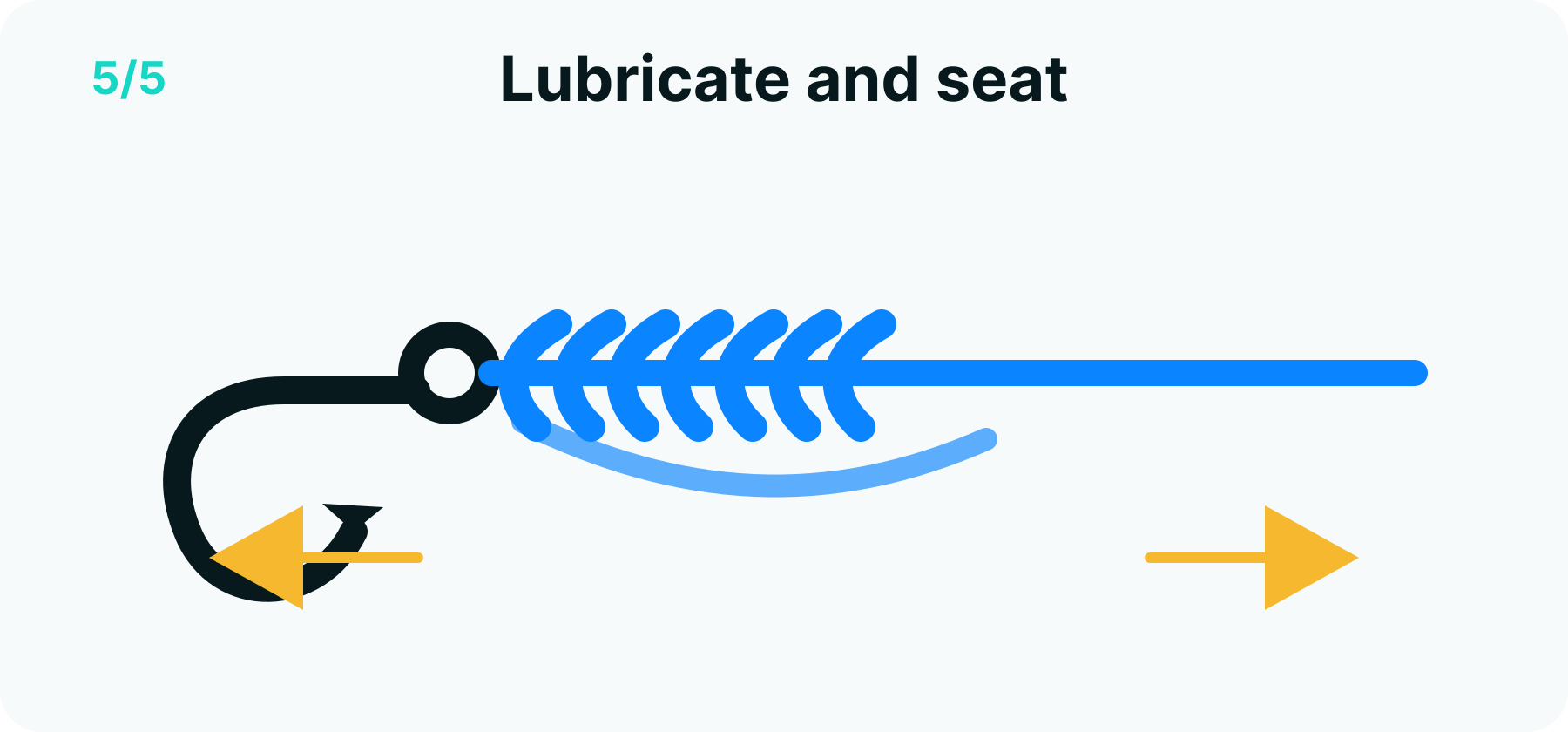
Moisten, then pull the standing line so the finished barrel slides down and seats against the eye — or stop short if you want a small working loop. Trim the tag.
Same steps, animated and in your pocket: the knot guide inside the Fishing Club AI app walks you through every tie hands-free. Get the app.
One motion, most of fishing
Every knot list has its specialists — and then there is the uni, whose entire reputation is refusing to specialise. The same five-step motion that ties your lure on will, repeated mirror-image, join two lines (the double uni); simplified around a spool, it becomes a serviceable arbor knot alternative; snugged to a hook it handles bait rigs. British anglers know the identical tie as the grinner. If you were allowed to teach a new angler exactly one knot, this is the strongest candidate — a claim we make about structure, not sentiment.
The structure is the interesting part. Unlike the clinch family, where wraps grip the standing line by raw friction, the uni’s wraps travel through a loop. When you pull the tag, that geometry cinches the wraps into a compact barrel that squeezes itself — the harder the load, the tighter the grip. It is the difference between a hand holding a rope and a hand holding a rope that tightens its own fingers.
The two-stage seat, and the trick hidden in it
The uni is unusual in separating “closing the knot” from “placing the knot.” Step four closes the barrel wherever it happens to stand on the line; step five slides that finished barrel down to the eye. Once you notice the two stages, a genuinely useful option appears: stop the slide early, on purpose, and the knot stands a short distance up the line — leaving a small loop through the eye.
That loop is not sloppiness; it is a feature. A lure or fly hanging on a loop swings freer than one pinned by a knot cinched to the eye, and freer movement is often the difference on finicky fish. Under a heavy strike the barrel slides home and locks against the eye anyway — the security returns exactly when it is needed. Fishing bait, or anywhere you want zero movement, seat it snug from the start. One knot, either behaviour, your choice per tie.
Why braid anglers keep it close
Braided line defeats friction knots: its coating is slick, its diameter thin, and clinch-style ties are notorious for slipping on it. The uni’s self-tightening barrel is the standard answer, and it is routinely recommended for braid for exactly that mechanical reason. Anglers running braid to a hook or snap commonly double the line first — twice the surface in the barrel, twice the bite. Its only serious rival on braid is the Palomar, which achieves security through doubled-line geometry instead; between the two, the honest advice is unglamorous: the better knot is the one your hands tie perfectly in the rain.
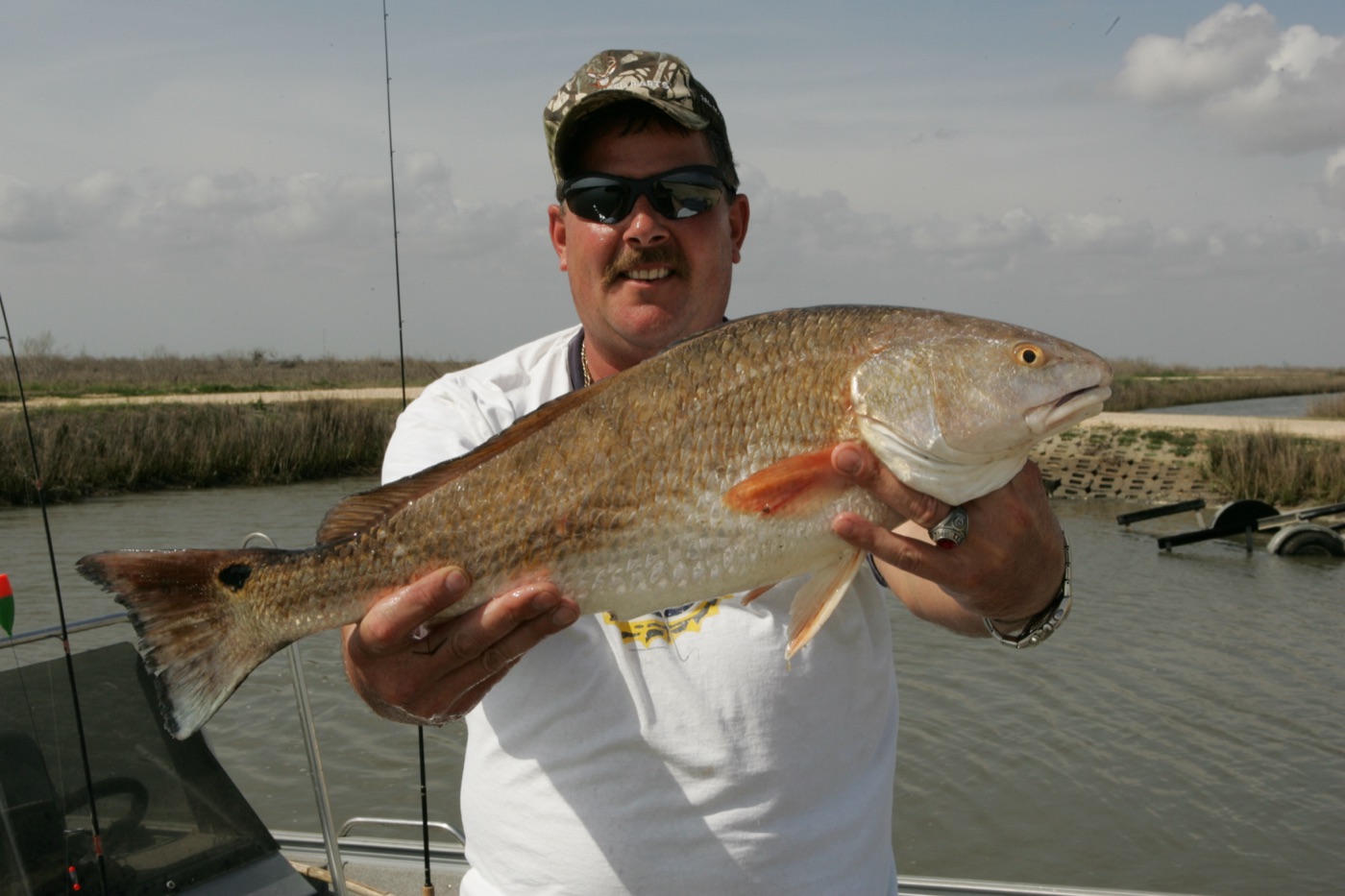
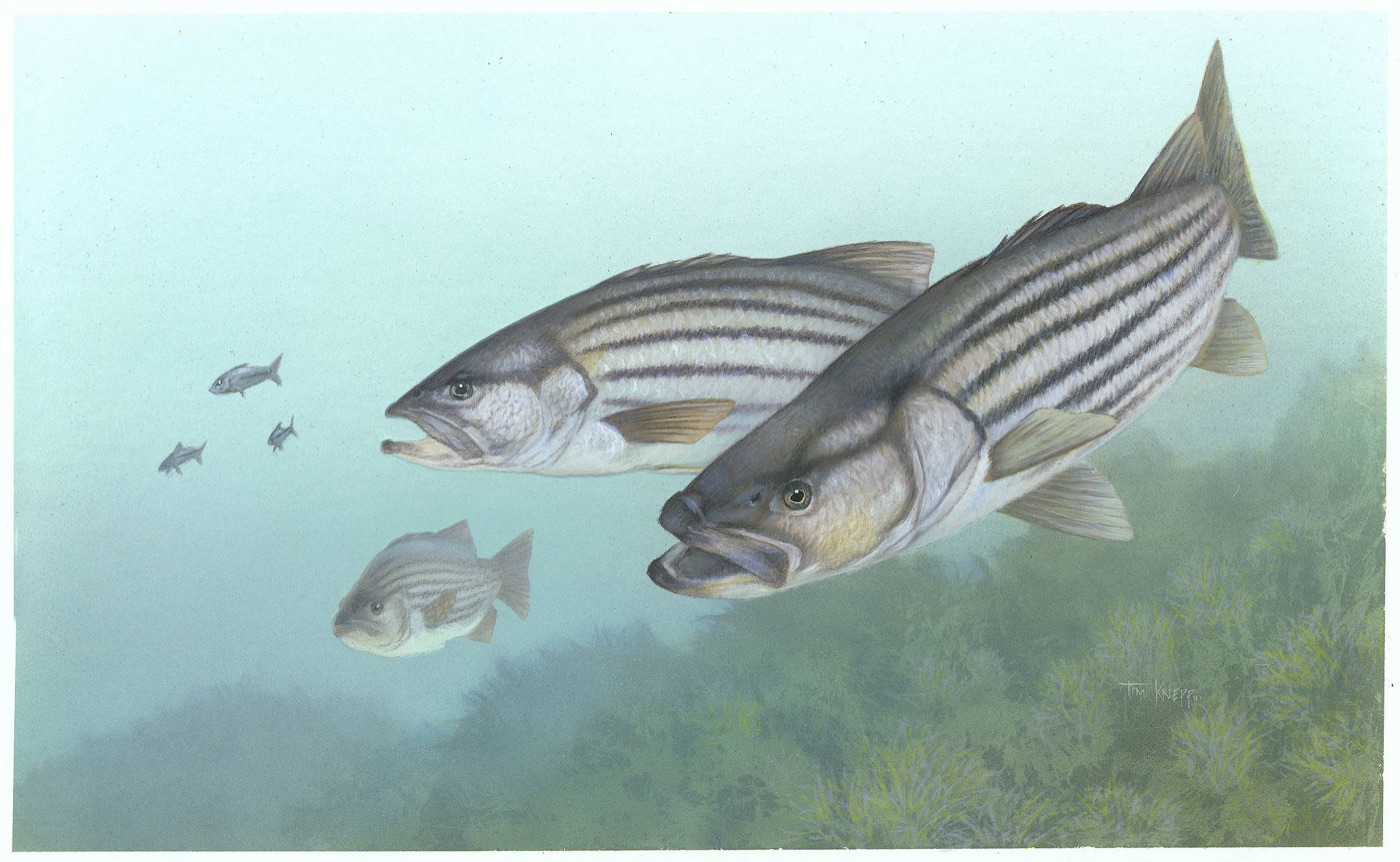
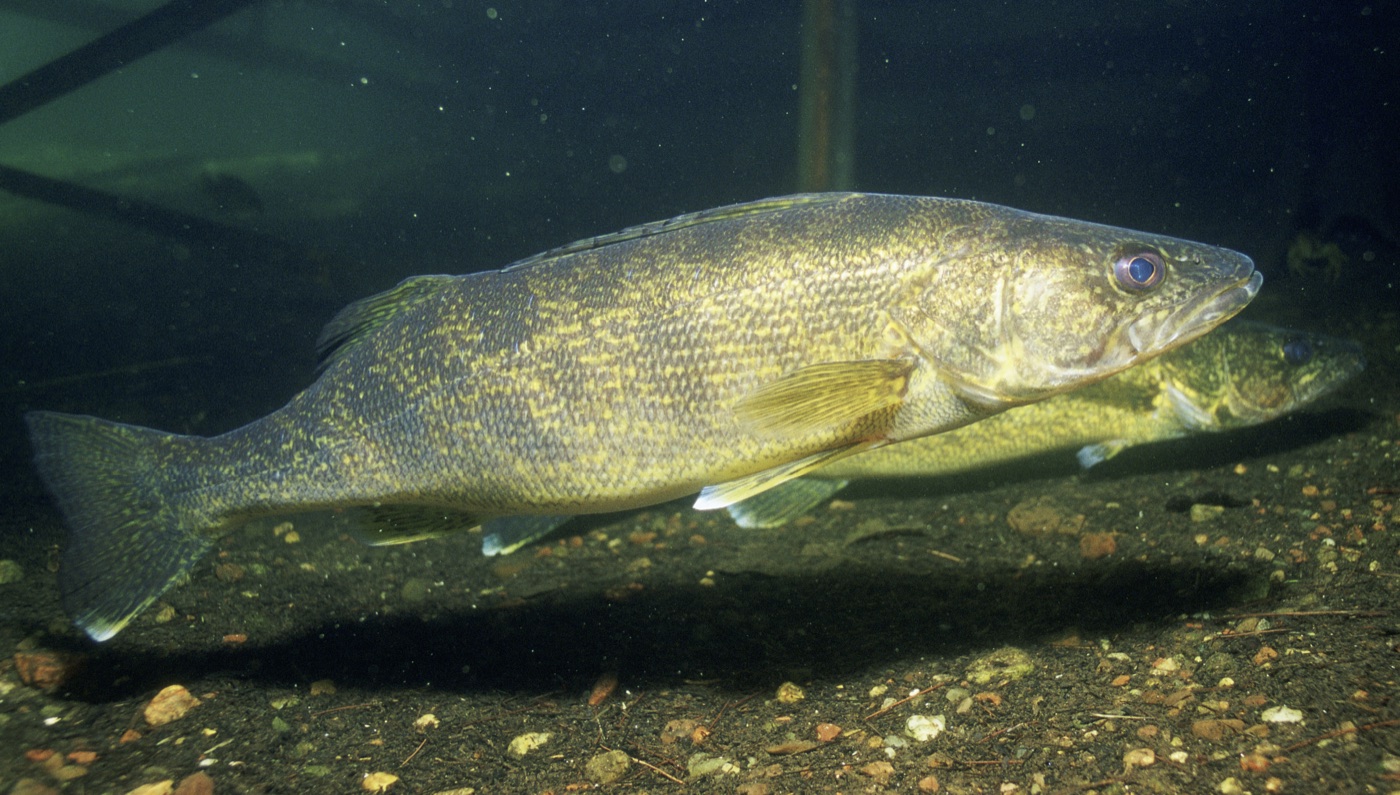
The uni also behaves well across line types — mono and fluorocarbon seat cleanly at five to six wraps — which is precisely what makes it the traveller’s knot. Change species, change line, change country: the motion in your fingers still works. It ties on a jig for walleye, a plug for striped bass, a spoon for redfish, without renegotiation.
Faults to check before you cast
The uni fails in predictable, visible ways. Wraps that crossed inside the loop close into a lumpy, uneven barrel — cut and retie; a healthy barrel looks machined. Seating it dry burns line at the coils, same as any knot: moisten first, always. Pulling standing line and tag simultaneously before the barrel has formed collapses the loop into a tangle — close with the tag first, then slide with the standing line. And as with every knot, retie after hard fish and snags; the barrel that survived a shock has already spent strength you cannot see.
Practise it until the loop-and-wraps motion is automatic — it is the highest-value muscle memory in knot craft, because it is the one motion that reappears everywhere. The full step-by-step catalogue lives in our knots hub, and the animated version rides along in the Fishing Club AI app for the moment your hands forget on the water.
Frequently asked questions
What is the uni knot good for?
Almost everything, which is the point of its name. Tied once, it fastens line to a hook, lure or swivel. Tied twice back-to-back it becomes the double uni, one of the standard ways to join two lines. Snugged around a spool arbor it puts new line on a reel. Learning this single motion therefore covers three of the four jobs a fishing knot can have — only loop knots fall outside it. For anglers who want the shortest possible list of knots to memorise, uni plus a loop knot is a defensible complete answer.
Is the uni knot good for braided line?
Yes — it is one of the standard recommendations for braid. Where clinch-style knots rely on bare friction that braid's slick coating defeats, the uni's wraps pass through a loop and cinch into a locking barrel that tightens on itself under load. Many braid users double the line before tying for extra bite. The Palomar is its main rival on braid; between the two, tie whichever your hands do better.
How is a uni knot different from a clinch knot?
Both wrap the tag around the standing line, but the geometry differs where it counts. In a clinch knot the wraps sit outside and the tag tucks through a small opening at the eye — friction is the whole story. In a uni, the wraps travel through a loop, so drawing the tag cinches everything into a self-tightening barrel. That structure is why the uni slips less on slick lines and why it can be seated away from the eye and slid into place — something a clinch cannot do.
What is a grinner knot?
The same knot under another name. The tie shown in our diagrams is known both as the uni knot and as the grinner knot, and the double grinner is likewise the double uni. Nothing about the tying differs — if you meet either name in fishing writing, the diagrams above serve both.
Why leave a gap between the uni knot and the hook eye?
Because the uni seats in two stages, you get a choice the clinch family never offers. Pull the tag and the barrel closes wherever it stands; slide the barrel down and it snugs against the eye. Stop short deliberately and the small loop that remains lets a lure or fly swing more freely — and under a strong fish the barrel simply slides down and locks. Snug it fully when using bait or when maximum security matters.
Sources
- Uni Knot — Take Me Fishing (Recreational Boating & Fishing Foundation). Accessed August 12, 2026.
- Knots Every Angler Should Know — Iowa Department of Natural Resources. Accessed August 12, 2026.
- Knot Tying Lesson Plan, I FISH NY Program — New York State Department of Environmental Conservation. Accessed August 12, 2026.
- Learn to fish: tying the knot — Utah Division of Wildlife Resources. Accessed August 12, 2026.
- Best Fishing Knots — Take Me Fishing (Recreational Boating & Fishing Foundation). Accessed August 12, 2026.
- Common Fishing Knots, I FISH NY — New York Sea Grant, Stony Brook University. Accessed August 12, 2026.
How we choose sources: sources policy.
More in this series
Know when it's worth going.
Fishing Club AI turns live weather, pressure and moon data into a simple bite forecast for your spot — so the skills you practise get used on the right day.
Get the App