How to Tie a Double Uni Knot
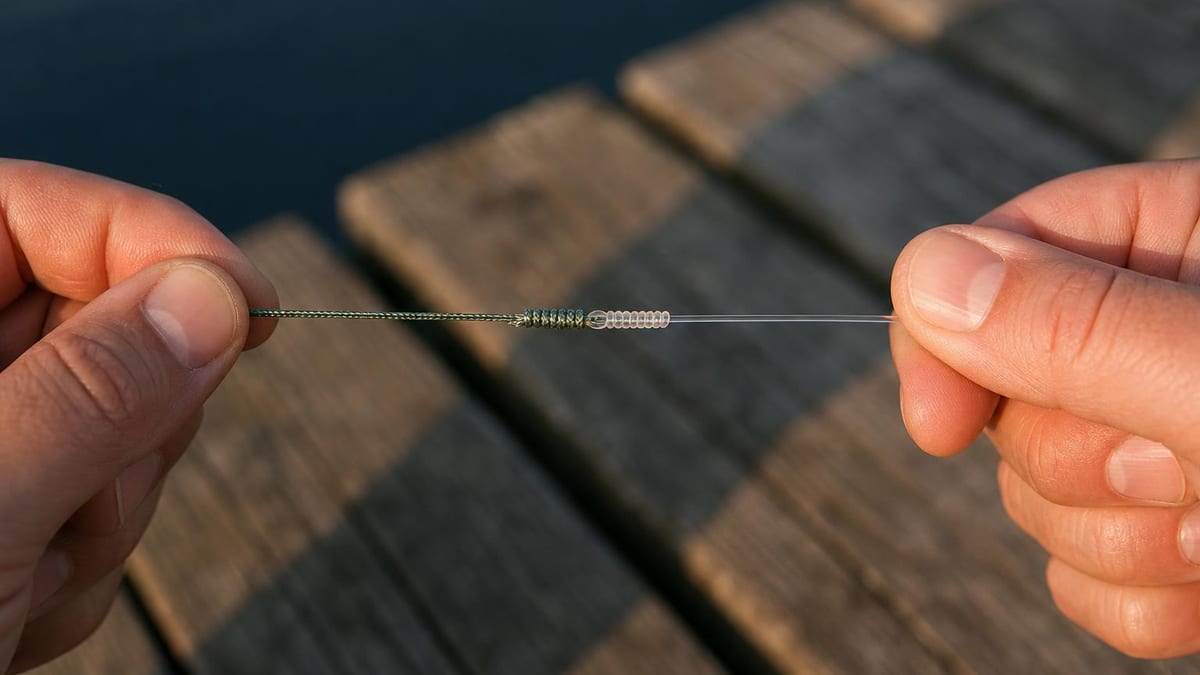
To tie a double uni knot, overlap the two lines, tie a uni knot with each tag end around the other line — more wraps on the thinner line, fewer on the thicker — then moisten and pull the standing lines so the two barrels slide together and jam. It is the standard all-purpose join for two lines, including braid to leader.
Key takeaways
- Five steps: overlap the lines, wrap one side, wrap back the other way, seat the barrels together, trim.
- It is simply two uni knots tied back-to-back — if you can tie one uni, you already know this join.
- Unequal lines want unequal wraps: more turns on the thin slick line, fewer on the thick stiff one.
- Seat it by pulling the standing lines so the barrels slide together and jam against each other.
- More forgiving to tie than the FG knot, and the usual first braid-to-leader join anglers learn.
- Its finished size is its one cost — the twin barrels are bulkier through the guides than a woven FG connection.
How to tie it, step by step
- Type Line-to-line knot
- Difficulty Moderate
- Best for Braid to leader; joining any two lines
-
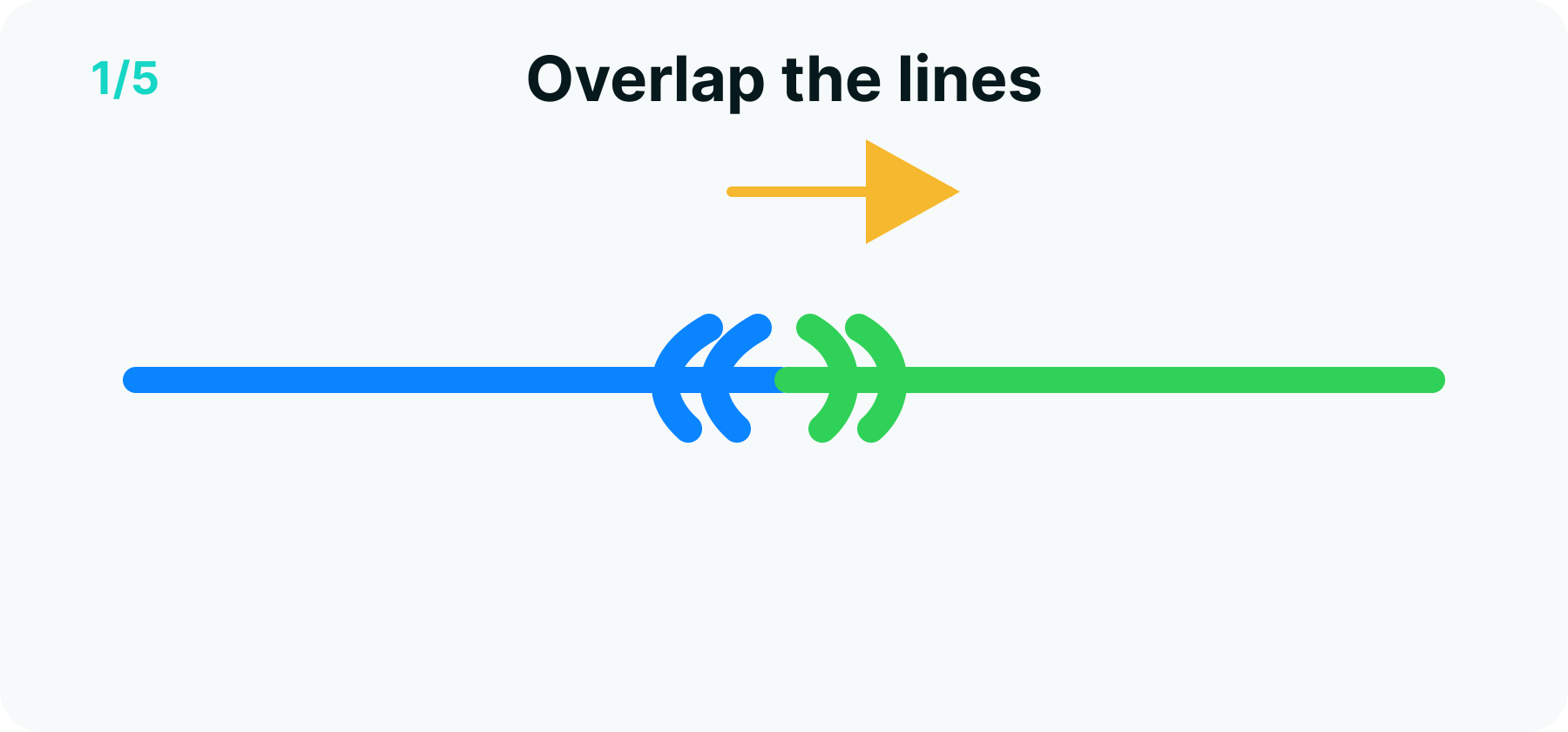 Step 1 of 5
Overlap the lines
Lay the two lines alongside each other, overlapping by eight inches or so — enough working length for a full set of wraps from each side.
-
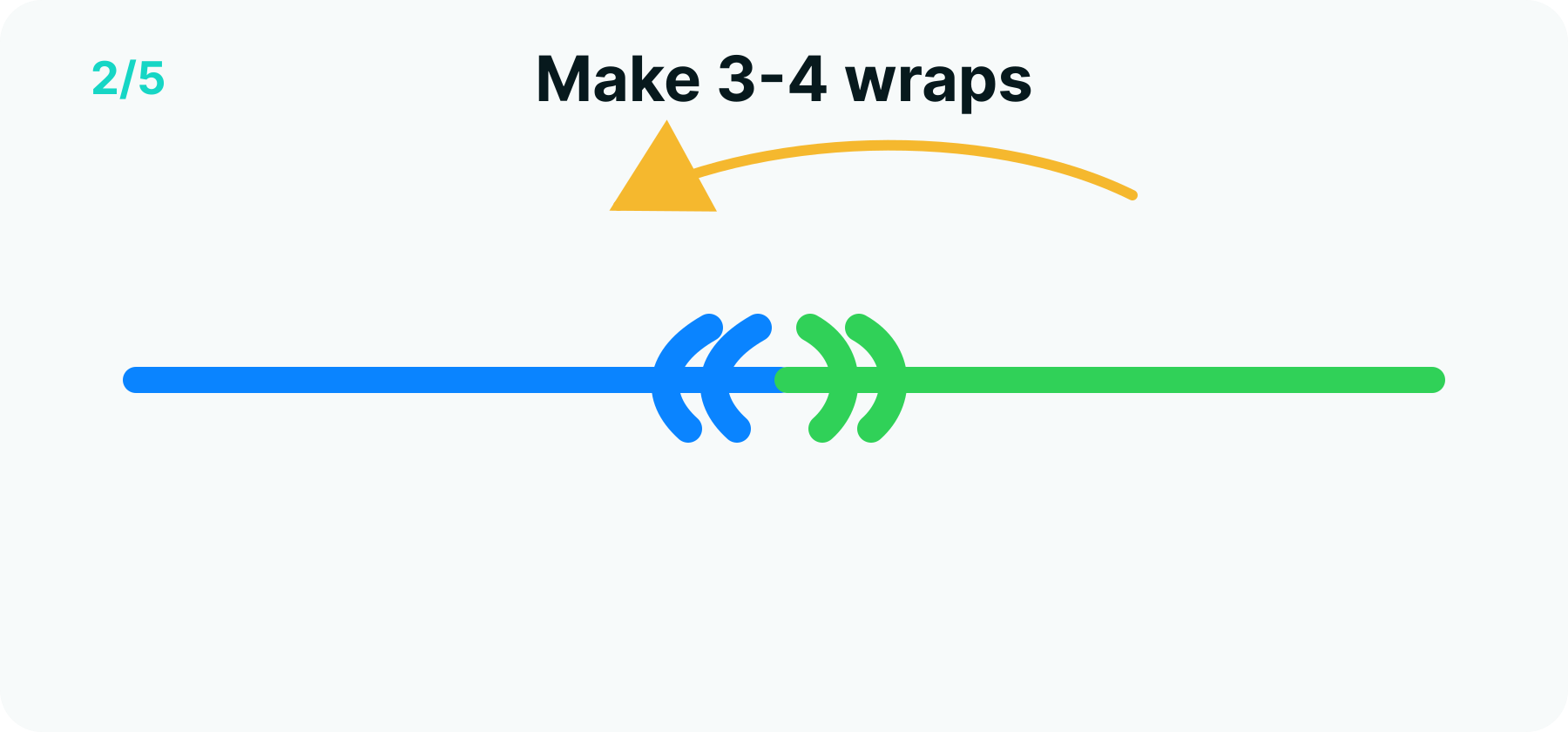 Step 2 of 5
Make 3-4 wraps
With one tag end, form a loop and wrap three to four times around both lines, passing through the loop each turn — a uni knot tied around the other line. Cinch it into a neat barrel.
-
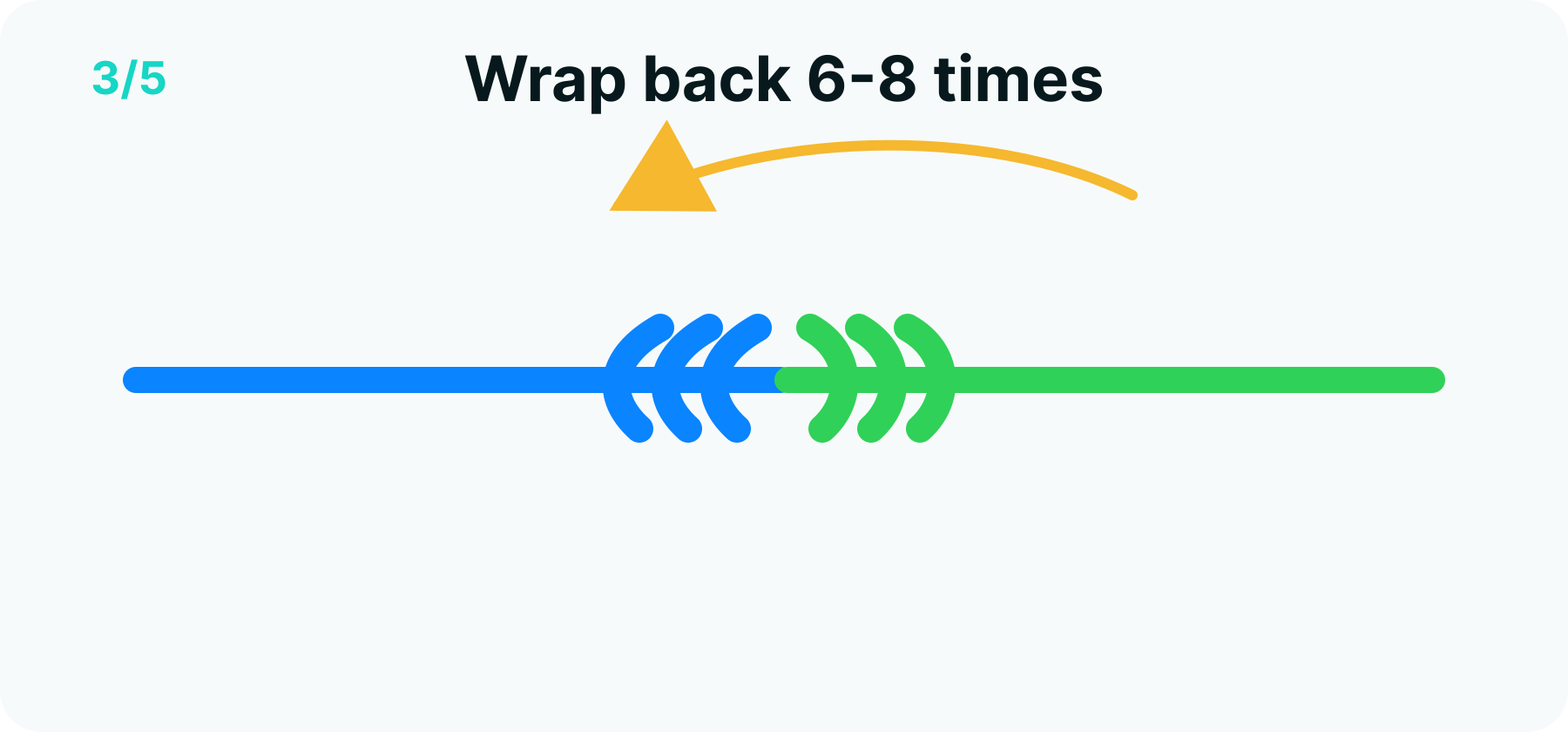 Step 3 of 5
Wrap back 6-8 times
Turn to the other tag end — the thinner line, if they differ — and tie its own uni around both lines with six to eight wraps. Cinch this barrel too.
-
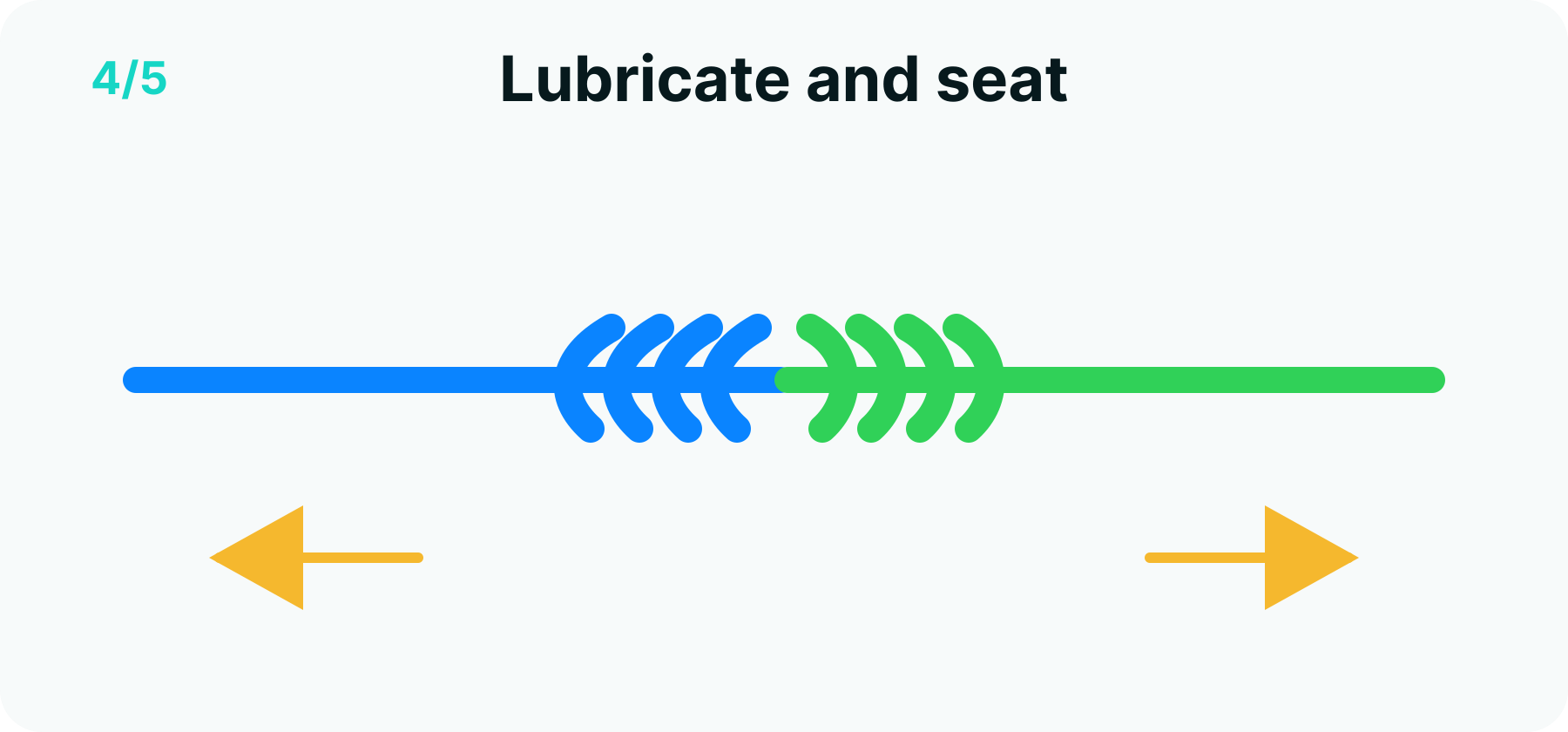 Step 4 of 5
Lubricate and seat
Moisten both knots, then pull the two standing lines steadily apart. The barrels slide along the line and jam snugly against each other — that jam is the connection.
-
 Step 5 of 5
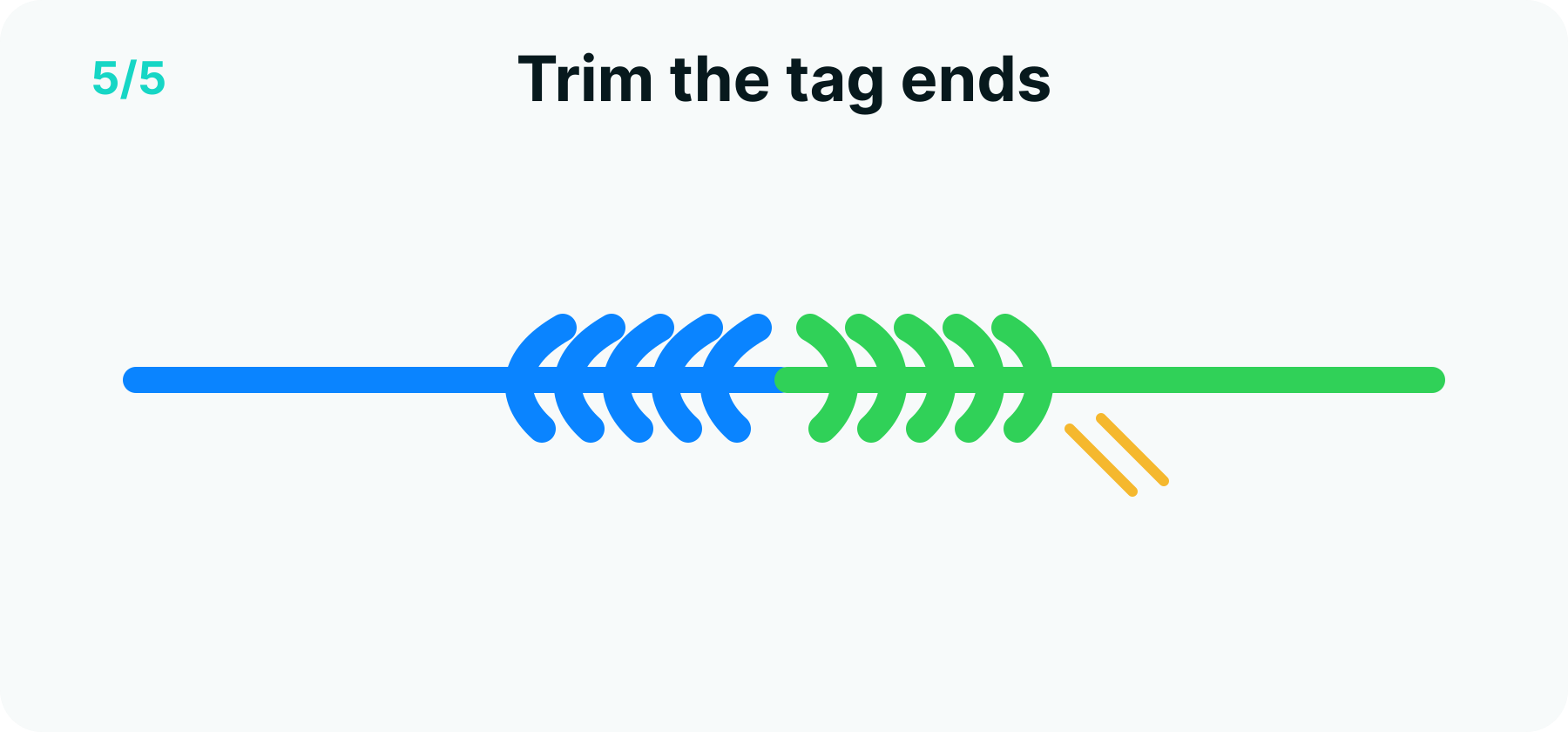
Trim the tag ends
Confirm both barrels are seated hard against each other, then trim each tag with a small safety margin — flush cuts invite slip on the first big fish.
Same steps, animated and in your pocket: the knot guide inside the Fishing Club AI app walks you through every tie hands-free. Get the app.
Two knots pretending to be one
The double uni’s best feature is its honesty about what it is: two uni knots tied back-to-back, each around the other’s line, drawn together until their barrels jam. There is no new motion to learn — if your hands know the uni, they already know this join. That inheritance is exactly why it is the first line-to-line connection most anglers master, and why it appears on virtually every short list of essential fishing knots.
The job it does is one modern fishing constantly demands: connecting braided main line to a monofilament or fluorocarbon leader. Braid casts far and telegraphs bites; clear leader material is stealthier near the fish and more abrasion-resistant against rocks and teeth. The junction between them has to survive casting shock, guide contact and fish — and the double uni handles all three well enough that plenty of experienced anglers never bother learning anything fancier.
The asymmetry that makes it work
The single most useful thing to understand about this knot is that its two halves should not be tied identically when the lines differ. Thin, slick braid needs more wraps to build enough friction — that is the six-to-eight side. Thick, stiff leader physically cannot close a long spiral into a neat barrel — that is the three-to-four side. Matching wrap count to line, rather than tying two mirror twins, is what separates a join that survives a season from one that fails on the first good fish.
The seat, likewise, is its own small skill. Each uni must be cinched into a clean, finished barrel individually first — a half-closed barrel is a knot that has not been tied yet. Only then do you pull the two standing lines apart and let the barrels slide down the line and jam against each other. Moisten before every stage of tightening; the friction of two barrels seating generates exactly the kind of heat that quietly weakens line. And leave a little tag on both sides — the barrels bed in slightly deeper under their first real load, and a flush-cut tag has no margin to give.
Double uni or FG — an honest comparison
The braid-to-leader question eventually becomes a two-knot conversation, and our braid-to-leader comparison covers it in full. The short version: the FG knot produces a dramatically slimmer connection — a weave that lies along the leader rather than two stacked barrels — and slim matters when the knot must pass through rod guides on every cast. The double uni counters with reliability of tying: it forms correctly in wind, in cold, in failing light, and on a rocking boat, conditions in which the FG’s careful weave is easy to botch.
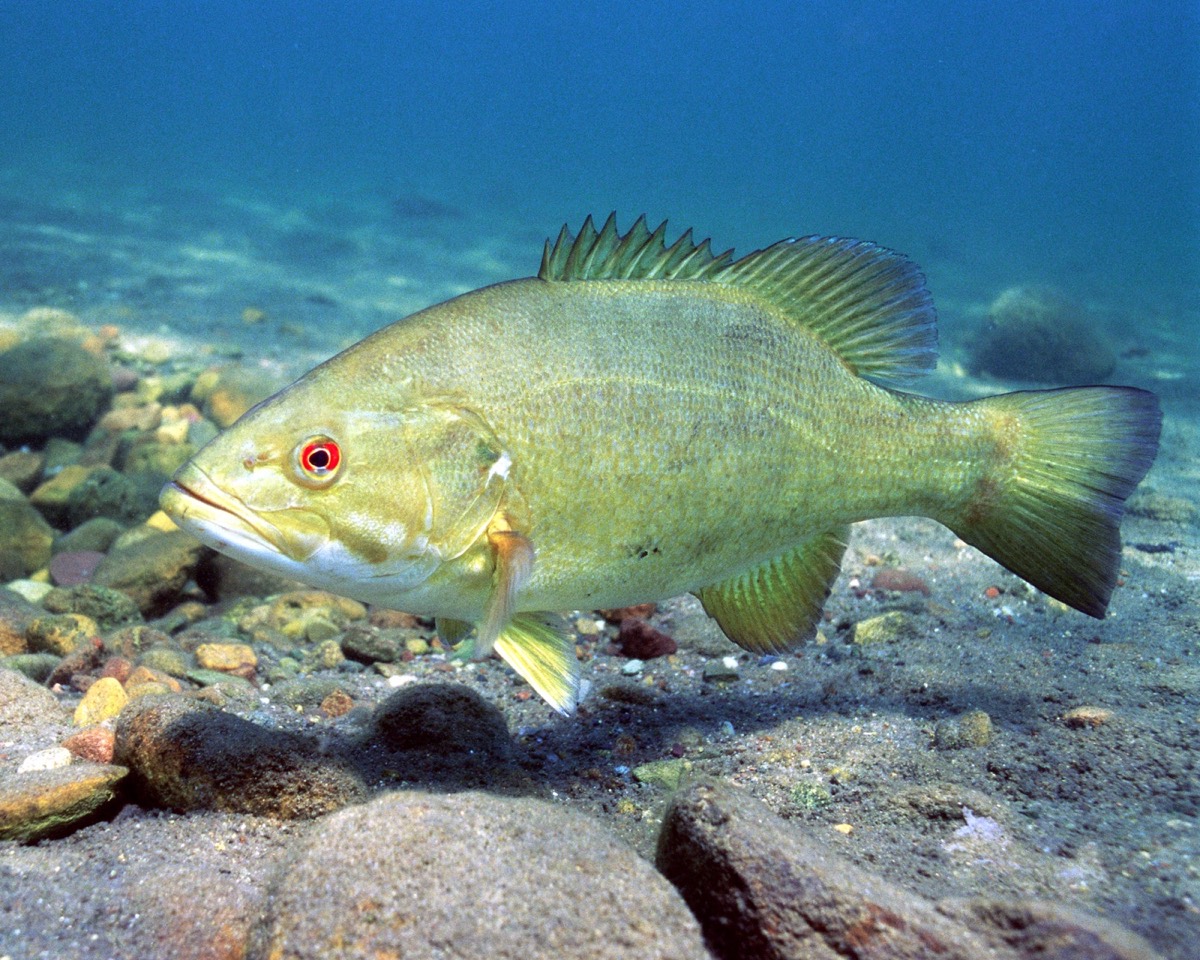
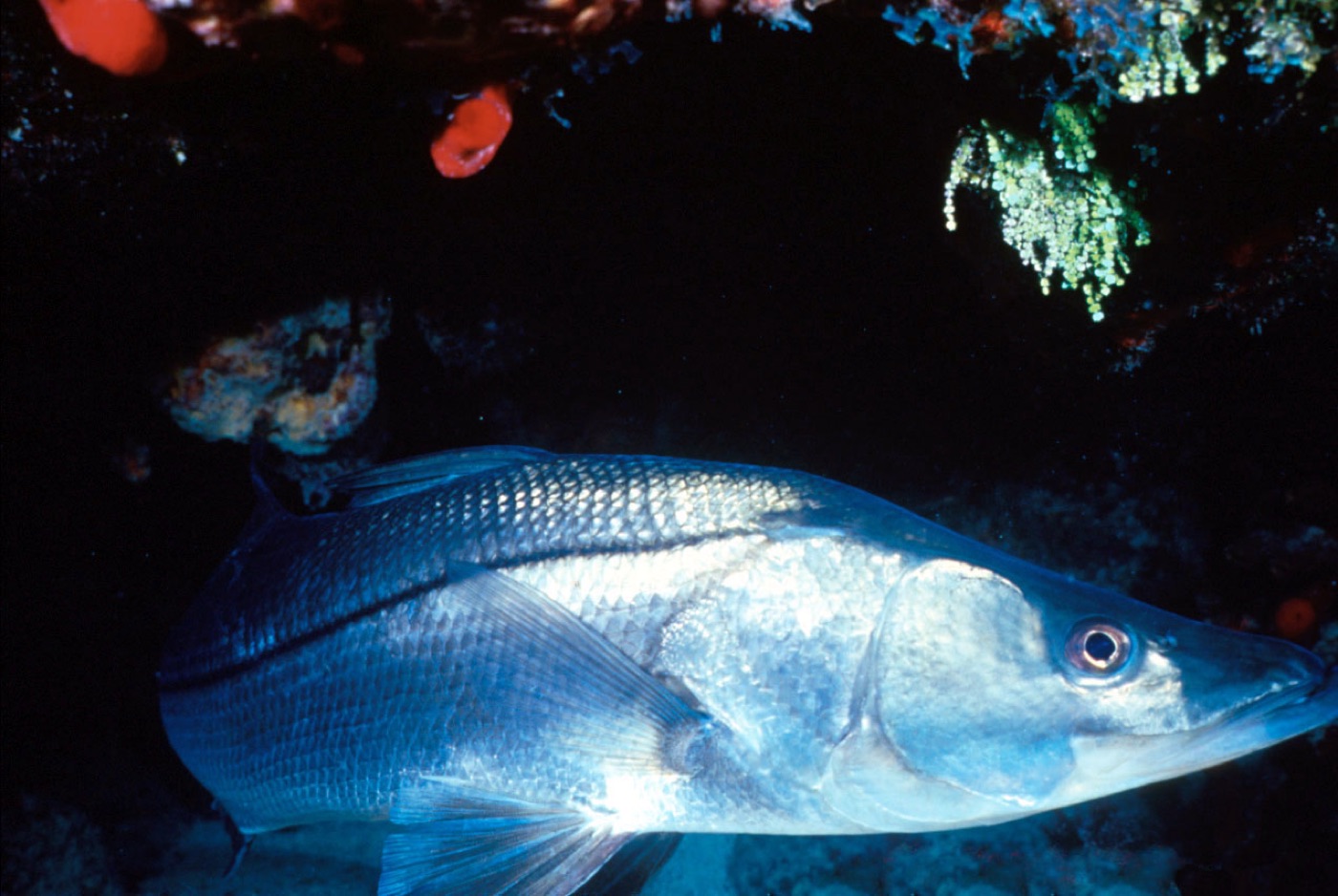
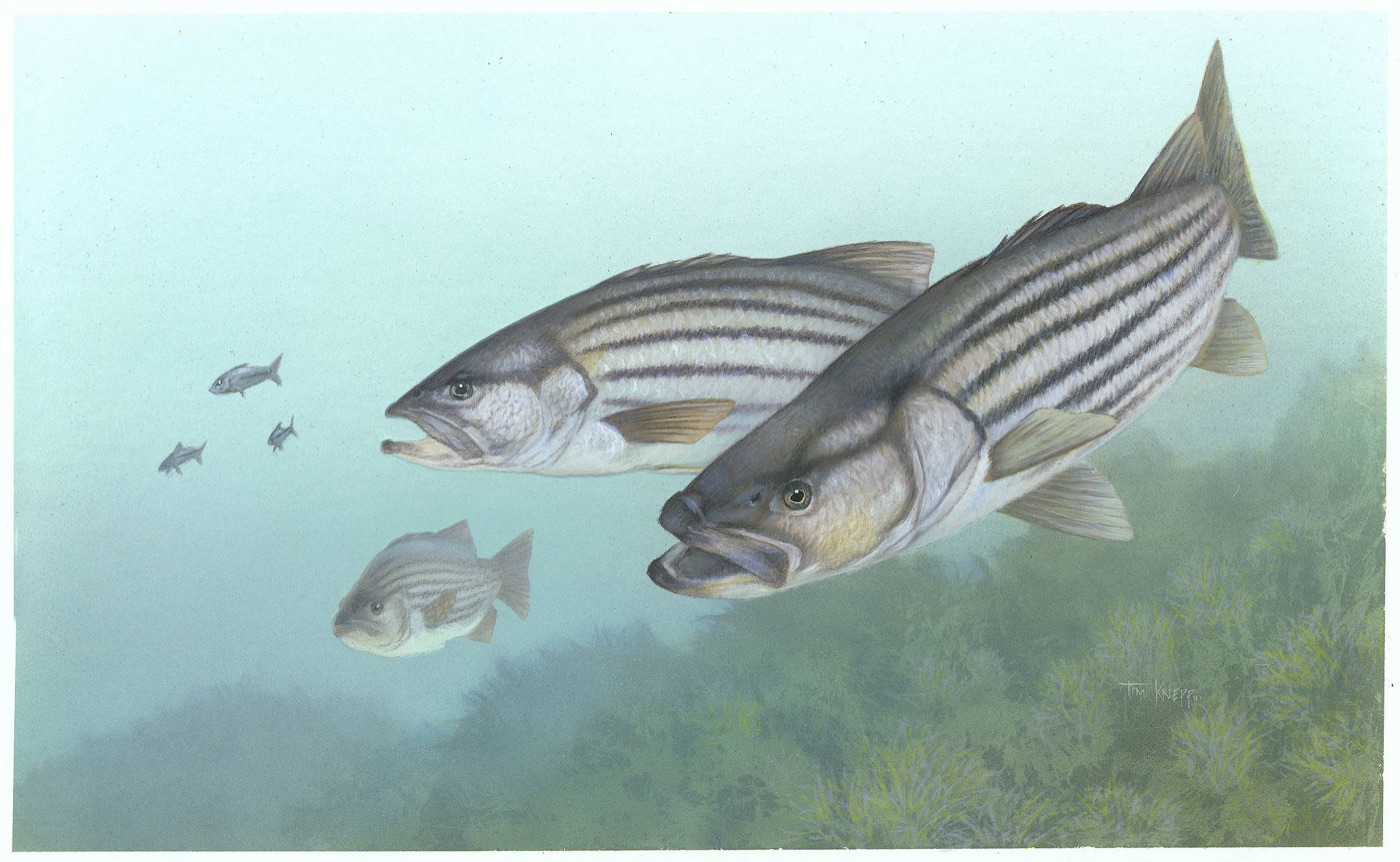
A botched FG is weaker than a well-tied double uni every single time, which suggests the sequence most anglers actually follow: run the double uni as your working join, learn the FG at home in good light, and switch when — and only when — your FG comes out perfect without concentration. Knots reward honesty about your own hands. For everyday fishing from shore or boat for smallmouth, striped bass or snook, the double uni tied well is not a compromise; it is a standard.
Faults to catch before they cost you
Read the finished knot before fishing it. Two tidy barrels seated hard against each other with short, even tags: correct. A barrel with visible gaps or crossed turns: retie — it will unwind, not break. Barrels that refuse to slide together smoothly: the wraps twisted during tying; retie rather than force them. A junction that clicks through the guides louder than yesterday: the knot has loosened, and five minutes of retying is cheaper than the fish of the day.
Every knot in this family — the uni it is built from, the FG it is measured against, the blood knot that joins matched lines — is diagrammed step by step in our knots hub, and the animated versions travel with you in the Fishing Club AI app’s knot guide, exactly for the moments when the wind is up and memory is down.
Frequently asked questions
What is the double uni knot used for?
Joining two lines — it is one of the standard connections for tying braided main line to a monofilament or fluorocarbon leader, and it works just as well joining two similar lines when a spool runs short. Because it is literally two uni knots tied against each other, it inherits the uni's tolerance for different line types, which is what makes it the general-purpose answer where specialised joins have narrower jobs.
How many wraps should each side of a double uni have?
Match the wraps to each line, not to a single rule. The thin, slick side — braid, typically — takes more wraps (our diagrams show wrapping back six to eight times), while the thick, stiff side seats better with three to four. The logic is friction: thin slick line needs more turns to bite, and heavy line physically cannot close a long barrel neatly. If one barrel looks loose or the other lumpy after seating, adjust the counts, not your pulling strength.
Is the double uni or the FG knot better for braid to leader?
They trade different virtues. The double uni is far easier to learn, ties reliably in wind and cold, and holds well for everyday fishing — it is the join most anglers should learn first. The FG is slimmer and passes through rod guides more smoothly, which matters when casting distance and frequent guide contact are the priority, but it demands more care to tie correctly. Many anglers run the double uni until the FG's advantages become worth the practice — both are diagrammed in our guides.
Why does my double uni knot fail?
Usually one barrel was never properly closed. Each uni must be cinched into a neat barrel on its own before the two are drawn together — a loose barrel simply unwinds under load. The other repeat offenders: seating it dry (moisten first, always), mismatched wrap counts that leave the slick side under-gripped, and trimming the tags flush. Leave a short tag on each side; the barrels seat a little further under the first hard pull.
Sources
- How to Tie a Double Uni Knot — Take Me Fishing (Recreational Boating & Fishing Foundation). Accessed August 12, 2026.
- Best Knot to Tie Braid to Mono Leader Depends on These Factors — Take Me Fishing (Recreational Boating & Fishing Foundation). Accessed August 12, 2026.
- 5 Best Saltwater Fishing Knots for Florida Inshore Trips — Take Me Fishing (Recreational Boating & Fishing Foundation). Accessed August 12, 2026.
- Uni Knot — Take Me Fishing (Recreational Boating & Fishing Foundation). Accessed August 12, 2026.
- Learn to fish: tying the knot — Utah Division of Wildlife Resources. Accessed August 12, 2026.
How we choose sources: sources policy.
More in this series
Know when it's worth going.
Fishing Club AI turns live weather, pressure and moon data into a simple bite forecast for your spot — so the skills you practise get used on the right day.
Get the App