Ice Fishing Basics: How Thick Does the Ice Need to Be?
Minnesota's DNR publishes minimum thickness guidelines for new, clear ice: 4 inches for a person on foot, 5 to 7 inches for a snowmobile or ATV, 8 to 12 inches for a car, and 12 to 15 inches for a medium truck. Every agency that publishes those numbers attaches the same warning — ice is never 100 percent safe, the guidelines assume new clear ice only, and no agency measures the ice on your lake for you.
Key takeaways
- Minnesota's DNR guideline is 4 inches of new clear ice for a person on foot, 5-7 for a snowmobile or ATV, 8-12 for a car, 12-15 for a medium truck.
- The heading on that same poster reads 'Ice is Never 100% Safe' — the numbers are minimums for ideal ice, not a guarantee.
- Wisconsin's DNR states there is no such thing as 100 percent safe ice and that strength cannot be judged by any single factor.
- Neither agency monitors local ice thickness. Wisconsin points anglers to local bait shops, clubs and resorts for current conditions.
- Ice strength varies within one lake: current near inlets, outlets and narrows thins it, and snow cover hides what is underneath.
The numbers, and the sentence printed above them
Minnesota’s Department of Natural Resources publishes a guideline poster that anglers across the ice belt use. It is worth reading in the order the agency laid it out, because the heading comes first:
Ice is Never 100% Safe
Then the figures, under the subtitle Minimum Ice Thickness Guidelines for New Clear Ice Only:
| What is going on the ice | Minimum new clear ice |
|---|---|
| A person on foot | 4 inches |
| Snowmobile or ATV | 5–7 inches |
| Car | 8–12 inches |
| Medium truck | 12–15 inches |
Two qualifiers are doing a great deal of work there. Minimum means the thinnest ice the agency is willing to associate with that load, not a comfortable margin. New clear ice only excludes most of what you will actually meet in a season: white ice, snow-covered ice, refrozen slush and ice with bubbles in it are all weaker than the table assumes.
Why a single number cannot settle it
Wisconsin’s DNR is blunt about the limits of thickness as a measure:
There really is no sure answer, and no such thing as 100 percent safe ice. You cannot judge the strength of ice by one factor like its appearance, age, thickness, temperature or whether the ice is covered with snow.
The agency adds that ice strength comes from a combination of factors that vary from water body to water body — and that it varies in different areas of the same body of water. That last point is the practical one. The thickness at the access point tells you about the access point.
Current is the usual culprit. Wisconsin advises avoiding inlets, outlets and narrows, where moving water thins ice from below without changing how it looks from above. Springs and bottom structure do the same thing more quietly.
Nobody is checking it for you
This surprises people who assume conditions are monitored somewhere. Wisconsin’s DNR states it directly: the agency does not monitor local ice conditions or the thickness of the ice. Its recommendation is to ask local bait shops, fishing clubs and resorts, which serve winter anglers every day and often hold the most current picture of how thick the ice is and which areas are especially dangerous.
That shifts the job to you, which is why the standard practice is to check repeatedly on the way out rather than once at the shore, and to treat a second-hand report as a starting point rather than a clearance.
What agencies say to carry
Wisconsin’s basic list is short and specific:
- ice claws or picks
- a cellphone in a waterproof bag or case
- a life jacket
- a length of rope
Minnesota’s education programme adds a throwable seat-cushion flotation device on a long rope, a sled with a rope attached, and a wool blanket in case someone gets cold and wet. Both agencies say the same two things about people rather than equipment: dress in layers, and do not go alone.
There is also a published temperature threshold, written for taking groups of children out: if the temperature or wind chill is below 0°F, consider rescheduling; colder than minus 10°F, definitely reschedule. For a prepared adult that is conservative, but it is a real number from a real agency rather than a feeling.
What you are actually fishing for
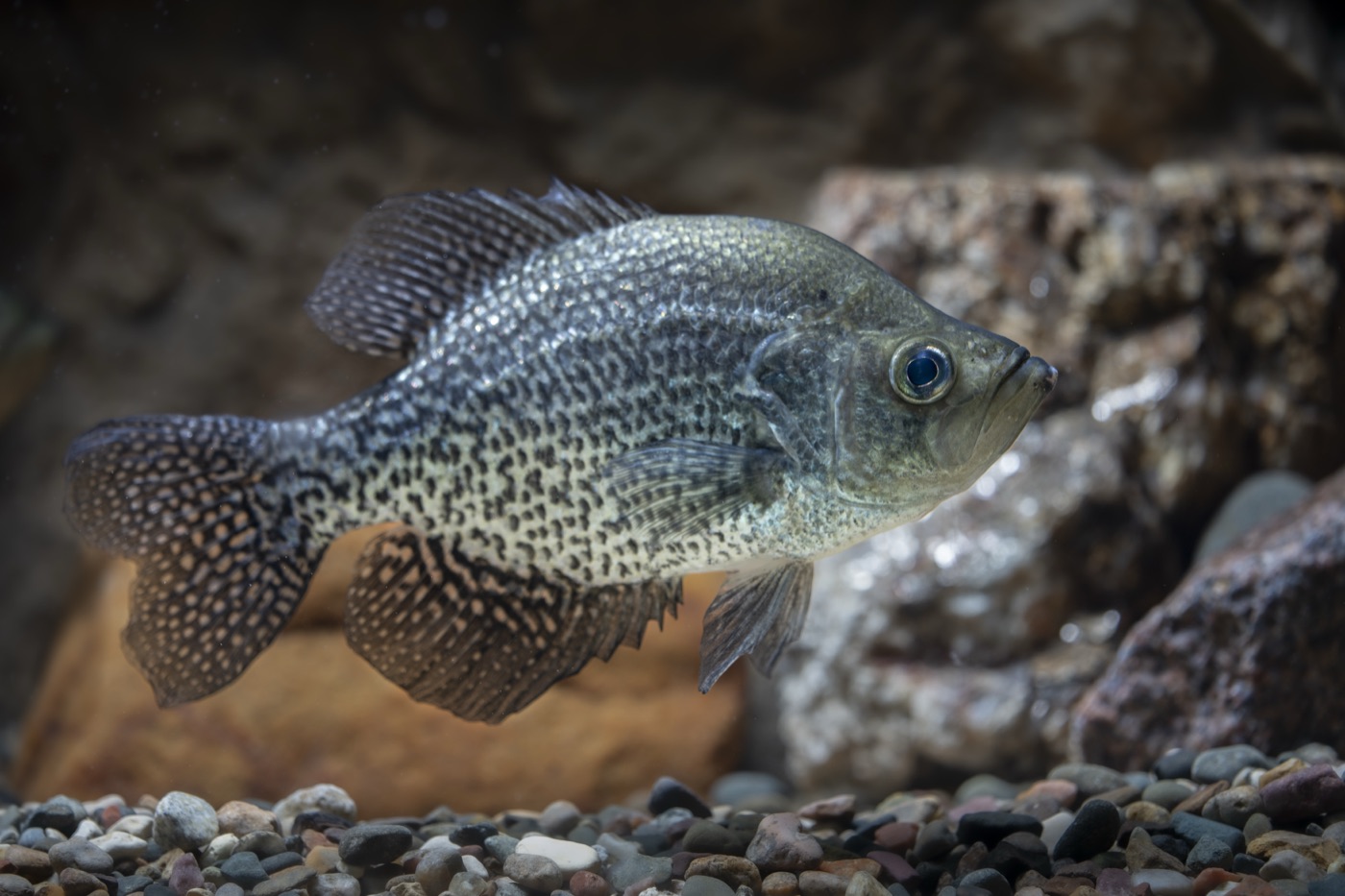
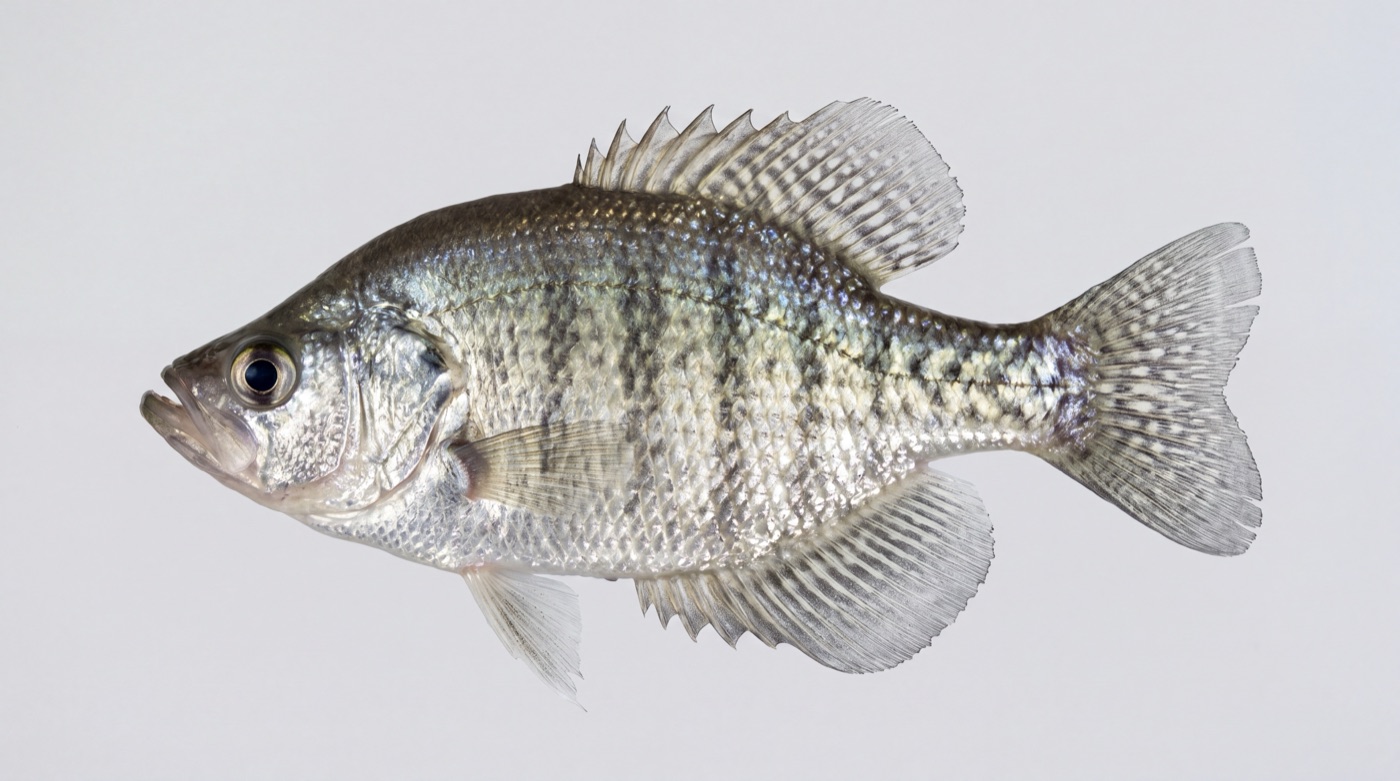
Winter is not a pause for every species. Wisconsin’s DNR notes that crappie remain active all winter, which is why ice fishing for them is popular on many lakes, and that crappie can be found at almost any depth from the surface to the bottom depending on season and weather. Our crappie fishing guide covers the light tackle that their paper-thin mouths demand — the same rule applies through a hole in the ice.
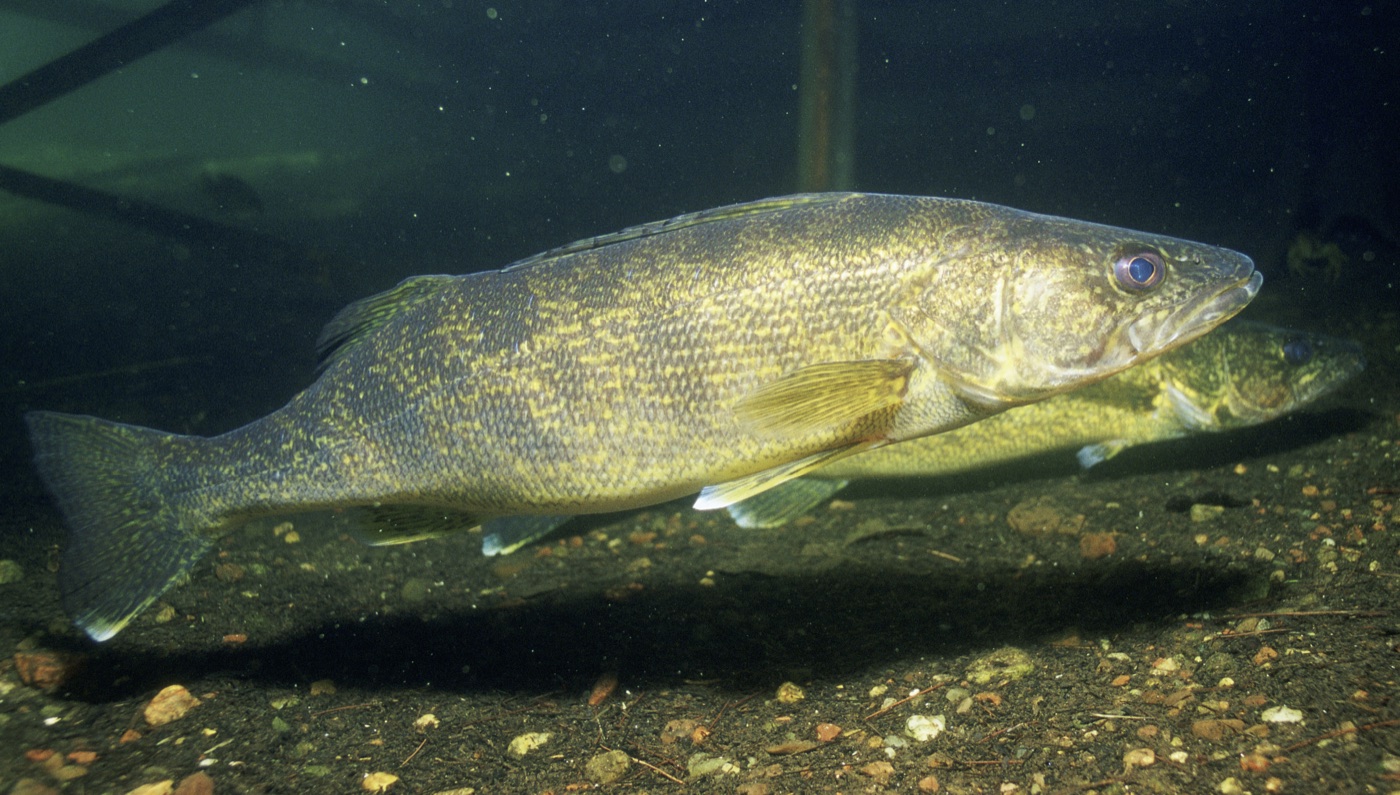
Walleye feed through the winter too. Wisconsin’s species guide describes them as feeding actively throughout the season, especially when the ice first forms and just before spring break-up, which puts first ice and last ice among the better windows of the year. The walleye fishing guide explains why their light-sensitive eyes make low light the productive time, and short winter days supply plenty of it.
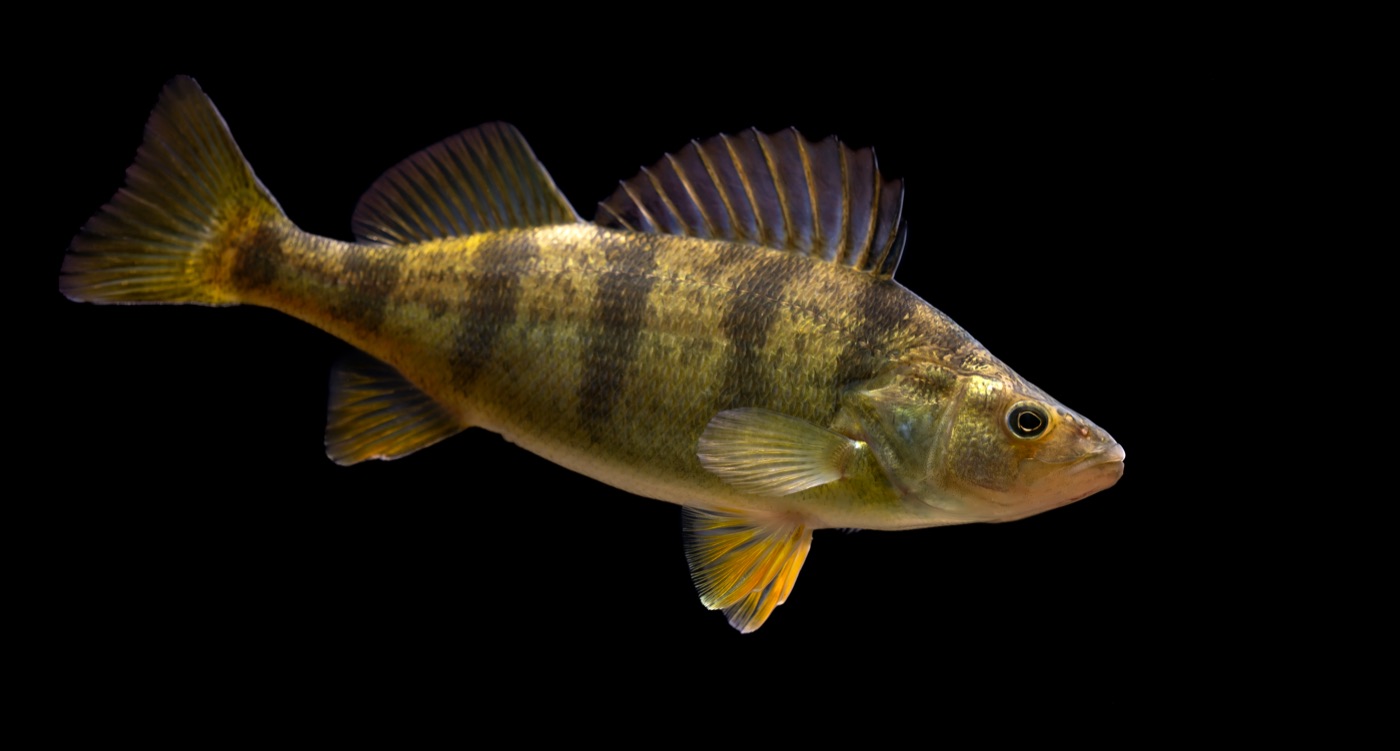
Minnesota’s education material adds a seasonal detail worth using: in early and late winter, panfish frequent shallower areas closer to shore. That is both easier walking and, at the margins of the season, thinner ice — the two facts belong together.
Reading conditions before you drive
Ice forms and weakens with the weather, so the forecast matters more in winter than in any other season. A run of mild days does not announce itself on the surface, and snow insulates ice against the cold that would otherwise thicken it. Our water temperature and best time to fish pages cover how conditions drive activity once you are out there.
What none of it does is measure the ice. That part stays manual: drill, check, and keep checking as you move.
Before you go
Licence requirements, the shelters you may use, how they must be marked and when they must come off the ice are all set by your state agency and vary by state and sometimes by water body. Our licences and regulations guide explains where to look them up, and points at the agency rather than restating rules that change.
Frequently asked questions
How thick does ice need to be to walk on?
Minnesota's Department of Natural Resources publishes 4 inches of new, clear ice as the minimum for a person on foot, with 5 to 7 inches for a snowmobile or ATV, 8 to 12 inches for a car, and 12 to 15 inches for a medium truck. The heading on the agency's own guideline poster is the part worth memorising: 'Ice is Never 100% Safe.' Those figures are minimums for ideal ice, not a promise, and they assume ice that is new and clear rather than white, slushy or refrozen.
Is ice ever completely safe?
No, and the agencies say so directly. Wisconsin's DNR writes that there really is no sure answer and no such thing as 100 percent safe ice, and that you cannot judge the strength of ice by any one factor — appearance, age, thickness, temperature, or whether it is covered with snow. Strength comes from a combination of factors that vary between water bodies and even between areas of the same lake.
Who measures the ice on my lake?
Nobody, officially. Wisconsin's DNR states plainly that it does not monitor local ice conditions or thickness, and points anglers instead to local bait shops, fishing clubs and resorts, which serve winter anglers daily and often hold the most current information on how thick the ice is and which areas are especially dangerous. Drilling and checking as you go, rather than trusting a report, is the practice that matches what agencies actually recommend.
What makes ice weaker in one spot than another?
Moving water and cover. Wisconsin's DNR advises avoiding inlets, outlets and narrows, where current can thin the ice, and notes that clear ice is generally stronger than ice with snow on it or bubbles in it. Ice is seldom uniform across a lake, which is why thickness is checked repeatedly on the way out rather than once at the shoreline.
What should I carry on the ice?
Wisconsin's DNR lists basic safety gear as ice claws or picks, a cellphone in a waterproof bag or case, a life jacket and a length of rope, and advises dressing in layers and not going alone. Minnesota's education materials add a throwable seat-cushion flotation device on a long rope, a sled, and a wool blanket in case someone gets cold and wet.
How cold is too cold to go?
Minnesota's DNR education material gives a threshold for taking groups out: if the temperature or wind chill is below 0°F, consider rescheduling; if it is colder than minus 10°F, definitely reschedule. That guidance was written for school groups with children, so it is conservative for a solo adult — but it is a published number rather than a guess.
Sources
- Minimum Ice Thickness Guidelines for New Clear Ice Only — Ice is Never 100% Safe — Minnesota Department of Natural Resources. Accessed September 22, 2026.
- Recommended Minimum Ice Thickness (guideline poster) — Minnesota Department of Natural Resources. Accessed September 22, 2026.
- Ice Safety — when is ice safe, know before you go, safety tips — Wisconsin Department of Natural Resources. Accessed September 22, 2026.
- Ice Fishing and Winter Safety (MinnAqua, Chapter 6 Lesson 2) — Minnesota Department of Natural Resources / USFWS Sport Fish Restoration. Accessed September 22, 2026.
- Crappie (PUBL-FM-708), Wisconsin fish species guide — Wisconsin Department of Natural Resources, Bureau of Fisheries Management. Accessed September 22, 2026.
How we choose sources: sources policy.
More in this series
Know when it's worth going.
Fishing Club AI turns live weather, pressure and moon data into a simple bite forecast for your spot — so the skills you practise get used on the right day.
Get the App