Fishing Licenses: How the System Works and Where the Money Goes
A fishing license is both permission and funding. Every state sets its own rules — Florida's agency, for one, says a license is required even to cast and release — and the fee joins a larger machine: since 1950 the federal Sport Fish Restoration program has returned excise taxes on tackle, electronics and boat fuel to state agencies, apportioned partly by how many licensed anglers each state has. Buying a license literally increases your state's share.
Key takeaways
- Rules differ by state — takemefishing.org's national license portal exists precisely because every state runs its own system.
- In Florida's wording: 'If you cast a line or catch and release, you need a fishing license' — attempting counts, not just keeping.
- The Sport Fish Restoration program is user-pays, user-benefits: a 10% excise tax on tackle and a 3% tax on fish finders and trolling motors fund state fisheries work.
- Federal dollars are apportioned 40% by land area and 60% by paid license holders — your license purchase raises your state's share.
- States must match 25% of the federal money, and license revenue is the primary match.
- By 2020 the combined restoration programs had distributed more than $22.9 billion to state conservation and recreation projects (US Department of the Interior).
A license is two things at once
Ask what a fishing license is and you’ll get the obvious half of the answer: permission. The less obvious half is the interesting one — a license is a funding instrument, one end of a legal machine that has been converting angler money into fish habitat since 1950. Understanding both halves changes how the annual fee reads: less like a tax on a hobby, more like a subscription to the resource itself.
The permission half comes with one national rule: there is no national rule. Every state licenses fishing its own way — its own types, waters, exemptions and prices — which is why the Recreational Boating and Fishing Foundation maintains a state-by-state portal at takemefishing.org and opens it by noting that every state has slightly different rules for getting licensed. The one habit that works everywhere is checking your own state agency before you fish, the same discipline that applies to seasons and limits generally.
“Attempting” is the licensed act
The detail that surprises new anglers most is what triggers the requirement. Most states license the attempt to catch fish, not the keeping of them — and Florida’s Fish and Wildlife Conservation Commission states its version about as clearly as regulatory prose allows: a license is required to attempt to take fish, and if you cast a line or catch and release, you need a fishing license.
That’s Florida’s wording for Florida’s waters, and your state’s line may sit somewhere slightly different — some exempt certain ages, certain waters, certain free fishing days. But the Florida framing is the safe mental default: releasing everything you catch does not, by itself, take you outside the licensing system. If a line goes in the water, assume the license question applies until your state’s own page says otherwise. For someone just starting out, shore fishing basics covers the rest of the getting-started checklist; the license is simply its first item.
The machine behind the fee
The funding half of the story runs through a 1950 federal law — the Sport Fish Restoration Act, commonly called Dingell-Johnson — and its design is elegant enough to explain in one breath. Florida’s agency describes the philosophy as user-pays, user-benefits: the people who use the fishery fund its restoration, through taxes they mostly never see.
Washington’s Department of Fish and Wildlife itemizes where the money originates: a 10 percent excise tax manufacturers pay on sport fishing tackle, a 3 percent excise tax on fish finders and electric trolling motors, import duties on fishing tackle and pleasure craft, and the share of the gasoline tax attributable to motorboats. Every rod, reel and sonar unit sold in the country carries a sliver of fisheries funding inside its price. In 1984 the Wallop-Breaux amendment widened the pipe, directing motorboat fuel taxes toward boating access — the ramps and docks that get anglers on the water at all.
Then comes the part that makes your individual license purchase nationally relevant: the apportionment formula. The federal government distributes the money to states using a formula the FWC summarizes as 40 percent land area and 60 percent paid license holders, with minimums and maximums — and Washington’s agency adds the enforcement mechanism: states must match 25 percent of their federal apportionment with locally generated revenue, primarily license sales. Read those two rules together and the loop closes. Every license sold does double duty: it is state revenue directly, and it raises the state’s count of paid license holders, which raises its share of the federal pool. Letting a license lapse quietly does the reverse.
What the money has built
The scale of the system is a matter of public record. The US Department of the Interior reported that, as of 2020, the combined wildlife and sport fish restoration programs had distributed more than $22.9 billion to state agencies for conservation and recreation projects since the programs began — matched by approximately $7.6 billion from the states, raised primarily through hunting and fishing license revenues.
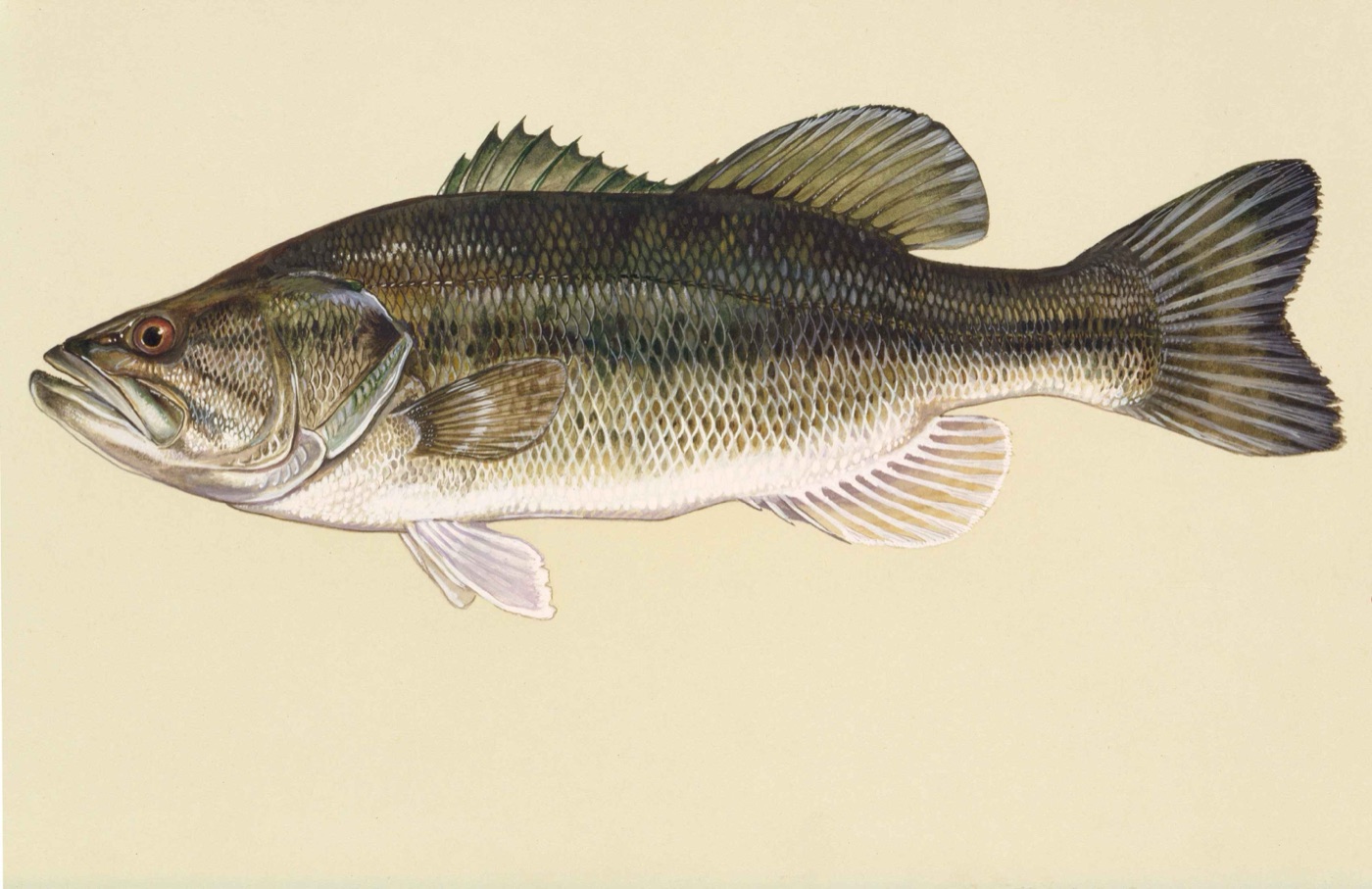
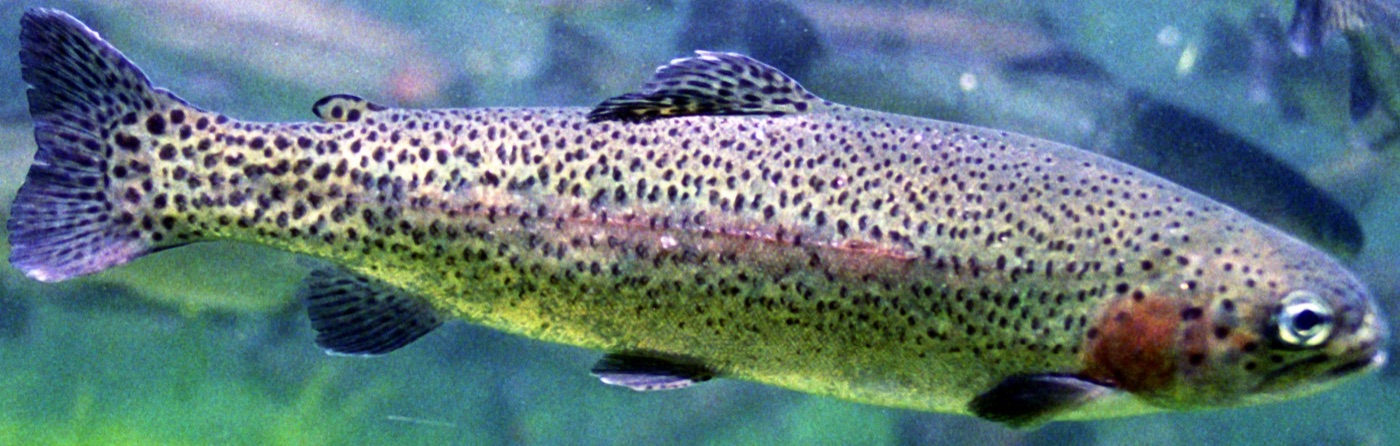
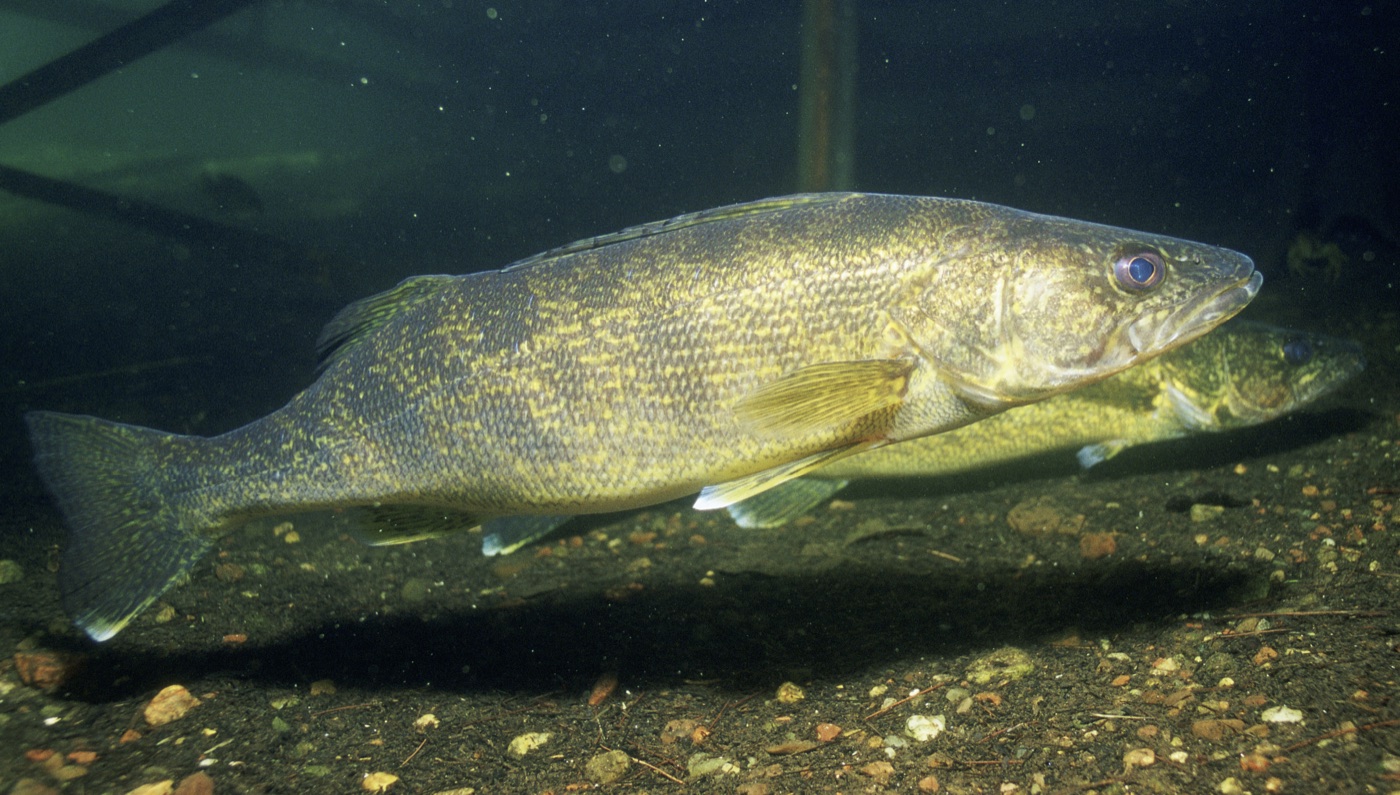
What that buys is the unglamorous infrastructure of everyday fishing. Sport Fish Restoration dollars fund the fishery surveys behind stocking decisions, the habitat projects that keep walleye lakes and bass reservoirs productive, the boating access sites, and — capped at 15 percent of a state’s apportionment, per the FWC — the aquatic education programs that teach the next generation to fish. The hatchery truck that stocks your local trout water and the concrete ramp you launched from last summer are, in accounting terms, mostly angler money that took a round trip through federal law.
What this means at the register
Practically, the license question resolves into three habits. Buy before you fish, every state you fish, using your state agency’s official site or the takemefishing.org portal to find it — third-party lookalike sites exist, and the agency’s own page is the one that counts. Assume catch-and-release still requires one unless your state’s page explicitly says otherwise. And when the renewal notice feels like a formality, it isn’t: the fee is your agency’s working budget and your state’s claim on the federal formula, in one transaction.
There’s also a quiet answer here to a question anglers ask on bad days — whether anyone is actually managing these fisheries. The answer is yes, and the receipts run to eleven digits. The system only works because it’s user-funded, which makes every licensed angler less a customer of the resource than a shareholder in it.
Frequently asked questions
Do I need a fishing license for catch and release?
In general yes, because most states license the attempt, not the harvest — though every state writes its own rules. Florida's Fish and Wildlife Conservation Commission states it plainly: a license is required to attempt to take fish, and if you cast a line or catch and release, you need one. Exemptions, ages, waters and license types all vary by state, so the reliable move is checking your own state agency's licensing page before you fish.
Where does fishing license money actually go?
Two places, by design. Directly, license revenue funds your state agency's work — the Recreational Boating and Fishing Foundation's takemefishing.org puts it as contributing to state conservation programs including fisheries management, habitat protection and fishing education. Indirectly, licenses are the required 25% state match for federal Sport Fish Restoration dollars, and — per Washington's fish and wildlife department — the federal formula distributes money partly by each state's share of national license sales. A license is the rare fee that multiplies itself.
What is the Dingell-Johnson / Sport Fish Restoration program?
A 1950 federal law that built a closed loop between anglers and fisheries. As Florida's agency describes it, the program was created as a user-pays, user-benefits system: manufacturers pay excise taxes on fishing gear, the money is apportioned to states — 40% by land area, 60% by paid license holders, per the FWC — and states spend it on sport fish management, boating access and aquatic education, with education capped at 15% of a state's apportionment. The 1984 Wallop-Breaux amendment added motorboat fuel taxes to the pot for boating access.
Who pays the excise taxes behind the program?
Mostly the fishing industry and boaters, at the register. Washington's Department of Fish and Wildlife lists the streams: a 10 percent excise tax on sport fishing tackle, a 3 percent tax on fish finders and electric trolling motors, import duties on tackle and pleasure craft, and a share of the motorboat fuel tax. Anglers pay it invisibly inside gear prices — which is why agencies describe the system as anglers funding their own fisheries.
How much money has this system produced?
Billions, on the public record. The US Department of the Interior reported that by 2020 the wildlife and sport fish restoration programs together had distributed more than $22.9 billion to state agencies since their creation, matched by roughly $7.6 billion from the states — raised primarily through hunting and fishing license sales. The scale is the point: fisheries management in the US runs substantially on angler money, recycled through law.
Sources
- Dingell-Johnson Sport Fish Restoration funding — Washington Department of Fish and Wildlife. Accessed August 11, 2026.
- Federal conservation funding programs — Florida Fish and Wildlife Conservation Commission. Accessed August 11, 2026.
- Do I need a fishing license? — Florida Fish and Wildlife Conservation Commission. Accessed August 11, 2026.
- Get your fishing license — state-by-state portal — Take Me Fishing (Recreational Boating & Fishing Foundation). Accessed August 11, 2026.
- Sportsmen and sportswomen generate nearly $1 billion in conservation funding — US Department of the Interior. Accessed August 11, 2026.
How we choose sources: sources policy.
More in this series
Know when it's worth going.
Fishing Club AI turns live weather, pressure and moon data into a simple bite forecast for your spot — so the skills you practise get used on the right day.
Get the App