Fishing Line Types: Braid vs Mono vs Fluorocarbon
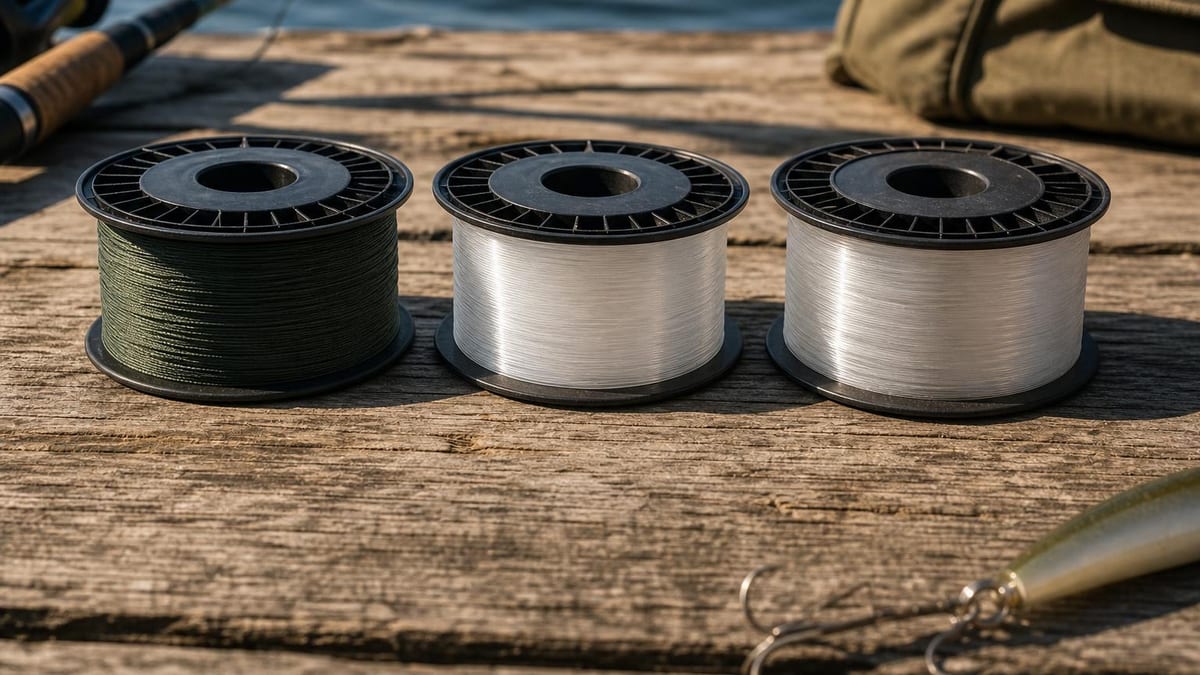
The three main fishing line types split by trade-off. Monofilament is the affordable all-rounder — it stretches to absorb shocks and is easy to knot. Fluorocarbon is nearly invisible underwater and sinks, which makes it the standard leader material. Braid is the thin, zero-stretch powerhouse for sensitivity and casting distance. Most experienced setups combine two: braid main line, fluorocarbon leader.
Key takeaways
- Mono: stretches to absorb shocks (25% or more), near-neutral buoyancy, cheapest, easiest to knot — and it breaks down in sunlight, so respool yearly.
- Fluorocarbon: very low visibility, low stretch, abrasion- and UV-resistant, sinks — the standard leader material and clear-water choice.
- Braid: often twice as strong as mono for the same diameter, zero stretch, no memory, doesn't degrade in sunlight — but it's visible in water and needs braid-friendly knots.
- The classic pairing is braid main line with a fluorocarbon leader — sensitivity from one, invisibility from the other.
- Heavier line than needed can cost you bites — Texas Parks and Wildlife notes heavier line is more visible to fish.
- Only single-filament nylon lines (mono, fluoro) are recyclable — braid never is. State programs like Florida's MRRP run collection bins at ramps and piers.
Three chemistries, three personalities
Every spool of fishing line is a bundle of trade-offs, and the three main families make opposite bets. Monofilament — a single strand of nylon, as Florida’s FWC describes it — bets on forgiveness and price. Fluorocarbon — a single strand of polyvinylidene fluoride — bets on invisibility. Braid — fused strands of polyethylene — bets on strength and sensitivity. None of them wins everywhere, which is exactly why all three still exist and why most serious setups use two of them at once.
The fastest way to understand line is to follow what each one does with energy and light: mono stretches and floats-ish, fluoro hides and sinks, braid transmits everything and hides nothing.
Monofilament: the forgiving all-rounder
Mono is the line most anglers grow up on, and the agencies explain why. Take Me Fishing calls it the most popular line going: less expensive than the alternatives, shock-absorbing, abrasion resistant, uniformly round so it behaves on the spool, and easy to tie knots in. Florida’s FWC files it under “good all-around fishing line” for a reason — it holds knots well, casts easily and shows some abrasion resistance at the lowest price on the shelf.
Its defining trait is stretch. Florida’s recycling program puts a number on it: mono compensates for a dragged stick or an over-hard hookset by stretching up to 25 percent or more. That elasticity is a built-in shock absorber — protection your knots, rod and hook-hold all appreciate — and its near-neutral buoyancy makes mono sink slowly, which the same source recommends for topwater lures and any presentation you don’t want dragged down.
Mono’s honest weaknesses: it develops spool-shaped “memory” loops, and it’s nylon, so sunlight degrades it. Take Me Fishing’s standing advice is to respool with fresh line every year — and Texas Parks and Wildlife adds a subtler cost of overdoing line strength generally: heavier line is more visible to fish and may reduce the number of strikes you get. Match the pound test to the species you’re after, not to your anxiety.
Fluorocarbon: the invisible specialist
Fluorocarbon’s job description is short: don’t be seen. FWC’s one-line summary covers the rest — very low visibility and stretch, resistant to abrasion and UV, good knot strength, and it sinks. Take Me Fishing frames the same virtues for clear-water work: nearly invisible, thinner than mono at the same strength, more durable, less stretchy.
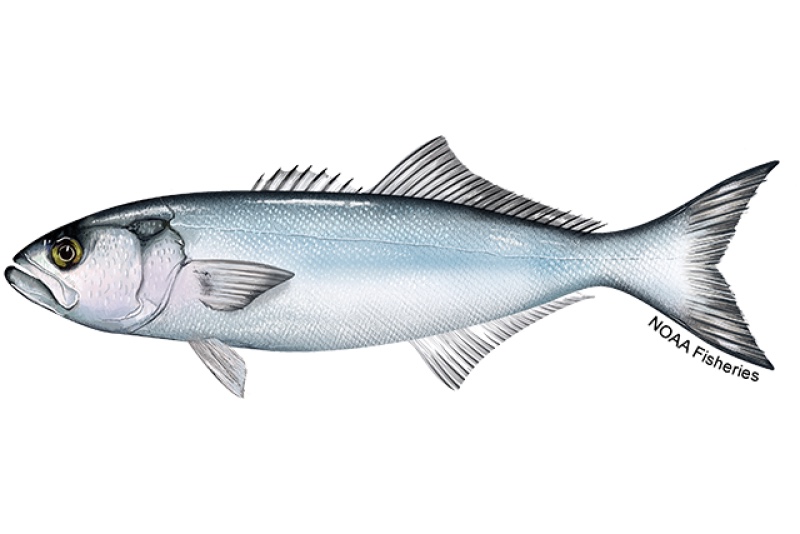
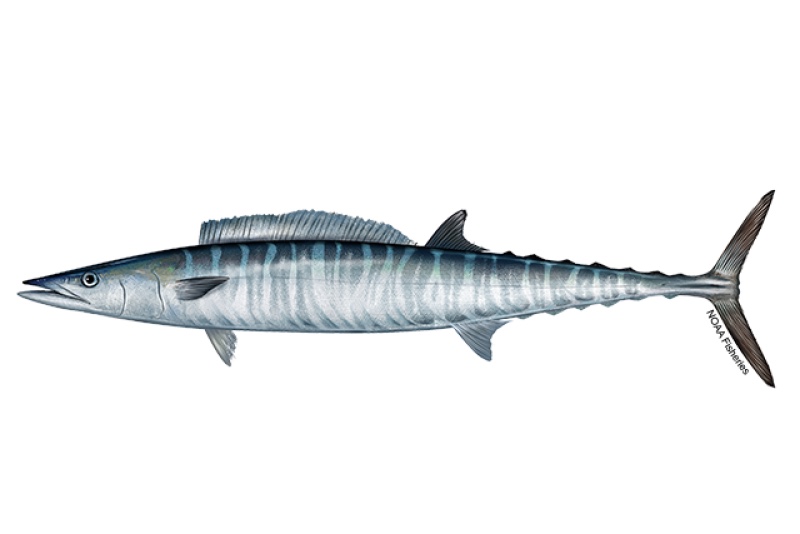
In practice, most fluorocarbon is bought by the meter rather than the spool, because its highest-value role is as leader material — the final stretch of line a wary fish actually inspects. It is also where abrasion resistance earns its keep: the leader is the part dragged across oyster bars, rock and — with species built to cut — teeth. Anglers chasing bluefish in the surf or wahoo offshore step up their leader for exactly that reason; both species’ profiles cover the dentition that ends an ordinary tippet. Take Me Fishing calls it “the perfect complement to braid”: the braid does the casting and feeling, the fluoro does the disappearing. Its costs are stiffness (harder to knot — wet your knots and seat them carefully, as with every knot) and price. And because it sinks, it’s the wrong leader for topwater work — that’s mono’s territory.
Braid: the zero-stretch powerhouse
Braid reads like a spec sheet written by someone tired of compromise. Take Me Fishing’s inventory: often twice as strong as mono at the same diameter, so you pack more line on the spool; casts farther, sinks faster, trolls deeper; no memory, which makes it one of the best lines for spinning reels; doesn’t break down in sunlight, so it stays on the spool year after year; and zero stretch — every bump of bottom and nudge of fish arrives at your hand unedited.
The bill comes in three parts. Braid is highly visible in water — FWC’s words — which is why it almost always fishes behind a fluoro or mono leader. It’s slick, so it needs braid-friendly connections: FWC specifically points to the uni knot, and the braid-to-leader join is a craft of its own — the double uni and FG knot exist for exactly this. And zero stretch cuts both ways: with no give in the system, Take Me Fishing advises running less drag and a more finessed hookset, or the hook tears free. Even spooling braid takes a trick — it can spin on a bare arbor, the problem the arbor knot guide solves with mono backing.
Picking your line, honestly
For a first spool, the agency consensus is unglamorous and correct: monofilament, matched to your target. Texas Parks and Wildlife’s beginner guide frames the choice simply — match line to your rod, reel and species, resisting the urge to go heavy “just in case.”
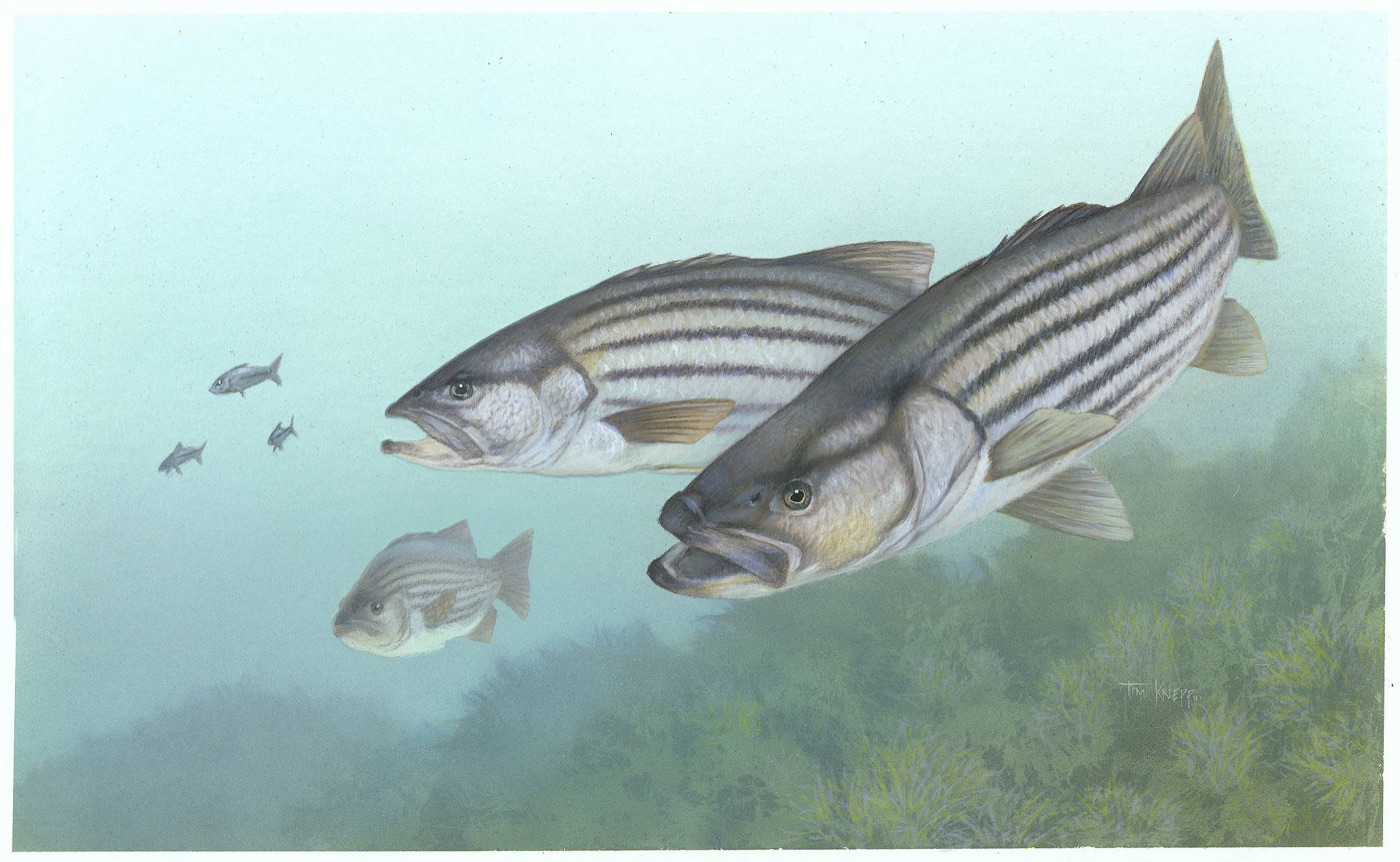
Past the beginning, think in systems rather than single lines. The modern default for sensitivity-driven fishing — jigs for walleye, soft plastics for bass, bottom rigs in current — is braid main line with a fluorocarbon leader. For topwater and general bait fishing, straight mono still earns its place with stretch and slow sink. For clear water and leader-shy fish like stripers in daylight, fluorocarbon up front is the difference between follows and eats.
One last responsibility comes with every spool: old line never goes in the water or the home bin. Only single-filament nylon — mono and fluoro — is recyclable, through designated bins like the 1,600+ Florida’s Monofilament Recovery and Recycling Program maintains at ramps and piers; braid is not recyclable at all, and mono left in the environment lasts hundreds of years. Call your state fish and wildlife department for your nearest drop point — the same agencies that taught you the line are the ones collecting it back.
Frequently asked questions
Which fishing line is best for beginners?
Monofilament, by broad agency agreement. Take Me Fishing calls it the most popular line — less expensive, shock-absorbing, abrasion resistant and easy to tie knots in — and Florida's FWC files it as 'a good all-around fishing line to use in many different situations.' Its stretch forgives hard hooksets and sudden surges, exactly the mistakes new anglers make. Start on mono; graduate to braid and fluoro when a specific situation demands them.
What is fluorocarbon line actually good for?
Being unseen and getting down. FWC's summary covers it: very low visibility and stretch, resistance to abrasion and UV, good knot strength, and it sinks — suggested for leader material or clear water. Take Me Fishing adds that it's thinner than mono of the same strength and 'completely invisible underwater,' which is why the modern standard is a fluorocarbon leader in front of braid. Its cost and stiffness are the price; most anglers pay it only for the leader section.
Why do so many anglers use braided line?
Because braid buys three things at once. Take Me Fishing lists them: roughly twice mono's strength at the same diameter (more line, farther casts, deeper trolling), zero memory (no loops off the spool — one reason it suits spinning reels), and zero stretch, so 'you can feel every bump of the bottom and nudge from a fish.' The costs: it's visible in water, needs braid-friendly knots like the uni, and its lack of give punishes heavy drag — the same source advises lighter drag and a gentler hookset.
How often should fishing line be replaced?
Depends on the line's chemistry. Monofilament is nylon and, as Take Me Fishing puts it, breaks down when exposed to sunlight — respool with fresh mono every year, and check often for nicks. Braid doesn't degrade in sunlight, so the same source notes you can keep it on the spool year after year, replacing it when it frays. Fluorocarbon resists UV too, sitting between the two. Whatever the line, the last few feet take the abuse — retie and trim regularly.
Can fishing line be recycled?
Only some of it, and never in your home bin. Single-filament nylon products — monofilament and fluorocarbon — are recyclable; braided line and anything with wire is not, per Florida's Monofilament Recovery and Recycling Program. Drop old line at designated collection bins — Florida alone has over 1,600 at ramps, piers and marinas — or call your state fish and wildlife department for locations. It matters: monofilament is not biodegradable and can last hundreds of years in the environment.
Sources
- Types of Fishing Line — Take Me Fishing (Recreational Boating & Fishing Foundation). Accessed August 13, 2026.
- How to Choose Fishing Line — Take Me Fishing (Recreational Boating & Fishing Foundation). Accessed August 13, 2026.
- Fishing Basics — Florida Fish and Wildlife Conservation Commission. Accessed August 13, 2026.
- Monofilament Recovery and Recycling Program — Florida Fish and Wildlife Conservation Commission. Accessed August 13, 2026.
- Fish Texas: A Basic Guide for the Beginning Angler — Texas Parks & Wildlife Department. Accessed August 13, 2026.
- Recycling Old Fishing Line — Take Me Fishing (Recreational Boating & Fishing Foundation). Accessed August 13, 2026.
How we choose sources: sources policy.
More in this series
Know when it's worth going.
Fishing Club AI turns live weather, pressure and moon data into a simple bite forecast for your spot — so the skills you practise get used on the right day.
Get the App