Types of Fish: How Species Are Grouped
Fish sort into types four different ways, and mixing them up causes most of the confusion. By water: freshwater, saltwater, or euryhaline species that tolerate both. By migration: anadromous fish like salmon run from sea to river, catadromous fish like eels do the reverse. By family: biology's real groupings, from sunfishes to mackerels. And by law: 'game fish' and 'rough fish' are state-defined lists, not biological categories.
Key takeaways
- FishBase, the global species database, lists about 36,500 fish species.
- Euryhaline fish tolerate a wide range of salinities — NOAA's word for the striped-bass edge cases.
- Anadromous fish hatch in rivers and mature at sea; catadromous fish spawn at sea and live in fresh water.
- Families are the groupings that carry real shared traits — drums drum, sea basses change sex.
- 'Game fish' vs 'rough fish' is written by state legislatures, not biology — the same family can hold both.
Four sorting systems, one fish
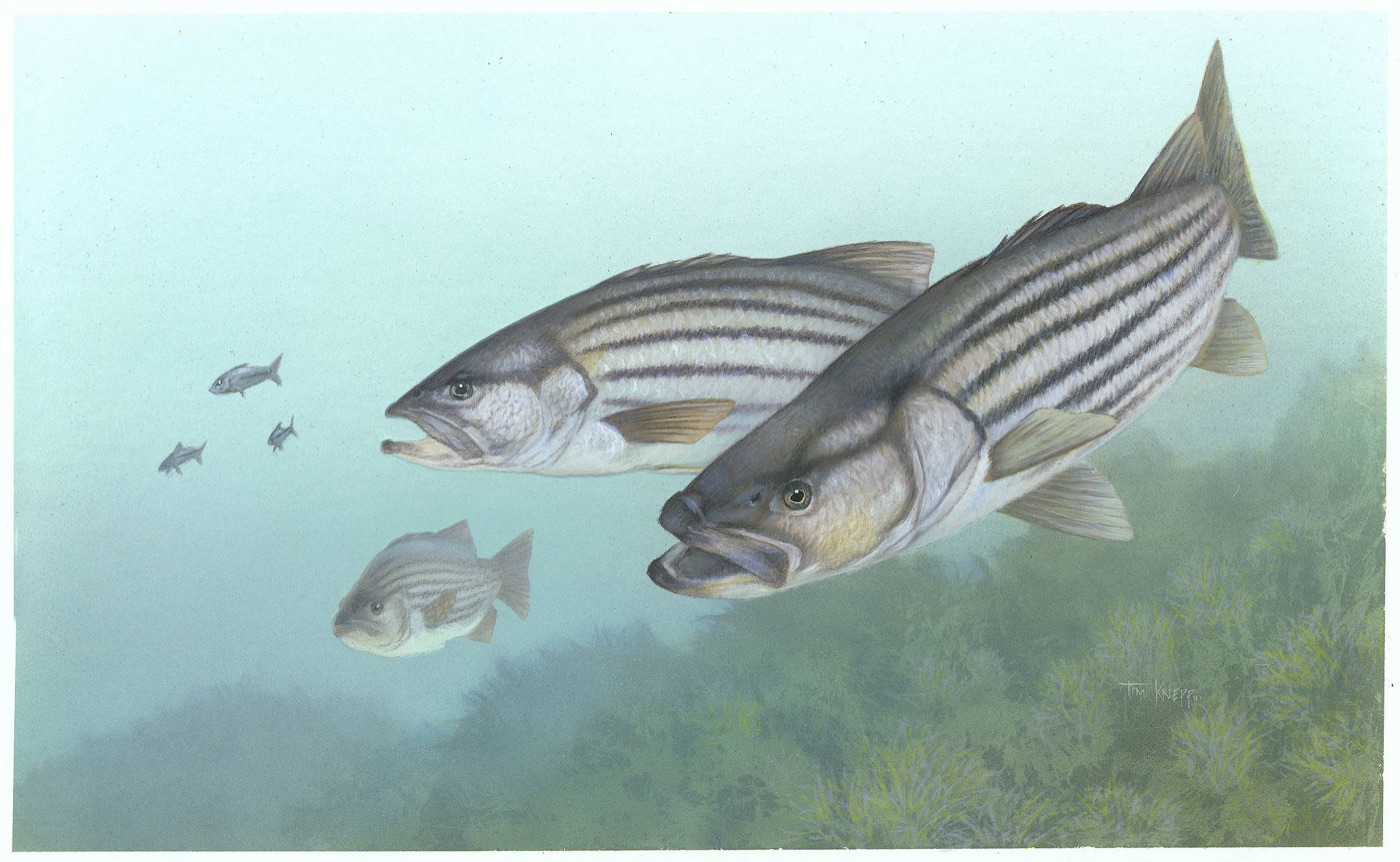
Ask what “type” a striped bass is and you can get four true answers: a saltwater fish that runs rivers, an anadromous fish, a temperate bass, and a game fish. None contradicts the others — they come from four different sorting systems, and most confusion about fish types is really confusion about which system is being used.
The scale of the problem is worth stating first. FishBase, the global species database, lists about 36,500 fish species. No angler’s list of “types” covers that; every list is a selection, organised by one of the four systems below. Our own species glossary holds 49 full profiles across all of them.
By water: fresh, salt, and the honest middle
The oldest split is where the fish lives, and the science adds a third category most lists skip. NOAA’s estuary science supplies the vocabulary: plants and animals that tolerate only slight changes in salinity are called stenohaline, and these usually live in either freshwater or saltwater environments. Those that tolerate a wide range of salinities are called euryhaline.
That third word explains every fish that refuses to stay in one list. Striped bass in a reservoir and in the surf, snook in a river mouth, black drum far up an estuary — euryhaline species work both sides of the salt line, and our profiles mark them “Fresh & Saltwater” for exactly this reason.
By migration: fish with two addresses
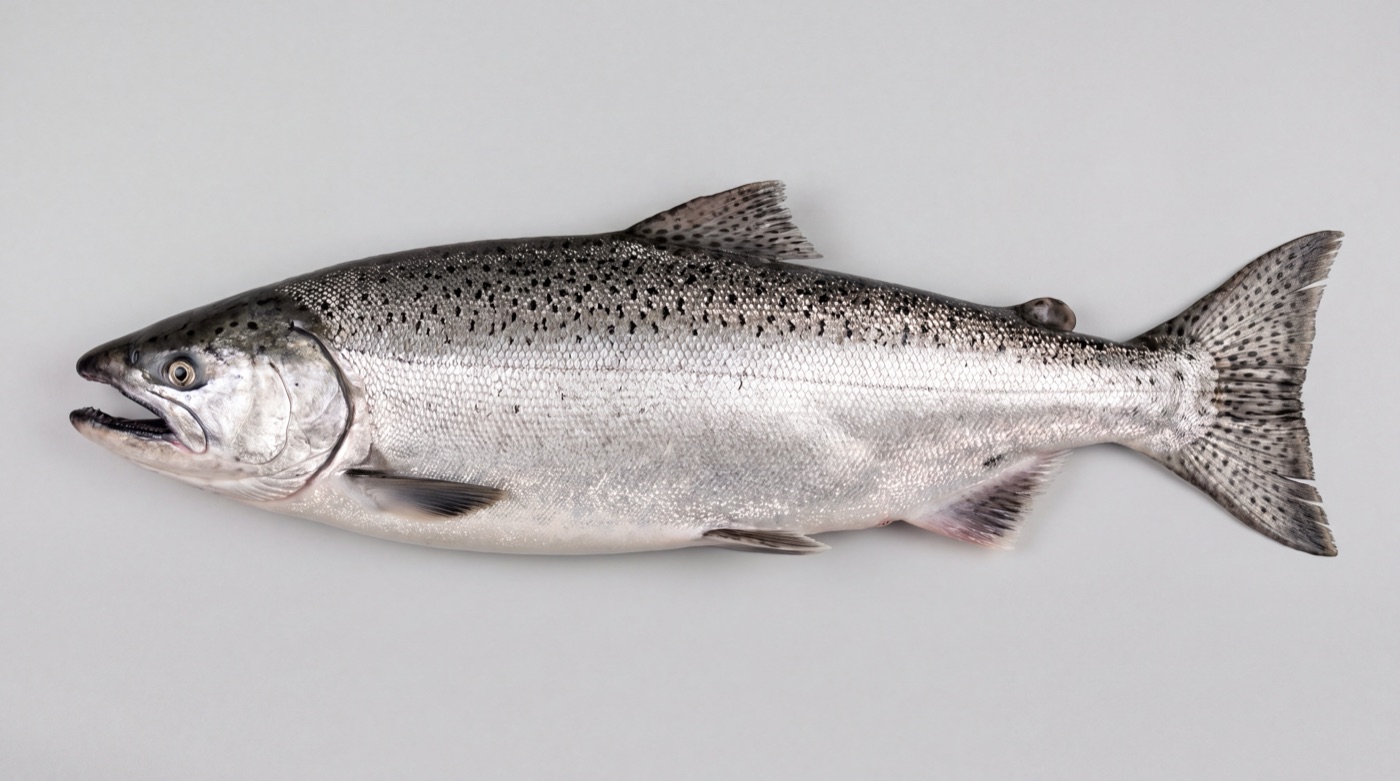
Some fish are typed by their commute. NOAA describes Atlantic salmon as anadromous — they live in both fresh and salt water, hatching in freshwater rivers, migrating to the ocean where they mature, and returning to their natal rivers to spawn. Every Pacific salmon in our glossary, from chinook to pink, runs this schedule, as do some striped bass and coastal cutthroat trout.
Catadromous fish run it in reverse. The Susquehanna River Basin Commission describes the American eel plainly: a catadromous species that spawns in the Atlantic Ocean and travels upstream into fresh water to live the majority of its 10-to-30-year life. Born at sea, resident in rivers — the salmon’s mirror image.
By family: the groupings biology actually supports
Families are where “types” stop being labels and start carrying real shared traits. Minnesota’s game-fish statute usefully names the freshwater core, family by family: Centrarchidae — the sunfishes and black bass, from bluegill to largemouth; Percidae — walleye, sauger and yellow perch; Salmonidae — the trout and salmon; Ictaluridae — the catfishes; and Esocidae — northern pike and muskellunge.
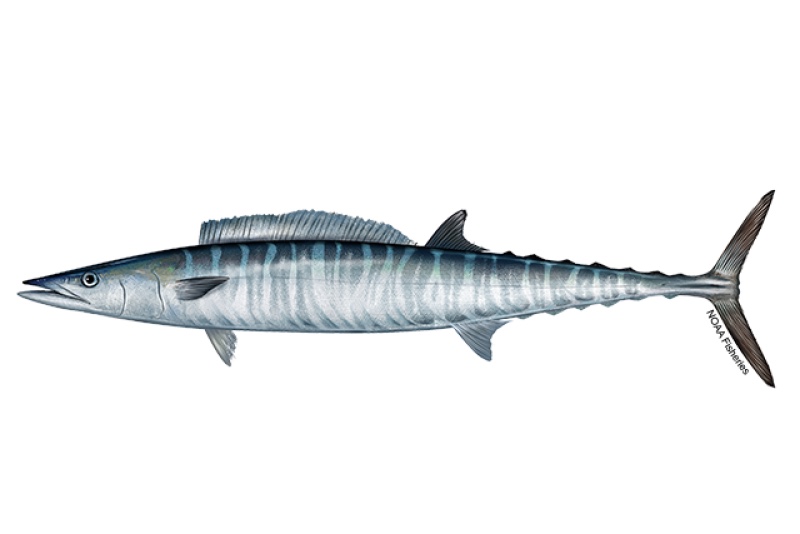
Salt water adds its own cores, each with a defining habit. Scombridae, the mackerels and tunas, are the open-water speed family — NOAA’s mackerel profile notes they school near the surface and travel between spawning and summering grounds. Sciaenidae are the drums, named for what they do: Texas Parks and Wildlife notes that red drum and their relatives make drumming sounds by vibrating a muscle against the swim bladder — our black drum profile covers the loudest of them. Serranidae, the true sea basses and groupers, carry the strangest trait: NOAA describes black sea bass as protogynous hermaphrodites, most starting as females and becoming males as they grow. Carangidae are the jacks, from permit to greater amberjack; Labridae the wrasses, whose local representative is the tautog.
One split sits above all the families: nearly everything an angler catches is a bony fish. Sharks and rays are elasmobranchs — NOAA translates the term as fish made of cartilaginous tissue, the clear gristly stuff of ears and nose tips — a separate branch entirely.
By law: the type that changes at the state line
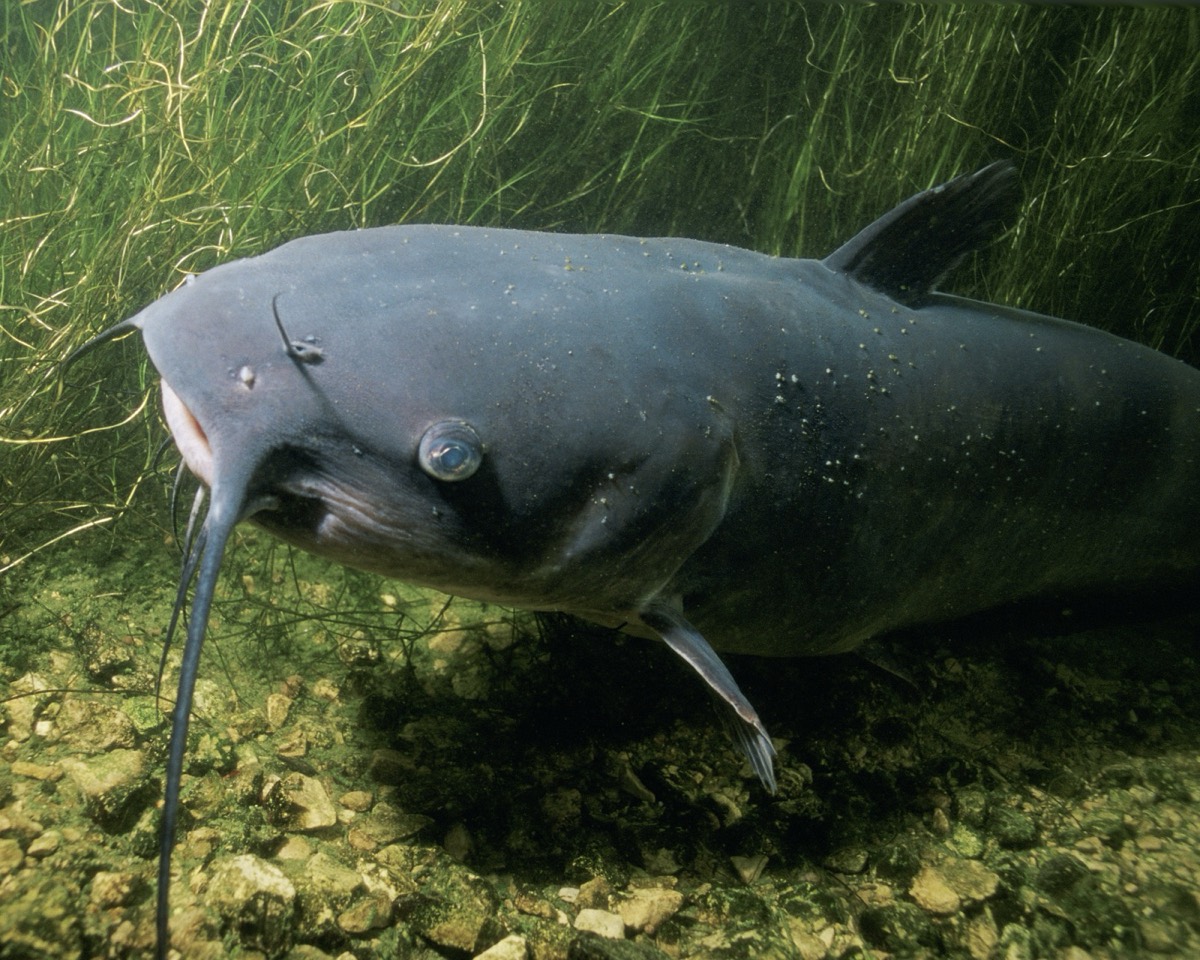
The fourth system is the one anglers argue about most, and it is not biology at all. “Game fish” and “rough fish” are legal categories, written by state legislatures, and Minnesota’s statute proves the point inside a single family: blue, channel and flathead catfish are statutory game fish, while black, brown and yellow bullheads — members of the same catfish family — are statutory “native rough fish”.
Nothing about a bullhead’s biology demoted it; a law did, and a different state’s law draws the line elsewhere. The same shift is happening to common carp, managed as a nuisance in one state and promoted as a hard-fighting sport fish in the next. So treat legal type the way this site treats every regulation: your state’s fish and wildlife code defines the list that applies to you, and it is the only version worth acting on.
Using the types
The practical payoff of keeping the four systems straight is knowing which question you are asking. Where can I fish for it — a water question. When will it be in the river — a migration question. What will its relatives behave like — a family question. May I keep it — a legal question, answered only by your state.
Our species glossary is organised to serve all four: every profile states water type, family, and migration where it applies — and points regulation questions at the agencies, where they belong.
Frequently asked questions
How many types of fish are there?
FishBase, the global species database, lists about 36,500 fish species. But 'types' usually means groupings, and there are four honest ways to group: by the water they live in, by whether they migrate between fresh and salt, by biological family, and by legal category. Each answers a different question, which is why a single list of 'types of fish' always feels incomplete.
What is the difference between freshwater and saltwater fish?
Tolerance for salt, and it is a spectrum rather than a wall. NOAA's estuary science gives the vocabulary: organisms that tolerate only slight salinity changes are stenohaline and usually live in either fresh or salt water; those that tolerate a wide range are euryhaline. Species like striped bass and snook sit in that euryhaline middle, which is why they appear in both 'types' of list.
What does anadromous mean?
Living in both waters on a schedule. NOAA describes Atlantic salmon as anadromous — they hatch in freshwater rivers, migrate to the ocean where they mature, and return to their natal rivers to spawn. Catadromous fish run the film backwards: the American eel spawns in the Atlantic and travels upstream to live most of its 10-to-30-year life in fresh water.
What are the main families of gamefish?
The freshwater core: sunfishes and black bass (Centrarchidae), perches including walleye (Percidae), trout and salmon (Salmonidae), catfishes (Ictaluridae), and pikes (Esocidae) — Minnesota's game-fish statute names all five, species by species. The saltwater core: mackerels and tunas (Scombridae), drums (Sciaenidae), sea basses and groupers (Serranidae), jacks (Carangidae), and wrasses (Labridae).
What counts as a rough fish?
Whatever your state's law says — the category is legal, not biological. Minnesota's statute proves it inside a single family: blue, channel and flathead catfish are statutory game fish, while black, brown and yellow bullheads — their close cousins — are statutory 'native rough fish'. Another state draws the line elsewhere. Check your own state's code rather than assuming.
Sources
- FishBase — global species database — FishBase. Accessed August 9, 2026.
- Estuaries Tutorial — adaptations to salinity — NOAA National Ocean Service. Accessed August 9, 2026.
- Atlantic Salmon — NOAA Fisheries. Accessed August 9, 2026.
- American Eel Biology — Susquehanna River Basin Commission. Accessed August 9, 2026.
- Minnesota Statutes §97A.015 — definitions of game fish and rough fish — Minnesota Legislature, Office of the Revisor of Statutes. Accessed August 9, 2026.
- Atlantic Mackerel — NOAA Fisheries. Accessed August 9, 2026.
- Red Drum — Texas Parks & Wildlife Department. Accessed August 9, 2026.
- Black Sea Bass — NOAA Fisheries. Accessed August 9, 2026.
- 12 Shark Facts That May Surprise You — NOAA Fisheries. Accessed August 9, 2026.
How we choose sources: sources policy.
More in this series
Know when it's worth going.
Fishing Club AI turns live weather, pressure and moon data into a simple bite forecast for your spot — so the skills you practise get used on the right day.
Get the App