Shore Fishing for Beginners
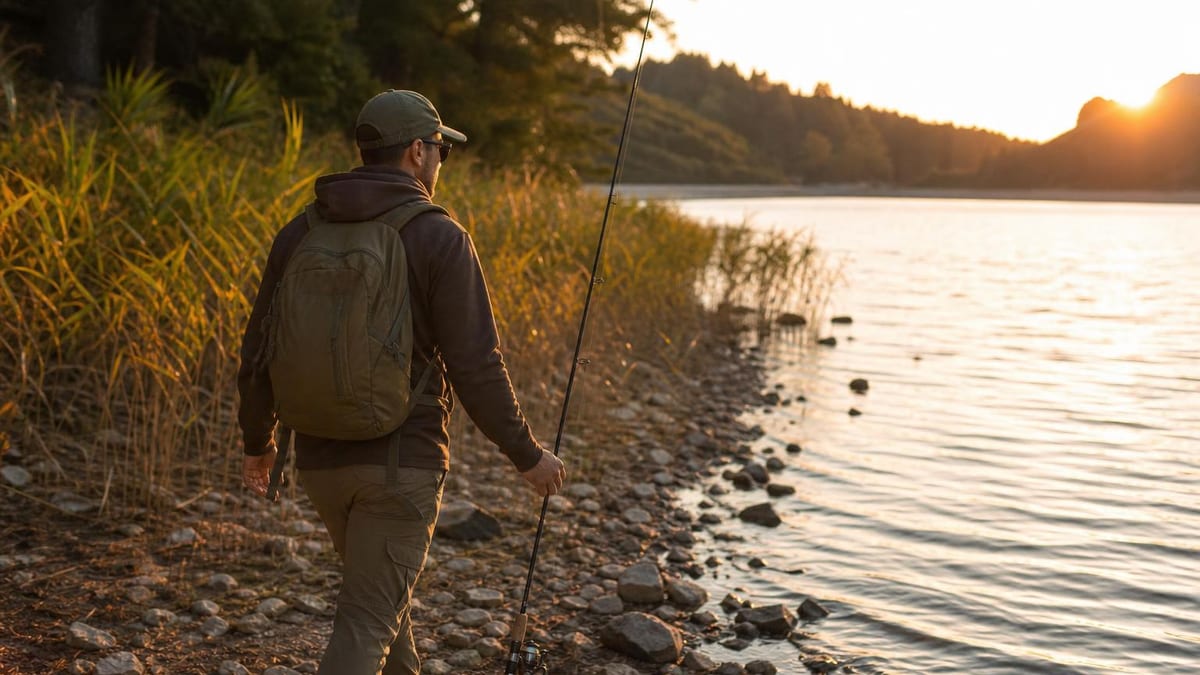
To start shore fishing, get the licence your state requires, take one rod with a simple bait or lure setup, and fish the structure closest to the bank. Most fish sit near shoreline cover, so casting parallel to the bank is usually more productive than casting straight out. You do not need a boat or expensive tackle to begin.
Key takeaways
- Check your state's licence rules first — requirements vary, and some waters and ages are exempt.
- Docks, logs, vegetation, rock piles and downed trees are the spots worth fishing.
- Casting parallel to the shoreline keeps your bait in the zone where most fish are holding.
- One rod, a few hooks, weights and a float will catch fish; gear can come later.
- Approach quietly — in shallow water near the bank, fish notice you before you see them.
Sort out the licence first
Check your state’s rules before anything else, because licence requirements are the one part of fishing where guessing has consequences. Requirements vary widely, and in many states a licence is needed even if you intend to release everything you catch.
Exemptions exist but are specific. In Texas, for example, the state agency states that “anglers in Texas need a fishing license unless under age 17 or fishing a state park.” Other states have their own exemptions for piers, particular waters, or younger anglers.
Buy from your state fish and wildlife agency, which almost always sells online. Regulations — seasons, size limits, bag limits, which species are protected — come from the same place, and they change, so treat the agency site as the authority rather than anything you read in an article, including this one.
What you actually need to start
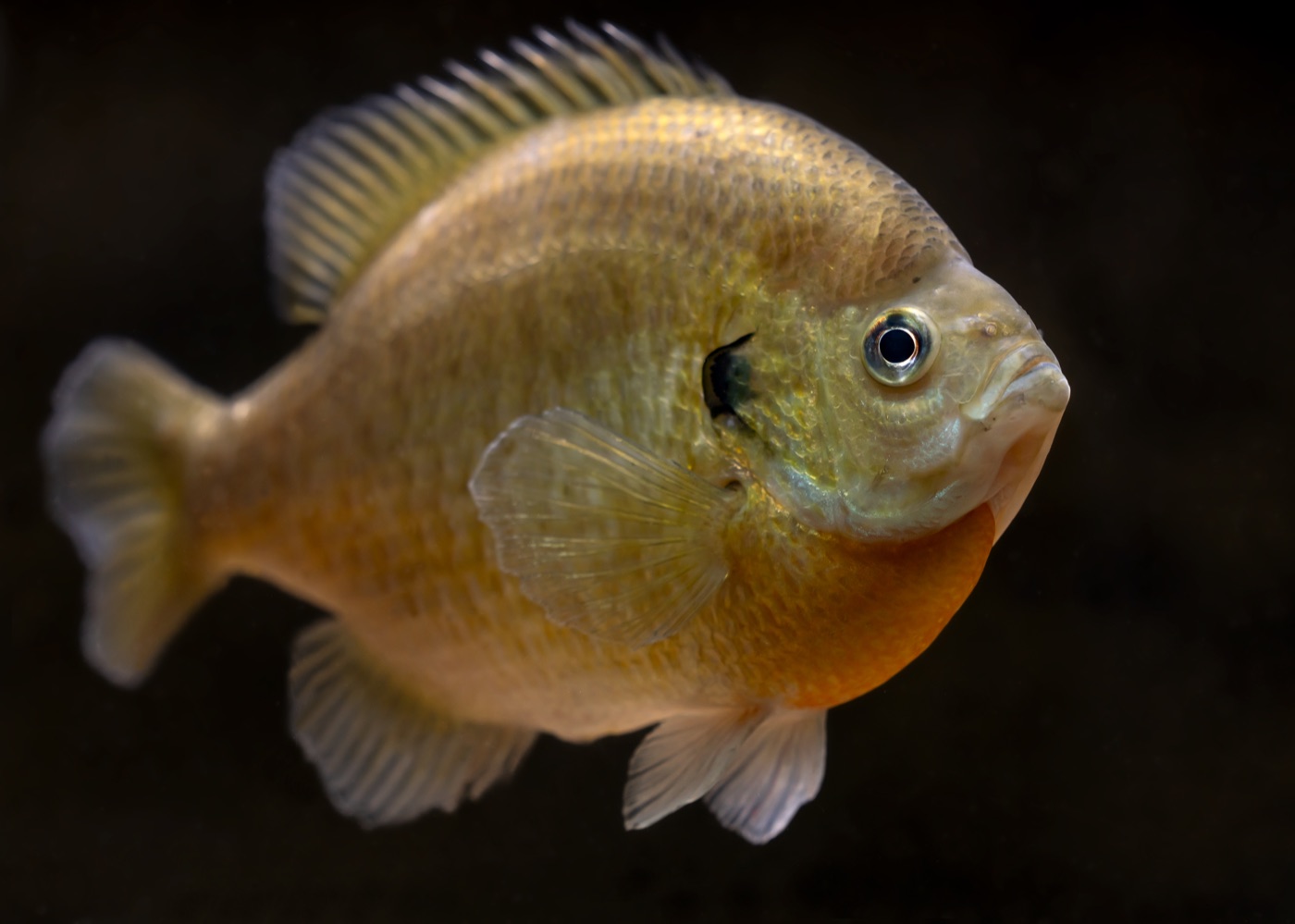
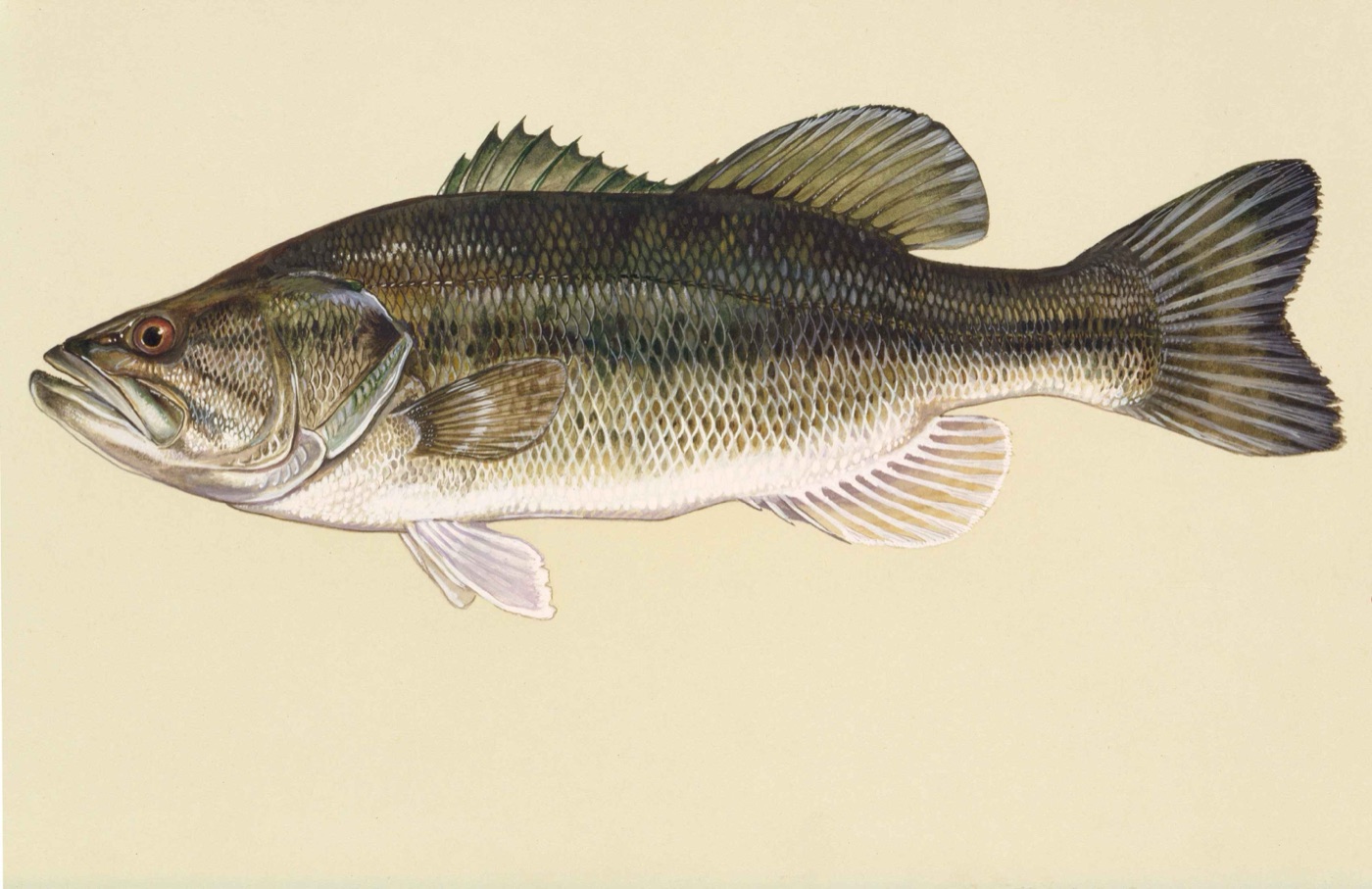
One spinning rod and reel covers nearly all beginner shore fishing. A medium-power rod around six to seven feet handles small panfish and modest bass alike, and a spinning reel is far more forgiving to learn on than a baitcaster.
Add a small handful of terminal tackle: hooks in a couple of sizes, split-shot weights, and a float. With live bait, that is a complete fishing setup. If you prefer lures, two or three simple ones — a small spinner, a soft plastic on a jig head — will catch fish across a lot of water.
Everything else is optional at the start. Line clippers, a small pair of pliers for hook removal and something to sit on will improve the day more than another rod will.
Where to fish along the bank
Fish the structure, not the open water. Shore-fishing guidance is consistent on this: “shoreline structure such as docks, logs, vegetation, rock piles, and downed trees are ideal fishing spots.” Those features give fish shade, ambush cover and something to hold against.
The second piece of advice surprises most beginners: “cast your line parallel to the shoreline,” because “most of the fish will be close to shore.” A cast fired straight out spends most of its retrieve in empty water, while a parallel cast keeps the bait in the productive strip the whole way back.
Walk the bank before you commit to a spot. Fifteen minutes of looking for a dock, a weed edge, a point or a fallen tree will do more for your day than an hour of casting from the first flat, featureless stretch you reach.
Public access is worth planning too. State agencies publish access points, piers and stocked community waters, and those places are chosen precisely because they hold fish and can be fished from the bank.
The approach matters more than the cast
Move quietly and stay back from the edge. Shallow water near the bank is exactly where fish are least tolerant of noise and movement, and heavy footfall on a dock or bank travels a long way through water.
Cast to the near water first, before you wade in or work your way along. The fish closest to you are the easiest to catch and the first ones you will spook if you charge straight past them.
Keep your shadow off the water where you can. Low sun behind you throws a long shadow across exactly the water you are about to fish.
Simple setups that work
Three rigs will cover most beginner shore fishing, and each suits a different kind of water and target.
Float and bait. A hook baited with a worm, suspended under a float a few feet down, near cover. It catches panfish reliably, gives beginners a clear visual bite indicator, and requires almost no technique.
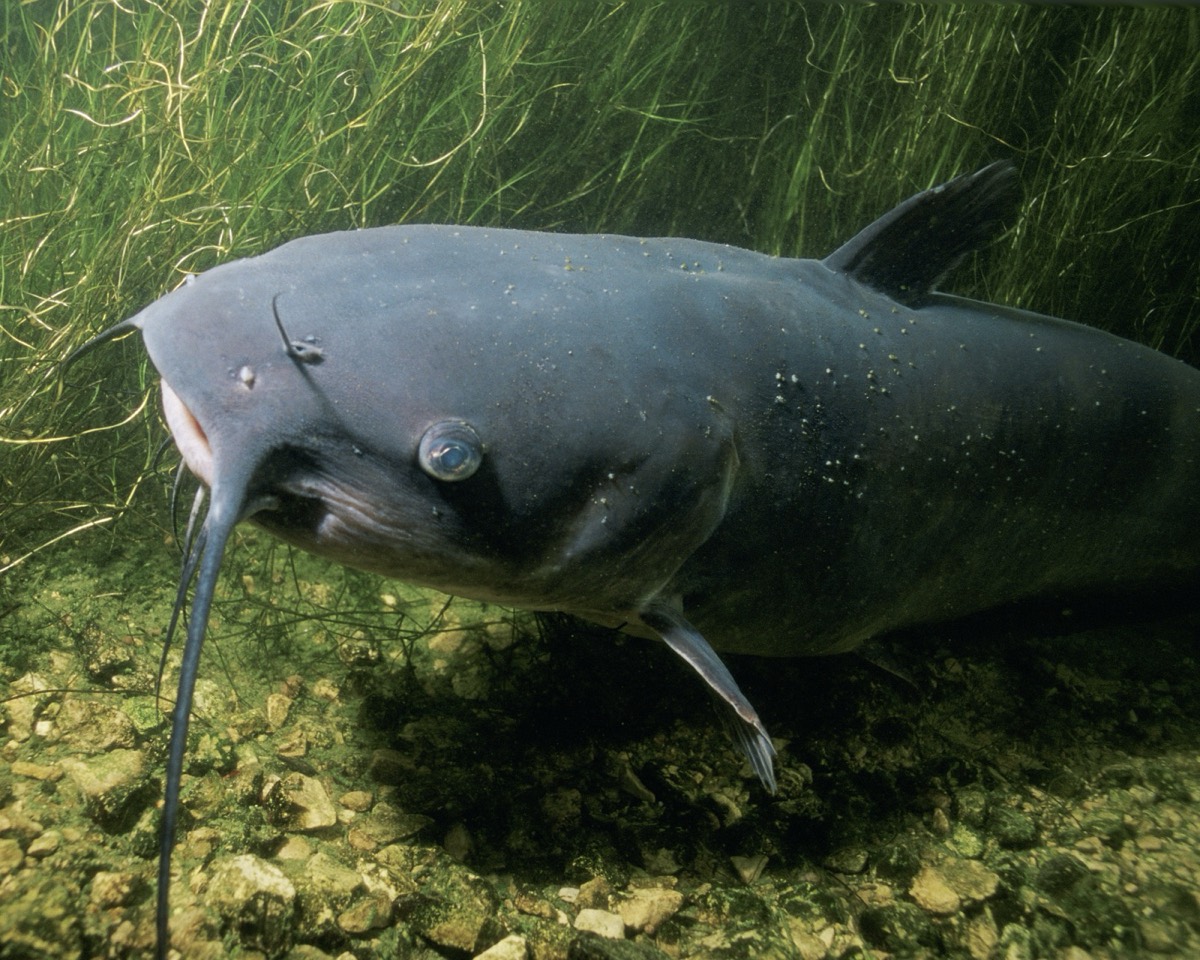
Bottom rig. A hook below a split shot or small weight, cast out and left with the line slightly tight. This is the standard approach for catfish and other bottom feeders, and it is forgiving of imprecise casting.
A single lure. A small spinner or a soft plastic on a jig head, cast parallel to the bank and retrieved slowly past cover. It covers more water than bait and teaches you to read where fish sit.
Start with one of these rather than switching constantly. Learning what a productive spot feels like matters more early on than optimising tackle.
Limitations and context
Rules, access and seasons vary enormously by state and by individual water, so nothing here replaces your local agency’s current regulations. That applies especially to anything about keeping fish.
Conditions matter as much as technique, and they change what the bank offers on a given day. Wind pushing into a shoreline concentrates food along it, which can make an ordinary bank the best spot available — our guide to how wind affects fishing explains why. Water temperature does something similar across the seasons, moving fish shallow in spring and deeper in high summer.
Frequently asked questions
Do I need a fishing licence to fish from shore?
Usually yes, but the rules vary by state and situation. Many states require a licence even if you release everything you catch, while some waters, piers or age groups are exempt — for example, anglers in Texas need a licence unless they are under 17 or fishing a state park. Always check your own state fish and wildlife agency before you go.
What gear do I need to start shore fishing?
One spinning rod and reel, line, a few hooks, split-shot weights, a float and either live bait or a couple of simple lures. That covers most freshwater shore fishing. Add to it once you know what you actually fish for, rather than buying a full tackle box in advance.
Where should I cast from the bank?
Toward structure and along the shoreline rather than straight out into open water. Guidance for shore anglers is to cast parallel to the shoreline because most of the fish will be close to shore, holding near docks, logs, weed and rock.
Is shore fishing worse than fishing from a boat?
Not for most species most of the time. A boat gives access to more water, but fish concentrate near cover and shallow food sources, much of which is within casting distance of the bank. Shore fishing also removes the cost, launch and safety overheads of a boat, which is why it is the usual place to start.
Sources
- Shore Fishing — Take Me Fishing (Recreational Boating & Fishing Foundation). Accessed August 2, 2026.
- Fishing for Beginners — Texas Parks & Wildlife Department. Accessed August 2, 2026.
How we choose sources: sources policy.
More in this series
Know when it's worth going.
Fishing Club AI turns live weather, pressure and moon data into a simple bite forecast for your spot — so the skills you practise get used on the right day.
Get the App