Live Bait for Fishing: What Each Bait Catches, and the One Rule About Leftovers
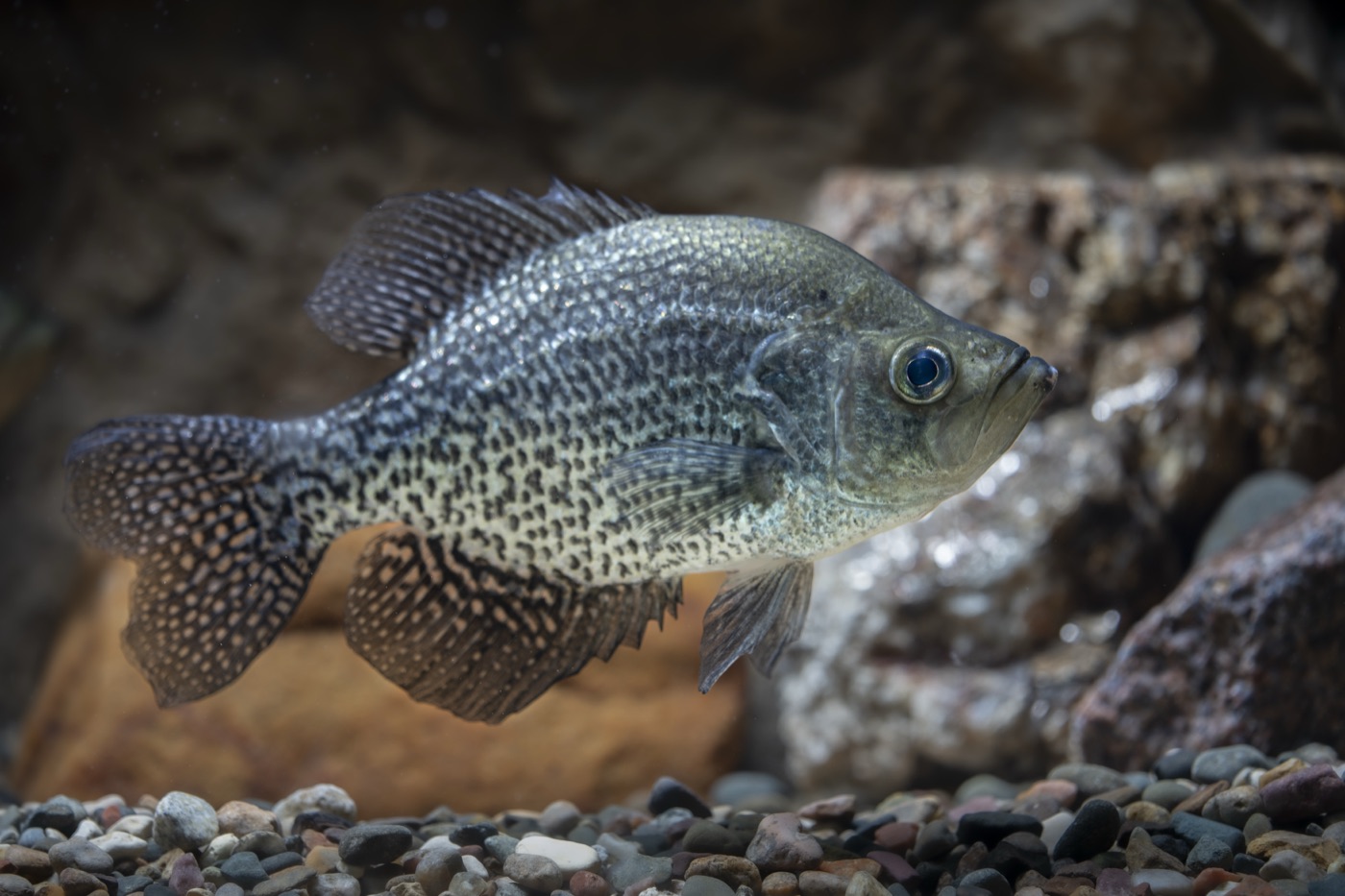
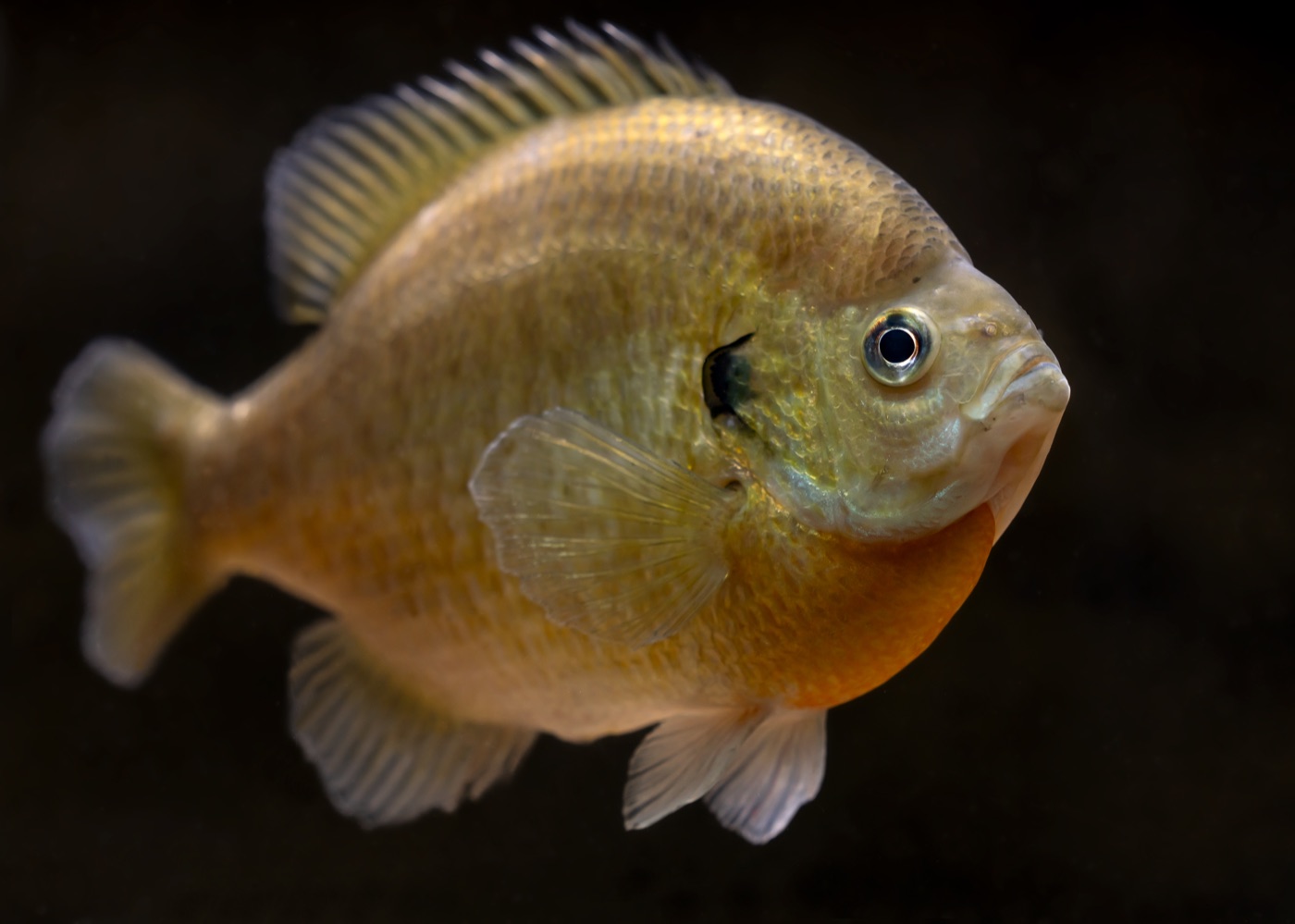
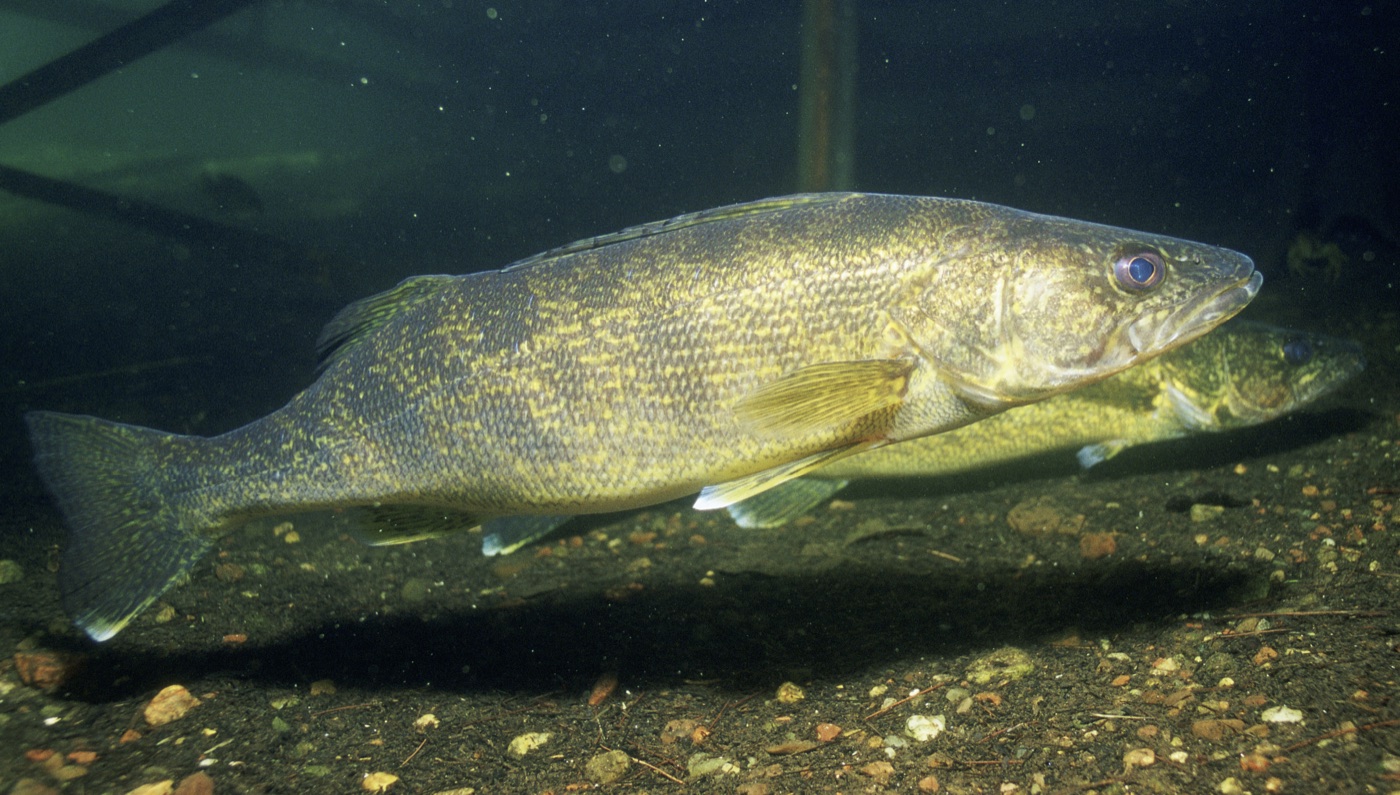
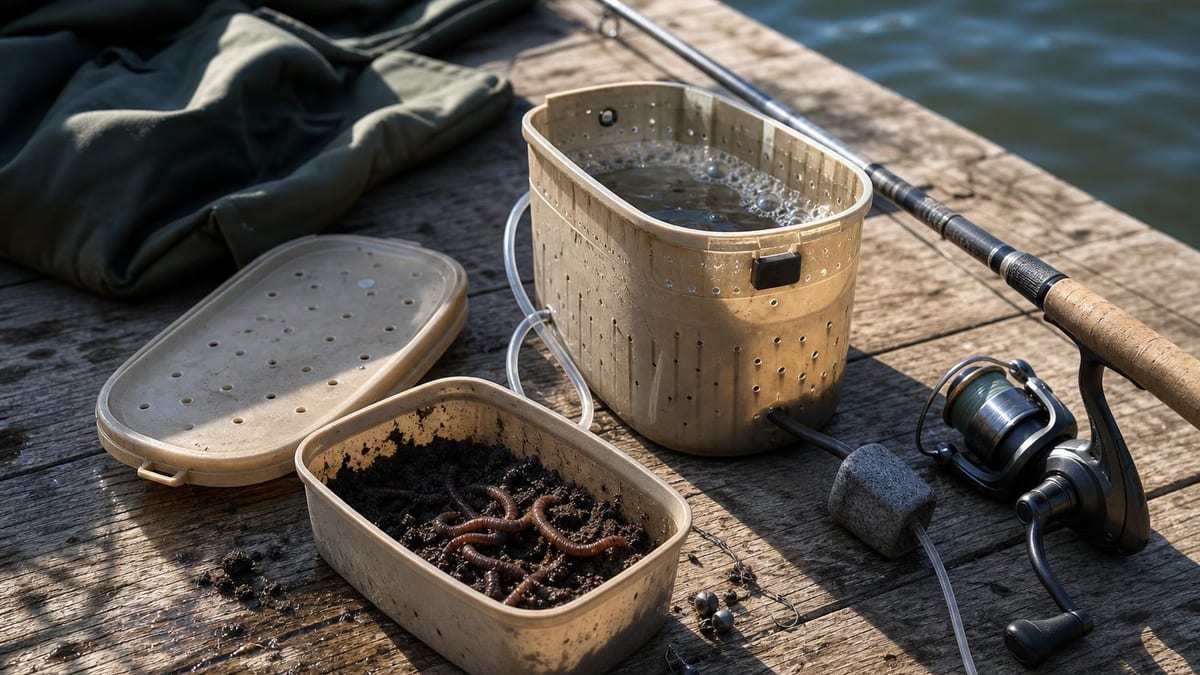
Worms catch the majority of freshwater fish, according to Texas Parks and Wildlife; minnows take crappie, walleye and bass; crickets and grasshoppers take sunfish, bass and catfish; crayfish take bass and drum. Hook minnows through the lips, cover the hook point for sunfish. And never release unused live bait into the water — the U.S. Fish and Wildlife Service's rule against spreading invasive species.
Key takeaways
- Texas Parks and Wildlife: worms are the favoured choice for the majority of freshwater fish; crickets and grasshoppers for sunfish, bass and catfish; crayfish for bass, catfish and drum.
- Hook minnows through the lips or under the dorsal fin, never through the backbone — that kills the bait.
- Wisconsin's DNR: catfish hunt by smell and touch, which is why stink baits and cut baits work; flatheads want live fish and little else.
- The U.S. Fish and Wildlife Service: never release unused live bait into the water, and ask the bait dealer whether the minnows are native before fishing with them.
- Every agency source opens the same way — check the regulations, because some waters prohibit certain baits and some states restrict what can be used alive.
Read the regulations line first
Texas Parks and Wildlife’s bait chapter opens with one sentence in bold before it names a single bait: always check current fishing regulations to make sure your choice of bait is legal. The U.S. Fish and Wildlife Service’s beginner checklist carries the same warning next to the word “bait” — some areas prohibit certain types.
That is not boilerplate. Missouri’s wildlife code has a section devoted to live bait that sets length limits on fish taken for bait and prohibits using invasive fish alive. Rules on what you may collect, move and put on a hook differ by state and sometimes by water body. Everything below is about what works; what is allowed comes from your agency.
The freshwater baits, and what each one catches
Texas Parks and Wildlife’s guide is the most complete agency treatment, and its species notes are worth tabulating.
| Bait | What it catches | How the agency says to fish it |
|---|---|---|
| Worms (earthworm, red wiggler, nightcrawler) | “The majority of freshwater fish” | Cover the hook point, especially for sunfish, or they pull the worm off. Store leftovers in the fridge |
| Crickets and grasshoppers | Sunfish, bass, catfish | Thin wire hooks 6–10 for sunfish, 1–2 for bass and catfish; point completely covered |
| Minnows | Fresh and saltwater fish generally; crappie, walleye, bass | Hook through the lips or under the dorsal fin — never the backbone. Aerated bucket, not crowded, water changed often |
| Crayfish | Largemouth and smallmouth bass, white bass, catfish, freshwater drum | Live, dead or tail only; hook through the underside of the tail so the point comes out the top. Drum prefer them to any other bait |
| Prepared baits (stink bait, dough balls, corn) | Bottom feeders — catfish, carp | Treble hooks hold soft bait through the cast |
The Fish and Wildlife Service’s beginner brochure covers the same ground more briefly — worms, minnows, crickets and other insects are a good option for a beginner — and adds the cheapest sourcing advice in print: a few shovels full of backyard dirt will often provide enough worms.
Why catfish are their own subject
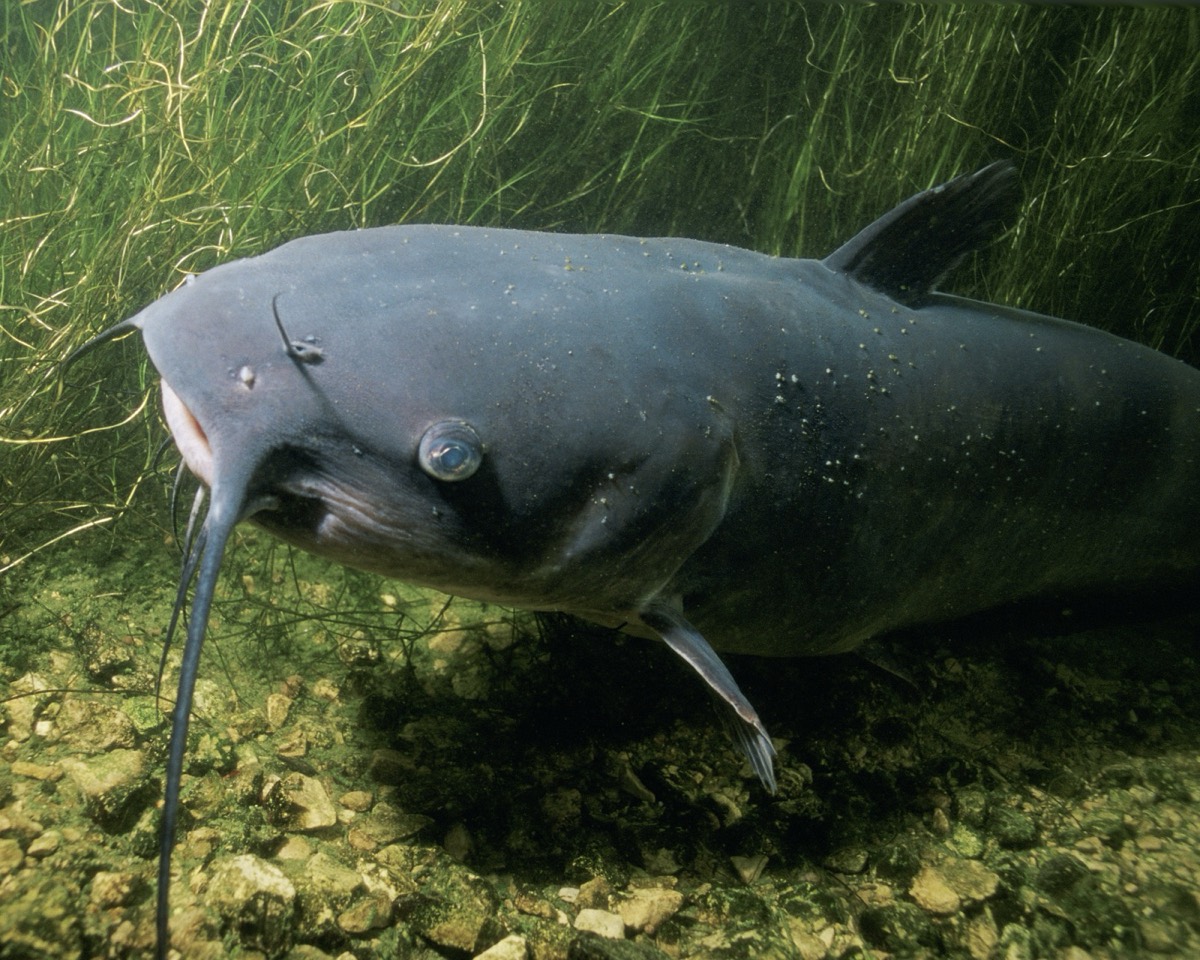
Wisconsin’s DNR explains the mechanism before the menu. Unlike sharp-eyed predators, catfish depend on well-developed senses of smell and touch to find food, using eight barbels the agency describes as fleshy sensors capable of feeling and tasting. A bait that smells strongly and sits on the bottom is playing to that.
Hence the list. For channel catfish the agency names stink bait — homemade or shop-bought mixtures of cheese, meat, blood, oats, flour and anise — and then keeps going: strips of fish or meat, worms and nightcrawlers, fish or animal entrails, soap, dough balls, frogs, grasshoppers, clams, crayfish tails. Missouri’s Department of Conservation condenses the channel-cat list to nightcrawlers, chicken liver, grasshoppers, crayfish or small fish.
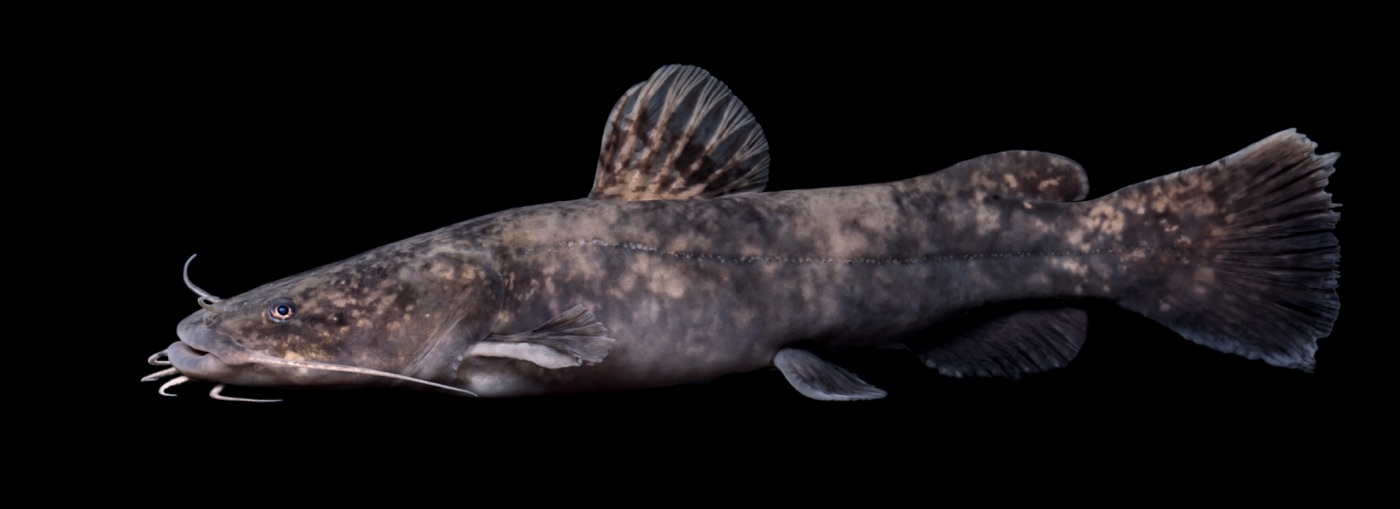
Flatheads break the pattern. Wisconsin’s DNR: if your goal is a giant flathead, forget any bait that is not big and alive — suckers, carp, shad, sunfish, bullheads and small channel catfish, with live fish of a pound or more for the largest. Missouri’s list for flatheads is large minnows, goldfish, green sunfish and bullheads; for blue catfish, live or dead fish, especially sunfish and goldfish, and cut shad or skipjack.
Our catfish fishing guide covers the rigs; the fish finder rig is the usual way to hold a soft bait still on the bottom.
Keeping bait alive and on the hook
Texas Parks and Wildlife’s minnow instructions are the ones most often ignored. Keep minnows in an aerated minnow bucket and do not crowd them; change the water often to keep them lively; hook them through the lips or under the dorsal fin, and avoid the backbone because it kills the bait.
For worms, the same agency and the Fish and Wildlife Service give the same threading rule — cover the point completely — with a diagnosis attached: if small fish keep stealing the bait, use a smaller worm or a smaller hook. Our hook sizes guide explains the sizes in the table above; the slip float rig is the standard way to present a minnow at a set depth for crappie.
Saltwater, briefly
Texas Parks and Wildlife’s saltwater section is short and specific: shrimp, live or dead, hooked under the horn on the head when live; crabs — hermit and fiddler crabs for sheepshead and snapper, blue crab halved or quartered for black drum, small whole live blue crab with the pincers removed for cobia; and dead squid, hooked two or three times through the body so small fish cannot strip it. Many freshwater catfish anglers, the agency notes, use dead shrimp too.
One saltwater bait is off the list entirely. The Fish and Wildlife Service asks anglers never to use green crabs as live bait on either coast — they are among the most damaging invasive species in American waters.
The rule about the bucket
This is the part every agency source agrees on and most anglers have broken at least once. From the Fish and Wildlife Service’s beginner guide:
never move fish or plants from one water body to another or release unused live bait into the water.
Its invasive-species page explains the reasoning for minnows specifically. The live minnows you may be using may not be native to the water you are fishing, so ask the bait dealer whether they are native — and if not, do not dump them in the water while they are still alive. The agency’s slogan is “Destroy! Don’t Dump.” Its beginner brochure offers the cleanest alternative: catch minnows in or near the water you intend to fish, and return leftovers to where you caught them.
Missouri’s live-bait code shows what the rule looks like in law — invasive fish may be used as dead or cut bait but never alive. For worms, the answer is easier: Texas Parks and Wildlife says to put them in the refrigerator for next time.
Before you go
Bait rules, collection limits and the list of waters where live bait is restricted are published by your state agency, and they change. Our licences and regulations guide shows where to find them. Then buy local, hook it right, and take the bucket home full if you have to.
Frequently asked questions
What is the best live bait for fishing?
For most freshwater fish, a worm. Texas Parks and Wildlife writes that whether it is an earthworm, red wiggler or nightcrawler, worms are a favoured choice for the majority of freshwater fish, and that you can dig them from the garden, raise them in compost or buy them. The U.S. Fish and Wildlife Service's beginner guide agrees — live natural bait such as worms, minnows, crickets and other insects is a good option, and a few shovels of backyard dirt will often provide enough. The agency's threading advice is to cover the hook point completely, particularly for sunfish, which otherwise pull the worm off.
How do you hook a minnow?
Through the lips or under the dorsal fin. Texas Parks and Wildlife is explicit: avoid hooking through the backbone because it kills the minnow, and keep minnows in an aerated bucket, uncrowded, changing the water often so they stay lively. The Fish and Wildlife Service's brochure gives the same lip hooking. Wisconsin's DNR names minnows as the most popular crappie bait, often fished with a light jig, and lists them alongside worms and nightcrawlers for walleye.
What bait do catfish like?
Almost anything with a smell, and it depends which catfish. Wisconsin's DNR explains that catfish depend on their well-developed senses of smell and touch rather than sight, and lists channel catfish baits from stink bait — odorous mixtures of cheese, meat, blood, oats, flour and anise — to worms, nightcrawlers, fish or animal entrails, dough balls, frogs, grasshoppers, clams and crayfish tails. Flatheads are the exception: the agency says to forget any bait that is not big and alive, listing suckers, carp, shad, sunfish, bullheads and small channel catfish. Missouri's Department of Conservation gives the same split — nightcrawlers, chicken liver, grasshoppers, crayfish or small fish for channels; large minnows, goldfish, green sunfish and bullheads for flatheads; live or cut fish, especially sunfish and shad, for blues.
Can I use crickets and grasshoppers?
Yes, and agencies rate them highly. Texas Parks and Wildlife calls crickets and grasshoppers excellent choices for sunfish, bass and catfish, and explains how to gather them: by hand or insect net in thick tall grass, at night under lights, or by laying cloth, cardboard or newspaper on the grass to attract crickets. Hook sizes follow the fish — thin wire hooks in 6 to 10 for sunfish, 1 or 2 for bass and catfish — with the point fully covered.
What do I do with leftover bait?
Do not pour it in. The U.S. Fish and Wildlife Service's first-time guide says never to release unused live bait into the water, and its invasive-species page explains why: the live minnows you are using may not be native to the water you are fishing, so ask the bait dealer whether they are, and if not, do not dump them in the water alive. Its slogan is 'Destroy! Don't Dump.' The same page asks anglers never to use green crabs as bait on either coast. Texas Parks and Wildlife's practical alternative for worms: store leftovers in the refrigerator for next time. For minnows, the Fish and Wildlife Service's brochure suggests catching them in the water you will fish and returning leftovers to where you caught them.
Is live bait legal everywhere?
No, and every agency source leads with that. Texas Parks and Wildlife's bait chapter opens by telling readers to check current regulations to make sure the bait is legal. Missouri's wildlife code on live bait sets length limits on fish taken as bait and states that invasive fish may not be used as live bait, only dead or cut. The Fish and Wildlife Service notes that some areas prohibit certain baits entirely. Your state's rules on collecting, transporting and using bait are the only source that counts — our licences page shows where to find them.
Sources
- Fish Texas: A Basic Guide for the Beginning Angler — Natural and Live Baits — Texas Parks and Wildlife Department. Accessed September 25, 2026.
- A Guide to Fishing for the First Time — Responsible Fishing Tips for New Anglers — U.S. Fish and Wildlife Service. Accessed September 25, 2026.
- Don't Spread Invasive Species When You Go Fishing! — U.S. Fish and Wildlife Service. Accessed September 25, 2026.
- Catfish (PUBL-FH-713), Wisconsin fish species guide — Wisconsin Department of Natural Resources, Bureau of Fisheries Management. Accessed September 25, 2026.
- Catfish: Tips for Fishing — Missouri Department of Conservation. Accessed September 25, 2026.
- 3 CSR 10-6.605: Live Bait (Wildlife Code of Missouri) — Missouri Department of Conservation. Accessed September 25, 2026.
How we choose sources: sources policy.
More in this series
Know when it's worth going.
Fishing Club AI turns live weather, pressure and moon data into a simple bite forecast for your spot — so the skills you practise get used on the right day.
Get the App