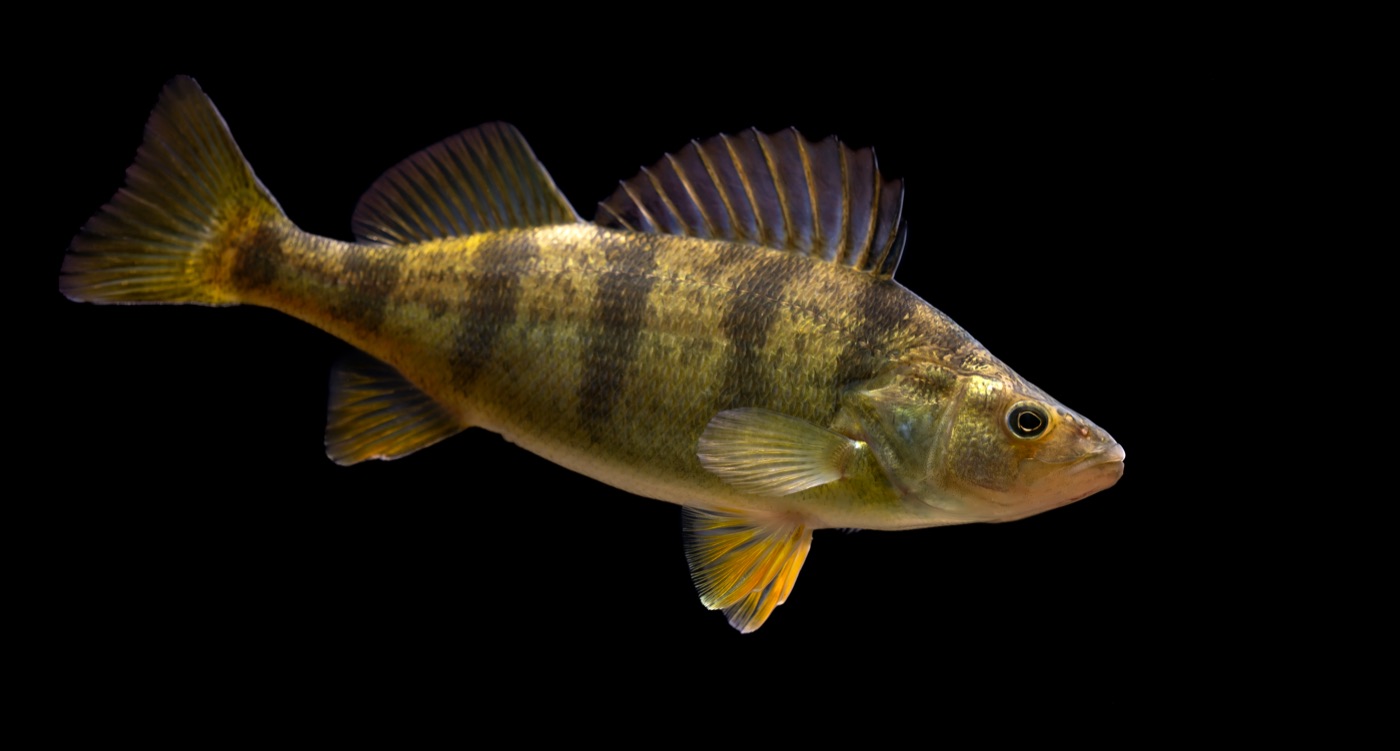
Panfish: What Counts, and Why They Matter More Than You Think
Panfish is an angler's category, not a scientific one: small, abundant, good-eating fish that fit a frying pan. New Jersey's wildlife agency defines the group as sunfish (bluegill, pumpkinseed), crappie (black and white) and yellow perch; Wisconsin's legal definition lists eight species. The label spans two fish families — and describes the most-targeted, most beginner-friendly fish in North American freshwater.
Key takeaways
- There is no single official panfish list — Wisconsin's regulatory definition names 8 species, New Jersey teaches three groups, New York even counts bullheads.
- The word spans two families: sunfishes (Centrarchidae) and perches (Percidae) — a bluegill and a yellow perch are not close relatives.
- Wisconsin's DNR reports anglers target panfish more than any other group of fish in the state.
- Agencies point beginners here on purpose — 'panfish can be caught easily by beginners and are excellent to eat' (New York DEC).
- Panfish are also the food base: agencies describe yellow perch and small sunfish as key prey for walleye, bass, pike and muskellunge.
- Populations are prolific — Pennsylvania's plan allows up to 50 panfish per day in most waters, and notes selective harvest can improve size.
A word invented by the frying pan
“Panfish” is one of the most-used words in freshwater fishing, and it appears in no taxonomy book — because anglers coined it, and the pan in question is the one on the stove. It describes fish that are small, abundant, catchable and good to eat, and precisely because it’s a folk category, nobody fully agrees on the membership list.
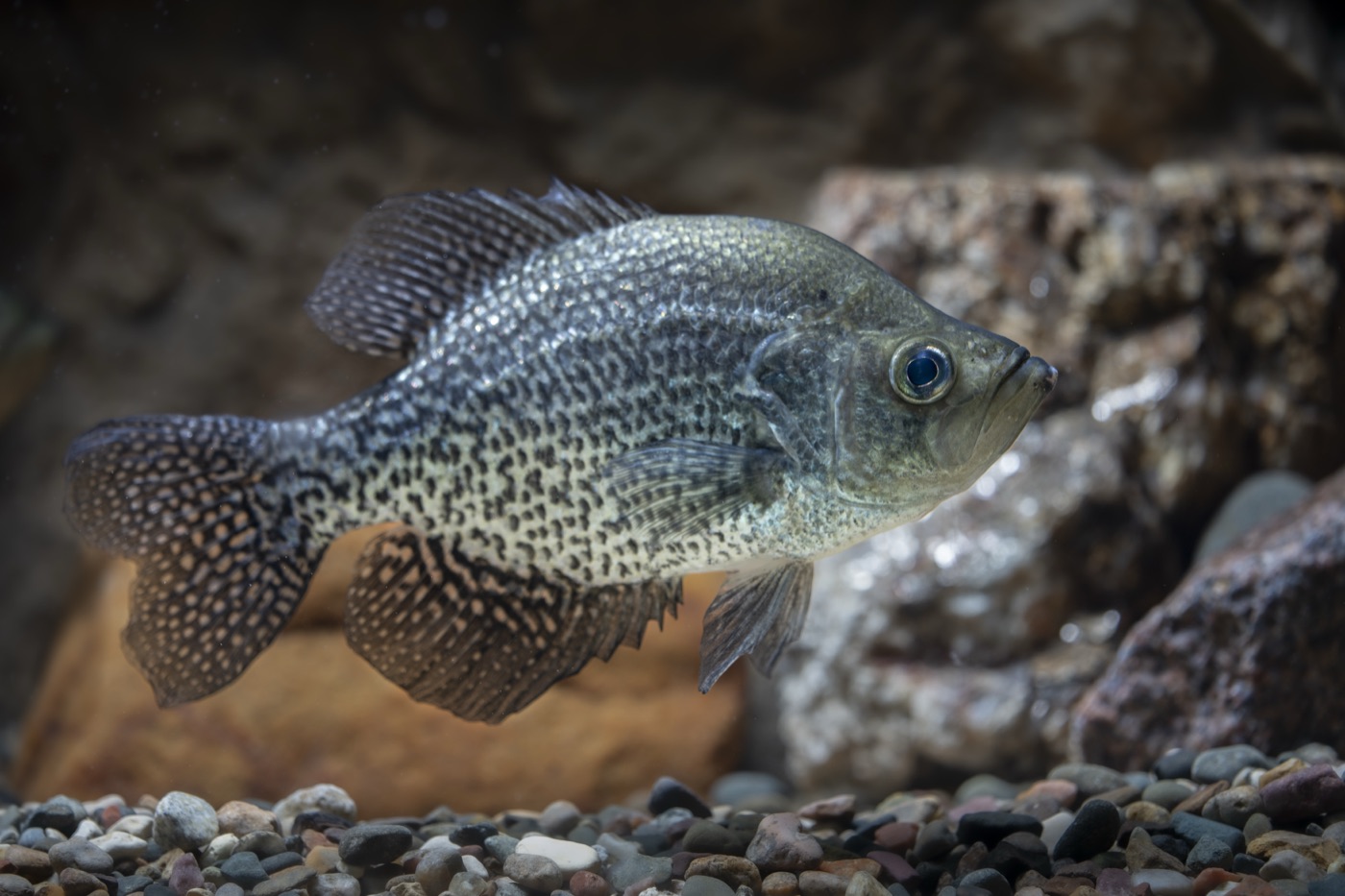
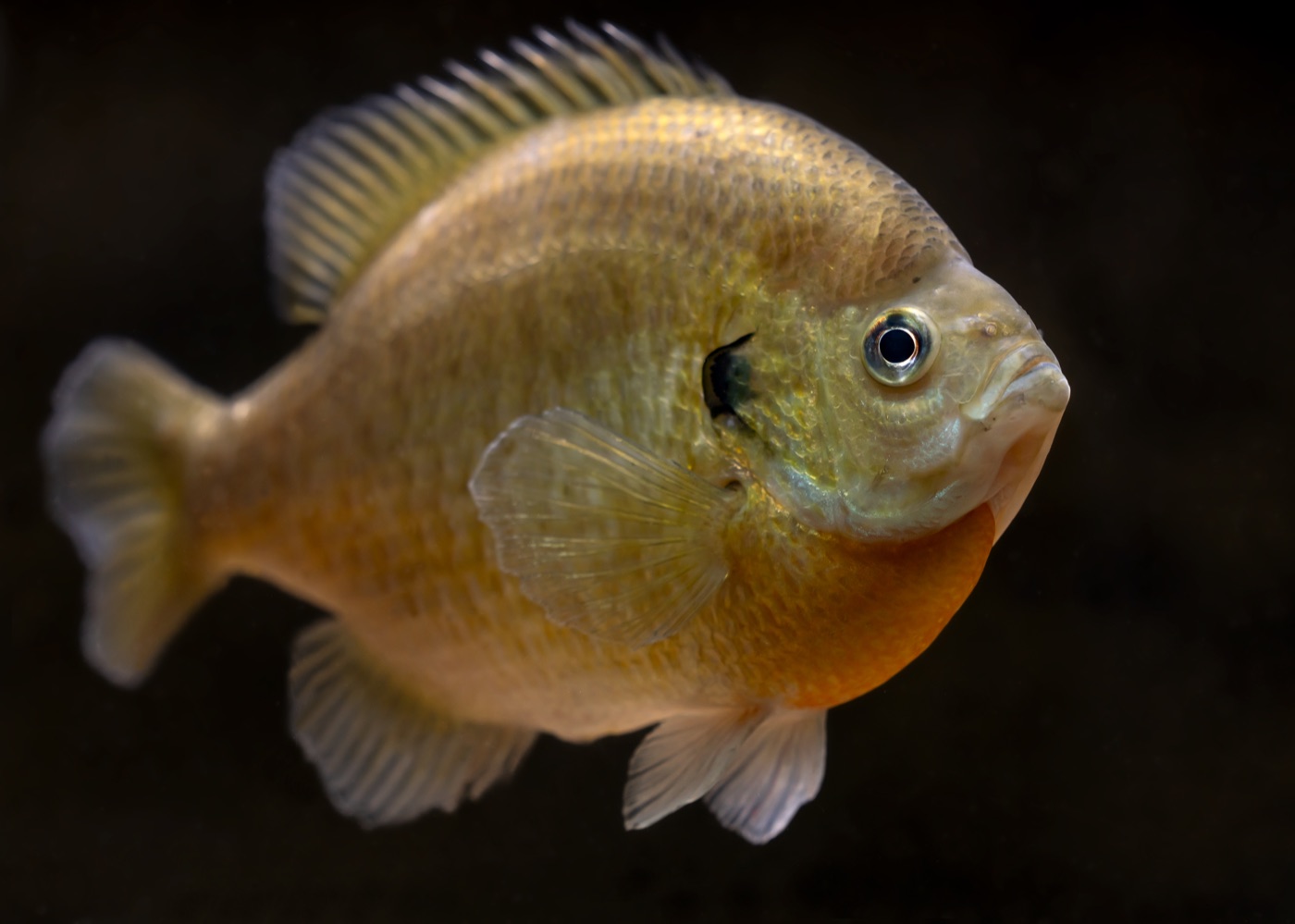
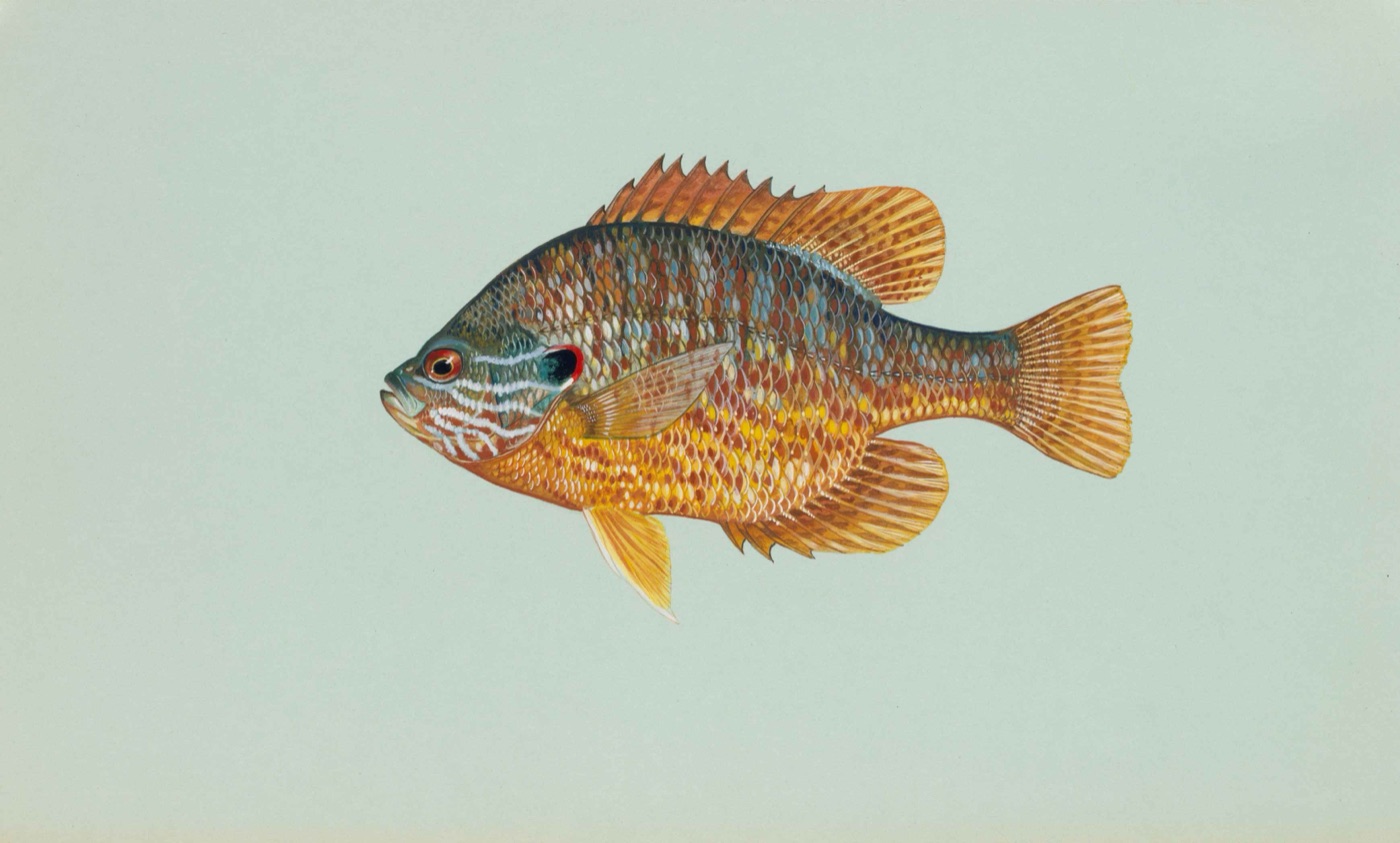
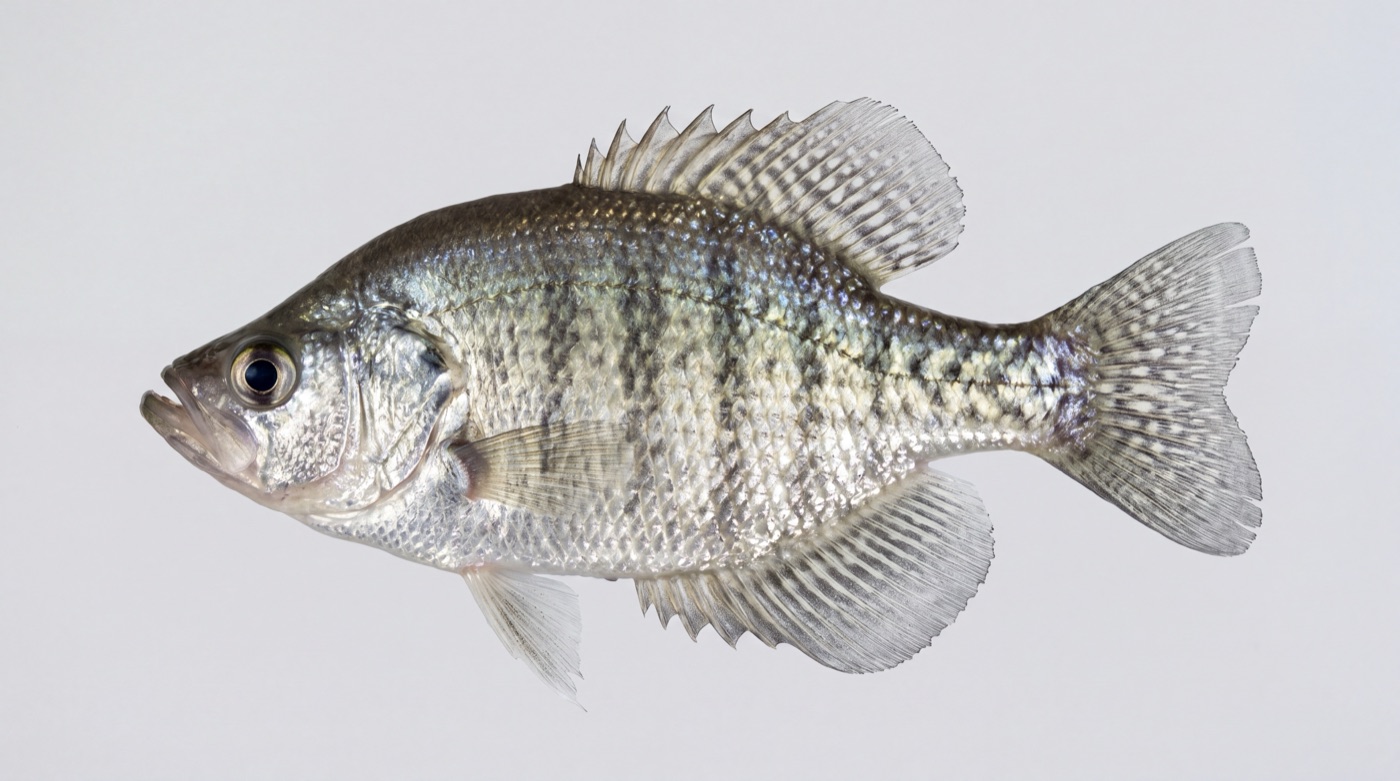
The disagreement is documented at the agency level. Wisconsin, which regulates panfish as a legal category, defines the term as exactly eight species: yellow perch, bluegill, black crappie, white crappie, pumpkinseed, green sunfish, warmouth and orangespotted sunfish. New Jersey’s fish and wildlife agency teaches a tidier three-group version — sunfish (bluegill and pumpkinseed), crappie (black and white), and perch (yellow perch). New York’s DEC stretches the tent further and counts bullheads among them. Same word, three official answers — which tells you the definition lives in culture, not biology.
One word, two families
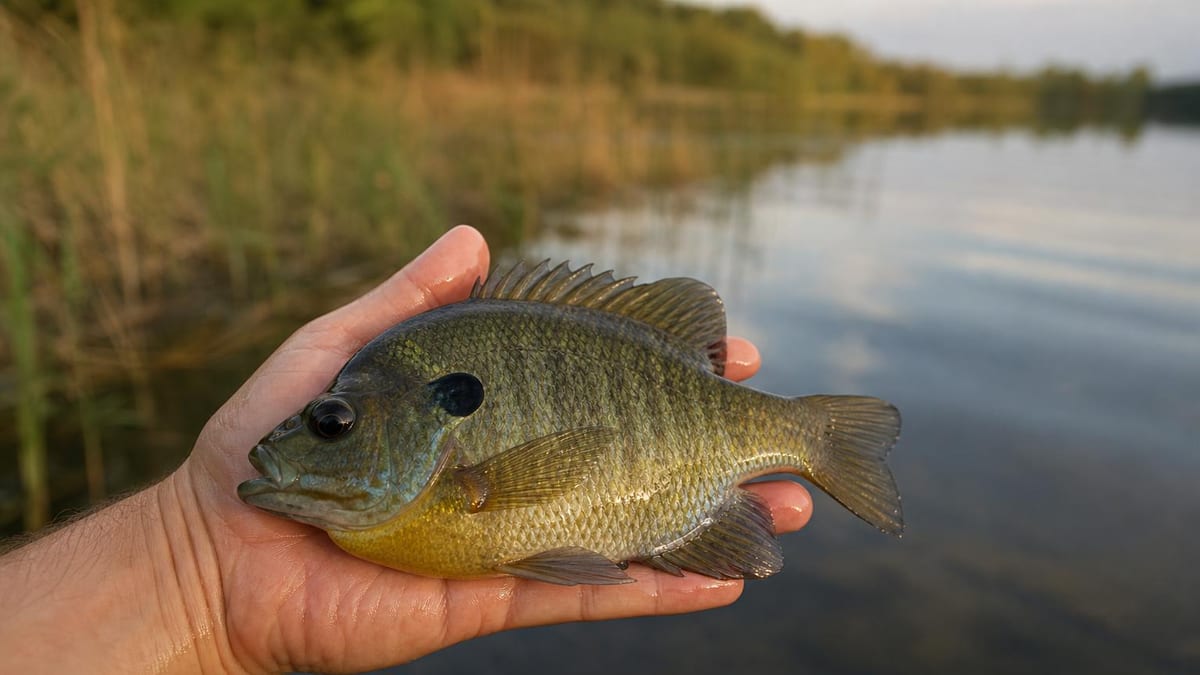
Look under the hood and the panfish label quietly spans a family boundary. Most of the classic panfish — bluegill, pumpkinseed, black crappie and white crappie — belong to the sunfish family, Centrarchidae. A species profile from the Southern Regional Aquaculture Center reports the family holds about 30 species, occurs naturally only in North America, and includes — awkwardly for the “small fish” definition — the black basses. A largemouth is family; it just outgrew the pan. Illinois’ DNR adds the family’s signature behavior: sunfishes build nests and guard their young, those saucer-shaped beds that pattern the shallows every spring.
Yellow perch crash the party from a different lineage entirely. Wisconsin’s DNR species profile places them in Percidae — the perch family, alongside walleye and sauger — with the two separated dorsal fins to prove it. So a bluegill and a perch, filleted side by side at the same fish fry, are more distantly related than a bluegill and a six-pound largemouth. Where the two families sit in the larger picture, our types-of-fish guide maps out; the panfish lesson is simply that the frying pan does not check family trees.
The most popular fish nobody brags about
For a category treated as humble, panfish carry startling numbers. Wisconsin’s DNR states that anglers target panfish more than any other group of fish in the state, every year — ahead of walleye, ahead of bass — and the state runs a dedicated management plan for them built on habitat improvement, predator management and revised bag limits. Quietly, the “beginner fish” is the most-fished fish.
The beginner reputation is real, though, and it’s official advice rather than condescension. New York’s DEC states panfish can be caught easily by beginners and are excellent to eat; New Jersey’s agency calls them typically the first fish new anglers catch and notes nearly all waters in the state contain at least one type, often all three. Ubiquity plus willingness is the whole formula — a bobber, a small hook and a worm within walking distance of most doors in the eastern half of the country. It’s the same reason they anchor shore fishing for families, and why the season never really closes: Pennsylvania’s bluegill plan highlights that they’re caught through summer, fall and the ice, and New York’s ice-fishing guidance treats perch and sunfish as the default winter target.
There’s an ecological second job, too. Wisconsin’s perch profile calls yellow perch an important link in the aquatic food chain — key prey for walleye, bass, northern pike and muskellunge, schooling by the dozens to hundreds — and the SRAC profile notes small sunfishes are deliberately stocked as forage for predators. The panfish tank feeds the trophy tank. Lakes famous for walleye or muskie are usually, one link down the chain, great panfish lakes.
Harvest without guilt — mostly
Panfish are also where fisheries management tells its most counterintuitive story: keeping fish can improve the fishing. Pennsylvania’s bluegill management plan describes the species as prolific — the basis for liberal harvest rules allowing up to 50 panfish per day in most of the state’s waters — and explains the logic for stunted ponds outright: where sunfish overpopulate, liberal harvest is desired, because less competition for limited food means faster growth. Overcrowded bluegill stay hand-sized forever; thinned ones grow.
The same plan carries the counterweight: waters producing genuinely large panfish can be fished down, which is why some lakes carry special reduced limits to protect size quality. The general lesson survives the nuance — panfish populations are built for harvest in a way trout streams are not — but the specific numbers are always your state’s to set, and its current regulations are the only version that counts.
What this means on the water
Treat panfish as three lessons in one small package. For new anglers, they’re the entry point every agency recommends — abundant, forgiving and delicious. For anyone teaching a kid, they’re the fish that pays off a short attention span. And for experienced anglers, they’re a genuine pursuit hiding in plain sight: a slab crappie or a true bull bluegill is a harder, more condition-sensitive target than its reputation admits, which is why Wisconsin bothers writing ten-year plans about them.
The word may be unscientific, but the category earns its keep: two families, one pan, and — by at least one state’s official count — more angling attention than any glamour species in the lake.
Frequently asked questions
Which fish count as panfish?
Depends on which agency you ask — the variation is the honest answer. Wisconsin's regulatory definition lists eight species: yellow perch, bluegill, black crappie, white crappie, pumpkinseed, green sunfish, warmouth and orangespotted sunfish. New Jersey's wildlife agency teaches it as three groups — sunfish, crappie and perch — while New York's DEC also counts bullheads. The common thread is the trait, not the taxonomy: small, abundant, willing fish that eat well.
Are panfish all related to each other?
No — the word papers over a family boundary. Bluegill, pumpkinseed and the crappies belong to the sunfish family, Centrarchidae, which a Mississippi State aquaculture profile reports contains about 30 species found only in North America — including, awkwardly, the black basses. Yellow perch sit in a different family entirely: Percidae, alongside walleye and sauger, as Wisconsin's DNR notes. A 'panfish' is defined by the frying pan, not the family tree.
Why are panfish recommended for beginners?
Because the agencies that teach fishing say so directly. New York's DEC states panfish can be caught easily by beginners and are excellent to eat, and New Jersey's agency calls them typically the first fish new anglers catch, noting nearly all waters in the state hold at least one type. Abundance, simple tackle, daytime feeding and forgiving techniques make them the natural classroom — and the eating quality makes the lesson stick.
Can keeping panfish actually be good for a lake?
Under the right conditions, yes — and it's agency policy, not folklore. Pennsylvania's bluegill management plan describes the species as prolific, which led to liberal harvest rules — up to 50 panfish daily in most waters — and explains that where sunfish overpopulate and stunt, liberal harvest is desired: less competition for limited food means faster growth. The nuance is that quality-size panfish waters can still be fished down, which is why some lakes carry special reduced limits. As always, the current regulations for your water are the ones that count.
Are panfish good to eat?
They're named for it. The pan in panfish is the frying pan, and the agencies endorse the reputation — New York's DEC calls them excellent to eat. White, mild, flaky fillets and abundant populations that tolerate harvest are the combination that made bluegill, perch and crappie the classic fish fry across the Midwest and Northeast, in season and through the ice.
Sources
- Fishing seasons: panfish definition — Wisconsin Department of Natural Resources. Accessed August 11, 2026.
- Panfish — freshwater fishing — New Jersey Department of Environmental Protection, Fish & Wildlife. Accessed August 11, 2026.
- Fishing for panfish — tips and skills — New York State Department of Environmental Conservation. Accessed August 11, 2026.
- Wisconsin panfish management plan — Wisconsin Department of Natural Resources. Accessed August 11, 2026.
- Species profile: sunfish (SRAC 724) — Southern Regional Aquaculture Center, Mississippi State University. Accessed August 11, 2026.
- Wild about Illinois fishes: sunfish family — Illinois Department of Natural Resources. Accessed August 11, 2026.
- Yellow perch species profile — Wisconsin Department of Natural Resources. Accessed August 11, 2026.
- Bluegill management plan — Pennsylvania Fish & Boat Commission. Accessed August 11, 2026.
How we choose sources: sources policy.
More in this series
Know when it's worth going.
Fishing Club AI turns live weather, pressure and moon data into a simple bite forecast for your spot — so the skills you practise get used on the right day.
Get the App