Night Fishing: Why It Works, and What Changes After Dark
Night fishing works because several popular gamefish are nocturnal. Wisconsin's DNR calls walleye nocturnal predators whose light-sensitive eyes keep them deep by day and move them shallow to feed as the sun sets, and says catfish rest during the day and prowl at night, moving into shallows and muddy backwaters. The practical change is where you fish, not how hard.
Key takeaways
- Wisconsin's DNR describes walleye as nocturnal predators and says their light-sensitive eyes keep them in deeper, darker water by day.
- The same agency says catfish prefer to rest during the day and prowl at night, moving into shallows and muddy backwaters to feed.
- New York's DEC notes walleye feed more actively in low light, and that a chop reduces the sunlight entering the water — daytime can fish like dusk.
- Catfish hunt by smell and touch, not sight, which is why darkness costs them nothing.
- US Navigation Rules require a vessel's lights from sunset to sunrise, and forbid other lights that interfere with keeping a proper look-out.
The fish decided this, not the angler
Night fishing has a reputation for being an endurance test, something you do because the lake is quiet and the boat ramp is empty. That undersells it. For two of the most-fished freshwater species in North America, night is simply when they hunt, and the agencies that manage them say so plainly.
Wisconsin’s Department of Natural Resources calls walleye nocturnal predators that feed on unwary, often resting fish. The same agency writes that catfish prefer to rest during the day and prowl at night.
Those are not tips. They are descriptions of the animal, and everything useful about fishing after dark follows from them.
Why a walleye avoids daylight
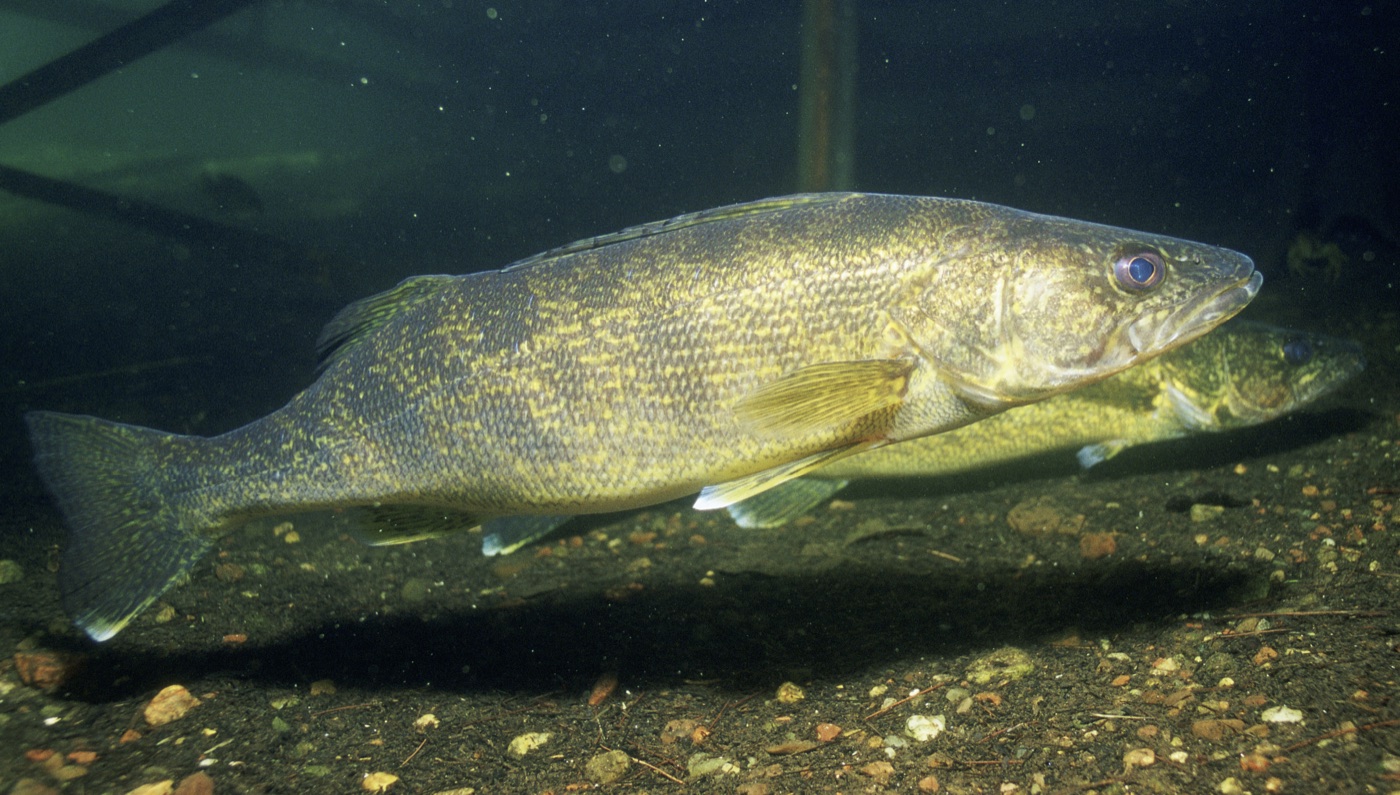
The reason is anatomical, and Wisconsin’s DNR spells it out: because their eyes are highly sensitive to light, walleye linger in deeper, darker water during the day and move to shallower water near bars, shoals and weed beds to feed as the sun sets.
The same sensitivity produces the effect that gives night anglers a fright. The agency describes the walleye’s silvery opaque eyes as glowing in the dark, and attributes the reflection to the tapetum lucidum, a light-sensitive membrane in the eye. If you have ever swept a headlamp across shallow water at night and had two coins stare back, that is what you were looking at.
New York’s DEC records the behaviour from the angler’s side: walleye tend to feed more actively under low light periods, such as just before and after sunset, which is why those periods are popular times to fish for them.
Catfish do not need to see you
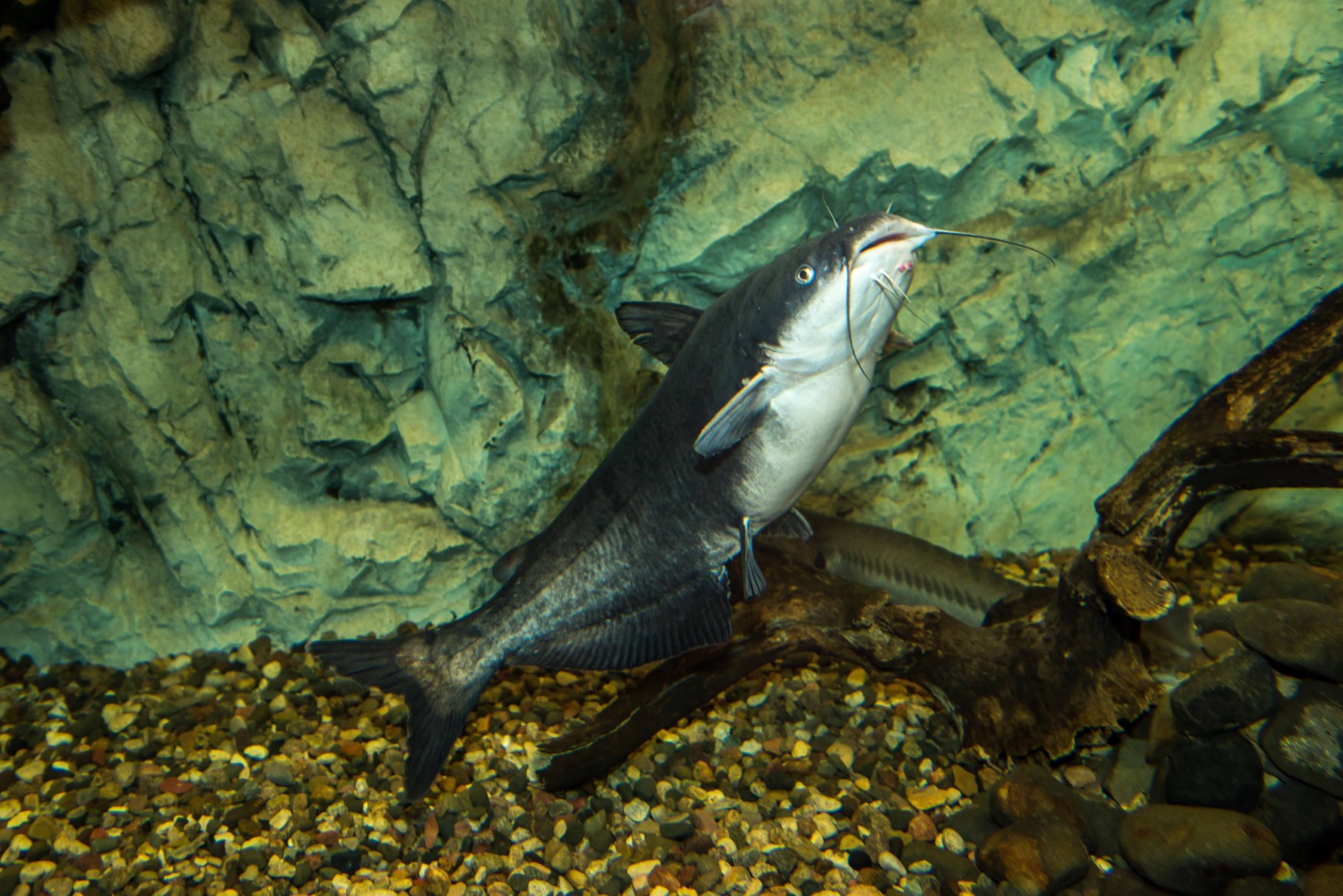
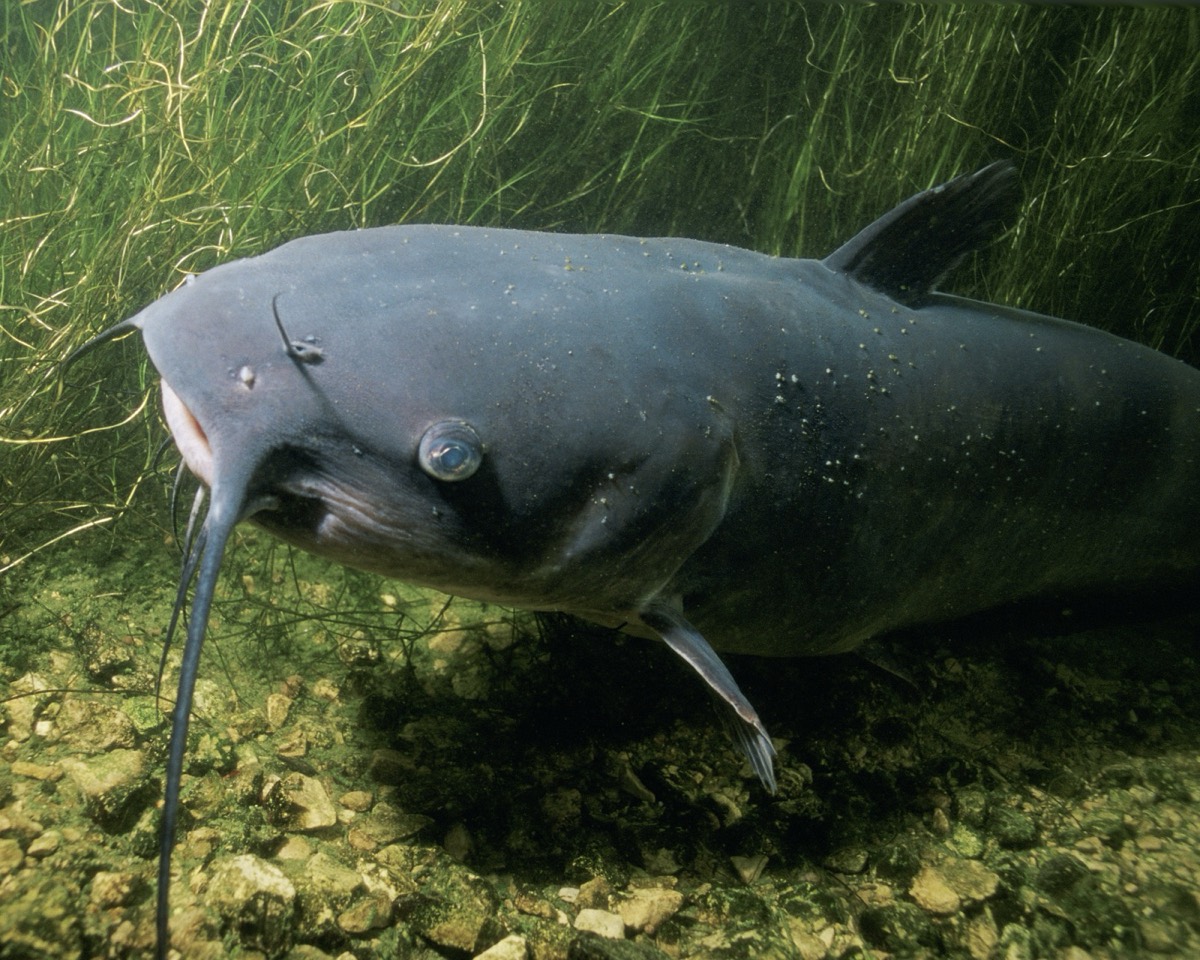
Catfish are the other side of the same coin, and they are more extreme about it. Wisconsin’s DNR notes that unlike sharp-eyed feline predators, catfish depend more on their well-developed senses of smell and touch to find food. The eight whiskers give them the equipment: the agency calls barbels fleshy sensors capable of feeling and tasting, with one at each corner of the mouth, one beside each nostril, and four under the lower jaw.
A fish that hunts by taste and touch loses nothing when the light goes. That is why the agency describes the nocturnal habits that bring catfish out from their daytime hiding places as offering anglers their best opportunity to hook one.
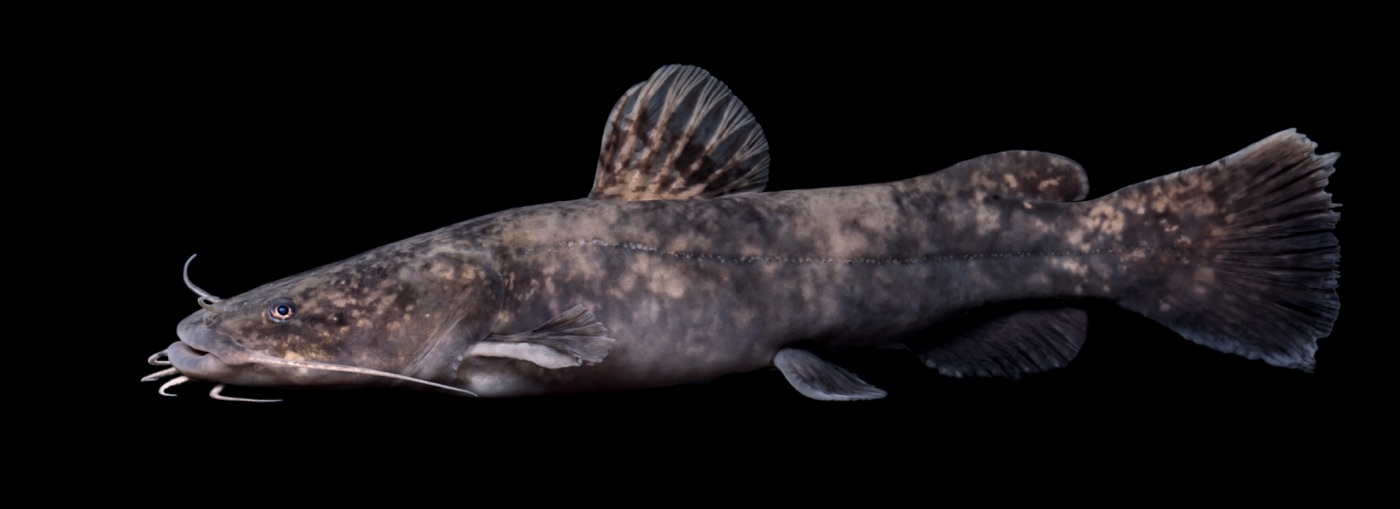
Missouri’s Department of Conservation is blunter still about the largest of them: flathead catfish are typically inactive during daytime, so fishing at night is more productive.
Where to stand once the sun is down
This is the part that actually changes your evening, and it works in your favour. Both species move towards the bank after dark.
| Species | Daytime holding water | After dark |
|---|---|---|
| Walleye | Deeper, darker water | Shallower water near bars, shoals and weed beds |
| Catfish | Dark, deep pools below rock dams, wing dams and dam aprons | Shallows and muddy backwaters |
Wisconsin’s DNR follows that to its conclusion for catfish: nighttime anglers have good success fishing from riverbanks or in river backwaters, while reaching the daytime holes usually requires a boat or a bridge. Night is the session where a shore angler is not at a disadvantage.
For walleye, the same agency suggests fly casting with streamers or poppers on quiet, calm nights near the edges of rocky bars or weed beds, and — for any presentation — keeping the lure or bait near the bottom and retrieving it slowly, because walleye are slow, deliberate biters. Our walleye fishing guide covers the rest of the presentation, and reading water explains how to find the bars and edges in daylight so you are not searching for them in the dark.
The hookset that separates night sessions
Catfish are taken with a deliberately passive method, and Wisconsin’s DNR describes it step by step: cast the bait out, place the rod in a rod holder or prop it against a log or rock, then move away from the bank and wait. Wait until the line starts to move — indicating the fish has completely taken the bait — before setting the hook.
That instruction matters more at night, because you will be responding to a sound and a feel rather than a sight. Our catfish fishing guide covers bait and rigs; the fish finder rig is the usual choice when the bait needs to sit still on the bottom.
One warning belongs here rather than in a footnote. The agency notes that catfish carry three sharp spines — one dorsal, one in each pectoral fin — supported by venomous mucus glands that secrete a painful but not dangerous poison, and advises handling them with care. Doing that by headlamp, with cold hands, is the moment to slow down.
Getting the effect without the darkness
Night is a condition, not a time, and it can arrive early. Wisconsin’s DNR notes that walleye may be active in the daytime if the water is muddy or the sky is cloudy. New York’s DEC describes the wind version of the same thing: in a chop, the water is often more turbid than the rest of the lake, and the wave action reduces the sunlight entering the water.
That is a useful reframe. A grey, blowing afternoon can fish like dusk, and our pages on wind, fishing after rain and best time to fish cover how to read those windows before you commit an evening to them.
What the rules require of your lights
If you are in a boat, lighting is regulated rather than optional. The US Navigation Rules state that the rules concerning lights shall be complied with from sunset to sunrise, and that during those hours no other lights may be exhibited except ones that cannot be mistaken for the required lights, do not impair their visibility or distinctive character, and do not interfere with the keeping of a proper look-out.
Read that last clause carefully, because it is the one anglers trip over. A bright work lamp aimed at your deck is not merely inconsiderate — it can put you outside the rule by destroying your own night vision and masking the lights that tell other vessels where you are and which way you are pointing. The Coast Guard publishes the full text, and it is worth reading once before your first night on the water rather than after.
Shore anglers are outside those particular rules, but not outside the practical version of them: a headlamp with a red mode, pointed down rather than across the water, keeps your own eyes working.
Before you go
Night access is the part that varies most. Permitted hours, allowed methods, park and ramp closing times and any species-specific night restrictions are set by your state agency and often by the individual water body, and they change. Our licences and regulations guide explains where to look them up, and the agency is the only source worth trusting for it.
Then tell someone where you are going and when you will be back. It is the cheapest piece of night-fishing equipment there is.
Frequently asked questions
Why is night fishing better for some species?
Because those species are built for it. Wisconsin's Department of Natural Resources describes walleye as nocturnal predators that feed on unwary, often resting fish, and explains the mechanism: their eyes are highly sensitive to light, so they linger in deeper, darker water during the day and move to shallower water near bars, shoals and weed beds to feed as the sun sets. Catfish are the other classic case — the same agency writes that catfish prefer to rest during the day and prowl at night. In both cases darkness is not a handicap the fish tolerates, it is the condition they hunt in.
Where do fish move at night?
Usually shallower, and usually closer to you. Wisconsin's DNR says that after resting for most of the day, catfish move into shallows and muddy backwaters at night to feed, having spent the daylight hours in dark, deep pools below rock dams, wing dams or dam aprons. Walleye follow the same direction of travel, moving from deep water to bars, shoals and weed beds as the sun sets. That is why the agency notes nighttime anglers have good success fishing from riverbanks or in river backwaters — the fish come to water you can reach from shore.
Do I need light to fish at night?
Less than most people assume, and the rules care about it. Catfish do not hunt by sight at all: Wisconsin's DNR says they depend on their well-developed senses of smell and touch, using eight barbels that the agency describes as fleshy sensors capable of feeling and tasting. For anyone in a boat, the US Navigation Rules require the prescribed lights from sunset to sunrise and state that during those hours no other lights may be exhibited if they impair the visibility of the required ones or interfere with keeping a proper look-out. A bright deck lamp is a rules problem, not just an etiquette one.
What is the best time of night to fish?
The edges of it, most often. New York's DEC reports that walleye tend to feed more actively under low light periods such as just before and after sunset, and that those periods are popular times to fish for them. Wisconsin's DNR is more specific about the calendar, naming dawn, dusk and after dark in May, June and October as the best times for walleye. Dusk is where most night sessions actually produce, which argues for being in position before the light goes rather than arriving in full dark.
Can I get the same effect without fishing at night?
Sometimes, yes — by finding the darkness instead of waiting for it. Wisconsin's DNR notes that walleye may be active in the daytime if the water is muddy or the sky is cloudy. New York's DEC describes the same effect from wind: in a chop, the water is often more turbid than the rest of the lake, and the wave action further reduces the sunlight entering the water. Both are ways of getting low-light behaviour out of a fish in the middle of the afternoon.
How do I set the hook on a catfish at night?
Later than instinct suggests. Wisconsin's DNR describes the standard riverbank method: cast the bait out, place the rod in a holder or prop it against a log or rock, then move away from the bank and wait. The instruction is to wait until the line starts to move, which indicates the catfish has completely taken the bait, before setting the hook. Handling deserves the same patience — the agency warns that catfish carry three sharp spines with venomous mucus glands that secrete a painful but not dangerous poison, which is worth remembering when you are unhooking a fish by headlamp.
Sources
- Catfish (PUBL-FH-713), Wisconsin fish species guide — Wisconsin Department of Natural Resources, Bureau of Fisheries Management. Accessed September 22, 2026.
- Walleye (PUBL-FM-708), Wisconsin fish species guide — Wisconsin Department of Natural Resources, Bureau of Fisheries Management. Accessed September 22, 2026.
- Fishing for Walleye — tips and skills — New York State Department of Environmental Conservation. Accessed September 22, 2026.
- Navigation Rules, Part C — Lights and Shapes (Rules 20–31) — United States Coast Guard Navigation Center. Accessed September 22, 2026.
- Catfish: Tips for Fishing — Missouri Department of Conservation. Accessed September 22, 2026.
How we choose sources: sources policy.
More in this series
Know when it's worth going.
Fishing Club AI turns live weather, pressure and moon data into a simple bite forecast for your spot — so the skills you practise get used on the right day.
Get the App