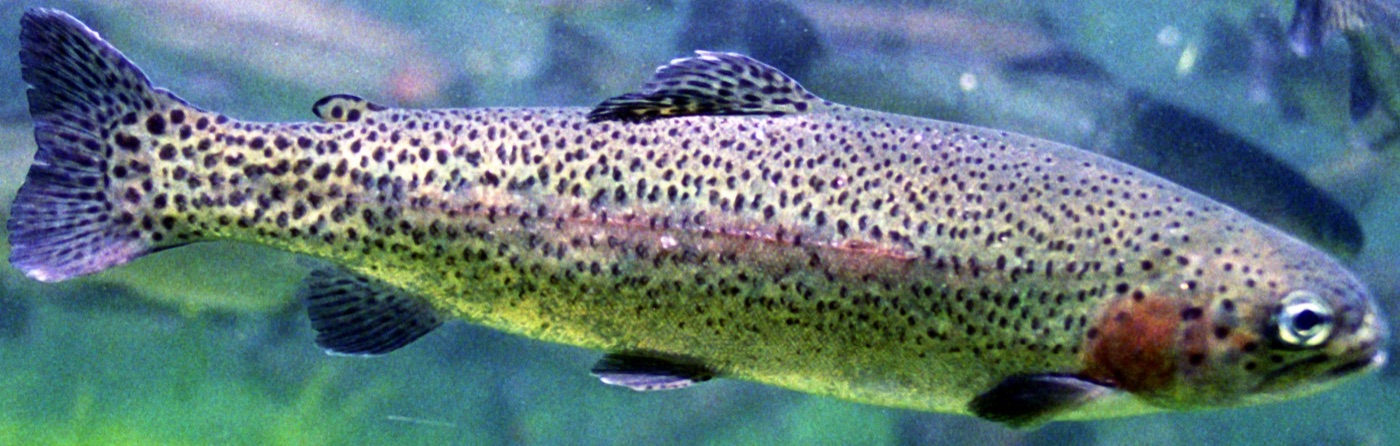
Trout Fishing for Beginners: Water Temperature First
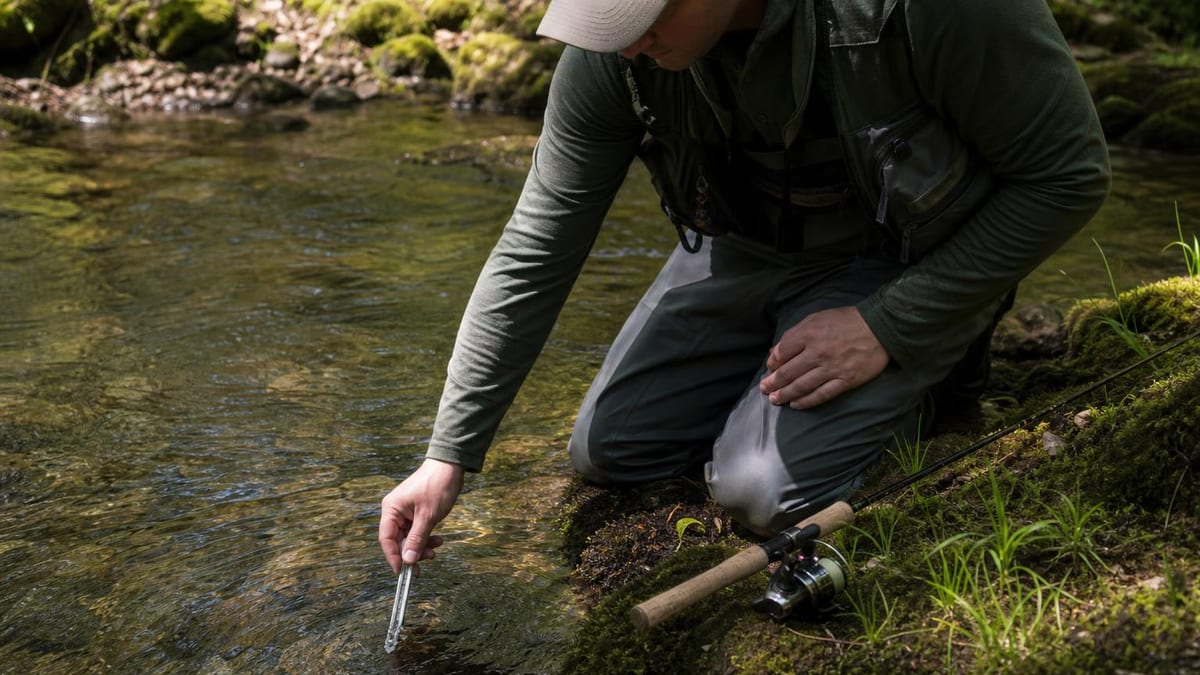
Start with a stream thermometer rather than a tackle box. Virginia's Department of Wildlife Resources reports that trout become stressed in water temperatures in the mid- to upper-60s Fahrenheit, and that brook, brown and rainbow trout can tolerate up to 77°F only briefly before it turns lethal. That single reading tells you whether to fish, where to move, and whether to switch species — and it explains why spring, autumn and mild winter produce while June through September are hard.
Key takeaways
- Virginia's DWR reports trout become stressed in water in the mid- to upper-60s°F, and that 77°F can be lethal if sustained.
- Tolerance differs by species: rainbow trout handle slightly warmer water than brook trout, and brown trout warmer still.
- Water is often in the healthy low 60s in the morning and climbs through the day, so take readings more than once.
- Missouri's Department of Conservation advises against adding a split shot unless the water is high.
- Trout find food by smell as well as sight, which is why scented dough baits work on stocked fish.
The thermometer outranks the tackle box
Most beginner trout advice starts with gear. It should start with a number.
Virginia’s Department of Wildlife Resources, writing about summer trout fishing, reports that trout become stressed in water temperatures in the mid- to upper-60s Fahrenheit. It adds that brook, brown and rainbow trout can all tolerate temperatures up to 77°F for short periods, but that such temperatures can be lethal if sustained.
Tolerance is not identical across species. Rainbow trout are comfortable at slightly higher water temperatures than brook trout, and brown trout can handle water warmer than either.
The practical instruction that follows is to carry a stream thermometer and take readings through the day — because water that reads a healthy low 60s in the morning will often climb by afternoon.
| Reading | What it means | What to do |
|---|---|---|
| Low 60s°F and below | Healthy water | Fish normally |
| Mid- to upper-60s°F | Trout are stressed | Move to colder water, or change species |
| Up to 77°F | Tolerated briefly; lethal if sustained | Stop fishing for trout |
That table is also a fishing calendar. Virginia’s DWR describes success for wild and stocked trout as very high through spring, autumn and mild winter, while from June through September low stream flows and warming water make trout fishing more difficult. In that state, water temperatures typically peak at the end of July and into early August.
When the water is too warm, you have three moves
The agency sets them out in order, and they are worth following rather than improvising.
- Fish the first few hours of the morning, then stop. The coolest readings of the day come early.
- Go find colder water. A spring creek or a tailwater below a dam runs colder than a freestone stream in the same weather.
- Change species. Swap the trout gear for bass, carp or panfish tackle and fish a warmwater river or a farm pond. As the agency puts it, the fishing there is never better than in the heat.
If you do fish marginal water, the same source advises upsizing your gear and carrying a good landing net, so that fish can be fought and landed quickly and kept in the water while you unhook them. A long fight in warm water is what kills a released trout, and our catch and release guide covers the rest of the handling.
Start on stocked water
Stocked trout exist to be caught by people who are learning. Virginia’s DWR describes its designated stocked trout waters as stocked from October through May with catchable-sized trout, and its delayed-harvest streams as stocked in fall, winter and spring.
That is a real advantage for a beginner: known fish, in known water, at a known time of year, in the seasons when temperature is on your side.
Two things to check before you go, both from your own state agency: which waters are stocked and when, and what tackle restrictions apply. Missouri’s Department of Conservation notes that each of its trout parks has its own regulation pamphlet and that rules and zones vary between parks — some restrict what may be used to flies, others to flies and lures, others allow bait. Turning up with the wrong tackle for the zone is the most common avoidable mistake on stocked water.
The rig, kept deliberately small
Missouri’s Department of Conservation gives concrete numbers, and they are smaller than most beginners expect.
- Cheese and dough baits — a treble hook in size 16 to 18 works well
- Salmon eggs — a single hook in size 10 to 16
- Lures and artificials — tie straight to the leader
- Weight — do not add a split shot unless the water is high
That last point deserves emphasis because it runs against instinct. A bait drifting naturally at the speed of the current looks like food; the same bait dragged along the bottom by an unnecessary shot does not. Our split shot rig guide covers what to do when the water is high, and the hook sizes page explains why a size 18 is tiny and a size 10 is not.
For bait, Missouri’s guidance points at the mechanism: trout rely mainly on their sense of smell as well as sight to detect food. That is why scented dough baits in an assortment of colours are effective on stocked fish, and why cheese and bread also work. The bait is moulded onto the hook so the hook is covered entirely.
Reading the water you are standing in
Trout hold where food arrives and effort is low: the seam between fast and slow current, the head and tail of a pool, behind a boulder, under a cut bank, in the shade of an overhanging branch. Our guide to reading water covers how to break a stretch of stream into those pieces before you make a cast.
Two beginner habits are worth building early. Fish upstream where you can, so your approach is behind the fish rather than in front of it. And move — a stocked pool that has produced nothing in fifteen minutes is telling you something.
Where to go next
Once the basics land, the natural next step is fly fishing, which was built around this species and this kind of water. Our fly fishing basics guide starts from zero, and how to fly cast covers the motion.
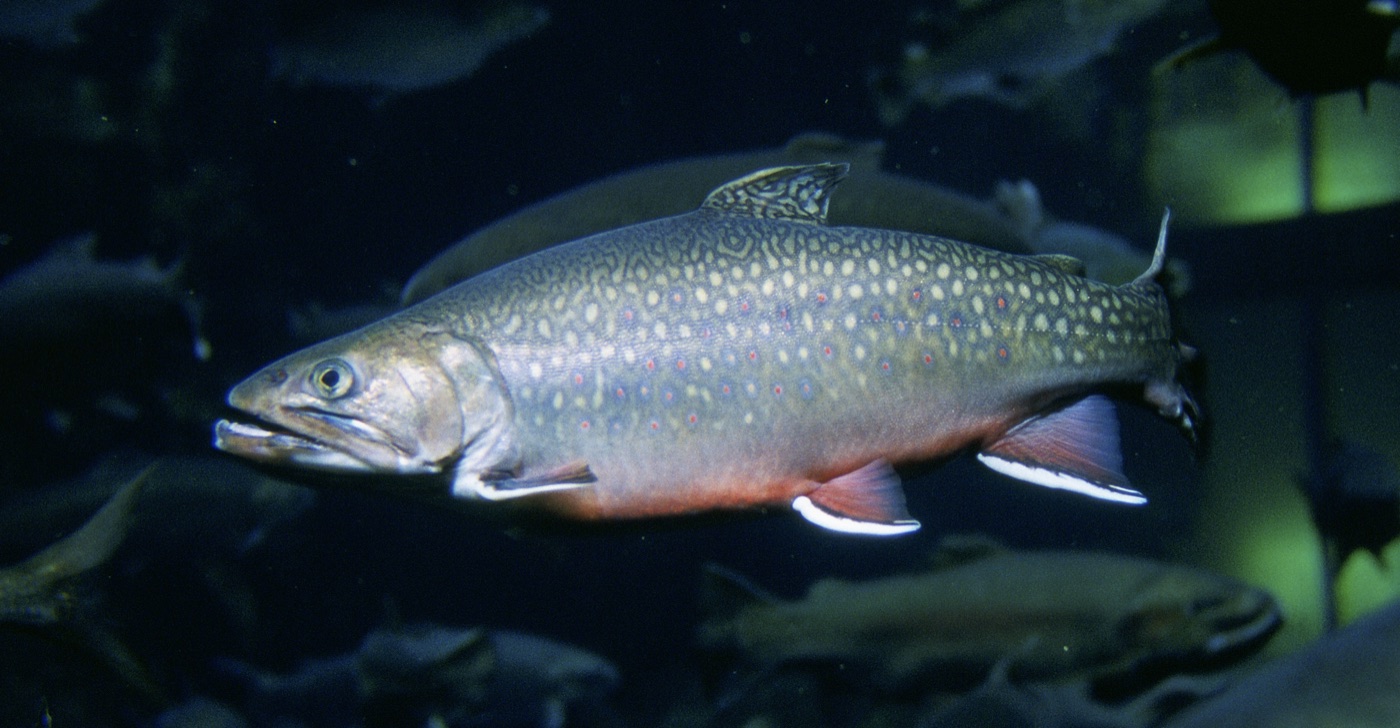
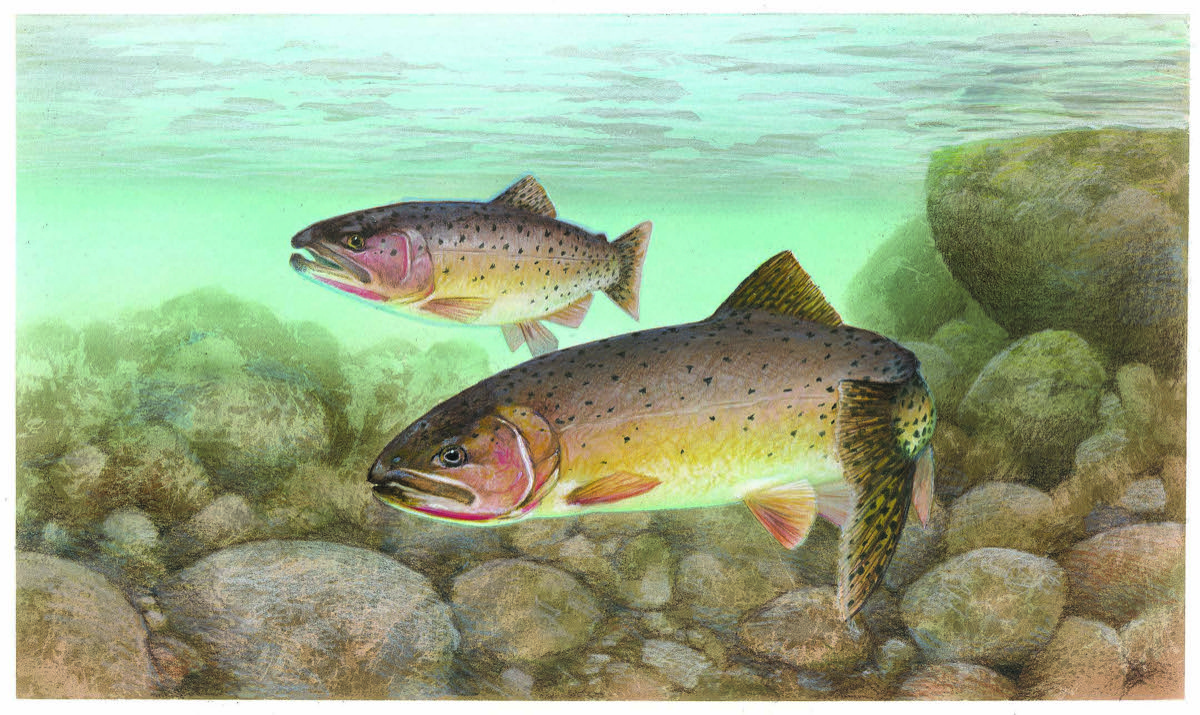
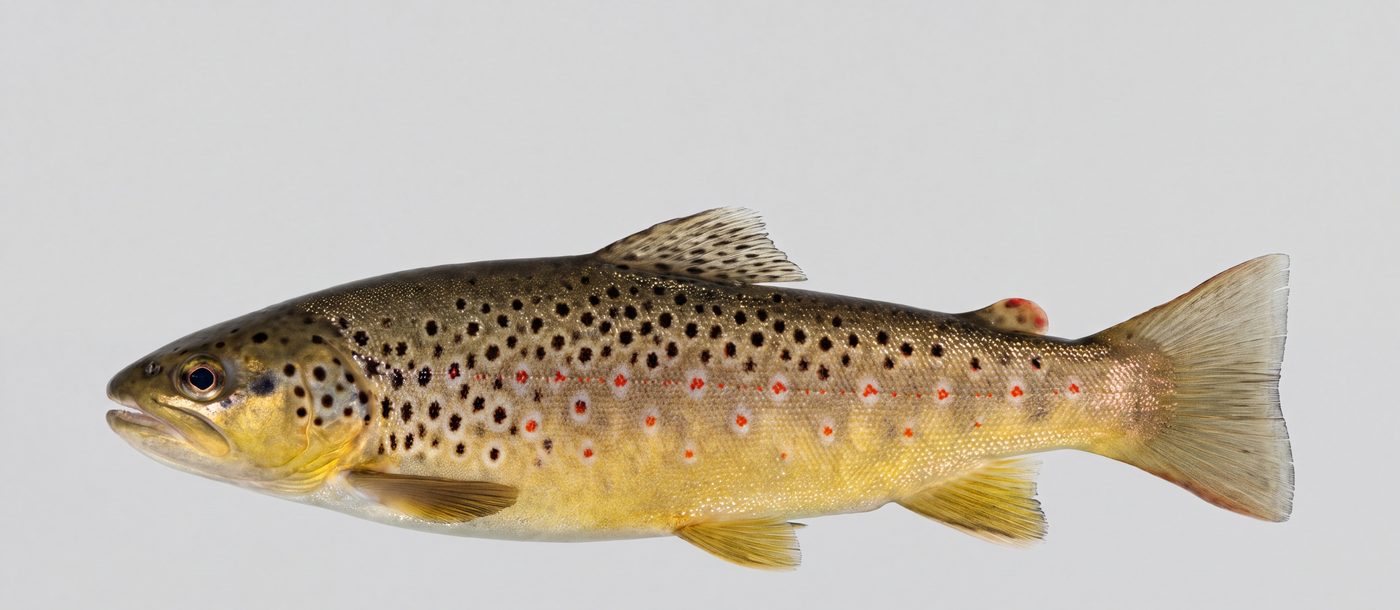
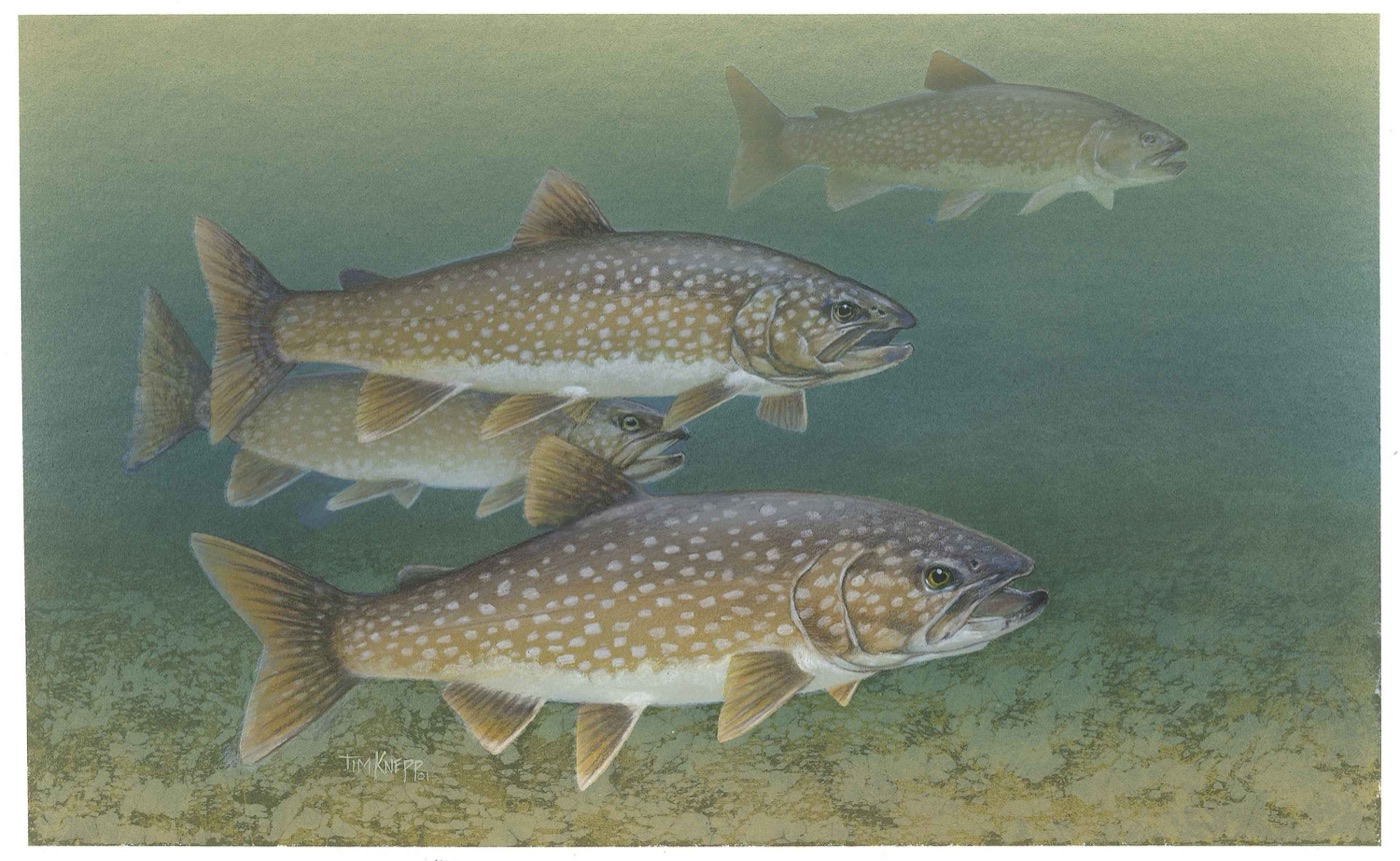
For identification, the species pages carry the detail: rainbow trout, brown trout, brook trout, cutthroat trout and lake trout. If you are unsure whether the fish in front of you is a trout at all, trout vs salmon sorts out the family.
What you may keep, and which waters are open, comes from your state fish and wildlife agency — see licences and regulations.
Frequently asked questions
How do I start trout fishing as a beginner?
On stocked water, with light tackle and a thermometer. State agencies stock catchable trout precisely so that beginners can catch them, and Virginia's DWR describes its designated stocked trout waters as stocked from October through May. A light spinning outfit, small hooks and either a scented dough bait or a small spinner will cover most first trips. Before anything else, take the water temperature — it decides whether the fish will feed at all and whether fishing for them is fair to the fish.
What water temperature is too warm for trout?
Virginia's DWR puts stress in the mid- to upper-60s Fahrenheit, and notes that brook, brown and rainbow trout can all tolerate temperatures up to 77°F for short periods but that such temperatures can be lethal if sustained. It also notes species differences: rainbow trout are comfortable at slightly higher temperatures than brook trout, and brown trout can handle warmer water than either. The agency's practical advice is to carry a stream thermometer and take readings through the day, because water that reads a healthy low 60s in the morning can climb.
What hook size should I use for trout?
Small, and matched to the bait. Missouri's Department of Conservation recommends a treble hook in size 16 to 18 for most cheese and dough baits, and a single hook in size 10 to 16 for salmon eggs. If you are fishing a lure or artificial, the guidance is simply to tie it to the leader. The same source advises against using a split shot unless the water is high.
What bait works for stocked trout?
Scented baits, because of how trout locate food. Missouri's Department of Conservation notes that trout rely mainly on their sense of smell as well as sight to detect food, which is why coloured scented dough baits are widely sold and widely effective on stocked fish. Cheese and bread are also named as effective. The bait is moulded onto the hook so the hook is covered entirely.
When is the best season for trout fishing?
Spring, autumn and mild winter. Virginia's DWR describes success for both wild and stocked trout as very high through those periods, while from June through September the combination of low stream flows and warming water makes trout fishing more difficult. Across that state, water temperatures typically peak at the end of July and into early August — which is the stretch to plan around rather than through.
What should I do if the water is too warm?
Three options, in the order Virginia's DWR sets them out. Fish early in the morning for a few hours and then stop. Or seek out a spring creek or a tailwater, where the water runs colder. Or leave trout alone entirely and go fishing for a warmwater species — bass, carp or panfish on a warmwater river or a farm pond. If you do fish marginal temperatures, the agency advises upsizing gear and carrying a good landing net so fish can be fought, landed quickly and kept in the water while being unhooked.
Sources
- Safe Practices for Summer Trout Fishing — Virginia Department of Wildlife Resources. Accessed August 21, 2026.
- Trout: Fishing Tips — Missouri Department of Conservation. Accessed August 21, 2026.
- Trout Fishing Guide — Virginia Department of Wildlife Resources. Accessed August 21, 2026.
- DWR Trout Stocking Explained — Virginia Department of Wildlife Resources. Accessed August 21, 2026.
- Focus on Fishing: Trout — New Jersey Division of Fish and Wildlife. Accessed August 21, 2026.
- Winter Trout Stocking Program angling tips — Texas Parks and Wildlife Department. Accessed August 21, 2026.
How we choose sources: sources policy.
More in this series
Know when it's worth going.
Fishing Club AI turns live weather, pressure and moon data into a simple bite forecast for your spot — so the skills you practise get used on the right day.
Get the App