The Split Shot Rig: The Simplest Rig That Works
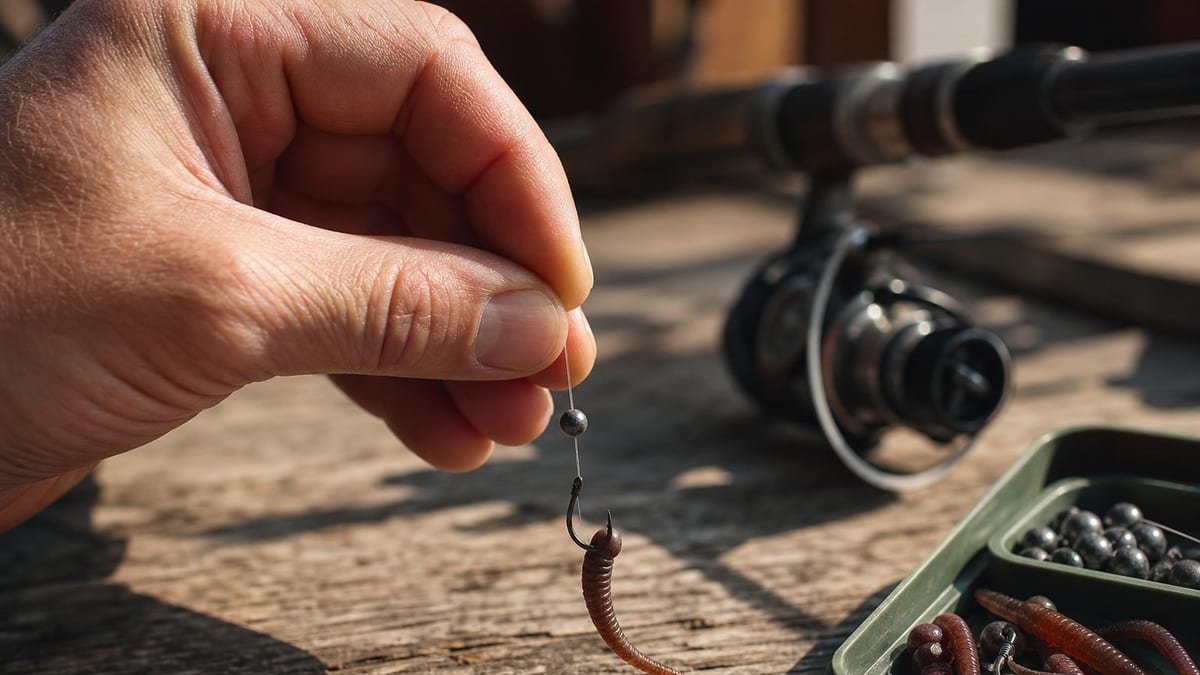
The split shot rig is a weight pinched onto the line above the hook — nothing else. Texas Parks and Wildlife notes it doesn't slide like a Texas or Carolina rig, but it is easy and fast to assemble. Use as little weight as you can: a slow, natural fall is what draws bites, and fish that feel resistance let go.
Key takeaways
- One split shot above the hook is the whole rig — the fastest rig in fishing to build and unbuild.
- TPWD's caution: don't pinch the shot too tightly, because that may weaken the line.
- Missouri's conservation agency: generally use the lightest tackle you can — one or two shot, so fish sampling the bait aren't alerted.
- The slow sink is the point — bites often come as the bait is falling.
- Placement varies by fishing, not by rule: agencies publish anywhere from 4 inches to 24 inches above the hook depending on species and current.
- Its finesse cousin is the wacky rig — hook through the middle of a soft stick bait, letting it fall on slack line.
A rig you can build in four seconds
Most rigs are assemblies. The split shot rig is a decision: a small weight, pinched onto the line some distance above the hook, and that’s it. Texas Parks and Wildlife’s description covers both what it is and what it isn’t — a weight placed above the hook as in a Carolina rig, but with a standard split shot pinched on, so it does not slide up and down the line. What you lose in sliding freedom you gain in speed: it is, in their words, “easy and fast to assemble.”
That speed is why the rig survives in an era of specialised terminal tackle. Fish are deeper than you thought? Add a shot. Current picked up? Add another. Bait dropping too fast in clear water? Take one off. No re-rigging, no cutting line — a rig that adapts in seconds while you’re standing in the water.
Weight: the less the better
Every approved source on this rig says the same thing in different words: use as little weight as you can get away with.
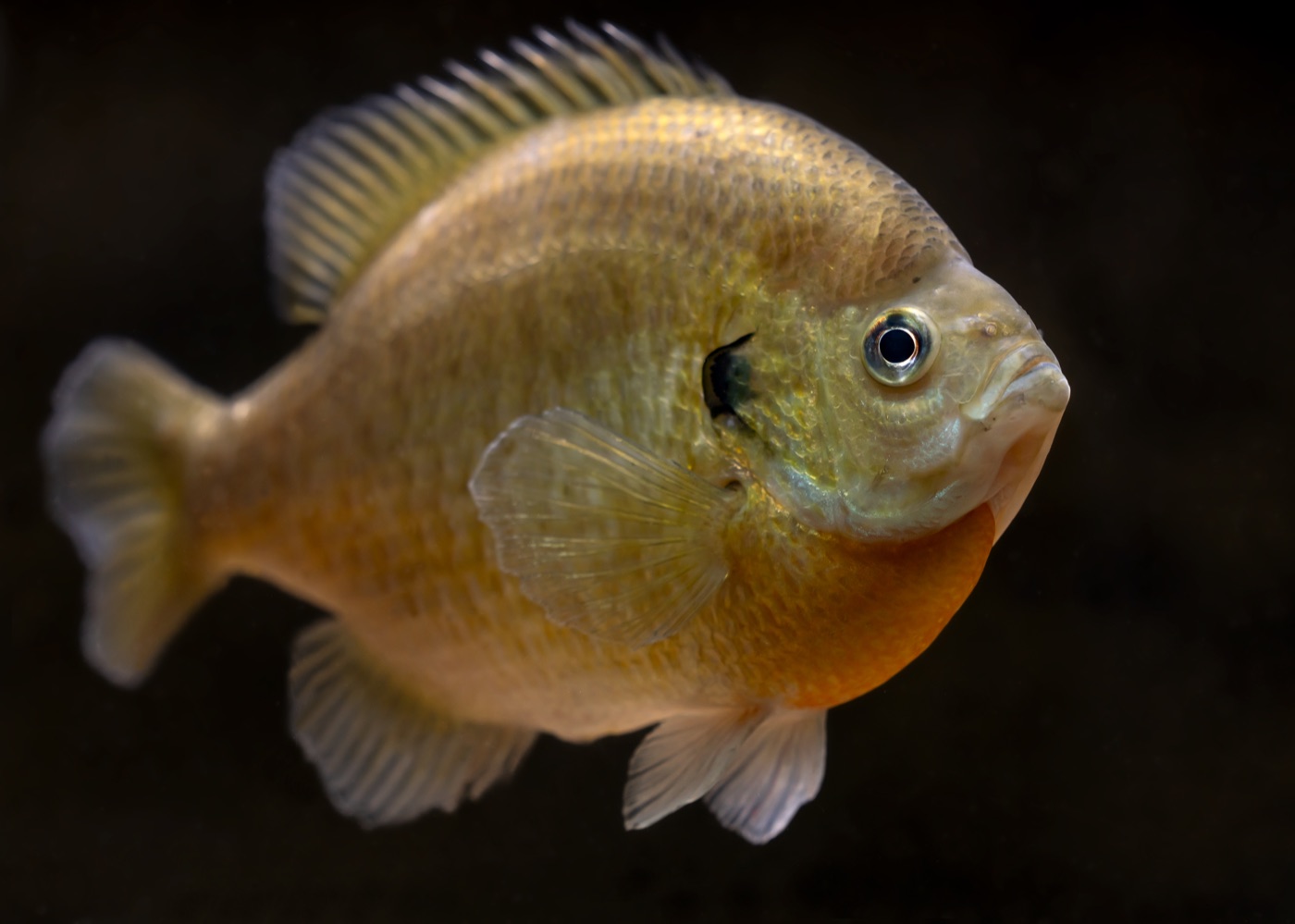
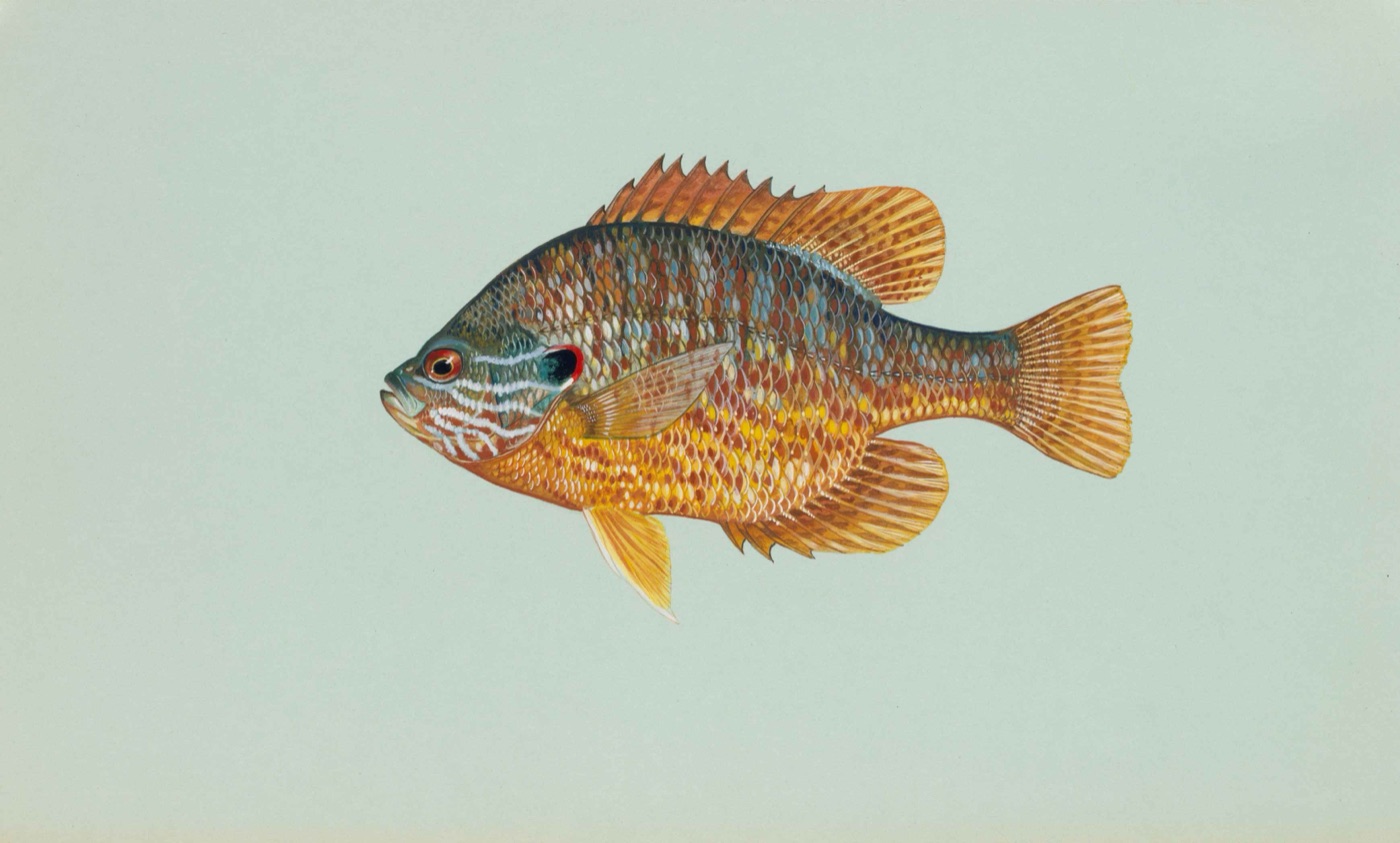
Missouri’s Department of Conservation states it as a general principle — “generally, use the lightest tackle you can” — and then specifically: one or two split shot will do, and the lighter weight is less likely to alert fish that are sampling your bait. Their bluegill guidance explains the mechanism from the fish’s side: use as little weight as possible so the bait sinks slowly, because bluegill will often bite as it is sinking, and so they don’t feel resistance when they pick it up.
That is the rig’s real engine. The slow fall is the presentation. A bait dropping naturally through the water column looks like food; a bait yanked to the bottom by an oversized shot looks like tackle. If you fish this rig under a float, the same logic applies to the float — Illinois’ DNR advises adding shot until the bobber nearly sinks, so a fish meets almost no resistance when it takes.
One physical caution, from Texas Parks and Wildlife: don’t pinch the weight too tightly, because pinching too tightly may weaken the line. Squeeze just enough to hold position, and inspect the line if you move a shot — a crushed spot is a break waiting for the fish you actually wanted.
Placement: there is no single right number
Anglers love a rule here, and the agencies won’t give one — because the right distance depends entirely on what you’re doing. The published figures, each in its own context:
| Situation | Shot placement | Source |
|---|---|---|
| Live bait, general | 4–8 inches above the hook | Texas Parks and Wildlife |
| Panfish under a bobber | 6–12 inches above the hook | Illinois DNR |
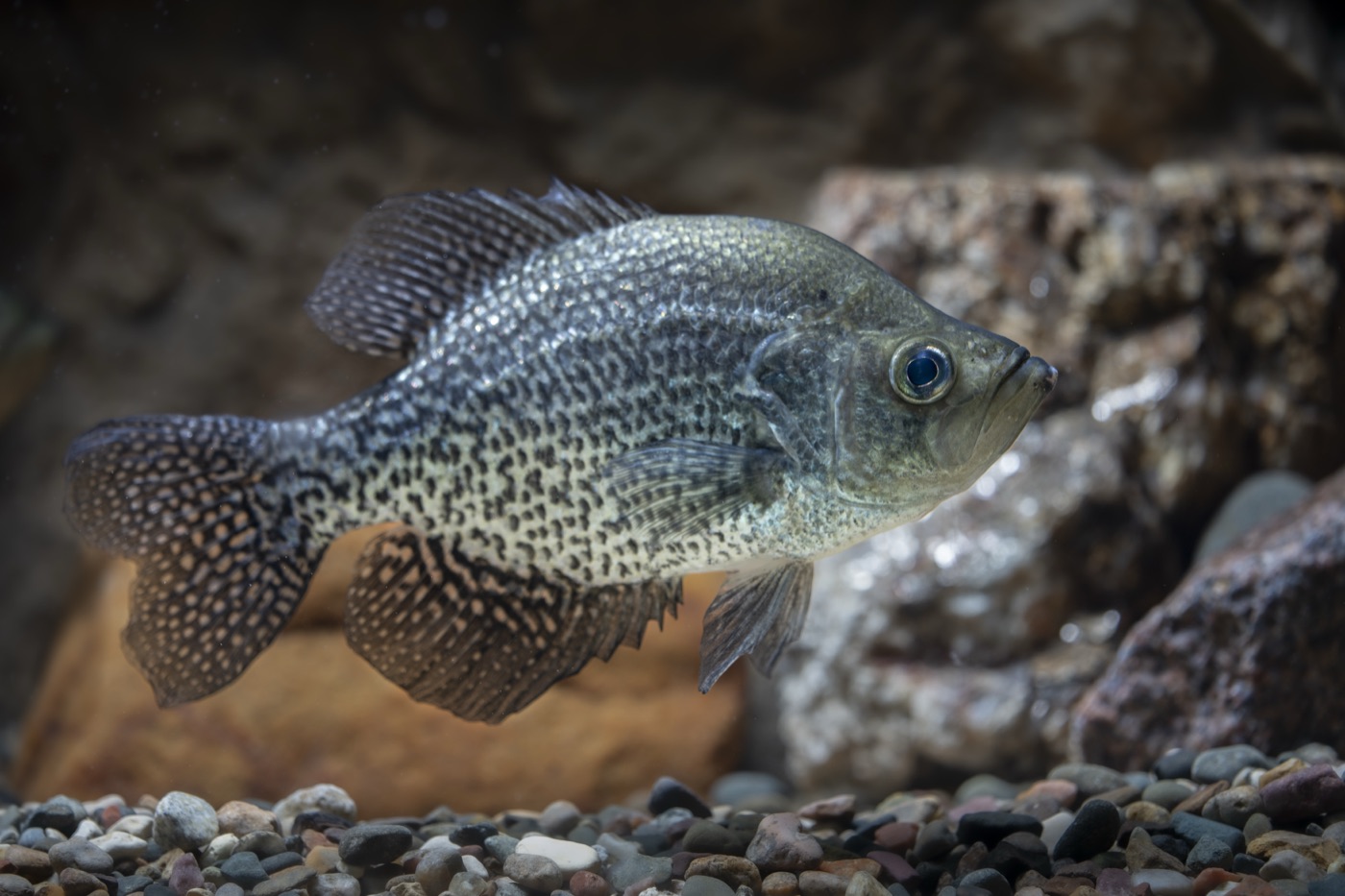
| Crappie, small hook (#4–#8) | about a foot above the hook | Iowa DNR |
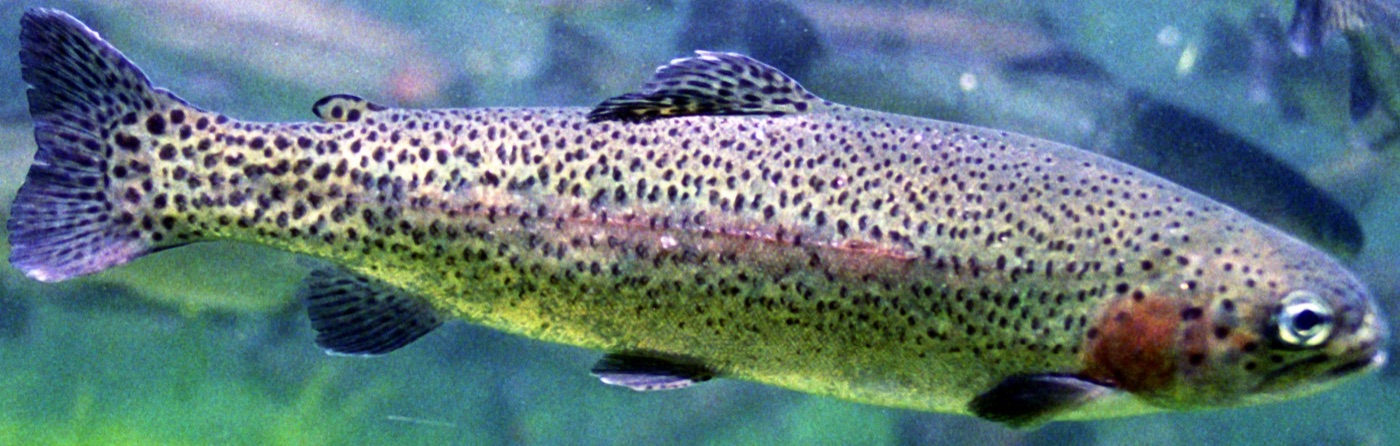
| Drifting for trout | 12–24 inches, longer and heavier in deep, fast water | Missouri Department of Conservation |
Read the pattern rather than memorising the numbers: the more you want the bait to move independently, the further the weight sits from it. A shot close to the hook pins the bait down; a shot two feet up lets it drift and swing on its own. Missouri’s trout advice makes the adjustment explicit — larger split shot and longer leader for deeper, faster water.
Clear water asks for one more adjustment. Missouri notes trout will often see larger line and shy away in clear conditions, which is where the line you choose starts mattering as much as the weight.
The wacky rig: the same idea, taken further
Follow the “as little hardware as possible” logic to its end and you arrive at the wacky rig — no weight at all, and the hook in an unexpected place.
New York’s DEC defines it precisely: a plastic worm or stick bait with the hook inserted through the middle, not the head, perpendicular to its length. Their instructions for fishing it are equally simple — cast toward cover and let the bait fall on a slack line, then once it reaches bottom retrieve it in a twitch-pause style. DEC frames it as a rig for any experience level, which is unusual for a finesse presentation, and their setup notes a 1/0 or 2/0 circle hook on 8–12 lb monofilament with a 5–6 inch stick bait, going heavier in weeds and thick cover.
Texas Parks and Wildlife is more emphatic: “the ultimate finesse setup is the wacky rig,” a rig that “works when most everything else doesn’t,” with a unique, slow descent rate and action. Their practical tips: run the hook through the centre weight point of the worm, use a weedless hook in cover, and slip an O-ring onto the worm and hook through that to stop baits tearing off after every fish.
Both rigs win the same way — a soft bait falling slowly, unweighted or barely weighted, in front of a fish that has seen everything else. That is finesse fishing in one sentence.
When to reach for it
Shallow water, light line, spooky fish and small baits — the classic split shot territory. It is the natural rig for stream trout drifting bait through pools, for bluegill around docks, for crappie with a small minnow, and for anyone who needs a little casting weight without changing anything else about the presentation.
It is also the honest beginner’s rig, in the same way the slip float is: nothing to buy beyond a card of shot, nothing to misassemble, and immediate feedback about weight and fall. Master how little weight you can fish with here, and every other rig on our rigs page gets easier — because they are all, underneath, arguments about where the weight goes.
Frequently asked questions
What is a split shot rig?
A weight pinched onto the line above the hook — and that is the entire rig. Texas Parks and Wildlife describes it as placing a weight on the line above the hook as in a Carolina rig, but with a standard split shot pinched on instead of a sliding sinker. The weight does not slide, which is the trade-off; in exchange, the rig is, in their words, easy and fast to assemble. It is the rig you tie when you need weight now and nothing else.
How far above the hook should the split shot go?
It depends on the fishing, and agencies publish very different numbers for very different situations: about 4 to 8 inches for live bait so it looks natural (Texas Parks and Wildlife), 6 to 12 inches under a bobber for panfish (Illinois DNR), about a foot for crappie (Iowa DNR), and 12 to 24 inches for drifting trout — with larger shot and a longer leader in deeper, faster water (Missouri Department of Conservation). Start with the one that matches your fishing, then adjust.
How much weight should I use?
As little as will do the job. Missouri's Department of Conservation is explicit: generally use the lightest tackle you can, and one or two split shot will do, because the lighter weight is less likely to alert fish that are sampling your bait. Their bluegill guidance completes the thought — use as little weight as possible so the bait sinks slowly, because bluegill often bite as it is sinking, and so fish don't feel resistance when they pick it up.
Can split shot damage my line?
It can if you crush it on. Texas Parks and Wildlife warns directly: don't pinch the weight too tightly, because pinching too tightly may weaken the line. Squeeze just enough that the shot holds position, check the line where the shot sat when you move it, and retie if you see a flattened or nicked spot — the same discipline our knots guides apply to every connection.
What is a wacky rig and how is it related?
It's the finesse extension of the same idea — minimum hardware, maximum natural fall. New York's DEC defines it as a plastic worm or stick bait with the hook inserted through the middle, not the head, perpendicular to its length, and describes fishing it by casting toward cover and letting it fall on a slack line, then retrieving in a twitch-pause style. Texas Parks and Wildlife calls it 'the ultimate finesse setup' and notes its unique, slow descent rate — with a weedless hook when fishing cover.
Sources
- Rigging Up, Not Wigging Out — Texas Parks & Wildlife Department. Accessed August 16, 2026.
- An Introduction to Fishing — Missouri Department of Conservation. Accessed August 16, 2026.
- Trout: Fishing Tips — Missouri Department of Conservation. Accessed August 16, 2026.
- Sunfish: Tips for Bluegill Fishing — Missouri Department of Conservation. Accessed August 16, 2026.
- Crappie — Fish Iowa — Iowa Department of Natural Resources. Accessed August 16, 2026.
- Fishing — For Anglers of All Ages — Illinois Department of Natural Resources. Accessed August 16, 2026.
- I FISH NY Guide to Wacky Rigging for Bass — New York State Department of Environmental Conservation. Accessed August 16, 2026.
- Fish Texas: A Basic Guide for the Beginning Angler — Texas Parks & Wildlife Department. Accessed August 16, 2026.
How we choose sources: sources policy.
More in this series
Know when it's worth going.
Fishing Club AI turns live weather, pressure and moon data into a simple bite forecast for your spot — so the skills you practise get used on the right day.
Get the App