Trout vs Salmon: Same Family, Very Different Lives
Trout and salmon are branches of one family — Salmonidae — and the honest dividing line is life history, not name. Pacific salmon die after their single spawning run; trout can spawn year after year. The boundary case proves the rule: a steelhead is, in NOAA's words, an anadromous rainbow trout — the same species as the resident fish, grown large at sea.
Key takeaways
- One family, Salmonidae, covers trouts, salmons, chars and whitefishes — sharing the adipose fin and a freshwater spawning requirement (Illinois DNR).
- Three genera do the sorting: Oncorhynchus (Pacific salmon, rainbow and cutthroat trout), Salmo (Atlantic salmon, brown trout), Salvelinus (the chars).
- Pacific salmon are semelparous — NOAA: all Chinook die after spawning. Trout and Atlantic salmon are iteroparous and can spawn repeatedly.
- A steelhead is an anadromous rainbow trout — same species, ocean-run life history, and it can survive spawning (NOAA, USGS).
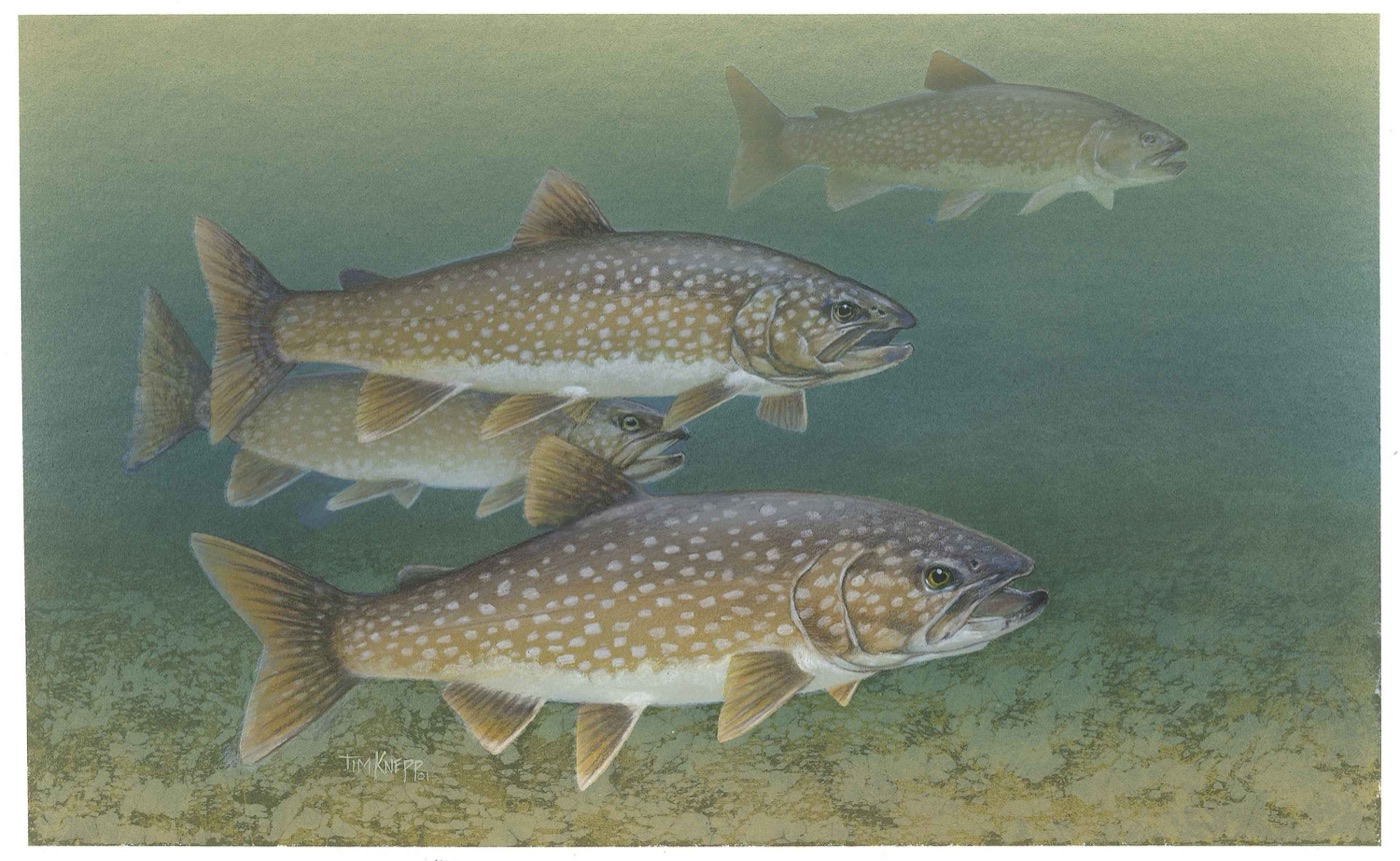
- Brook trout and lake trout aren't true trout at all — both are chars, genus Salvelinus.
- Anadromy is a life history, not a family trait: kokanee are sockeye salmon that never see the ocean.
One family wearing two names
Trout versus salmon sounds like a comparison between two kinds of fish, and taxonomically it barely is one. Both are members of a single family — Salmonidae — which Illinois’ Department of Natural Resources sketches in a sentence: the salmonids include trouts, salmons, chars and whitefishes, sharing small cycloid scales, a single dorsal fin, no spines in any fin, and the family badge anglers know by touch: the adipose fin, that little fleshy tab ahead of the tail. One more trait binds them all, and it’s the one that writes their biographies: every member of the family either lives in freshwater or must return to it to spawn.
So the interesting question isn’t which family they belong to. It’s how one family produced a fish that dies violently after a single spawning run and a cousin that sips mayflies in the same river for a decade — and the answer sorts the whole clan cleanly.
Three genera, sorted
Underneath the common names, three genera do the real classification work.
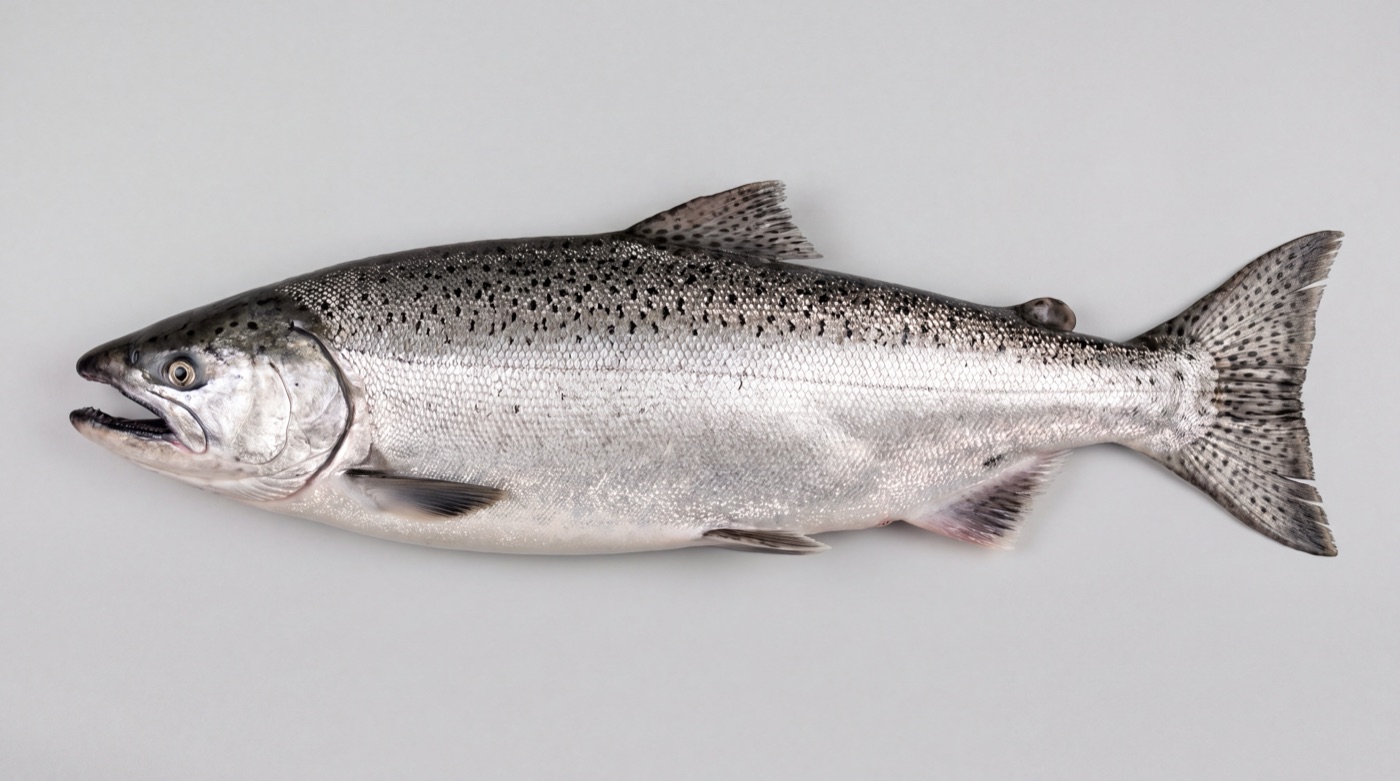
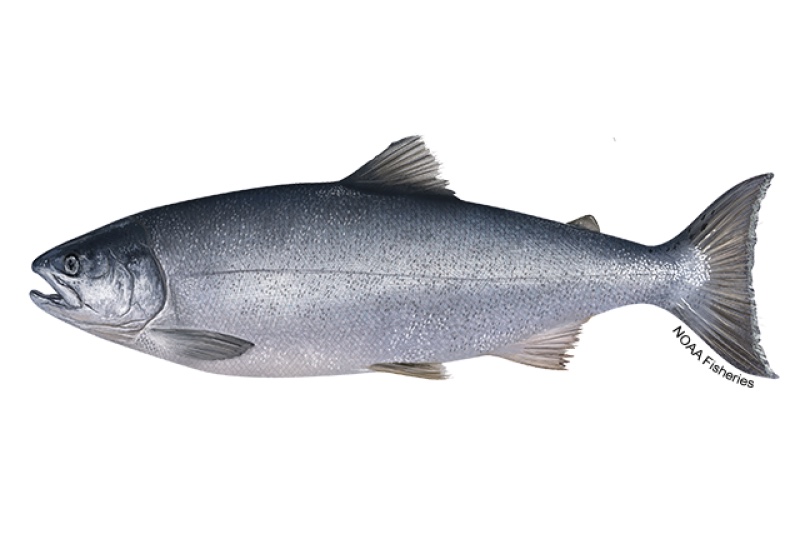
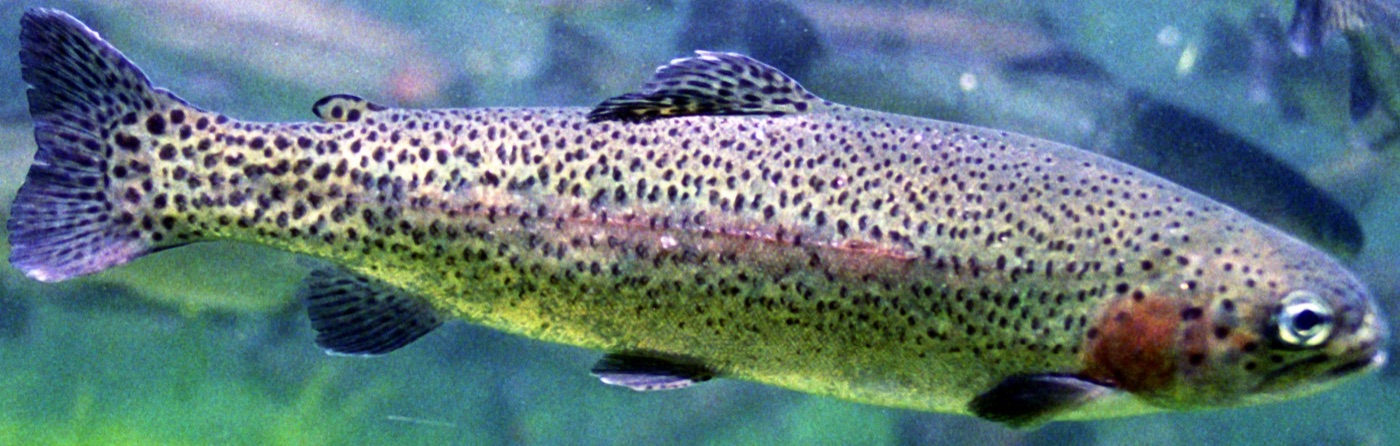
Oncorhynchus — the Pacific branch — holds the fish NOAA manages as Pacific salmon and steelhead: Chinook, chum, coho, pink and sockeye salmon, plus steelhead. Born in freshwater streams, NOAA notes, they migrate through estuaries and mature at sea. The twist most anglers never hear: rainbow trout and cutthroat trout sit in this same genus. A rainbow trout is, by lineage, a Pacific-salmon-family fish that stayed home.
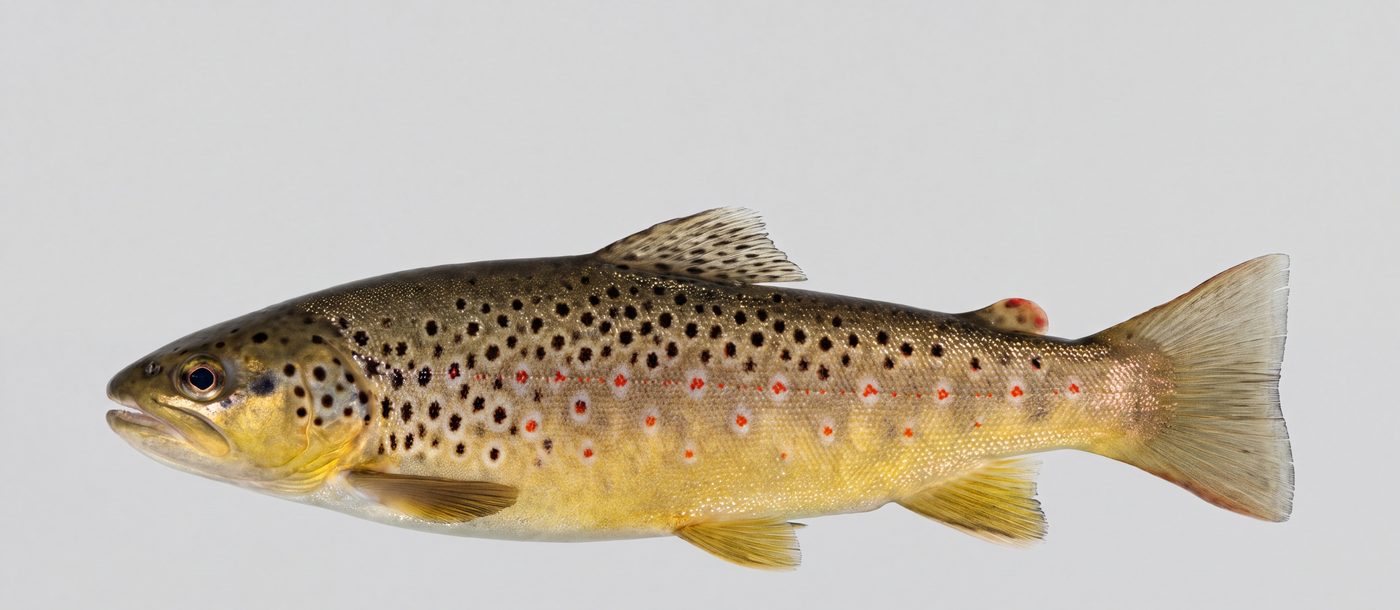
Salmo — the Atlantic branch — pairs the Atlantic salmon with the brown trout, the European native now naturalized in American rivers. One genus, one ocean basin, one salmon and one trout.
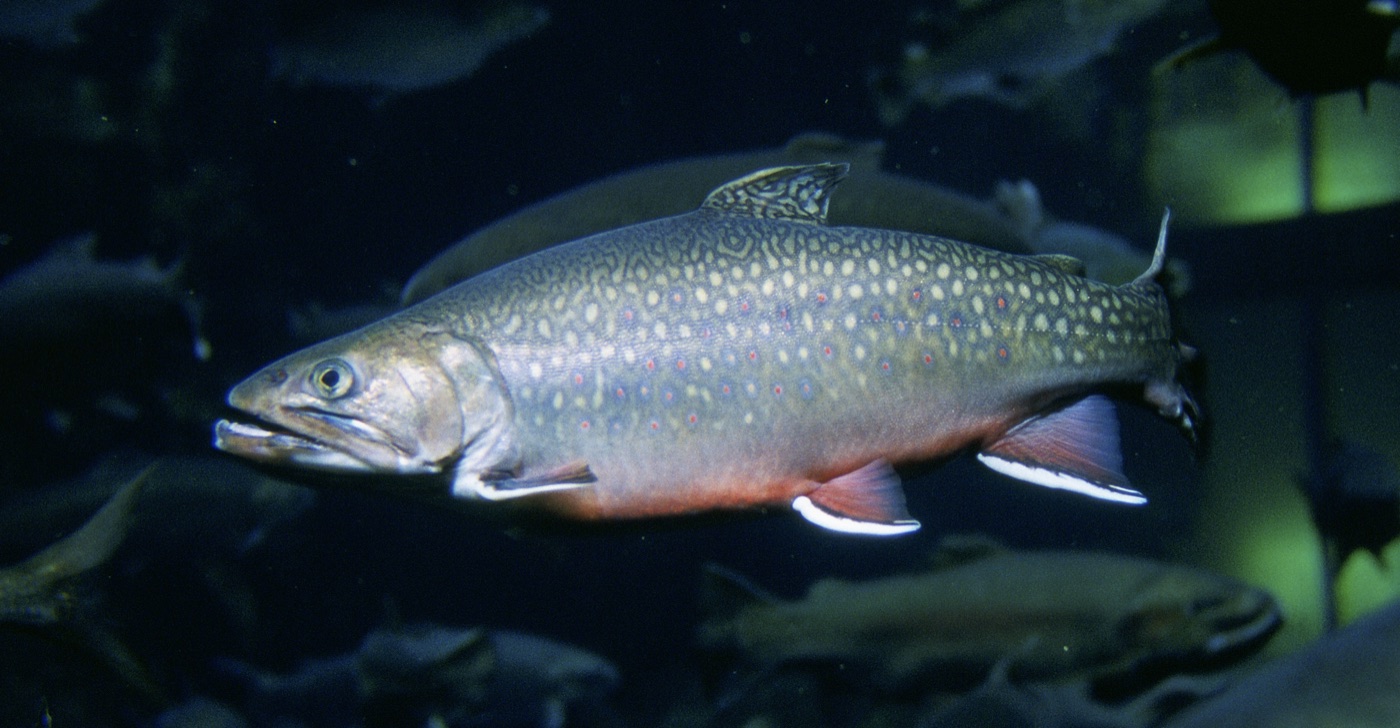
Salvelinus — the chars — is where the names betray the biology. North Carolina’s wildlife commission explains that the brook trout’s scientific name, Salvelinus fontinalis, literally marks it as “a char living in springs” — a char by taxonomy, a “trout” only by generations of habit. Alaska’s Department of Fish and Game files the lake trout in the same genus, distinguished from its fellow chars by a deeply forked tail and no pink spots. The field shorthand holds up well: true trout wear dark spots on light bodies; chars wear light spots on dark.
The real difference is how they spend a life
Strip away the names and the family divides along a single axis: how many times a fish gets to spawn.
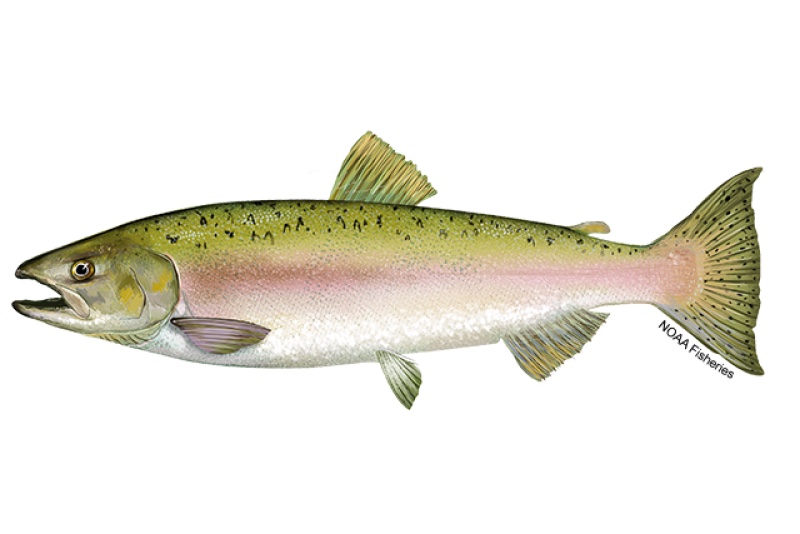
Pacific salmon made the one-way bet — semelparity. NOAA’s species profiles state it as absolute fact of the biology: all Chinook salmon die after spawning; all sockeye die within a few weeks of it. The entire adult body is spent converting ocean protein into eggs, milt and one upstream journey. It’s why a salmon run is both a fishery and a funeral, and why the carcasses themselves become the river’s fertilizer.
Trout — and, surprisingly, Atlantic salmon — made the other bet: iteroparity. A resident rainbow or brown trout spawns year after year in the same river system. And NOAA is explicit that Atlantic salmon do not necessarily die after spawning; adults can migrate to spawn several times. On the axis that actually matters, an Atlantic salmon lives more like a trout than like its Pacific namesakes — a reminder that “salmon” is a common name doing double duty across two genera.
The vocabulary of the family crosses the divide intact. Females of both branches dig gravel nests called redds — NOAA describes Chinook digging them on stream bottoms — and the young of migratory populations transform into smolts, the silvery stage whose gills and organs, in NOAA’s words, functionally change to allow life in salt water.
Steelhead and kokanee: the family’s own counterexamples
Every clean rule earns its asterisks, and Salmonidae supplies both directions.
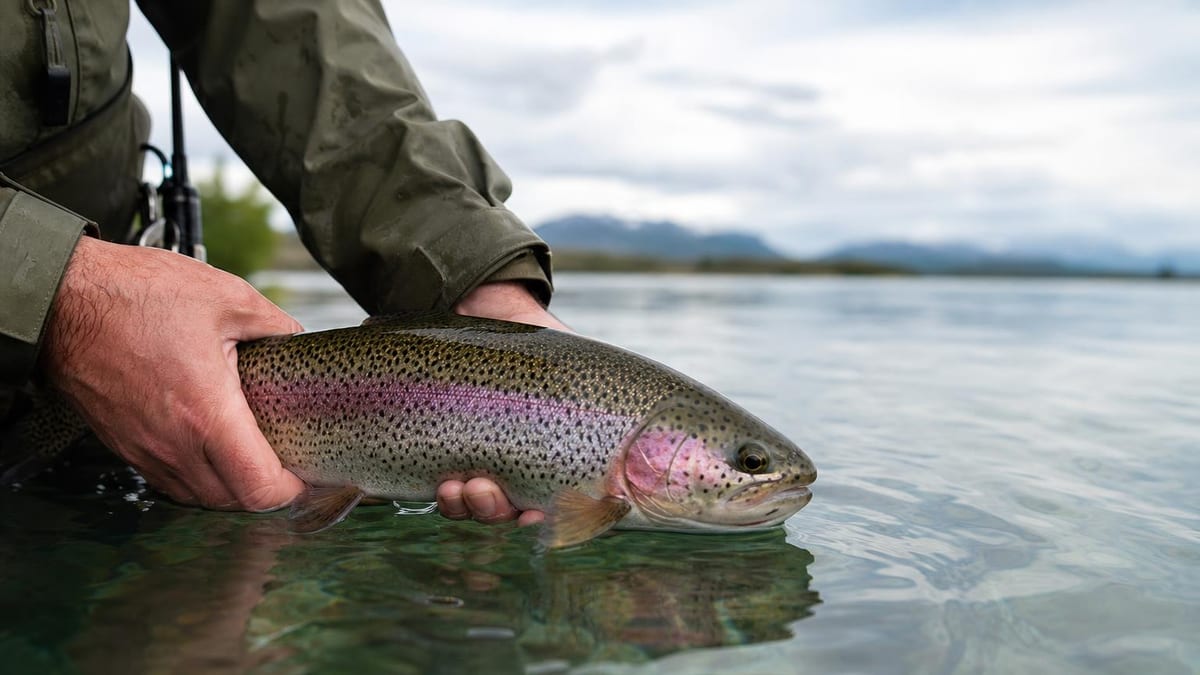
The steelhead is the trout that lives like a salmon. NOAA’s definition is four words long — anadromous rainbow trout — and USGS confirms it: a migratory life history form of the same common species, Oncorhynchus mykiss. The National Park Service says it most plainly: steelhead and rainbow trout are essentially the same species with varying life histories. The ocean years explain the size gap — NOAA notes the migrants typically grow larger than the residents — but the fish keeps its trout birthright: steelhead are iteroparous and, unlike most Pacific salmonids, can survive to spawn again.
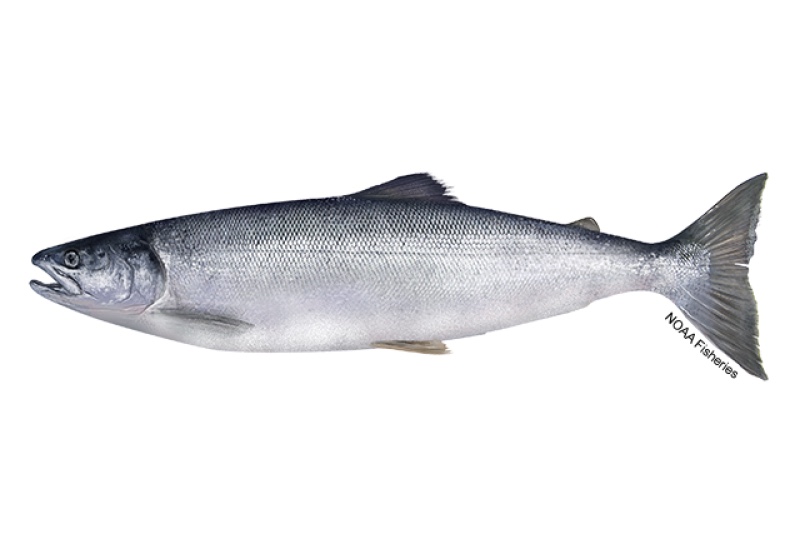
The kokanee is the salmon that lives like a trout. NOAA records that some sockeye are simply not anadromous, spending their entire lives in freshwater — kokanee, in Pacific Northwest usage. Same species as the ocean sockeye, landlocked biography.
Put the two side by side and the family’s real lesson snaps into focus: going to sea is a strategy a population adopts, not a property of being “a salmon” or “a trout.” The names describe traditions, not boundaries.
What this means on the water
For anglers, the taxonomy pays off in three practical ways. Identification: the char shortcut (light spots on dark) instantly separates a brook trout from a brown in hand, and the adipose fin confirms you’re holding a salmonid at all — our types-of-fish guide places the family among the rest. Reading a fishery: semelparity means a Pacific salmon run is a compressed, calendar-driven event — the fish are there to spawn, not to feed long-term — while iteroparous trout reward the patient, conditions-driven approach in cold, oxygen-rich water all season. And regulations: because steelhead and rainbows are one species with two life histories, and because chars, trout and salmon often share rivers, the rules for a single water can differ by run and by name — your state agency’s current regulations are always the operative text.
One family, three genera, two ways to spend a life. The names on the licenses and the lures may say trout versus salmon — the fish themselves never got the memo.
Frequently asked questions
What is the actual difference between trout and salmon?
Less than the names suggest — both are salmonids, and the real split is life history. The classic salmon plan, as NOAA describes for Pacific species, is anadromy plus semelparity: hatch in a river, mature at sea, return once, spawn and die — all Chinook salmon die after spawning. The classic trout plan is residency plus iteroparity: live in freshwater and spawn repeatedly. But the categories leak in both directions — Atlantic salmon can spawn more than once, and steelhead trout go to sea — which is why biologists talk in genera and life histories rather than 'trout versus salmon.'
Is a steelhead a trout or a salmon?
A trout — specifically a rainbow trout with a sea-run life history. NOAA calls steelhead anadromous rainbow trout, and USGS describes them as a migratory life history form of the same common species. The National Park Service puts it most plainly: steelhead and rainbow trout are essentially the same species with varying life histories. And unlike most Pacific salmonids, NOAA notes steelhead are iteroparous — they do not necessarily die after spawning. Ocean feeding is why they dwarf their stream-resident siblings.
Why do salmon die after spawning but trout don't?
It's a reproductive strategy called semelparity — one massive, fatal breeding effort — and it defines the Pacific salmon genus's most famous members. NOAA's species profiles state it without qualification: all Chinook salmon die after spawning, and all sockeye die within weeks of it. Trout, char and Atlantic salmon follow the other strategy, iteroparity — surviving to spawn in multiple years. NOAA highlights exactly that about Atlantic salmon: adults can migrate to spawn several times. Same family, two bets on how to spend a life.
Are brook trout and lake trout actually trout?
No — both are chars, genus Salvelinus. North Carolina's wildlife agency explains the brook trout's scientific name marks it as a char living in springs, kept in the trout column only by generations of habit. Alaska's Department of Fish and Game classifies lake trout the same way, distinguishing it from other chars by its deeply forked tail and lack of pink spots. The quick field rule: chars wear light spots on dark bodies; true trout wear dark spots on light.
Can salmon live without ever going to the ocean?
Yes — and they get a different name for it. NOAA notes some sockeye salmon are not anadromous and spend their whole lives in freshwater; in the Pacific Northwest these landlocked sockeye are called kokanee. They're the mirror image of the steelhead story: one species, two life histories. Together the two cases make the family's real lesson — 'goes to sea' is a strategy an individual population adopts, not something written into being a salmon or a trout.
Sources
- Wild about Illinois fishes: salmon and trout family — Illinois Department of Natural Resources. Accessed August 11, 2026.
- Pacific salmon and steelhead — NOAA Fisheries. Accessed August 11, 2026.
- Steelhead trout species profile — NOAA Fisheries. Accessed August 11, 2026.
- Steelhead (Oncorhynchus mykiss) research overview — US Geological Survey, Western Fisheries Research Center. Accessed August 11, 2026.
- Coastal rainbow trout — National Park Service, Glacier Bay. Accessed August 11, 2026.
- Chinook salmon species profile — NOAA Fisheries. Accessed August 11, 2026.
- Sockeye salmon species profile — NOAA Fisheries. Accessed August 11, 2026.
- Atlantic salmon species profile — NOAA Fisheries. Accessed August 11, 2026.
- Brook trout wildlife profile — North Carolina Wildlife Resources Commission. Accessed August 11, 2026.
- Lake trout species profile — Alaska Department of Fish and Game. Accessed August 11, 2026.
How we choose sources: sources policy.
More in this series
Know when it's worth going.
Fishing Club AI turns live weather, pressure and moon data into a simple bite forecast for your spot — so the skills you practise get used on the right day.
Get the App