Your Catch Log Is Data: What It Can Teach and What It Can't
A fishing log is real data — state agencies run volunteer angler diary programs and use them to guide fisheries management. The useful version records effort, not just catches: hours fished, water, method, and the empty trips too. What a log can't do is escape its own biases: you fish when you expect success, memory inflates, and small samples mislead.
Key takeaways
- New York's DEC runs angler diary programs whose data 'helps guide fisheries management' — your log format can copy theirs.
- The agency field list: water, start and end time, anglers, method, target species, catch, lengths, kept or released.
- Empty trips are data: 'Every trip should be recorded even if no fish are caught.'
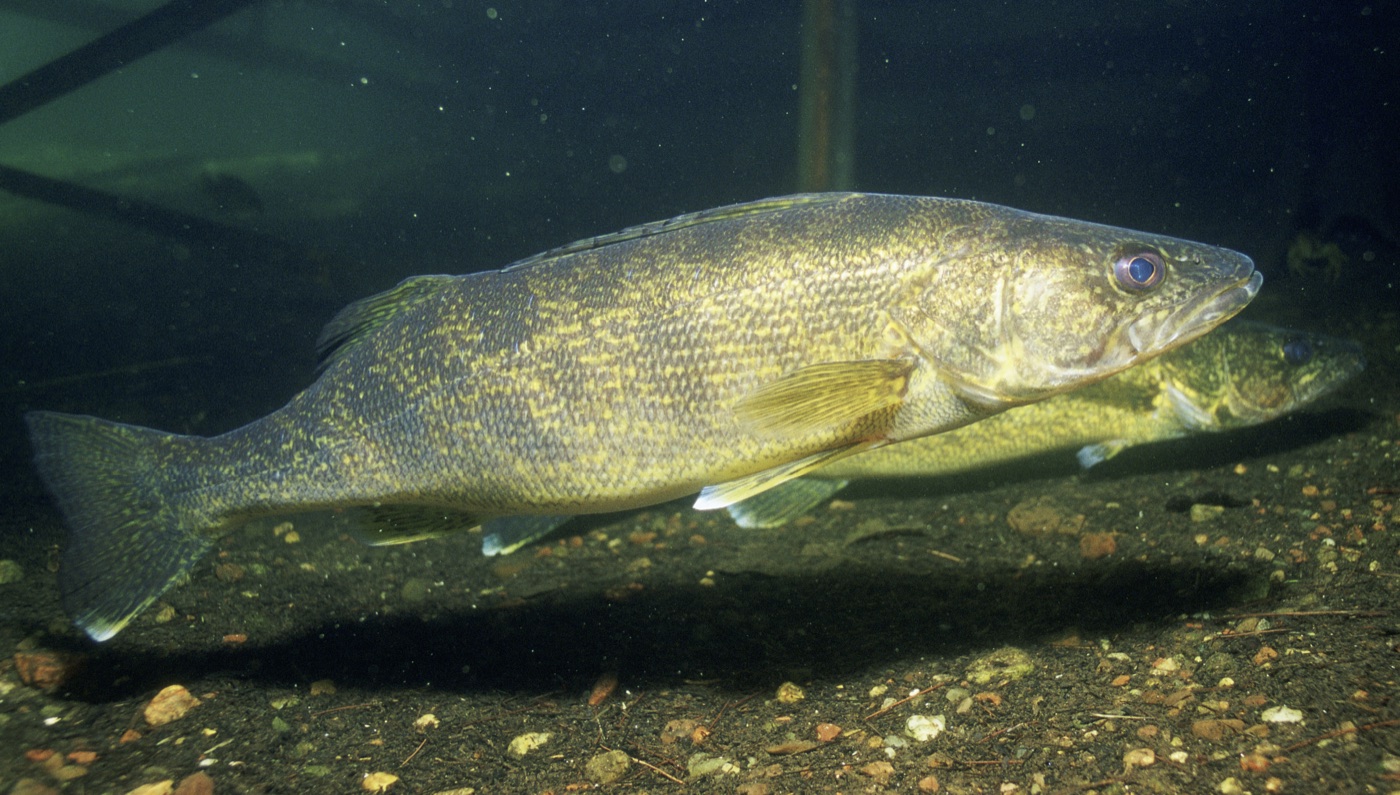
- Hours-per-fish is the honest metric — one DEC diary report benchmarks walleye fishing as 'excellent' at one fish per four hours.
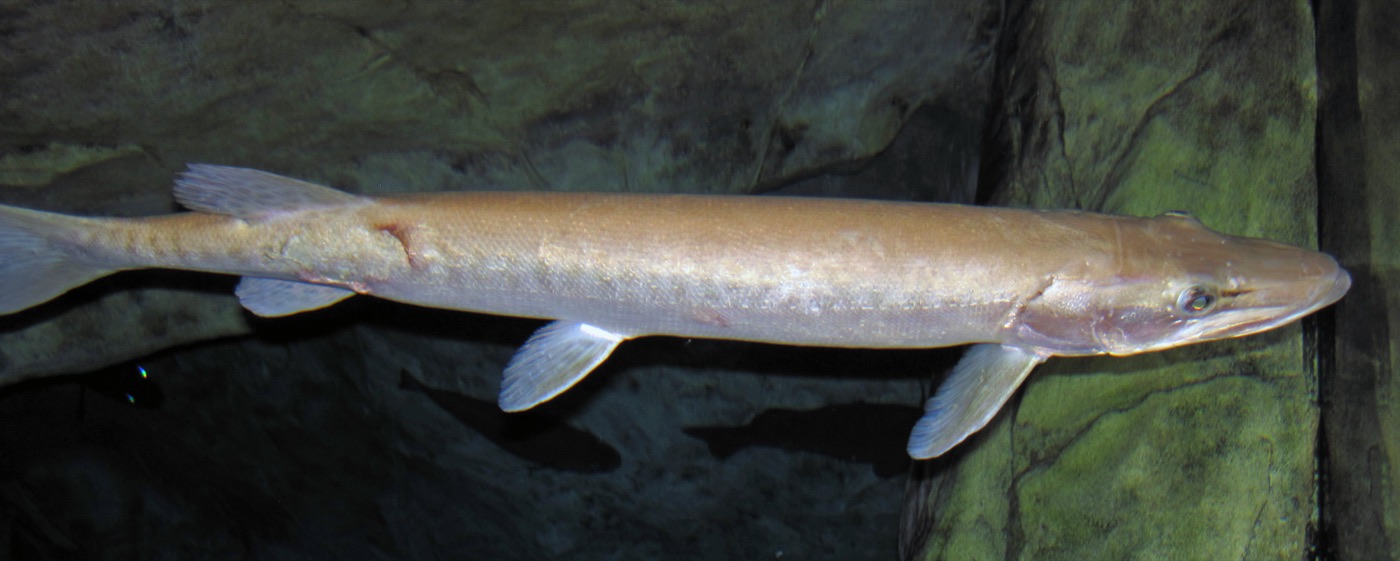
- The trap: you fish when you expect fish, so raw logs partly record your beliefs. The muskellunge lunar study couldn't separate fish behaviour from angler behaviour.
- NOAA redesigned its own angler survey after finding recall errors inflated reported trips by up to 22%.
Agencies keep fishing logs, which settles the first question
Whether a fishing log is worth keeping stopped being a matter of opinion decades ago, because state agencies bet real management decisions on them. New York’s Department of Environmental Conservation has run angler diary programs on the Finger Lakes since 1963 and says what the diaries are for without hedging: the data provides biologists with invaluable information that helps guide fisheries management. Growth rates, stocking success, angler effort, harvest rates — all of it extracted from volunteers writing down their trips.
So the interesting question isn’t whether a log has value. It’s what separates a log that produces knowledge from a pile of fish stories — and the agency programs answer that too, in their design.
Record what the biologists record
The DEC hands its cooperators a field list, and it doubles as the best personal log template in print: the water fished, start and end time, number of anglers, type of fishing, target species, species caught, lengths, and whether each fish was kept or released. Note what carries the weight there — time and effort fields outnumber the glory fields. A catch without hours attached is an anecdote.
One instruction matters more than all the others: every trip should be recorded even if no fish are caught. The empty trips are the denominator; without them a log only remembers victories, and victories alone can’t tell you anything about odds.
The payoff of the discipline is a number you can actually use: hours per fish. In its 2025 Otisco Lake diary report, the DEC computed that cooperators averaged 0.96 hours per legal gamefish — against a ten-year average of 2.4 — and it benchmarks New York walleye fishing as excellent when targeted anglers average one fish per four hours. Fisheries science calls this CPUE — catch per unit effort — and NOAA Fisheries describes such compilations as important components of stock assessments while warning that standardization choices can substantially change the index. Your log inherits both the power and the warning: divide by hours, and keep the method consistent.
What your log cannot tell you
The limits are as well documented as the value, and the biggest one is a mirror. Catch records tangle two behaviours — the fish’s and yours. The largest angling dataset ever analysed, 341,959 muskellunge records, found angler effort itself clustered around the full and new moons, so its authors could not conclude the lunar catch pattern came from fish behaviour alone. Your personal version of that confound is stronger: you fish the times and places you believe in, so your log partly records your beliefs coming true by attendance. Our solunar article carries the full story.
Sample size is the second wall, and an agency ran into it publicly: the same Otisco report flags its tiger muskellunge catch rate as not a true representation of the fishery, because too few cooperators reported. A private season of weekend trips is far thinner than that. And memory is the third: NOAA rebuilt its national Fishing Effort Survey after research showed recall-based reporting inflated trip counts — the redesign cut estimated private-boat effort by 22%. The fix for a personal log costs nothing: write entries on the water, not from the couch.
What this means for your notebook — and your app
Kept honestly, a log answers real questions: which water produces for you per hour, how your season compares to last year, whether that new technique actually outfishes the old one. Treated as a conditions oracle, it will happily confirm whatever you already believed. The working rule: patterns in your log are hypotheses; test them by deliberately fishing against your habits before trusting them.
The same logic runs through the data side of this site. Standardized, effort-aware records are exactly what prediction models need — and unstandardized ones are exactly what fools them. Agencies bridge that gap with creel surveys, where Alaska’s Department of Fish and Game statistically combines dockside interviews with angler counts to estimate total effort and harvest; citizen data earns its place, as NOAA puts it, when collection follows sufficiently rigorous guidelines. The proof it can work at scale is peer-reviewed: trained volunteer anglers in a shark-tagging program identified species with 97.2% accuracy across five thousand fish. Rigor, not enthusiasm, is what turns fishing stories into fishing data — in a state program or in your pocket.
What it cannot do
- A personal log cannot separate fish behaviour from your behaviour. If you only fish dawn, your log will 'prove' dawn is best — the muskellunge study's authors hit the same wall with 341,959 records.
- Small samples mislead. A New York agency flagged its own diary catch rate as 'not a true representation' of the fishery because too few cooperators reported — a season of your weekends is a far smaller sample.
- Memory is not a recorder. NOAA's survey research found anglers misreport trips when asked from recall — its redesign cut estimated effort by 22% for private boats. Log on the water, not at home.
Frequently asked questions
Is keeping a fishing log actually worth it?
Agencies answer this by running diary programs themselves. New York's DEC has collected volunteer angler diaries on the Finger Lakes since 1963, and states plainly that the data provides biologists with invaluable information that helps guide fisheries management. If standardized diaries can steer a state fishery, a well-kept personal version can steer your seasons — provided you record effort honestly, empty trips included.
What should I record in a fishing log?
Copy the agency template. New York's diary cooperators record the water fished, start and end time, number of anglers, type of fishing, target species, species caught, lengths, and whether each fish was kept or released — and every trip gets recorded even when nothing is caught. Add conditions if you like, but the non-negotiable core is effort: without hours, a catch count is a story, not a statistic.
What is CPUE and why does it matter for my log?
Catch per unit effort — fish per hour — is the standard currency of catch data. NOAA Fisheries calls CPUE compilations important components of many stock assessments, and warns that how you standardize it can substantially change the result. For a personal log the lesson is simple: divide catches by hours before comparing anything, and one New York diary report offers a calibration point — about one legal walleye per four hours rated 'excellent' there.
Can my log tell me the best moon phase or conditions?
Only weakly, and this is the honest limit. The largest angling dataset ever analysed — 341,959 muskellunge records — found effort itself clustered around full and new moons, so the authors could not conclude the lunar pattern came from fish behaviour alone. Your log has the same confound concentrated: you fish when you expect success, so your data partly records your own beliefs. Treat patterns in a personal log as hypotheses, not findings.
Why do agencies trust volunteer angler data at all?
Because with standards, it works. NOAA credits citizen science with providing crucial data for management needs when collection follows sufficiently rigorous guidelines, and a peer-reviewed shark-tagging program found trained volunteer anglers identified species with 97.2% accuracy across more than 5,400 sharks — scale no research crew could match. The standards are the point: fixed fields, honest effort, every trip.
Related reading
Sources
- Finger Lakes Angler Diary Cooperator Program — New York State Department of Environmental Conservation. Accessed August 11, 2026.
- 2025 Otisco Lake Angler Diary Report — New York State Department of Environmental Conservation. Accessed August 11, 2026.
- Lunar cycle and muskellunge angling catch (341,959 records) — PLoS ONE, via PubMed Central (PMC4037224). Accessed August 11, 2026.
- Catch-per-unit-effort modelling for stock assessment: a summary of good practices — NOAA Fisheries. Accessed August 11, 2026.
- Fishing Effort Survey: research and improvements — NOAA Fisheries. Accessed August 11, 2026.
- How does citizen science support fisheries stock assessments? — NOAA Fisheries. Accessed August 11, 2026.
- Volunteer angler shark tagging: data reliability at scale — PLoS ONE, via PubMed Central (PMC6922388). Accessed August 11, 2026.
- Statewide sport fishery creel surveys — Alaska Department of Fish and Game. Accessed August 11, 2026.
How we choose sources: sources policy.
More in this series
See the conditions for your own spot.
Fishing Club AI turns live weather, pressure and moon data into an hourly forecast — and shows you which factors moved the number.
Get the App